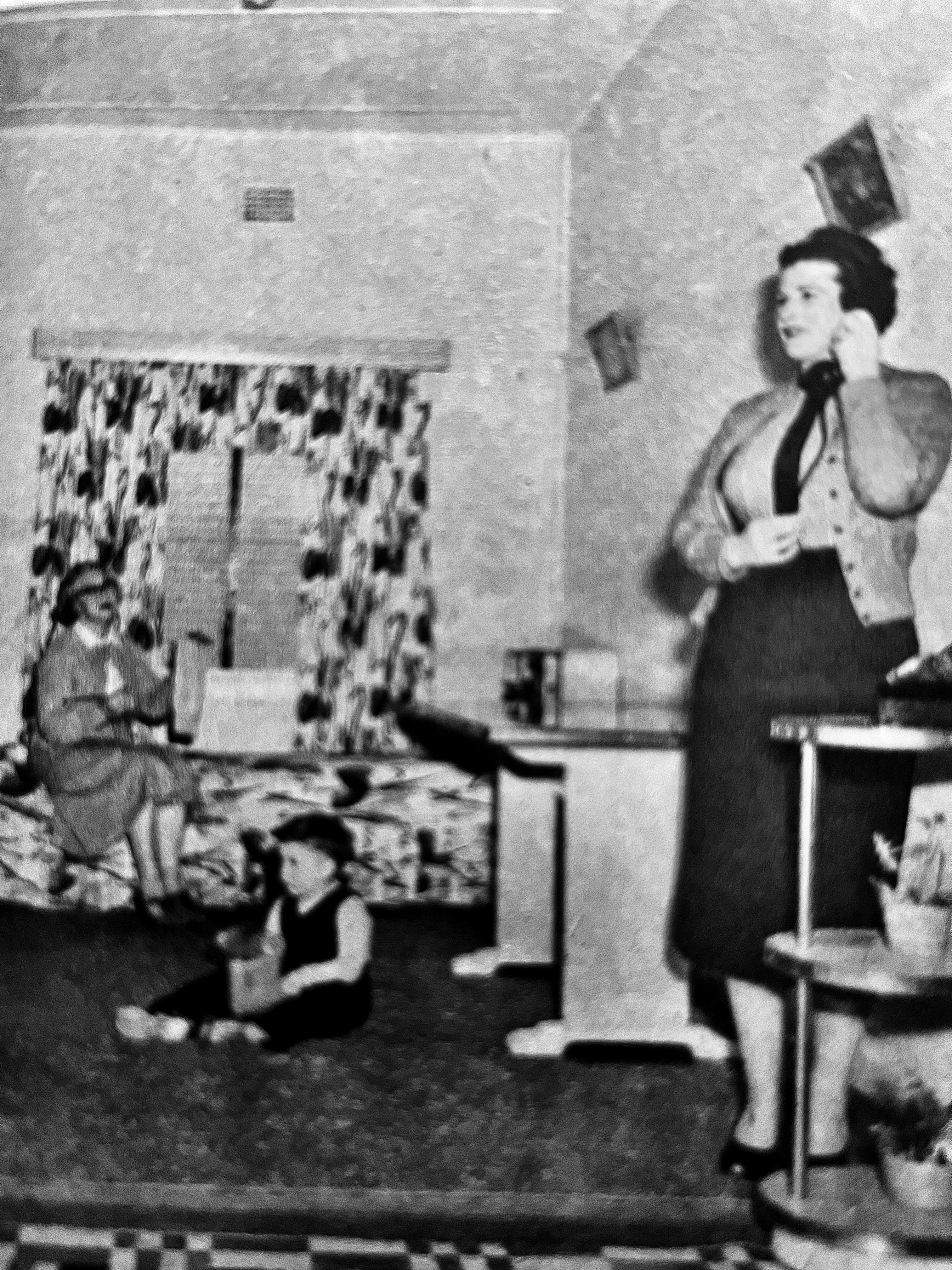
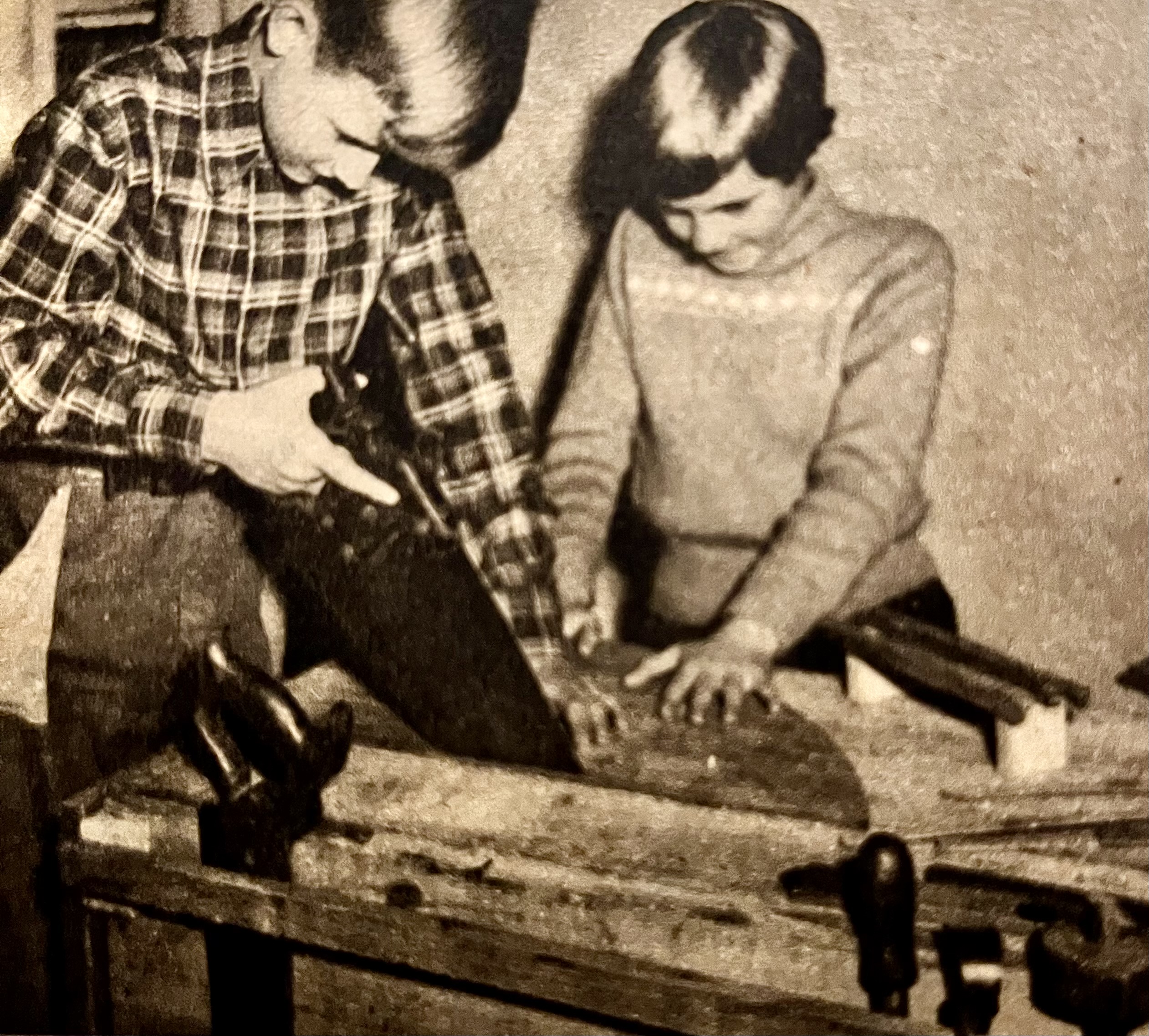
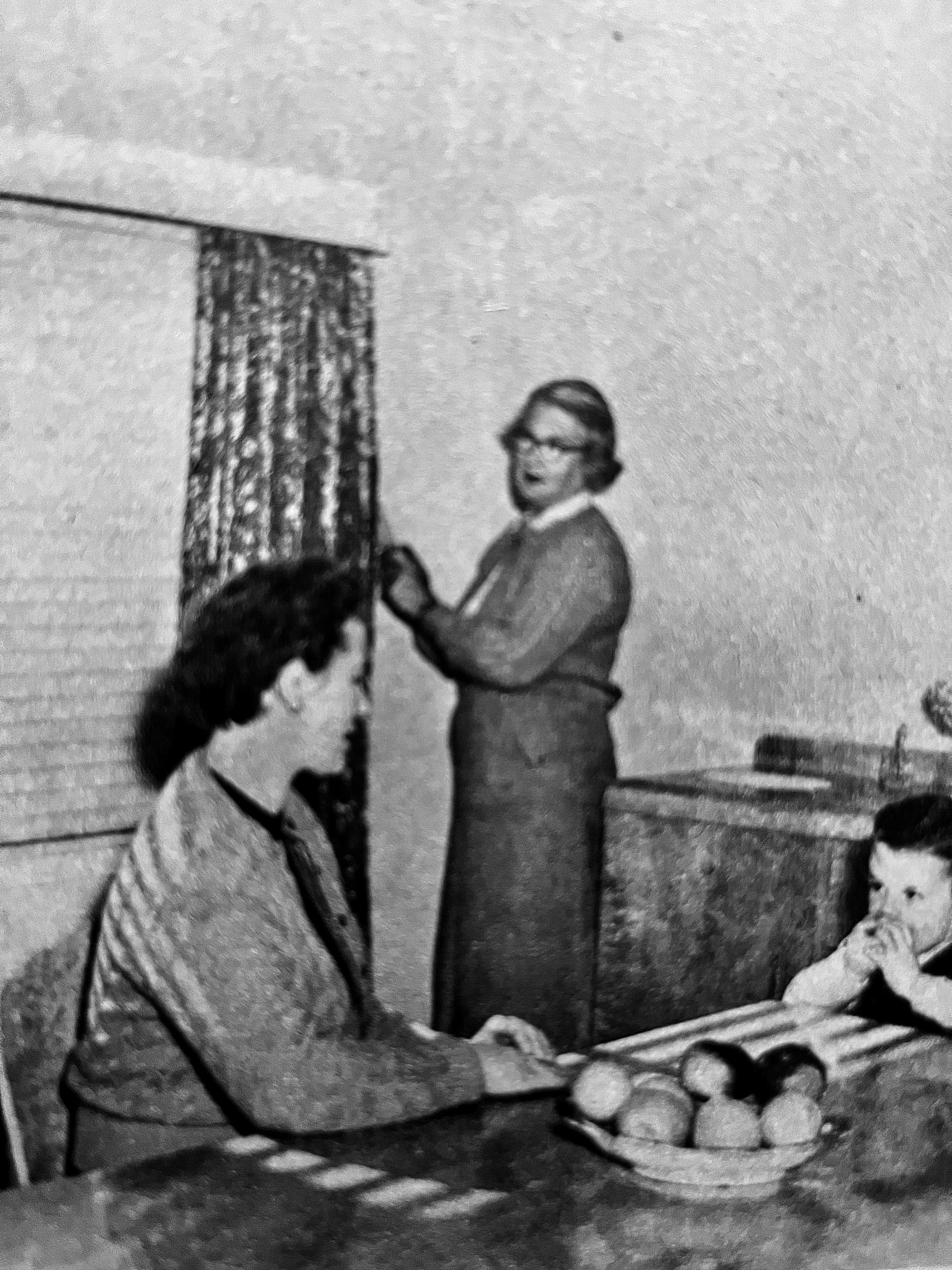
Who’s talking? How many POV characters can we have? We have the woman on the phone, the older woman and the boy, plus the person on the other end of the phone line. Which one has most to lose? Who do we need to hear from?
Writers make choices all the time. One of the most important choices we make is who we choose to tell our stories. Selecting our ‘Point of View’ characters, or ‘Focalisers’ shapes the impact, focus and tone of our books.
How do you choose which character will be your protagonist? Who will readers align with most? Whose actions and emotional epiphanies will lead the story and shape the plot? What other characters provide necessary juxtapositions to that viewpoint? What other insights can be gained from lesser characters and their perceptions of the protagonist?
William Faulkner’s As I Lay Dying was one of the first novels I read that demonstrated how effective multiple viewpoints of the same situation can be. In this short novel, Faulkner examines the death of a patriarch and the impact on his family, through showing us all of their perspectives. The same situation through different eyes. Anyone with siblings will understand how we can experience the same event as children, but each have different memories of it. Existence is subjective and by using multiple points of view characters we can express this subjectivity and draw out interesting points of difference.
Another great novel to study the use of multiple viewpoints is Barbara Kingsolver’s The Poisonwood Bible, which uses the voices of a missionary’s wife and children in Africa, even a very young child. Each of those voices is powerful and intimate and gives us insight, not only into the events of the story, but also into each character, as we see not only how they view themselves but how they are viewed by others and how each is impacted by the situation.
In Thrill Seekers I used three, first person voices. Brian, the eldest brother tasked with protecting his brother and mother after the death of his father; Douggie, the younger brother who develops schizophrenia and Beck, a girl in the neighbourhood entangled in the mess the boys make. The use of first person brings the reader as close as possible to the reader. First person, present tense is the most immediate and intimate of voices. I chose Brian to be the protagonist and to begin and end the story because he had most at stake. He was the one given the ‘quest’ of protecting the family so his struggle to do so shapes the narrative. Douggie’s voice gives the perspective of the son who has lost his battle with grief and his mind in the process. Beck provides a feminine view of the events and the boys themselves.
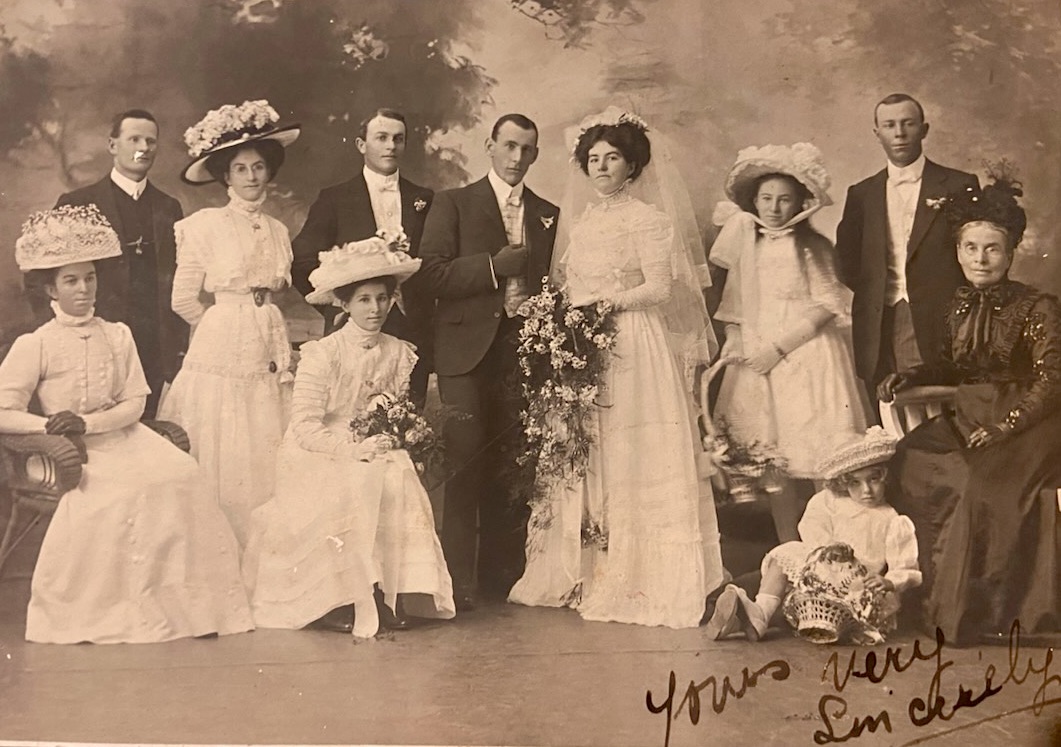
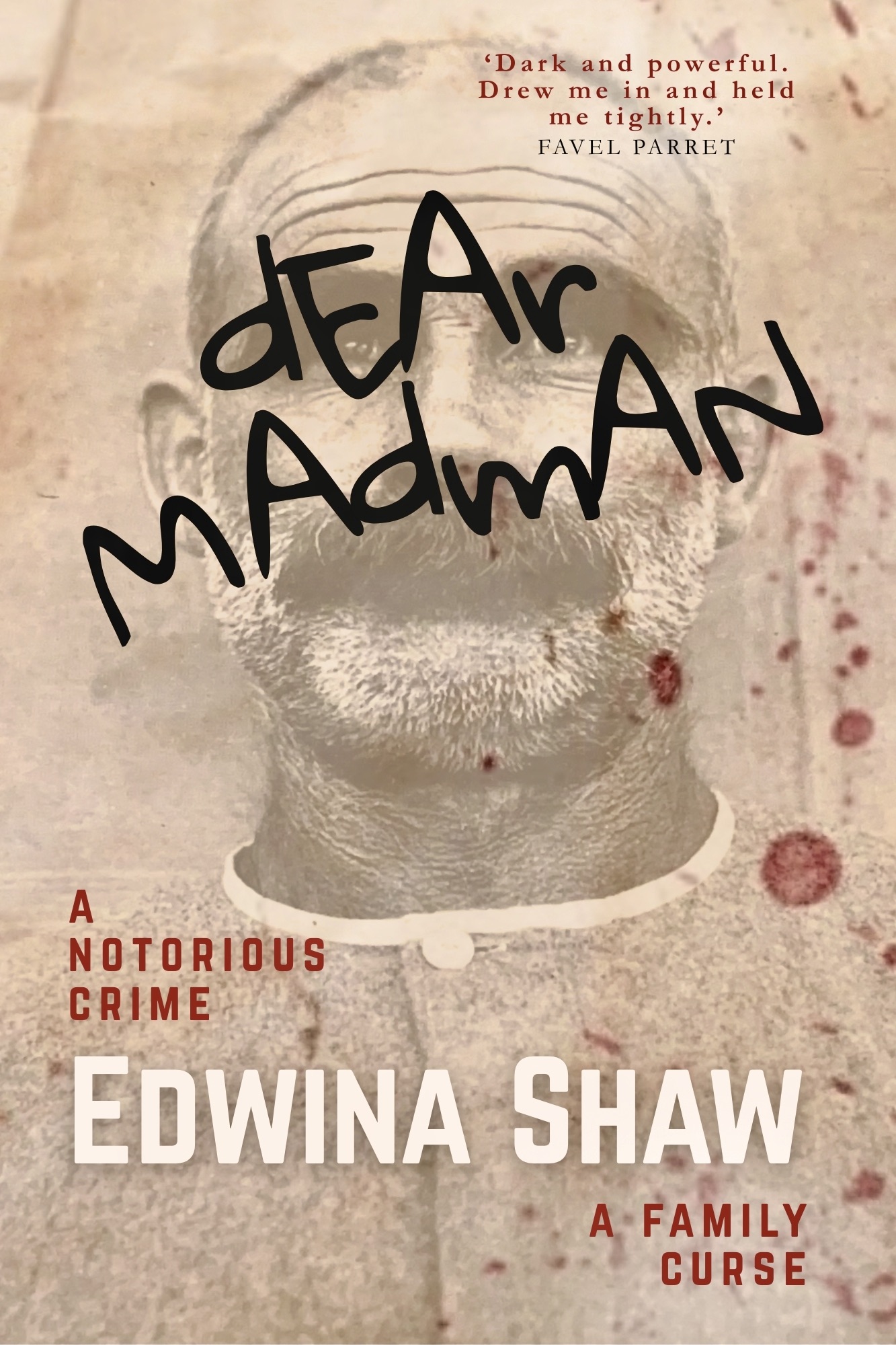
In Dear Madman I again used three main strands. I like the balance three brings and often warn writers of the dangers of only using two focalisers. This results in a battle for supremacy, whereas three strands weave together easily, like a plait. The murderer Joe’s voice, came to me so strongly I had no choice but to take dictation of his flood of excuses, blame and hopelessness. His voice was so strong it was a fight to contain him and wrest back control of the book. I attempted to balance his first-person rant with a more subdued third person omniscient (this means going into multiple character’s viewpoints within the same section) strand of the family members, with each expressing the impact of this man’s presence and actions throughout. Still the book’s balance wasn’t there until I added the third strand, my own memoir voice, interpreting and reflecting on my research journey and the intergenerational effects of violent crime.
HOW DO YOU CHOOSE YOUR POV CHARACTERS?
- Choose your protagonist – the character with a quest or question that must be answered. This character usually has the most to lose. Think about this throughout. What is at stake? What is the very worst that could happen to them? Make it worse.
- Will you have an antagonist? Is there a human adversary to your main character? Getting inside their head will give an interesting depth and perspective. Why do these ‘bad’ guys do the bad things? What motivates them? (Every one of your characters has a goal, desires and dreams, even those without focaliser status)
- Which other character’s perspective will bring the most nuance and insight to the story events? Find another character who loves, or hates, or is investigating one or both of the other focalisers. What will they bring to the story?
HOW MANY VOICES?
From experience I’d recommend three to five focalisers. More than this can become confusing for the reader, unless expertly managed. Beware of the two hander and that battle for supremacy – finding that balance is very tricky.

DIFFERENTIATING THE VOICES
A lot of commercial fiction these days separates different viewpoint third person POV sections in their own chapters. For example a story of three sisters around the death of their mother, which is told in chapters that alternate between the three perspectives. Even though they were brought up in the same family, culture and environment, each of these voices needs to be immediately recognisable. Their way of speaking, thinking and being in the world must show through in their chapters from the first line of each of their sections. A heading with their name at the top of the page isn’t enough.
Get to know your characters through daydreaming about them, collaging their worlds, doing lots of backstory writing about them, getting into their heads. Try my “Getting into Character” exercise for a great way to access their psychology. Differentiate each one with idiosyncratic ways of speaking and behaving. One may bulldoze over everyone else’s attempts to speak. Another may end every sentence with a question mark or start each one with “sorry”. Another may remain mostly silently but have the greatest insight into the hearts of the others and herself.

Using multiple viewpoint characters is also very useful in shaping a suspenseful plot. One of the best pieces of advice I’ve received in my 24 years plus of writing, is “Don’t take the reader where they want to go.” End a scene on a cliffhanger – never solve a situation within a scene – then take the reader to the next POV character and flesh out their scene leading to another cliffhanger, then switch to the next POV and then finally back to our first character, resolve that dilemma and move onto the choice or cliffhanger and so on.
In traditional memoir you are confined to the first person past tense voice of “I”, though even then we have “previous you” and “wise you now”. But you can also do as Kris Olsson did in Boy Lost and I did in Dear Madman, recreate scenes and characters from the past to provide other strands and viewpoints.
I hope that has demystified using multiple points of view a little. Any questions just ask!
If you’d like to immerse yourself in your writing and learn more about the craft from me and the wonderful Kerstin Pilz in person, we still have a few rooms left for our September 19 – 24 Byron Bay Writing Retreat. Writers of all levels of experience and genders are welcome. If you have an ABN for your writing, all retreats are tax deductible! YES!

Bookings are now open for Italy 2027 too (one large single and one shared room – grab a writing friend for the holiday of a lifetime!).
In the meantime, write like the wind – wild and free and don’t let the bastards get you down!
Lots of love,
Edwina 🙂 xx


Hmmm It sounds as though you are working hard again!!! I’m hoping I’m
not too late to book a session when we are at Springbrook. I need to get
my pitch, synopsis, Bio, etc. right.
Laid up at present; I hurt my back. Off to physioo in the morning 🙂
Love bev
Hi Bev 🙂 Thanks for commenting here. I’ll reply in an email. Hope you found this article useful! Love Ed xxx
Thanks Edwina, I find everything you present, helpful. Lots of new things to consider, as well.
Thanks Bev 🙂 xxx