Look! Who’s Talking? Managing Points of View in Your Stories

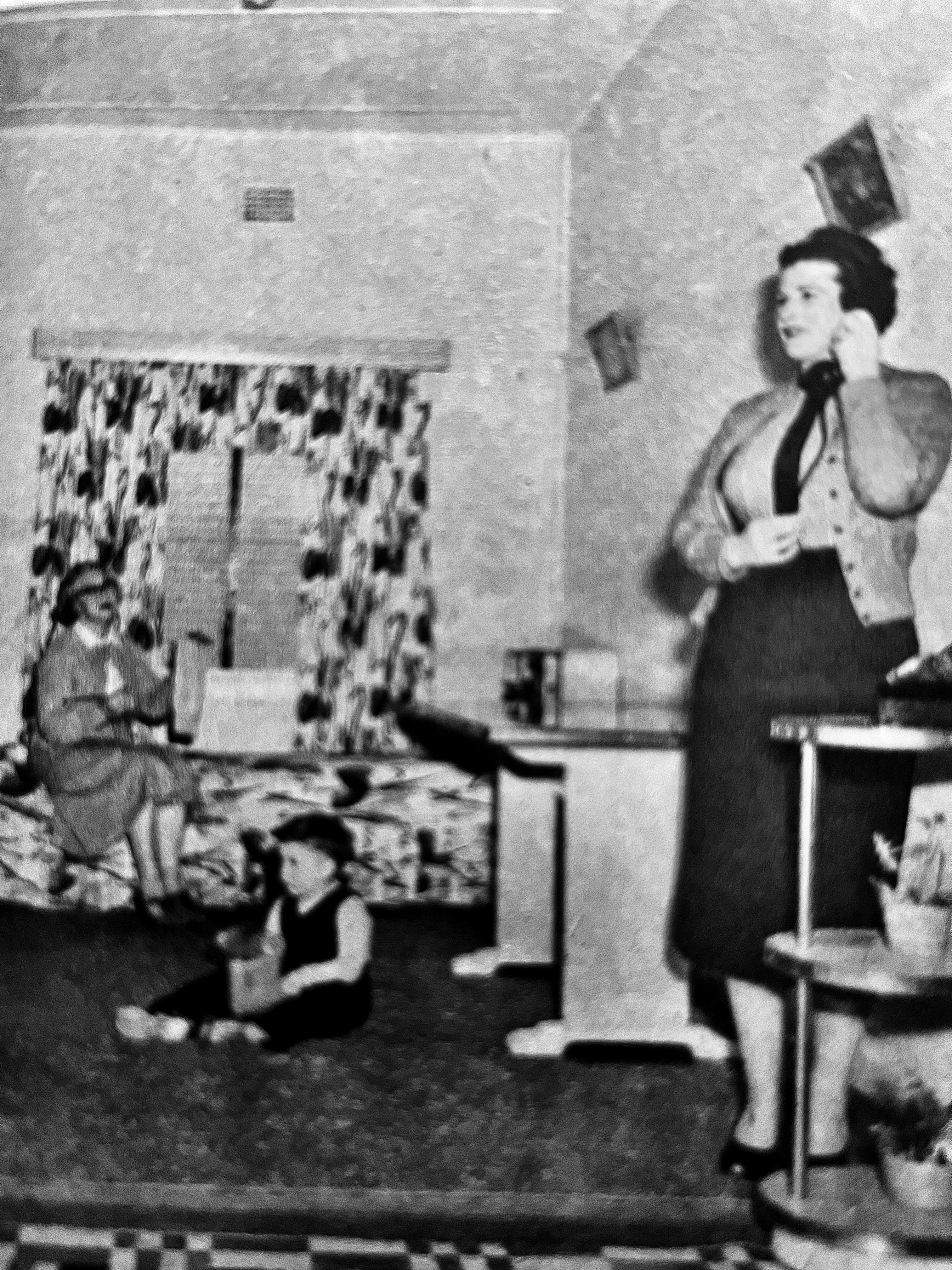
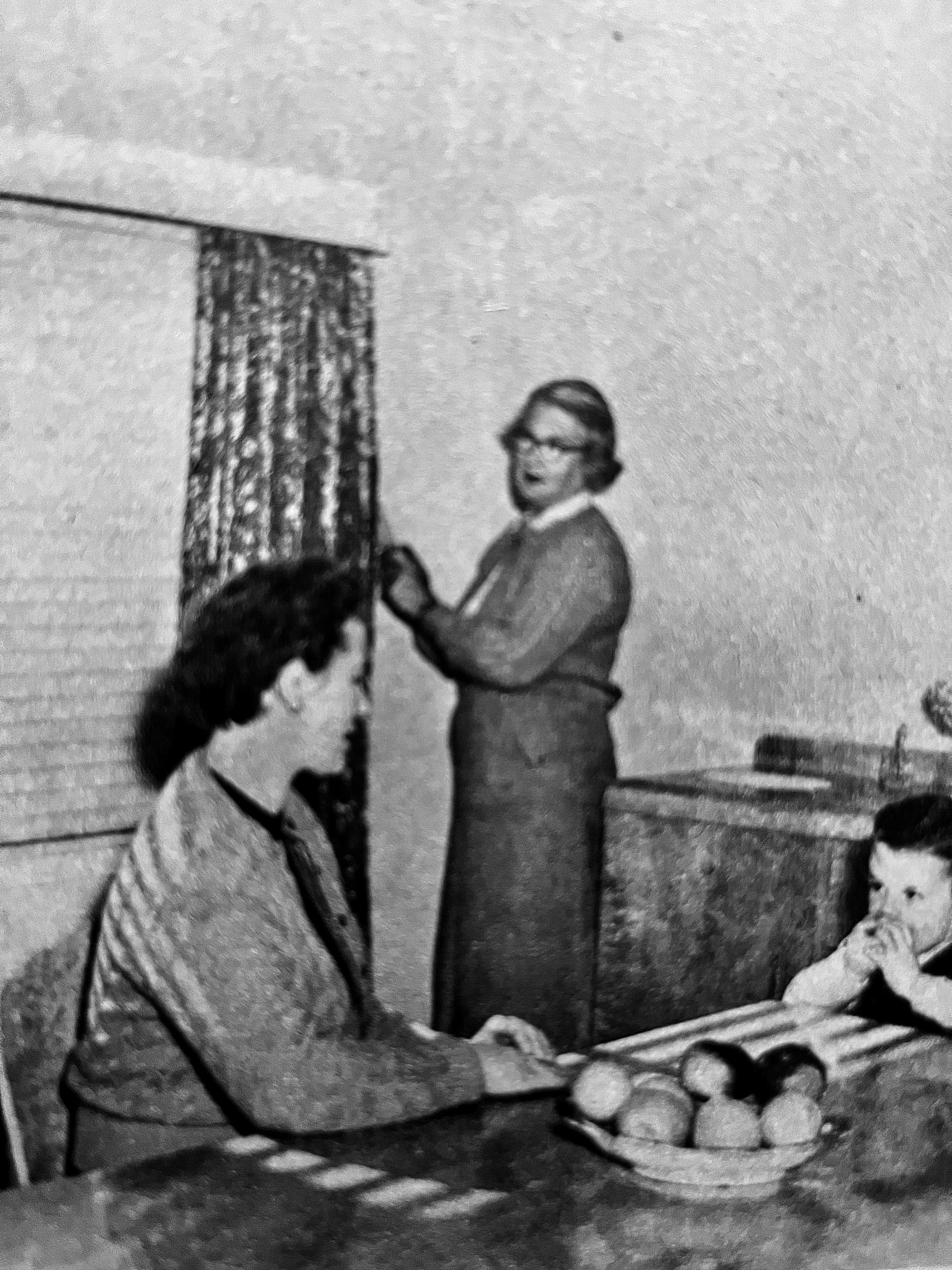
Who’s talking? How many POV characters can we have? We have the woman on the phone, the older woman and the boy, plus the person on the other end of the phone line. Which one has most to lose? Who do we need to hear from?

Writers make choices all the time. One of the most important choices we make is who we choose to tell our stories. Selecting our ‘Point of View’ characters, or ‘Focalisers’ shapes the impact, focus and tone of our books. 

How do you choose which character will be your protagonist? Who will readers align with most? Whose actions and emotional epiphanies will lead the story and shape the plot? What other characters provide necessary juxtapositions to that viewpoint? What other insights can be gained from lesser characters and their perceptions of the protagonist?

William Faulkner’s As I Lay Dying was one of the first novels I read that demonstrated how effective multiple viewpoints of the same situation can be. In this short novel, Faulkner examines the death of a patriarch and the impact on his family, through showing us all of their perspectives. The same situation through different eyes. Anyone with siblings will understand how we can experience the same event as children, but each have different memories of it. Existence is subjective and by using multiple points of view characters we can express this subjectivity and draw out interesting points of difference. 

Another great novel to study the use of multiple viewpoints is Barbara Kingsolver’s The Poisonwood Bible, which uses the voices of a missionary’s wife and children in Africa, even a very young child. Each of those voices is powerful and intimate and gives us insight, not only into the events of the story, but also into each character, as we see not only how they view themselves but how they are viewed by others and how each is impacted by the situation.

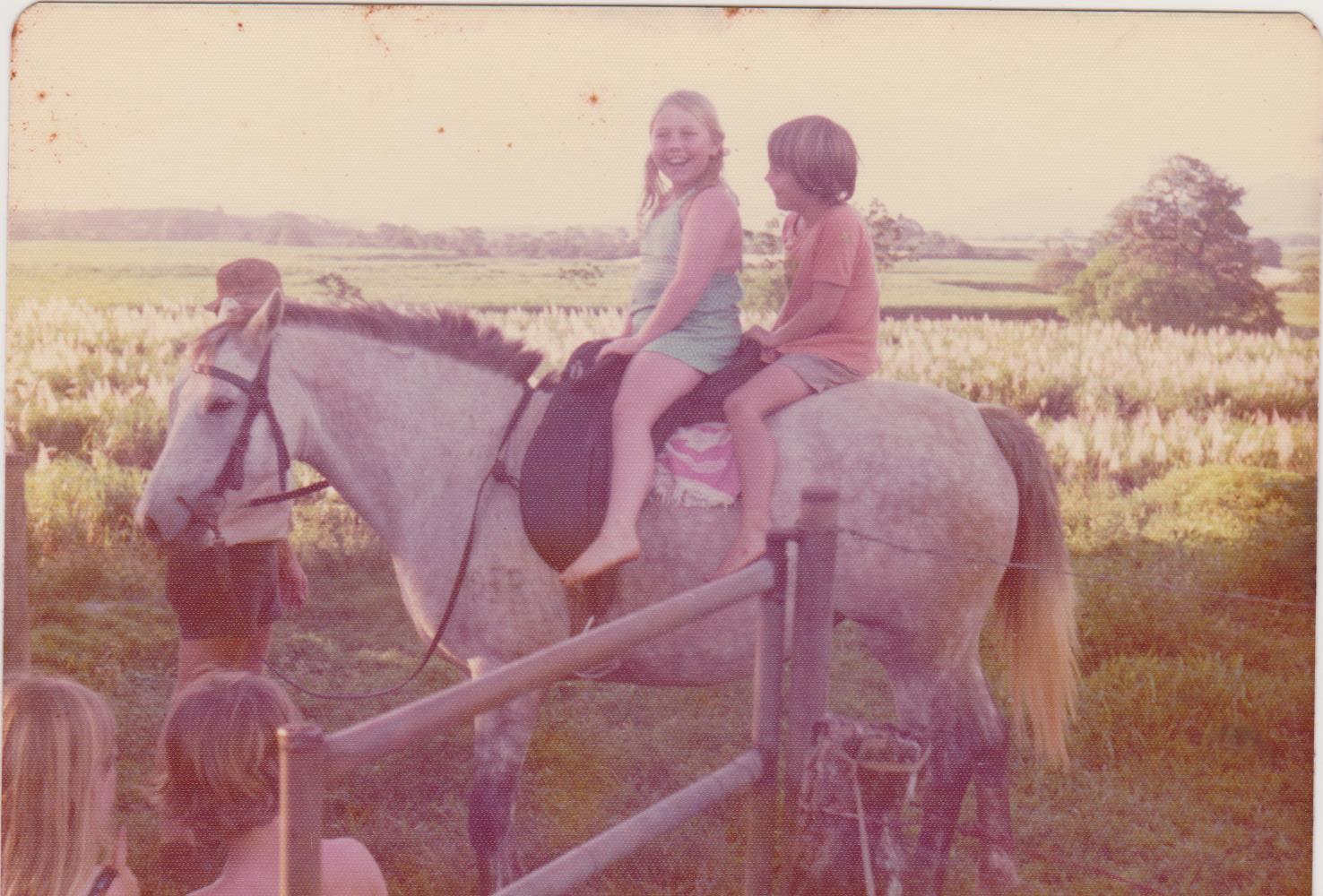
Me and my brother Matty riding a horse 1975

In Thrill Seekers I used three, first person voices. Brian, the eldest brother tasked with protecting his brother and mother after the death of his father; Douggie, the younger brother who develops schizophrenia and Beck, a girl in the neighbourhood entangled in the mess the boys make. The use of first person brings the reader as close as possible to the reader. First person, present tense is the most immediate and intimate of voices. I chose Brian to be the protagonist and to begin and end the story because he had most at stake. He was the one given the ‘quest’ of protecting the family so his struggle to do so shapes the narrative. Douggie’s voice gives the perspective of the son who has lost his battle with grief and his mind in the process. Beck provides a feminine view of the events and the boys themselves.

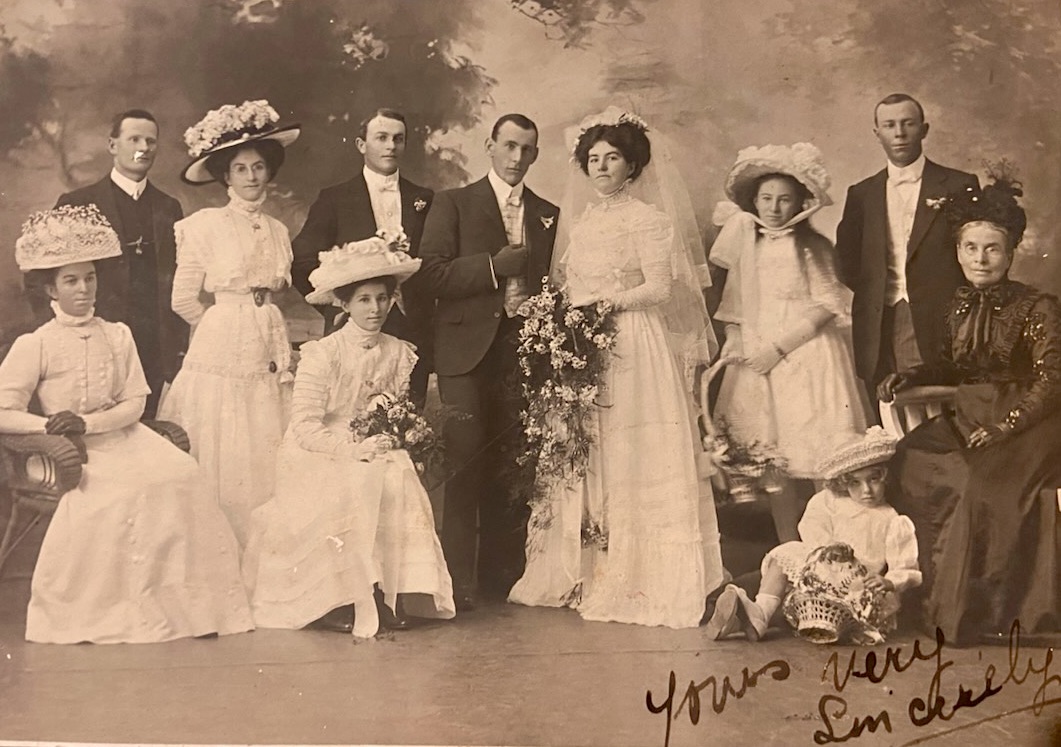
My nana's sisters are the flower girls here, their mother seated on the far left

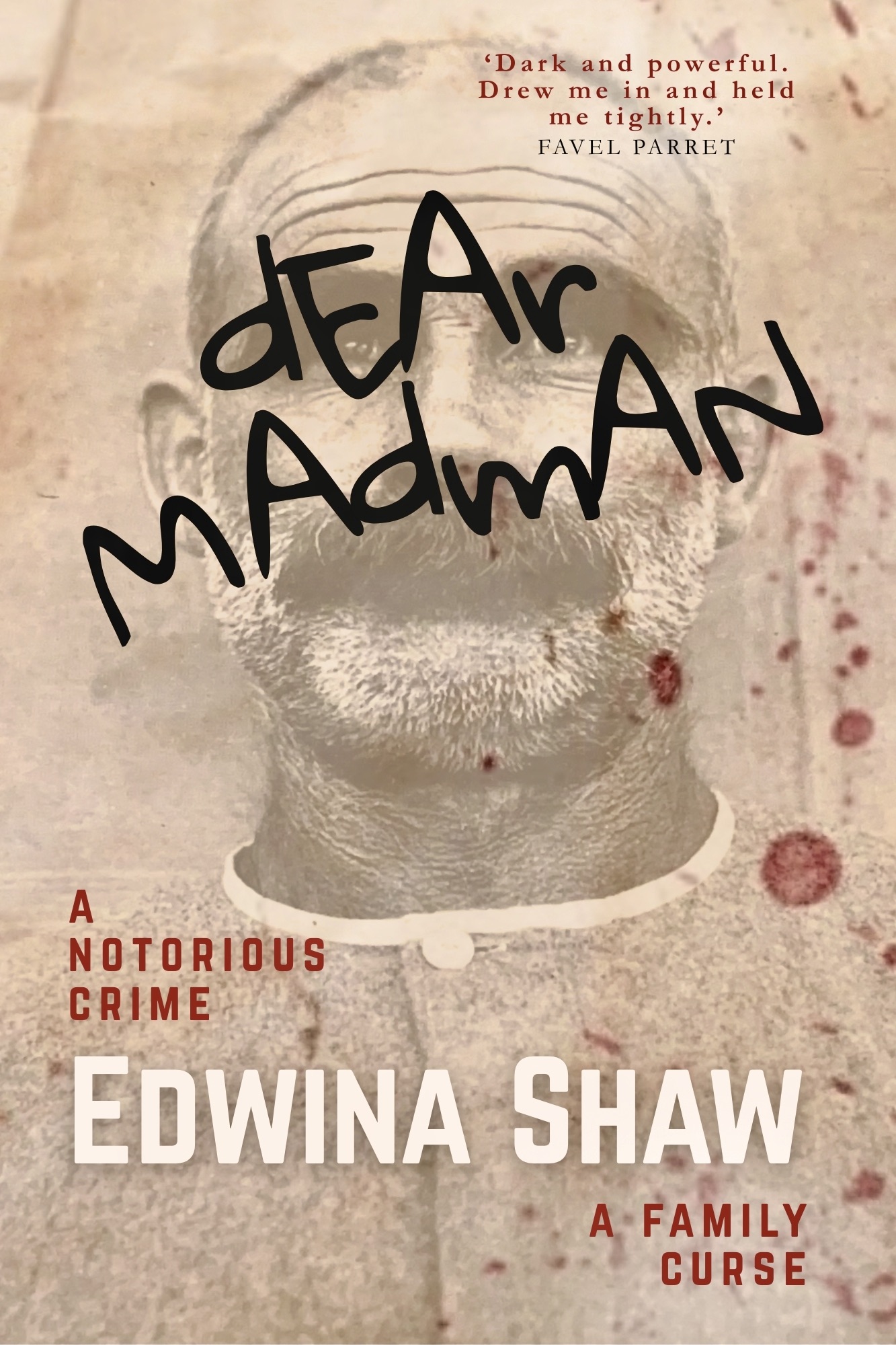
IDear Madman I again used three main strands. I like the balance three brings and often warn writers of the dangers of only using two focalisers. This results in a battle for supremacy, whereas three strands weave together easily, like a plait. The murderer Joe’s voice, came to me so strongly I had no choice but to take dictation of his flood of excuses, blame and hopelessness. His voice was so strong it was a fight to contain him and wrest back control of the book. I attempted to balance his first-person rant with a more subdued third person omniscient (this means going into multiple character’s viewpoints within the same section) strand of the family members, with each expressing the impact of this man’s presence and actions throughout. Still the book’s balance wasn’t there until I added the third strand, my own memoir voice, interpreting and reflecting on my research journey and the intergenerational effects of violent crime. 

HOW DO YOU CHOOSE YOUR POV CHARACTERS?

Who has the most to lose?
  1. Choose your protagonist – the character with a quest or question that must be answered. This character usually has the most to lose. Think about this throughout. What is at stake? What is the very worst that could happen to them? Make it worse.
  • Will you have an antagonist? Is there a human adversary to your main character? Getting inside their head will give an interesting depth and perspective. Why do these ‘bad’ guys do the bad things? What motivates them? (Every one of your characters has a goal, desires and dreams, even those without focaliser status)
  • Which other character’s perspective will bring the most nuance and insight to the story events? Find another character who loves, or hates, or is investigating one or both of the other focalisers. What will they bring to the story? 
Mother, daughter, child? What part does each voice play?

HOW MANY VOICES?

From experience I’d recommend three to five focalisers. More than this can become confusing for the reader, unless expertly managed. Beware of the two hander and that battle for supremacy – finding that balance is very tricky.

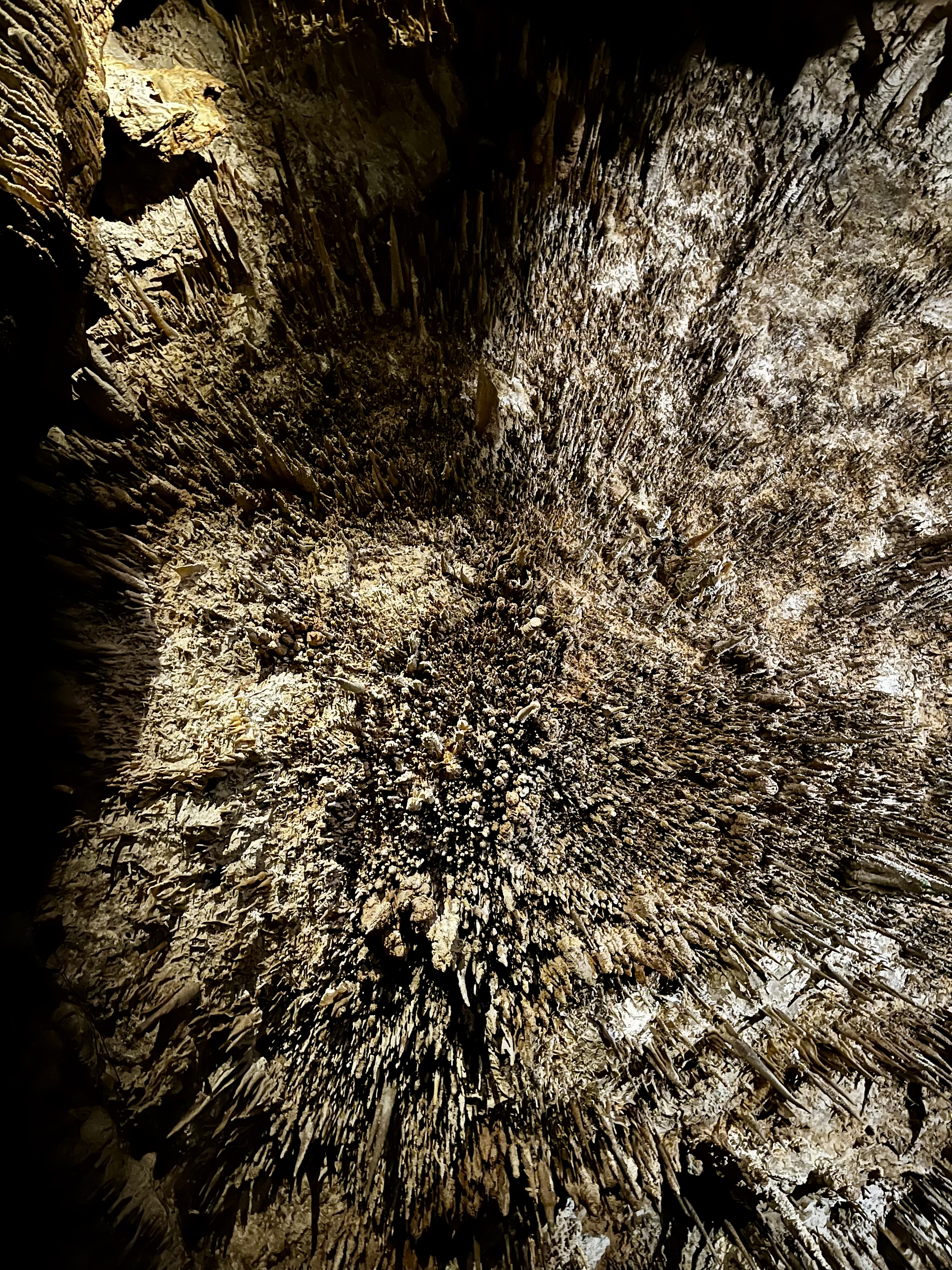
Cave ceiling without illumination

DIFFERENTIATING THE VOICES

A lot of commercial fiction these days separates different viewpoint third person POV sections in their own chapters. For example a story of three sisters around the death of their mother, which is told in chapters that alternate between the three perspectives. Even though they were brought up in the same family, culture and environment, each of these voices needs to be immediately recognisable. Their way of speaking, thinking and being in the world must show through in their chapters from the first line of each of their sections. A heading with their name at the top of the page isn’t enough.

Get to know your characters through daydreaming about them, collaging their worlds, doing lots of backstory writing about them, getting into their heads. Try my “Getting into Character” exercise for a great way to access their psychology. Differentiate each one with idiosyncratic ways of speaking and behaving. One may bulldoze over everyone else’s attempts to speak. Another may end every sentence with a question mark or start each one with “sorry”. Another may remain mostly silently but have the greatest insight into the hearts of the others and herself.

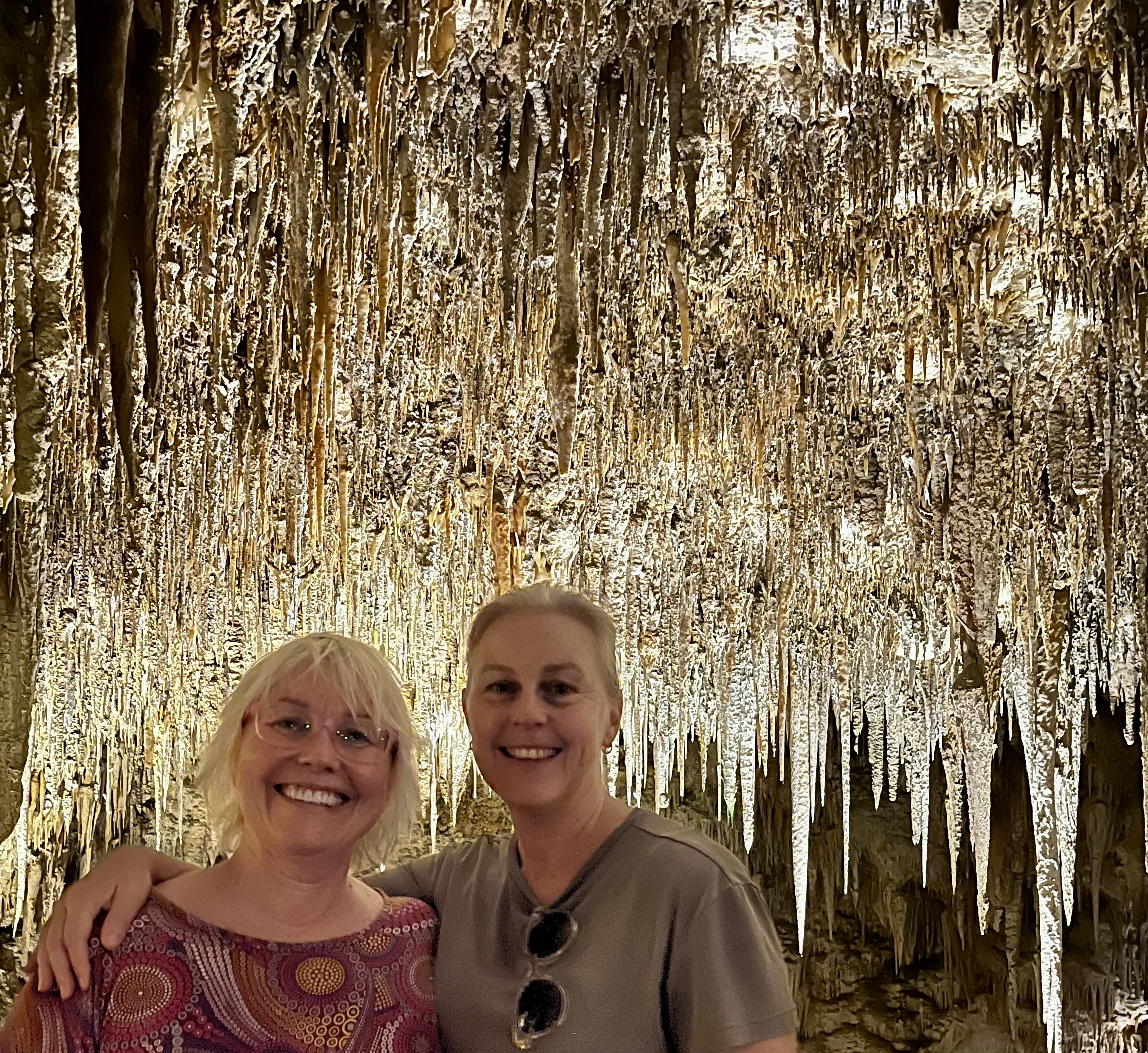
A change of perspective can bring new light to a situation and illuminate it! Same cave ceiling, different perspective!

Using multiple viewpoint characters is also very useful in shaping a suspenseful plot. One of the best pieces of advice I’ve received in my 24 years plus of writing, is “Don’t take the reader where they want to go.” End a scene on a cliffhanger – never solve a situation within a scene – then take the reader to the next POV character and flesh out their scene leading to another cliffhanger, then switch to the next POV and then finally back to our first character, resolve that dilemma and move onto the choice or cliffhanger and so on. 

In traditional memoir you are confined to the first person past tense voice of “I”, though even then we have “previous you” and “wise you now”. But you can also do as Kris Olsson did in Boy Lost and I did in Dear Madman, recreate scenes and characters from the past to provide other strands and viewpoints.

I hope that has demystified using multiple points of view a little. Any questions just ask!

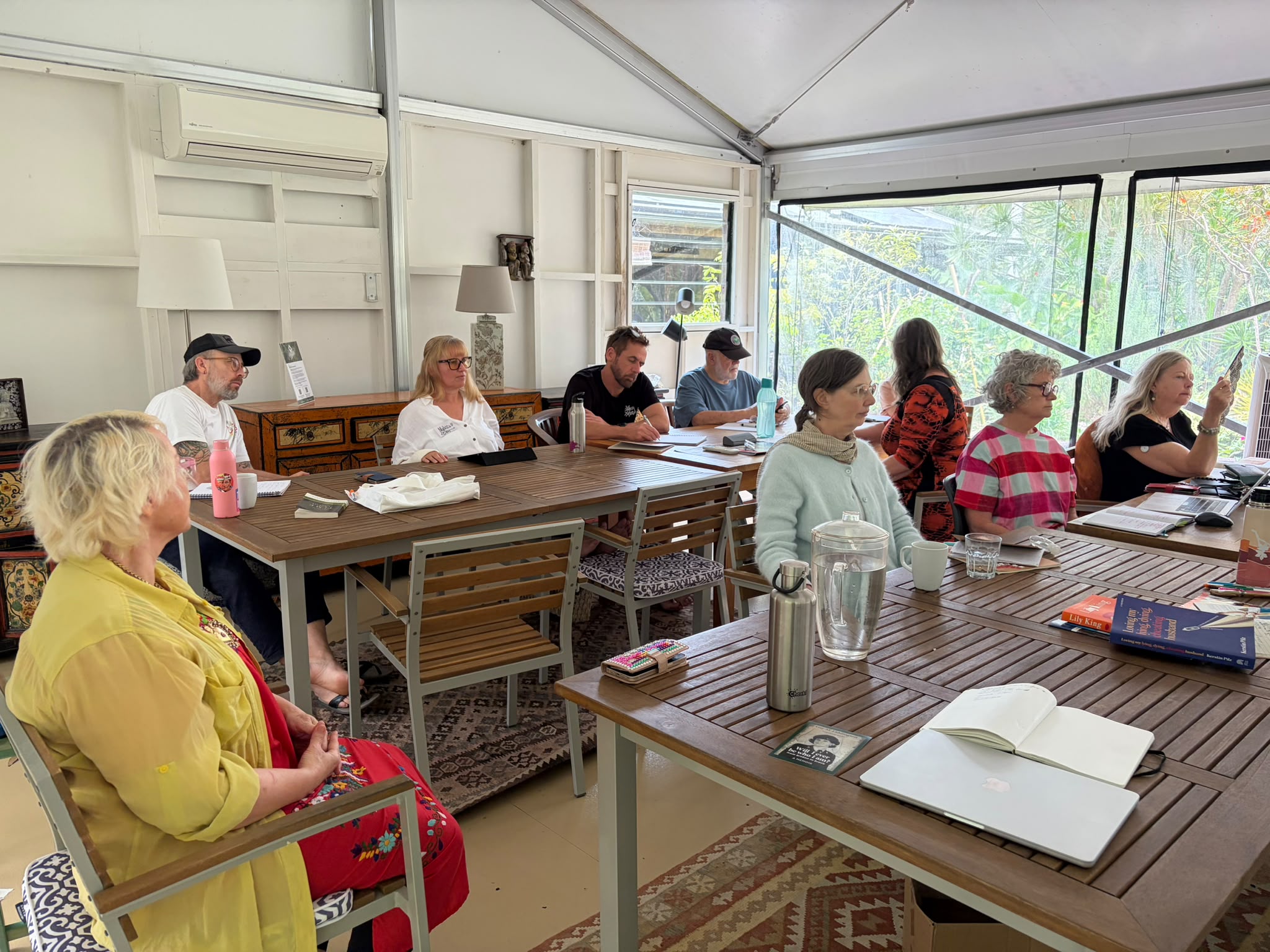
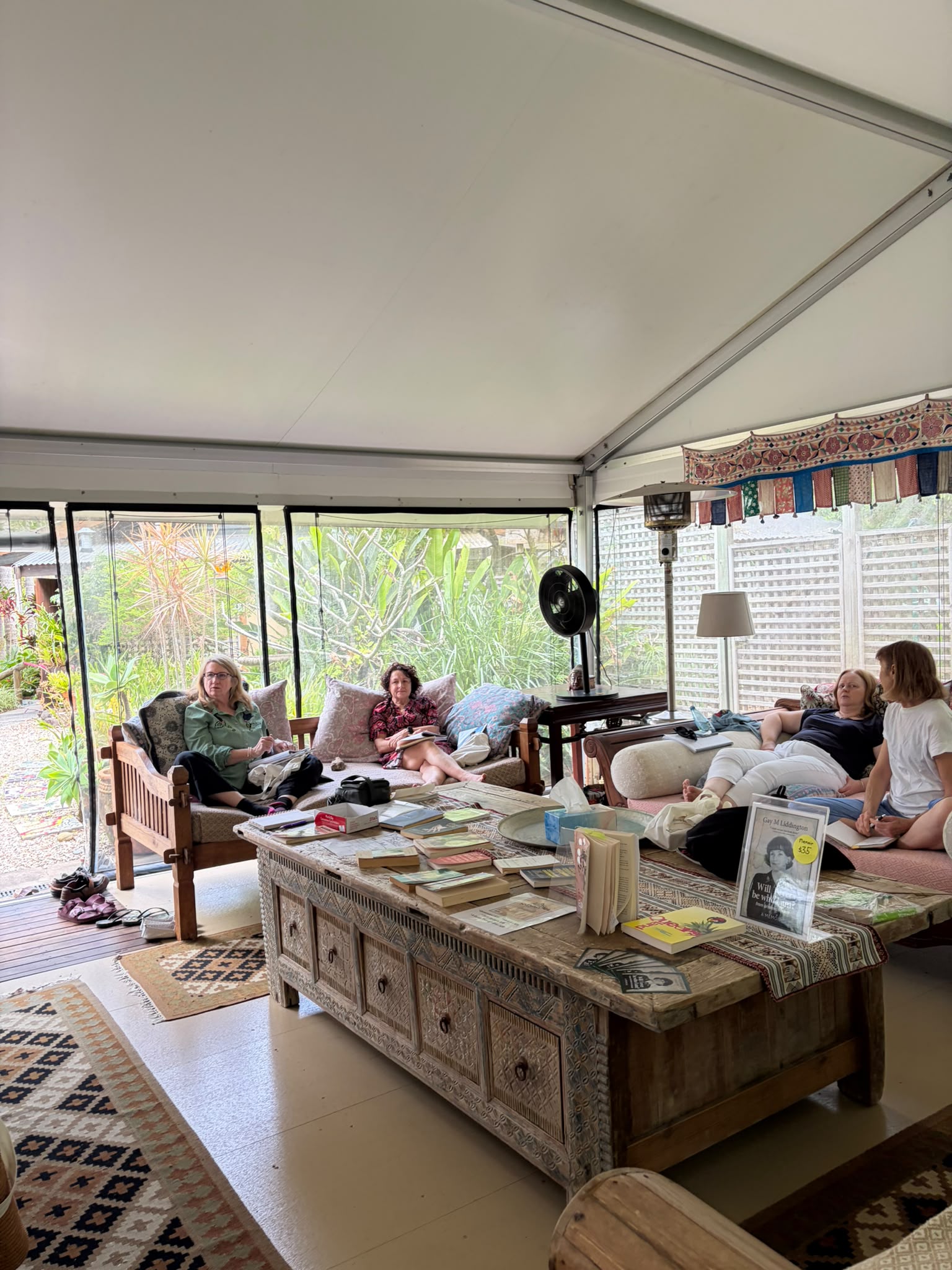
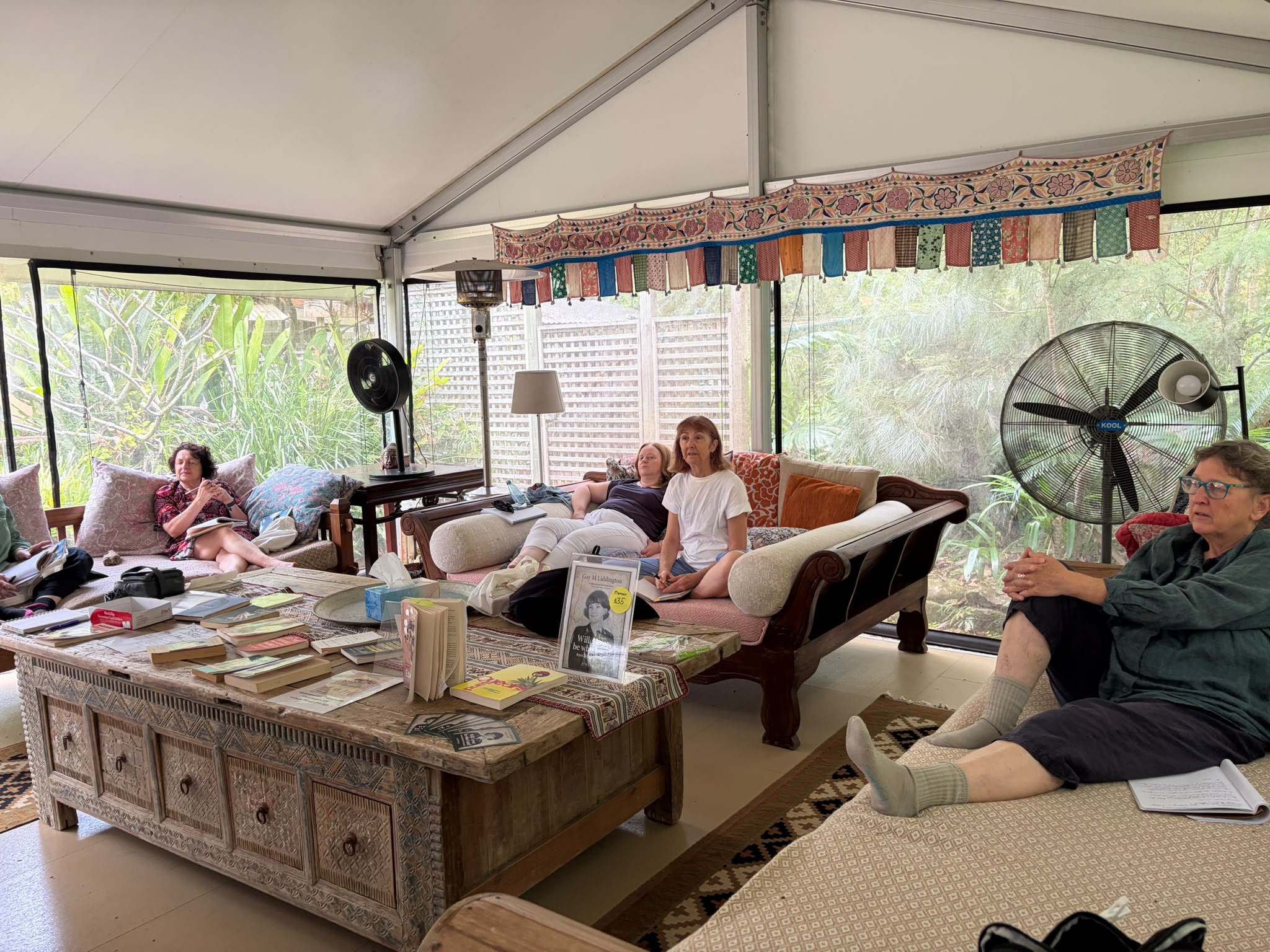
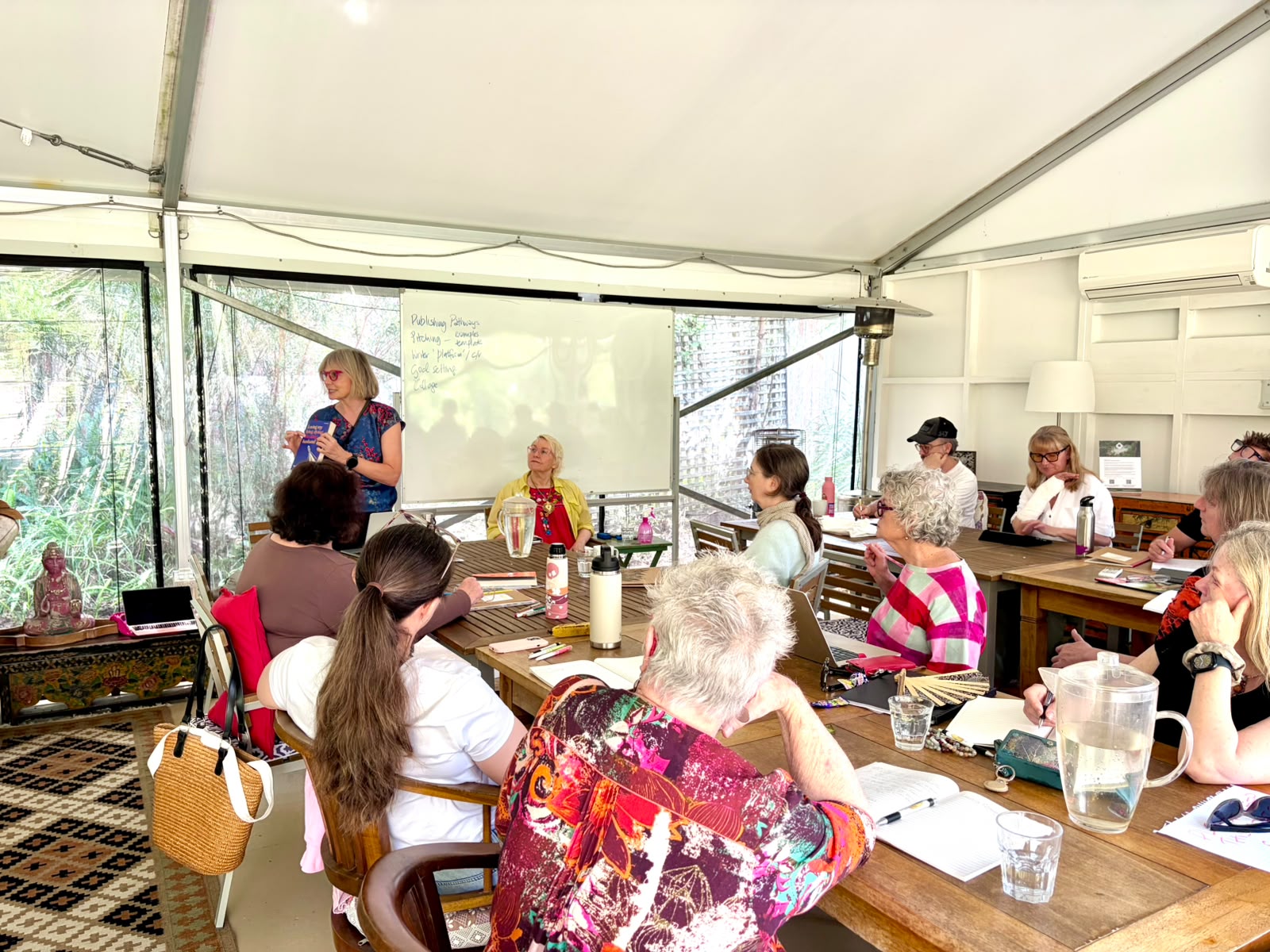
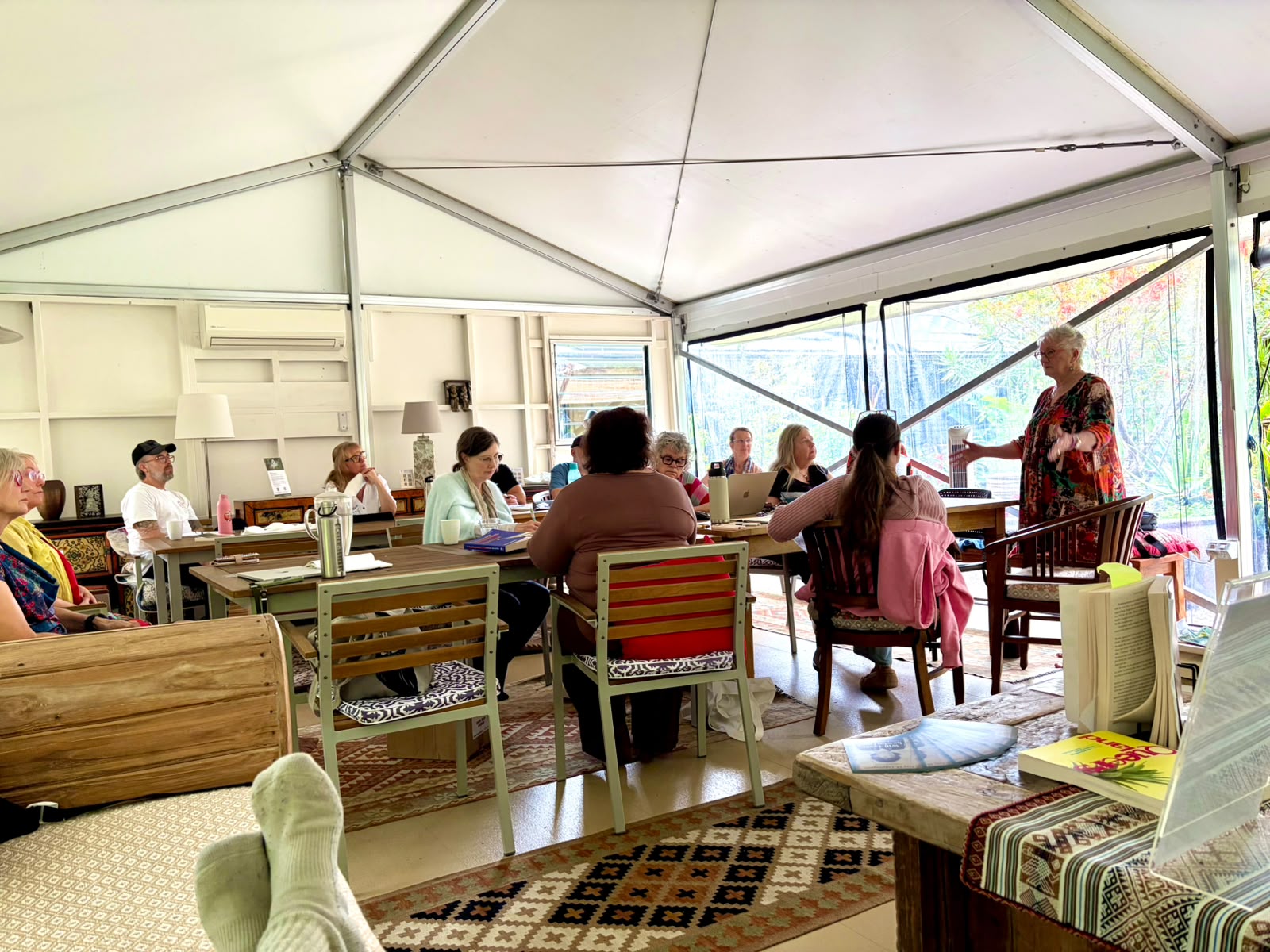
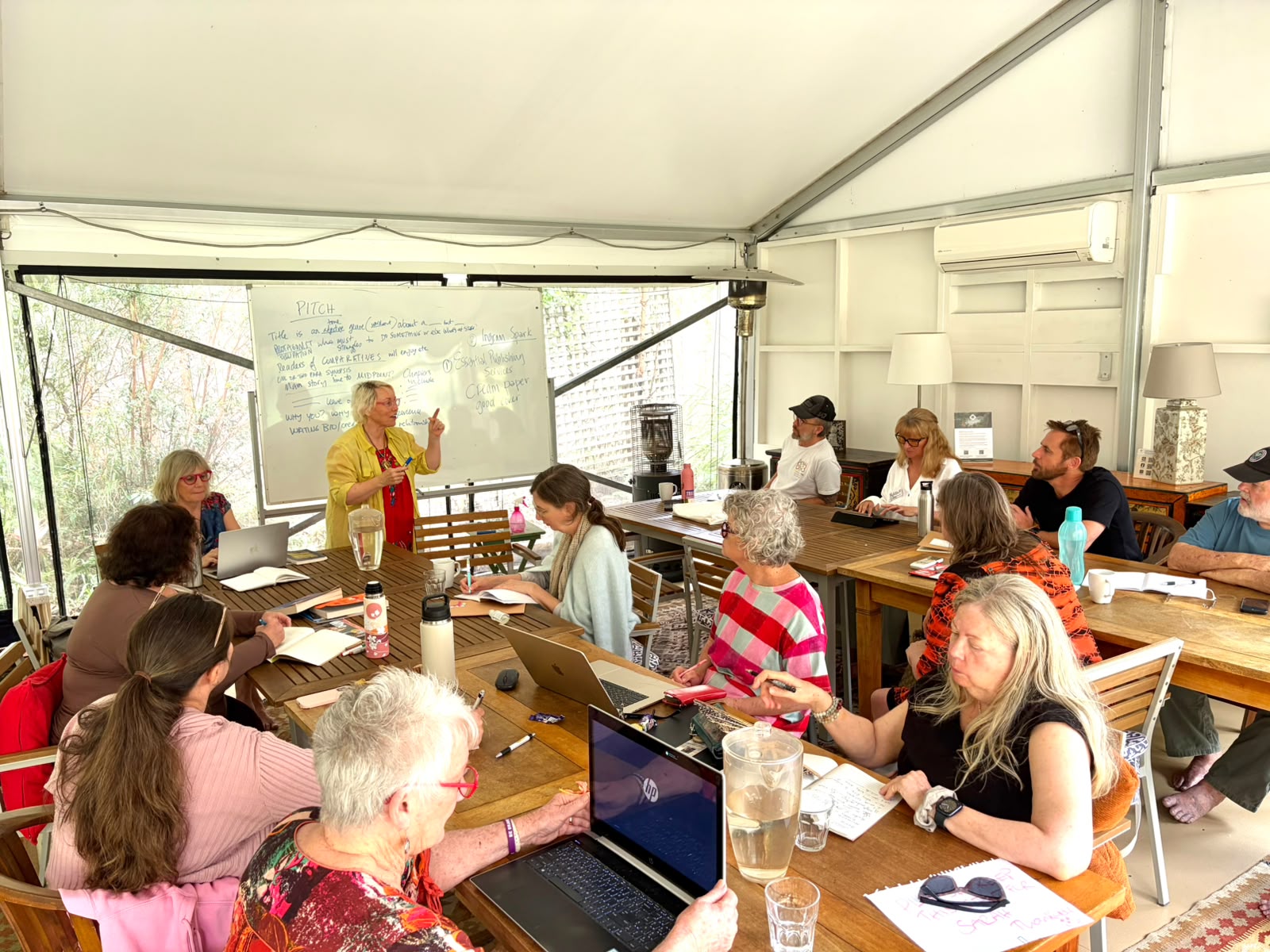
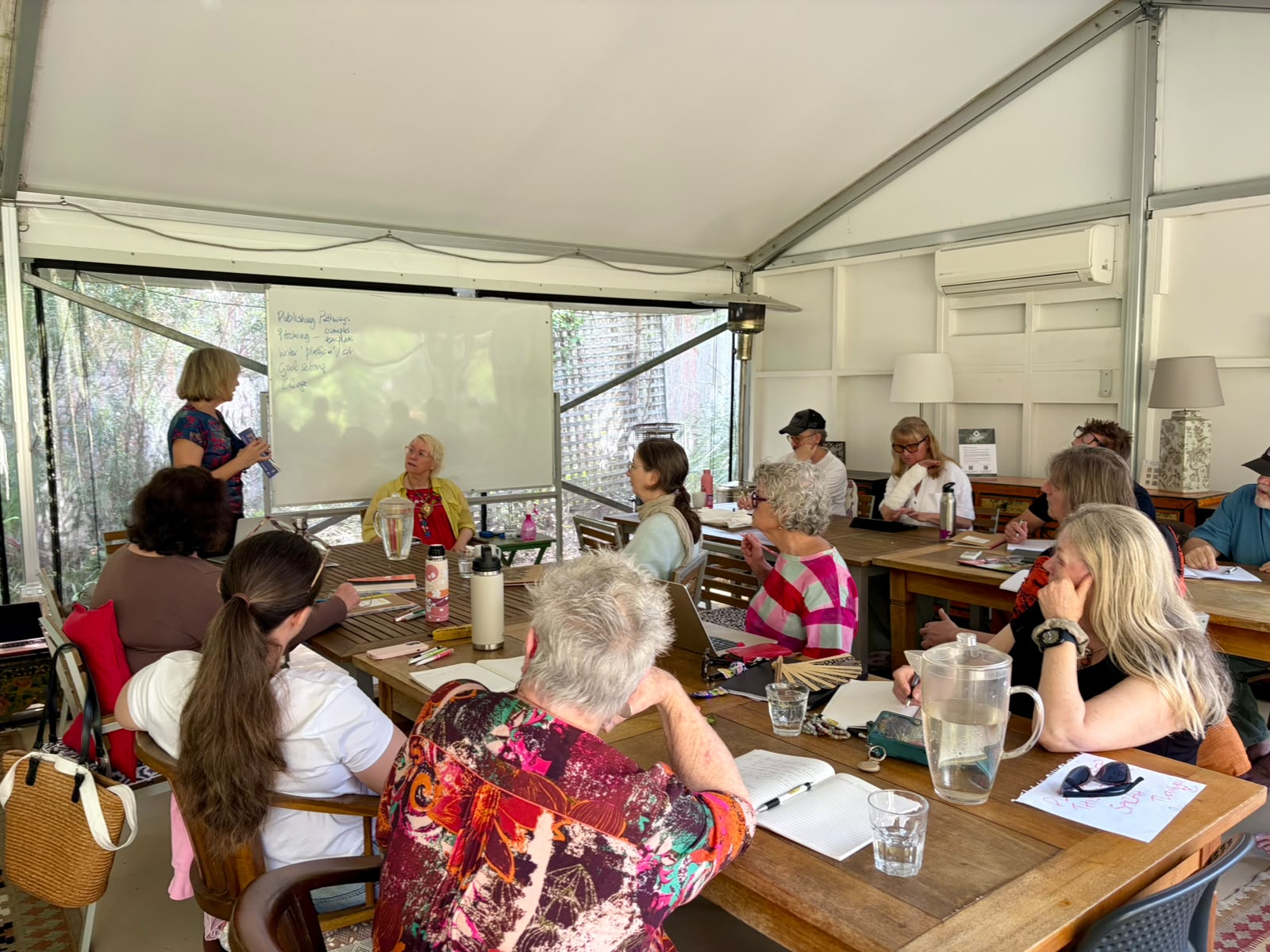
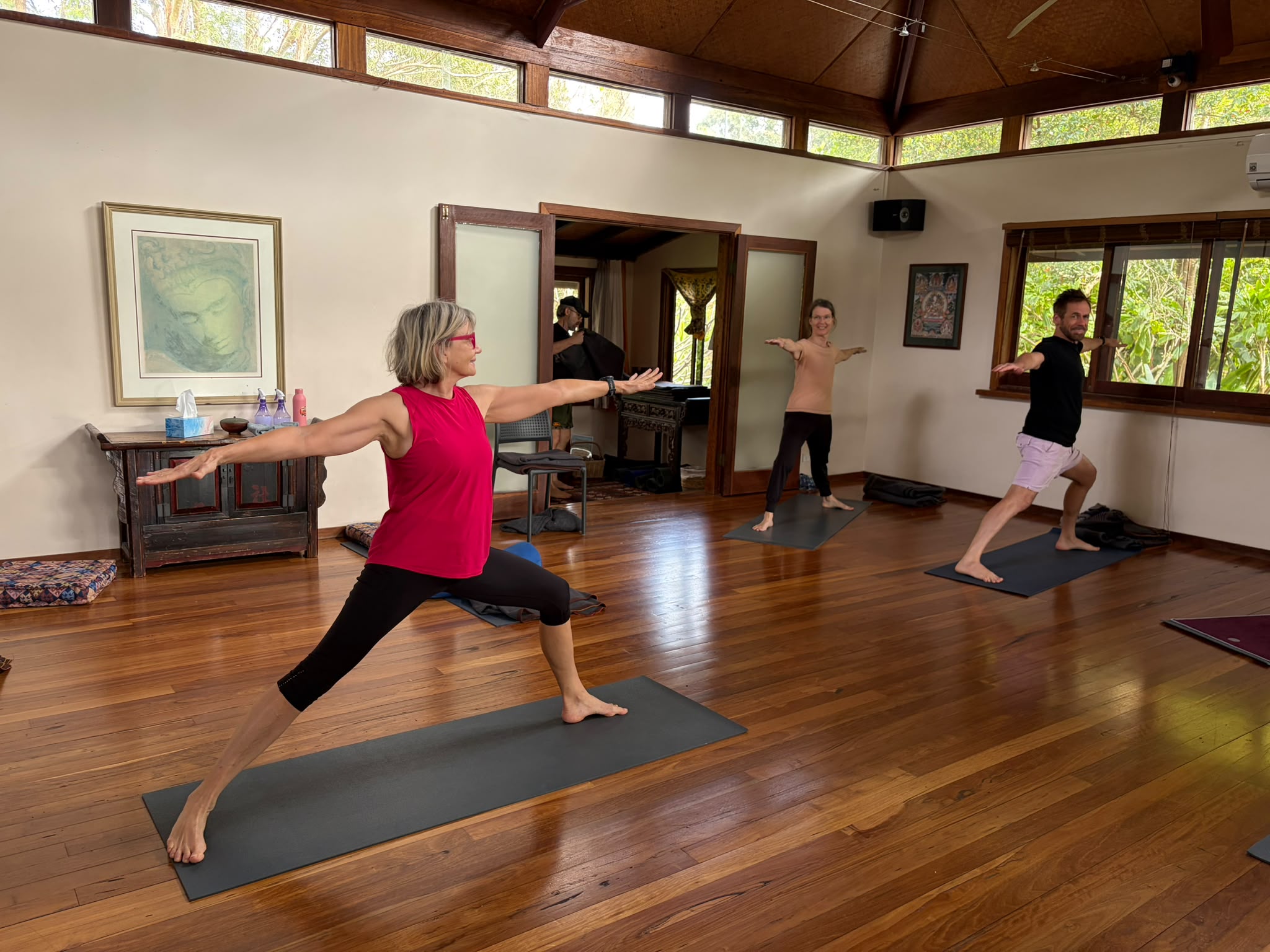
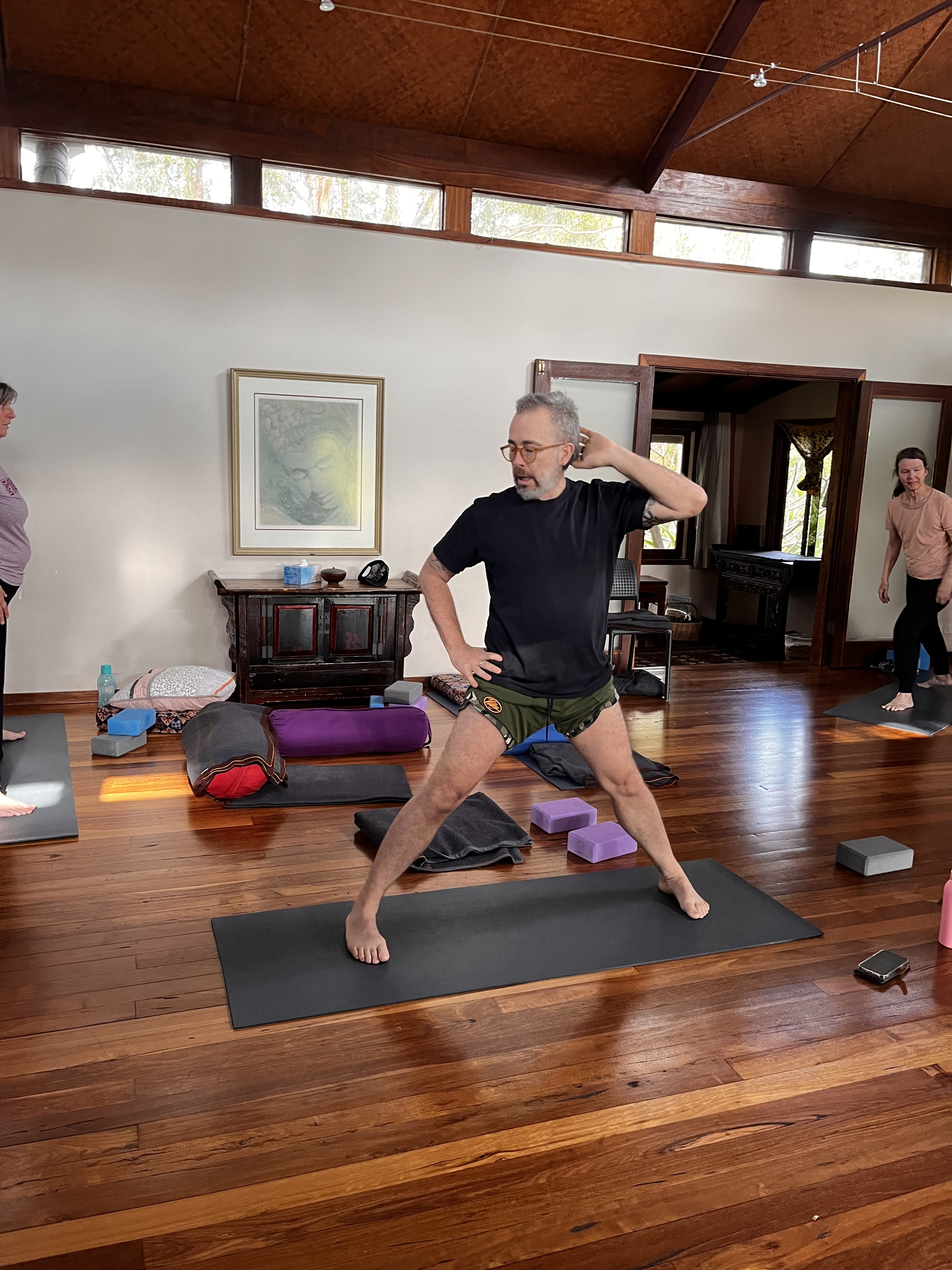
If you’d like to immerse yourself in your writing and learn more about the craft from me and the wonderful Kerstin Pilz in person, we still have a few rooms left for our September 19 – 24 Byron Bay Writing Retreat. Writers of all levels of experience and genders are welcome. If you have an ABN for your writing, all retreats are tax deductible! YES!

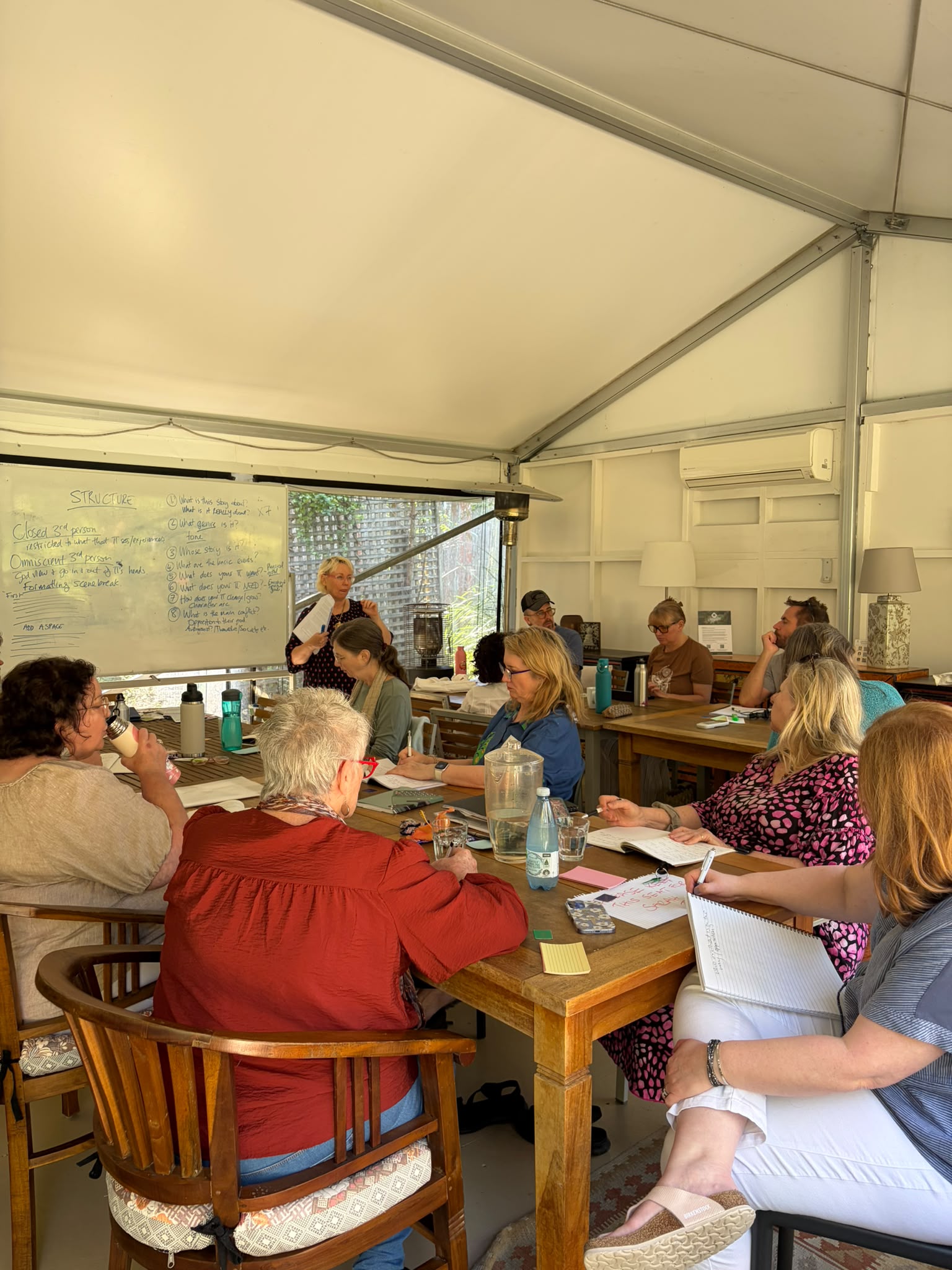
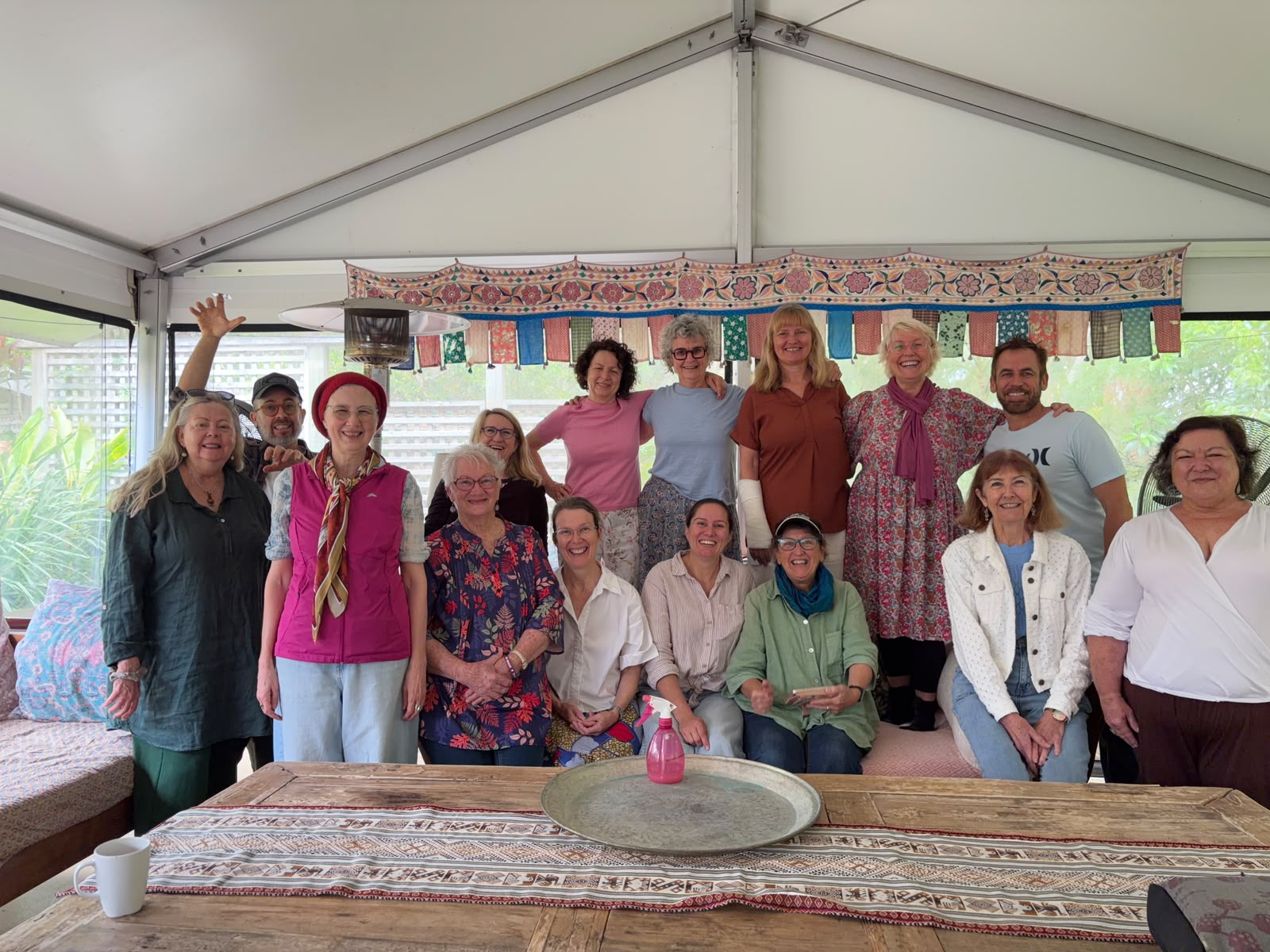
Workshops on retreat are lots of fun!

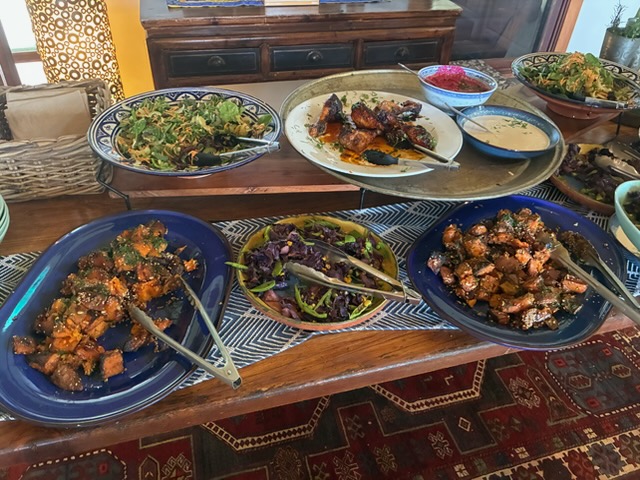
Bookings are now open for Blissful Bali 2027 and Italy 2027 too (one large single and one shared room – grab a writing friend for the holiday of a lifetime!).

In the meantime, write like the wind – wild and free and don’t let the bastards get you down!

Lots of love,

Edwina 🙂 xx

POST-PUBLICATION PLEASURES AND PERILS!

Edwina Shaw signing copies of Dear Madman
Signing copies of Dear Madman

Having your book published is one of life’s greatest joys for writers. All those years of invisible toil and people thinking you’re crazy feel worth it when your book is finally launched into the world. Yes! It feels great.

PLEASURES

The first day I held Dear Madman in my hot little hands, I read through it quickly and saw only typos including that dreaded ‘George goat’. But the next day when I picked it up again, then put it back down, I realised the greatest reward of publication. I could put it down! Properly. The story was no longer something I carried with me wherever I went, heavy on my mind, always thinking about it, something I missed, something to add, where to publish. As I placed the book back on my bedside table, it stayed there and I went on to do other things. I went back, the book was still there, real and outside myself. Separate. An entity of its own, finding its own way in the world. The weight of its burden lifted.

Publishing a book is often likened to having a baby, except I’ve never carried a baby inside me for 16 years! A book is born like a foal, ready to stand on its own. Yes, I still need to help it find its way, make sure it is seen, plan events and send it out for review. But now the book belongs to everyone; their imagination and experiences melding with mine through the text. A new creation with every new reader. Real life magic.

An email message praising Dear Madman all the way from Germany!
A lovely response from a distant German relative I’ve never met

Receiving responses from friends and even strangers who’ve read the book is a great post publication pleasure. I hope you feel this kind of recognition of your writing one day too. Thank you to those who’ve emailed me as soon as they’ve finished reading, filled with the story, faces still damp with tears. Thank you to those who also put up reviews on Goodreads, or told their friends, posted about it and shared. This support means the world to me and to all writers. If you’d like to help out and add a review, you can do so HERE.

Review of Dear Madman by Cass Moriarty, author.

Thank you to the wonderful and talented Cass Moriarty whose beautiful review made me see the book in a new way.

Books from small presses like AndAlso Books need this wonderful word of mouth to sell. Luckily, I’ve had over a decade’s experience in promoting and even distributing my own work. Thrill Seekers was published by a small UK press, so I had to push it uphill on my own. It went on to be shortlisted in the NSW literary awards. Although the book baby is born walking, it still needs the writer to make sure it’s visible. As I learnt with my Covid self-publishing experiment, A Guide Through Grief, no marketing equals no sales. No matter how well-intentioned and marketable the product. 

Other post-publication joys include getting reviews, as long as they’re good of course. I was thrilled to score a half page review in The Weekend Australian, sharing the spread with esteemed Queensland writer, the late, great David Malouf. Oh happy day! 

Another pleasure, for me, is doing related events at bookstores and libraries, even the Police Museum if you’re lucky like I was. Answering reader questions about your story, signing books and meeting enthusiastic readers is the best writing fun you can have when you’re not actually writing. Getting interview requests and being on podcasts and radio shows can also be fun. 

But beware, doing these events and interviews can feel very exposing. A lot of the above-mentioned pleasures have a peril side as well. 

PERILS

Yes, it’s great getting good reviews, but our brains seem to seek out even small negatives inside much greater positives and focus on those. Yes it was great getting the review in The Australian but the reviewer said there was too much “woo-woo”. I have 29, five-star reviews on Goodreads (thank you everyone!) and one four-star. Which one do I lie awake worrying about? Yup! 

The general rule is NOT to read reviews, but the good ones do feel good. If you’re extra sensitive – and let’s face it most writers are – then get a friend to take a look first and only show you the positive reviews. I love Gay’s idea of printing out every single good review and piece of positive feedback about her memoir Will I Ever Be Who I Am and sticking them on her wall. She’s up to ten full pages. 

A life of luxury with assistants

We don’t all have personal assistants to make sure we’re well taken care of. Be your own best friend and schedule breaks.

Other perils include burning out doing events. When you’re on the circuit, doing event after event, especially when it is a deeply personal work, as Dear Madman is, including a memoir strand, then it can all feel horribly exposing. Event after event talking about yourself and the book is exhausting. I’ve learnt to pace myself and leave gaps between gigs, but still, after a while you get sick of the sound of your own voice and wish someone else could do it for you. Taking really good care of yourself, doing your self-care rituals and practices daily is vital during this period of publicity. And if it’s all too much, pull the plug on an event or two. A few disappointed punters are far outweighed by your own wellbeing. 

Publishing any book feels like running around town in your undies, but publishing memoir is like running around town stark naked, or after a bad interview it can leave you feeling skinless. Muscles and nerves exposed to harsh light and judgements. Memoirists take note.

Edwina with her sister, mother and Nana in 1995

Keep loved ones close to keep you grounded. This is an old photo from 1994/5 of me with my beloved Nana (Nana Franny in Dear Madman), and beautiful sisters and Mum.

An interview I did a few weeks ago really shook me. An older fellow, ex-sportsman who usually interviews sports stars and musicians, suddenly had “woo-woo” me to interrogate. Questions he would never ask a man started our discussion. “Are you single?”, “Why did your marriage break up?”. Then he kept going for the sore points in search of ratings. When asked about resonances in my own life with the murderer’s story, I told him about my own father’s death, my brother’s mental illness, but he pushed on. “Wasn’t there a dead baby?”

Shocked by his audacity, I answered and continued the interview, but afterwards I felt sickened. Raw and vulnerable. Yes, it’s in the book, but mate, some things aren’t open for discussion with strangers.

Memoirs open you up to this kind of unwanted, intrusive and ugly line of questioning. Your life comes under examination. Not the work. Not the story. YOU. It’s not supposed to be like that, but it is. I comforted myself with the thought that all publicity is good publicity, but I now have some strict boundaries around what I will and won’t talk about publicly. I resisted including a memoir strand in Dear Madman for many years because of this kind of thing. Memoirists, be ready with boundaries around what you are happy to discuss and areas that are off limits.

Put up some boundaries around what you’re happy to discuss.

Pleasures far outweigh the perils in the long run. Learn how to manage the perils and stay sane through the publicity and exposure, how to print out those good reviews and bin the rest. Stick up for yourself and your right to privacy. Protect your sensitive self in interviews and make space for downtime between events.

Relish the joy of knowing your work is out there in the world finding its own way. Cherish the empty spaces available in your mind, now this huge burden of work has been released. Let yourself celebrate. This is a writer’s harvest time, so feast, frolic and be merry!

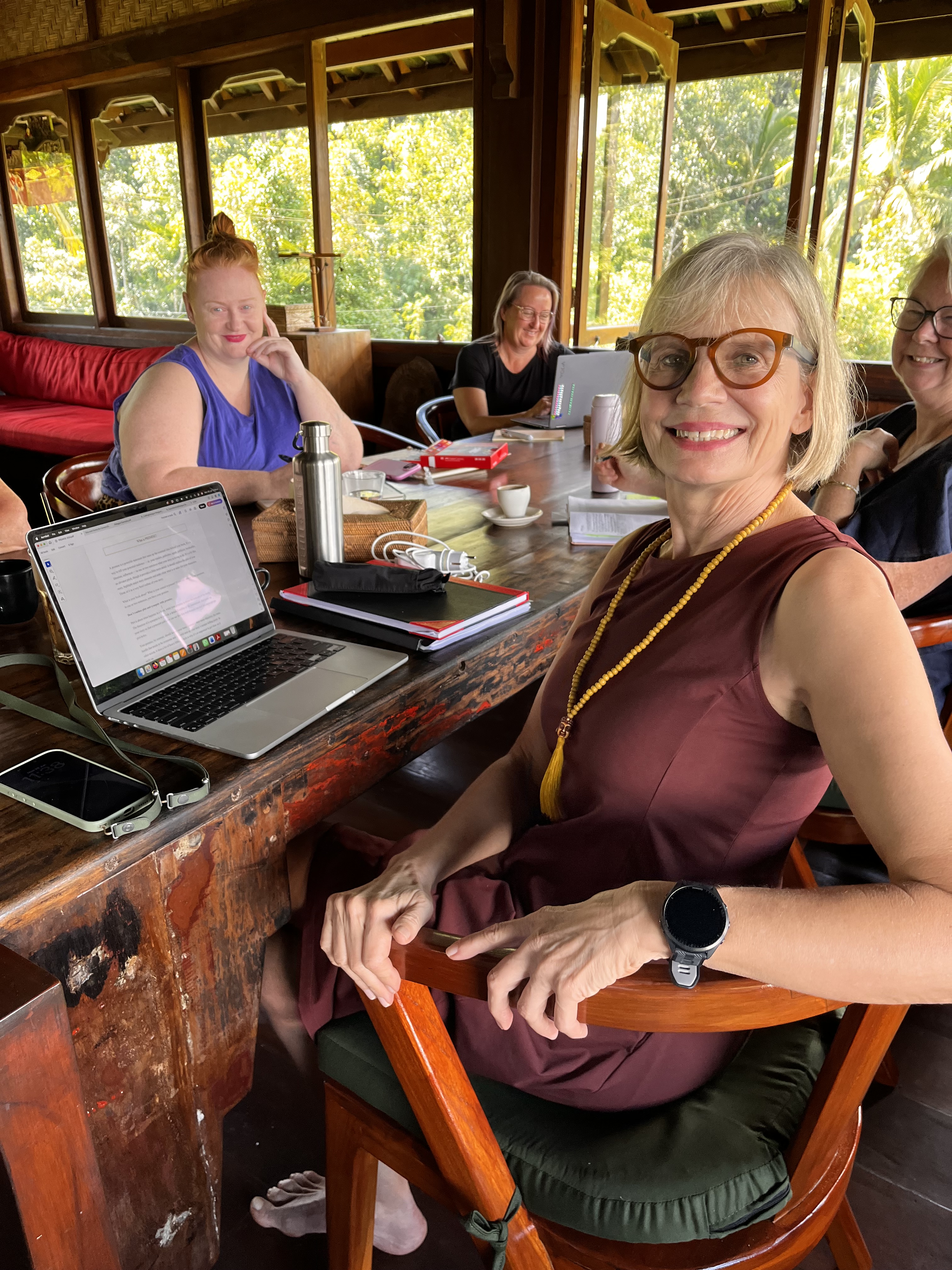
Writing buddies understand. With the delightful Nicky Peelgrane, Amanda O’Callaghan, Fiona Robertson and her lovely sister Julene. Keep your writing gang close.

Wishing you all the pleasures of publication and plenty of strength and courage to handle the perils.

Lots of love,

Edwina 🙂 xx

PS. Are you ready to tackle the next draft of your work in progress? Writing mojo need a reboot? Come along on retreat. Places still left for Springbrook in August and Byron Bay in September. A few rooms still available for Italy 2027 too 🙂 ALL THE INFO HERE