MARKETING TOOLKIT FOR WRITERS

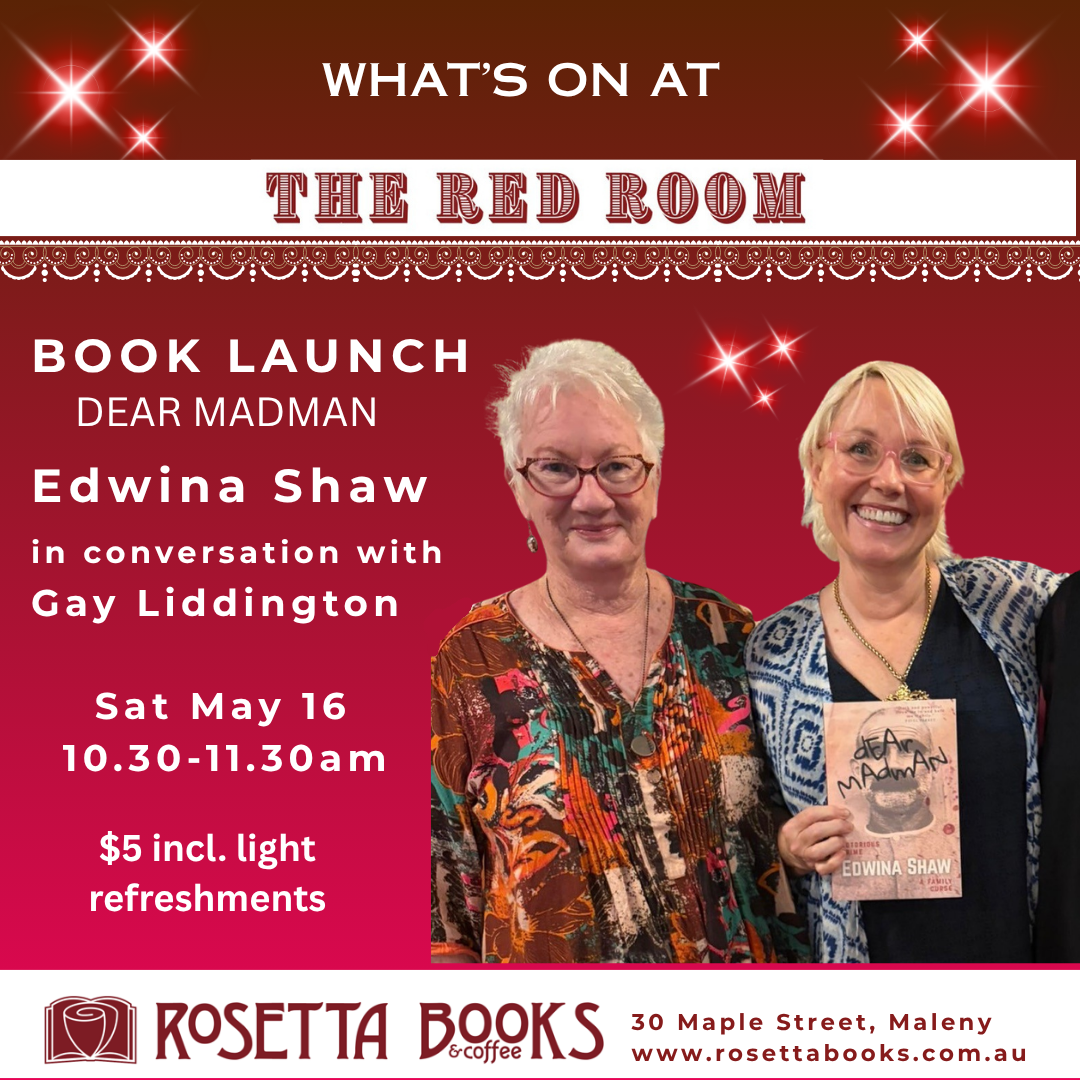
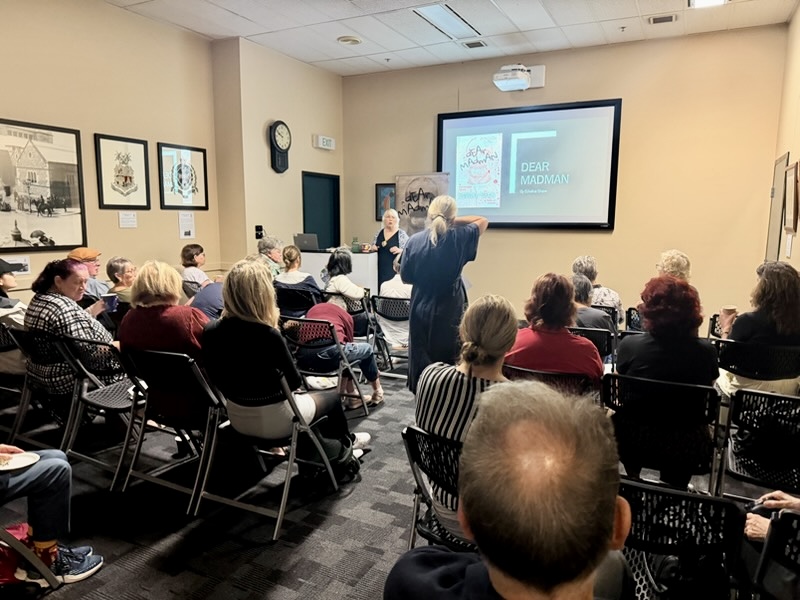
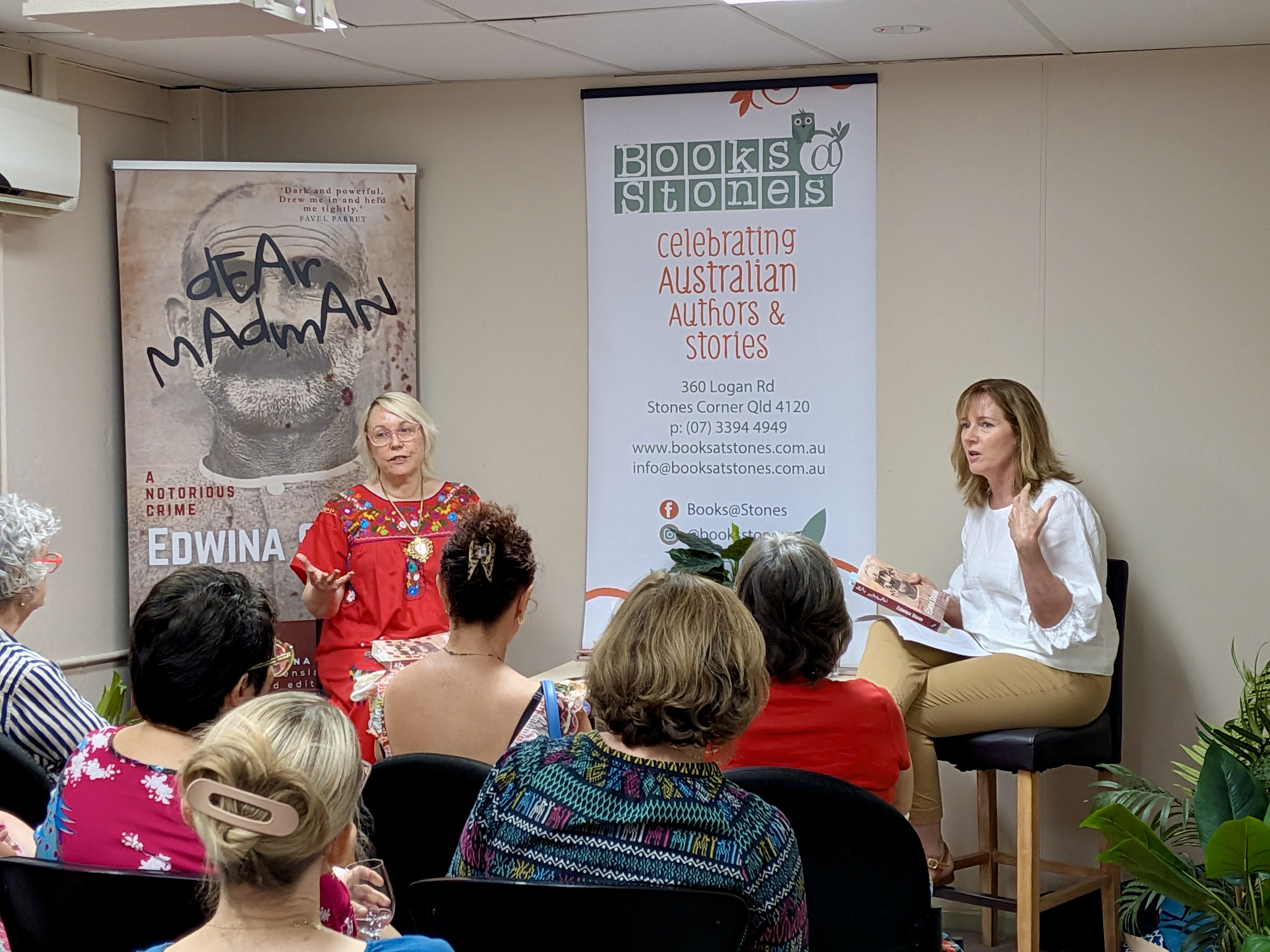
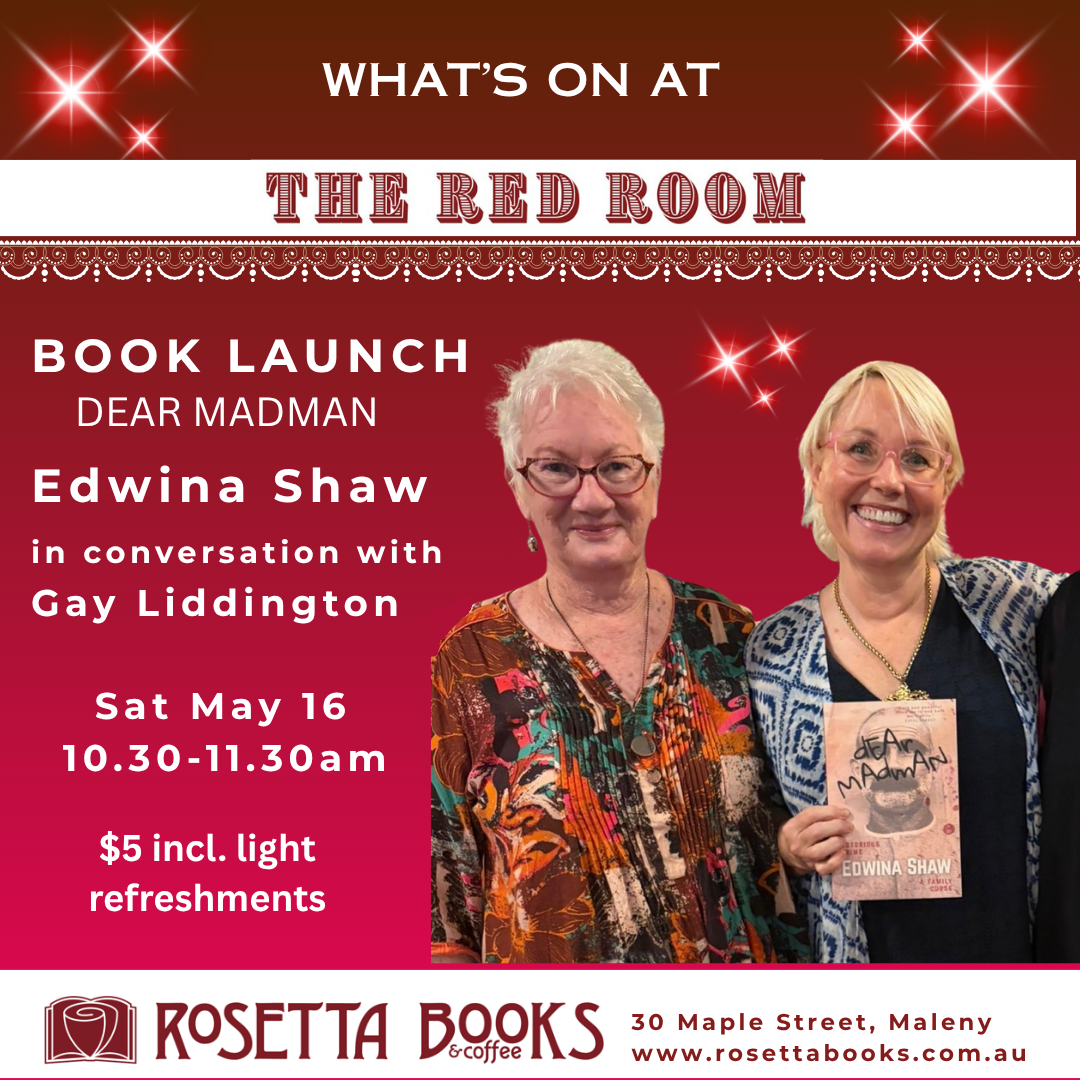
Advertising poster for Dear Madman book launch in Maleny at Rosetta Books

Whether you publish with one of the big trade publishers, a boutique publishing house or yourself, the writer still has to do the thing we all fear most – MARKETING!

Now, before you run screaming for the hills, take a deep breath. Yes, it’s horrible having to toot our own horns. (Yes, it does make you feel like a wanker in Australian vernacular). BUT you’ve spent all this time creating your beautiful book. In order to help it shine, you need to find readers.

Think of marketing less as selling, but as connecting your book with those people who’ll really love it. How will they find it if you don’t tell them about it? 

See? You’re doing good, helping people find something that will benefit them?

Feeling better about marketing yet?

See my post The Mystic, The Businesswoman and Me for more tips.

Just think of it as calling a lot of friends to tell them about your book – all at the same time!

Here’s my rough guide to marketing developed over 24 years of trial and error.

NOTE: You don’t have to do everything. If you find Instagram nauseating or would rather die than join TikTok, you don’t have to. Find what works for you, what you find easiest and work that room J

  1. AUTHOR PLATFORM 
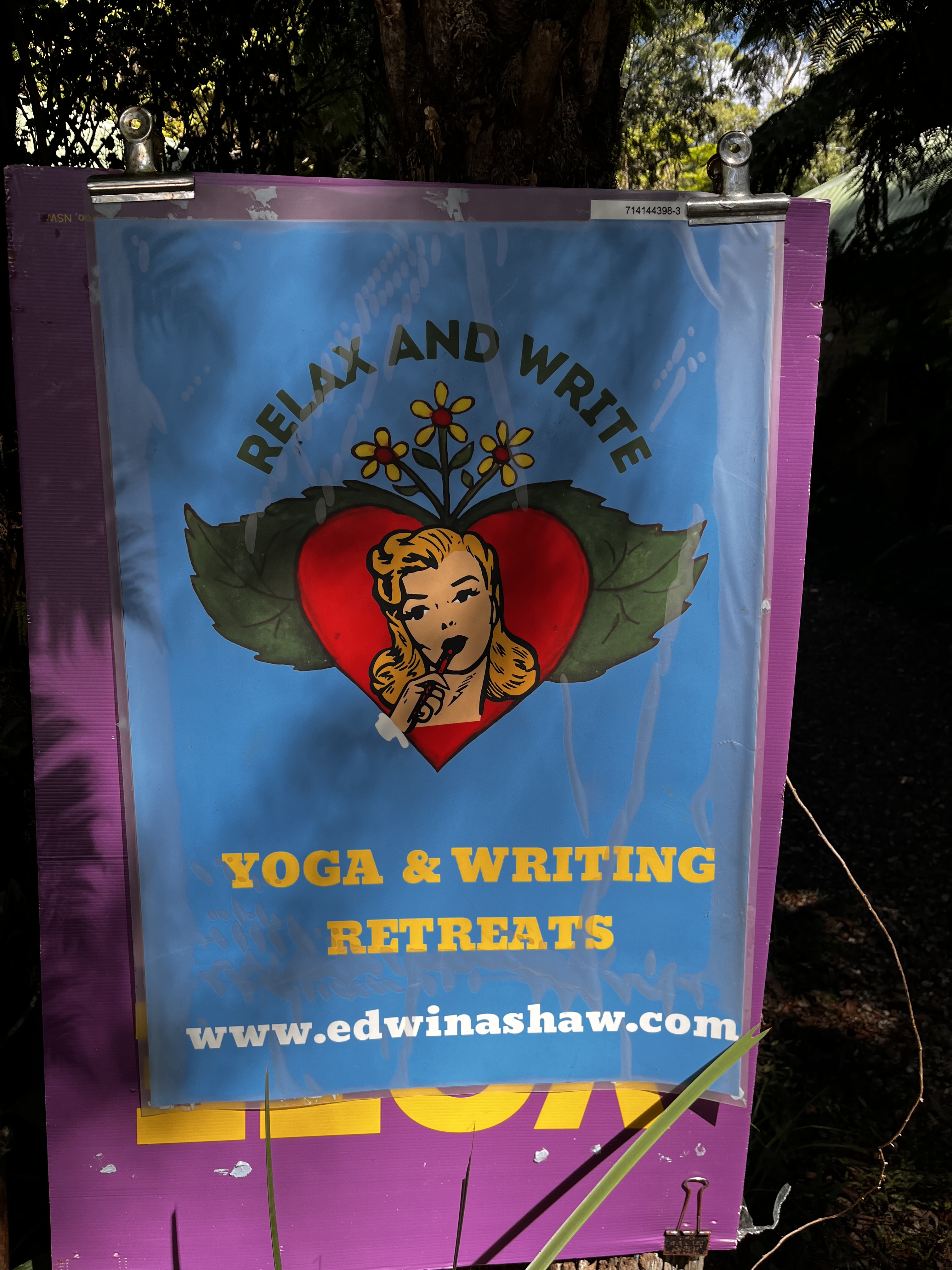
Relax and Write Retreats poster

I love my new logo and my bright blue colour scheme. Keeping this kind of branding in mind is important. Relax and Write is my business.

What the hell is it? These days whenever we pitch a book to potential publishers, they want to see that we have a ready audience. If you, for example, have a million followers on social media, you’re in like Flynn. If you have a professional reputation connected to your book subject, like my friend, writer and psychiatrist, Warren Ward who runs an eating disorder clinic and co-authored ReNourish a book about overcoming these illnesses, then you have a headstart too. Been on telly? Have a large community network? All these will help. 

You can create a website, or a Facebook Author page – somewhere that people can find you easily. You need some online presence to start building that “platform” as a writer.

If you’re just an average Joanne like me, then your platform may come from the work you’ve already published, any writing prizes you’ve won, even a favourable manuscript assessment. Keep a record of all publishing wins, writing courses you’ve attended, any praise of your writing. This is your WRITING CV. Keep going long enough like I have, and it all adds up.

  • NETWORKING

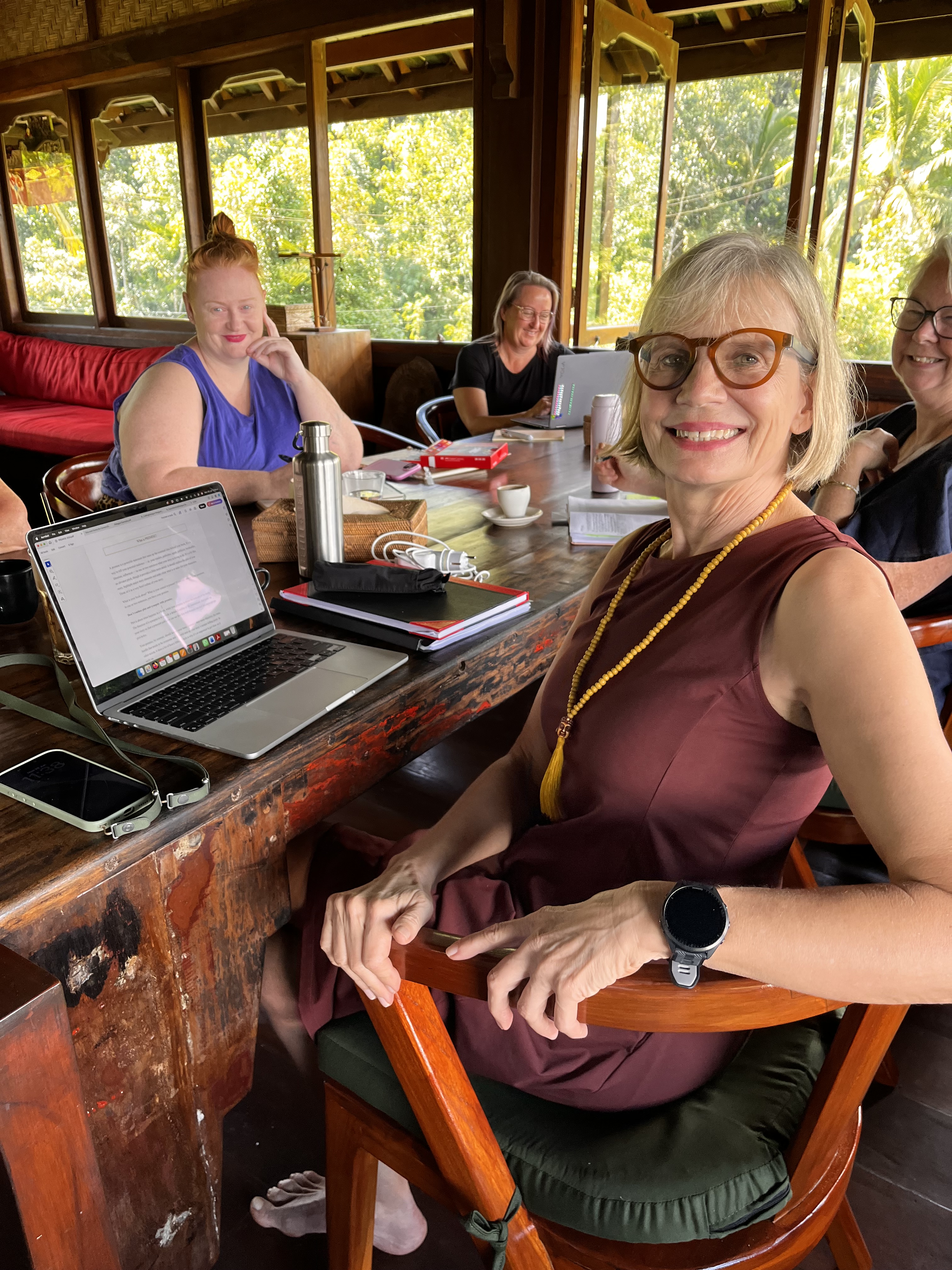
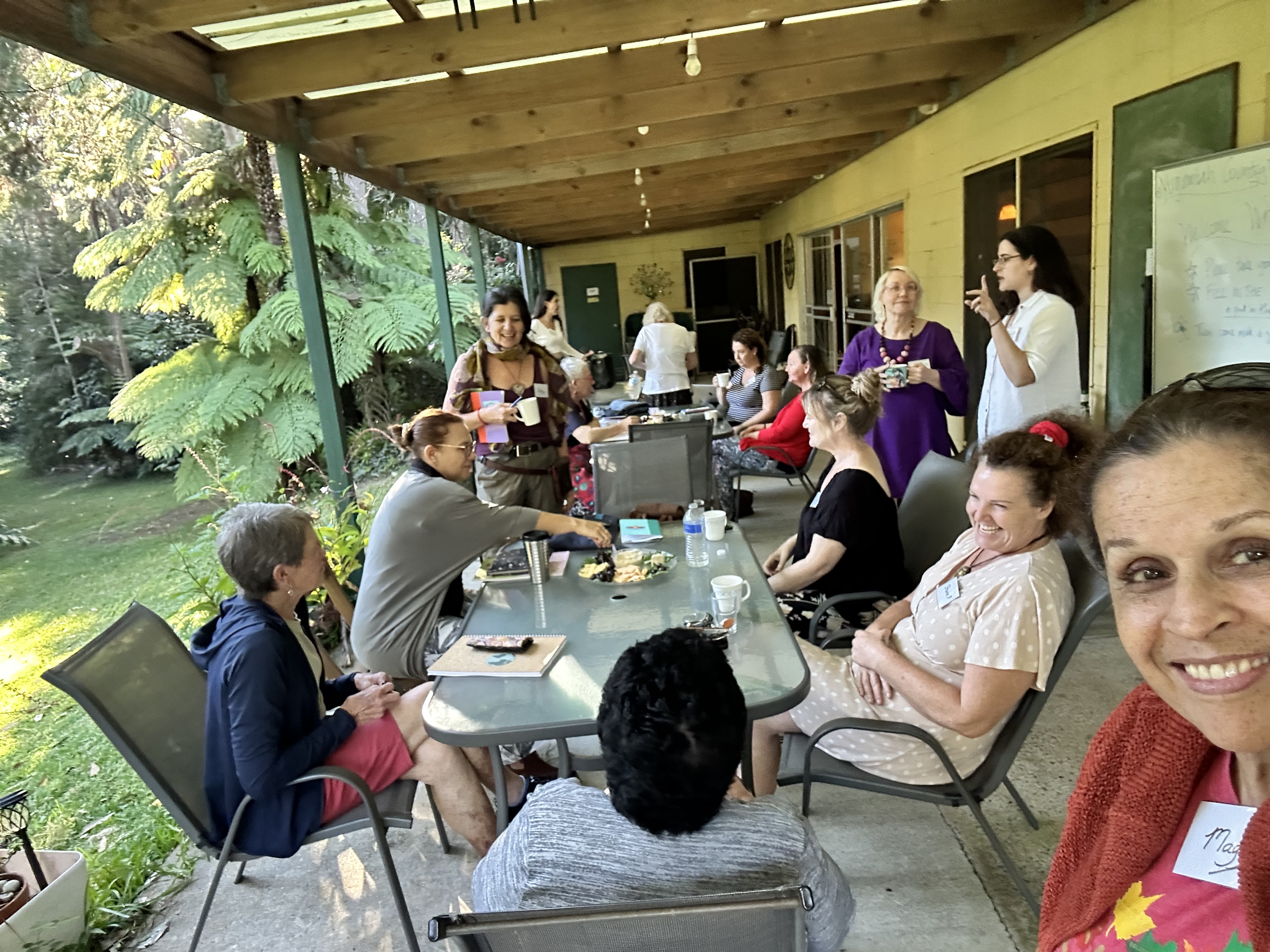
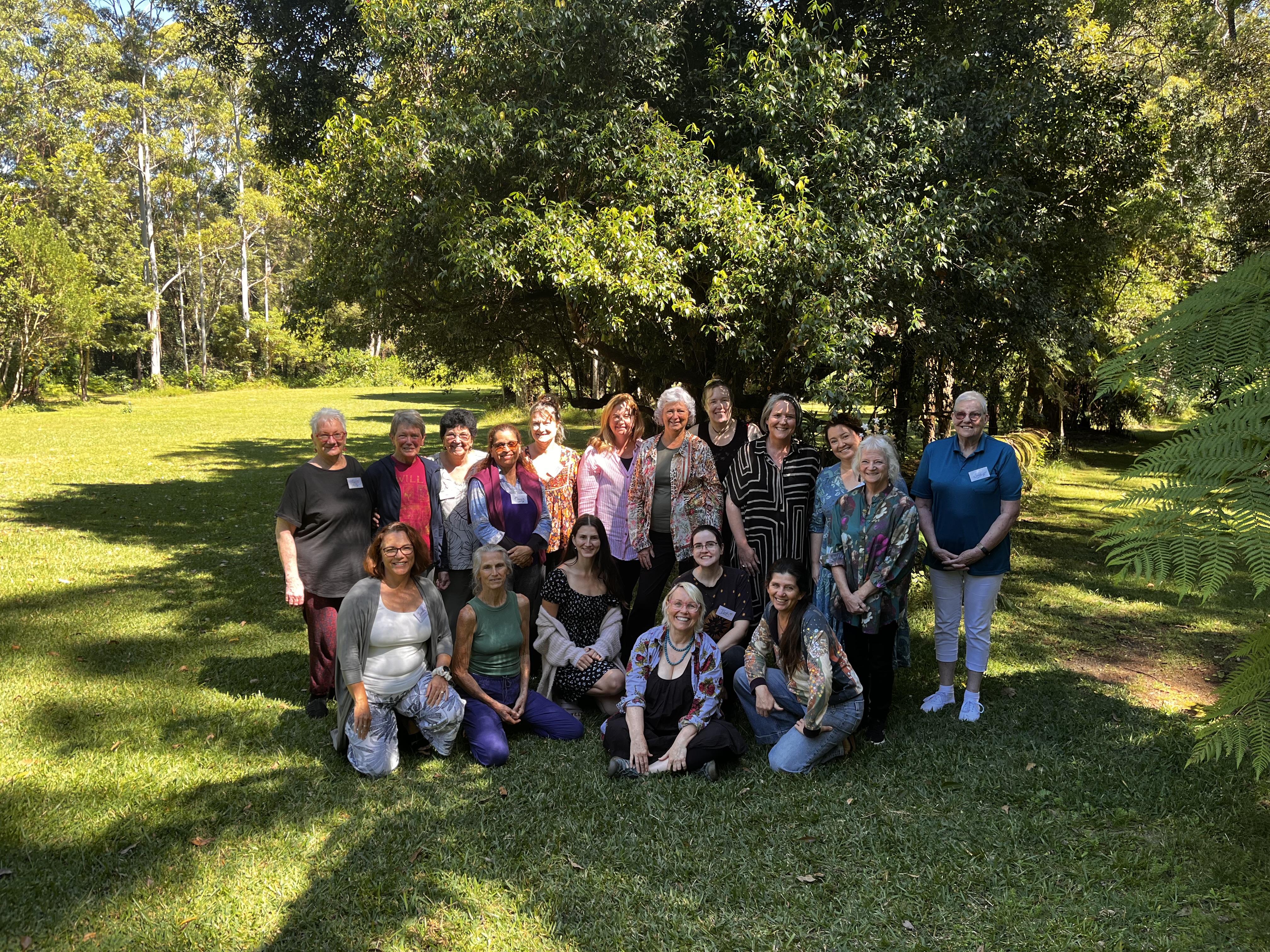
Who knew that hanging out with fellow writers was actually “networking”? Photo of retreat guests in April by Maggie Cardona

The very thought of “networking” used to give me the heebeegeebees! But again, there are ways to work around the fear. Don’t force yourself to do an event where you have to speed date 20 new people and sell yourself/book, that will have even the most extroverted writer shivering in her boots.

But, how about attending a writers’ festival and chatting to the people next to you? How about joining a QWC Writing Friday to write in company and meet other writers? How about joining a writers’ group to share feedback, or coming along on a retreat? Meeting people more organically around our shared interest in writing isn’t so scary. Think Bookclubs, Women’s groups, Sip and Write events. Let’s face it most writers are dags at heart, and not scary at all. 

You can join other clubs or groups around the topic of your book as well. Get to know people and just be your usual lovely self. That’s networking! That’s not so scary now, is it?

  • SOCIAL MEDIA

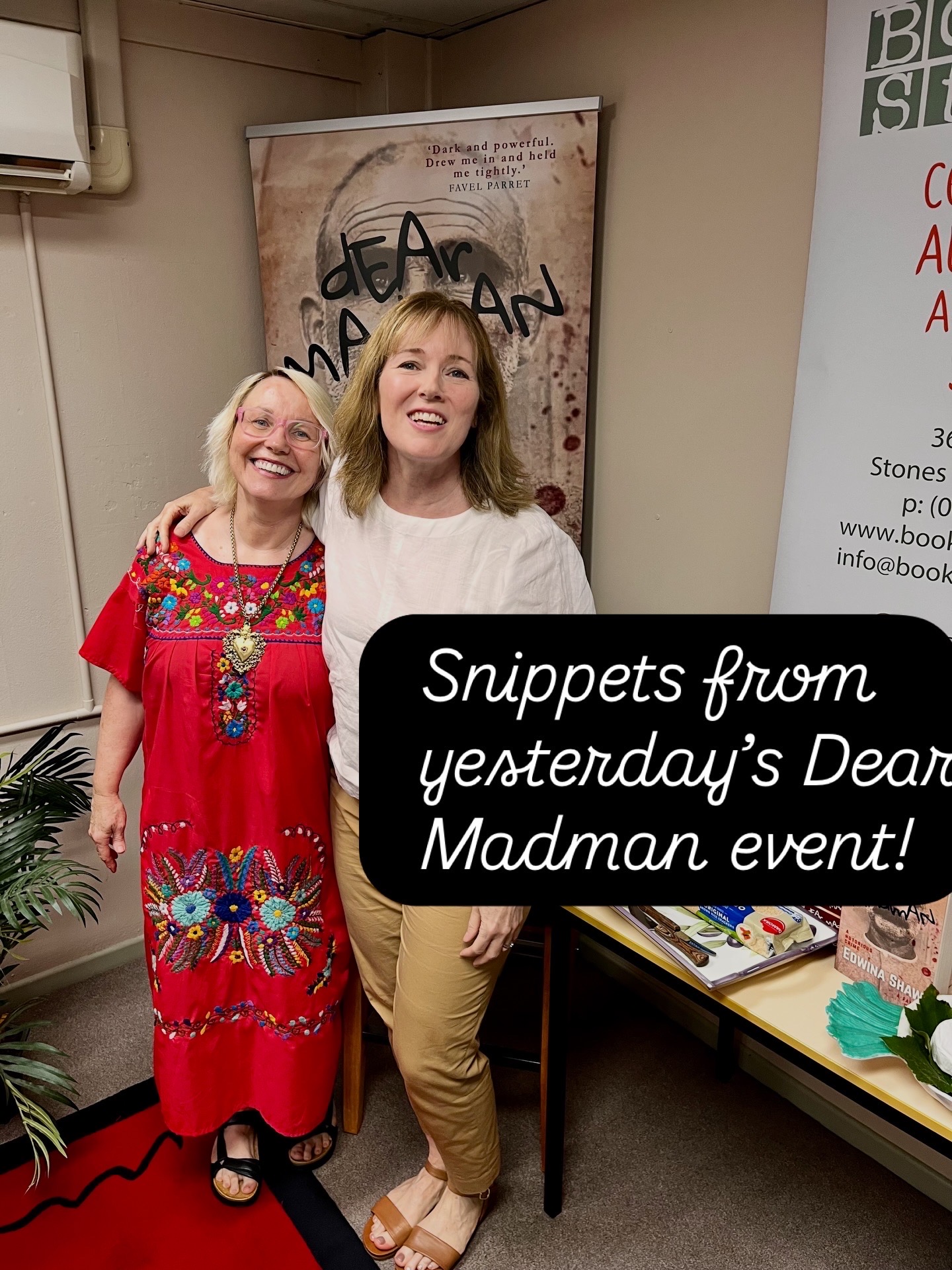
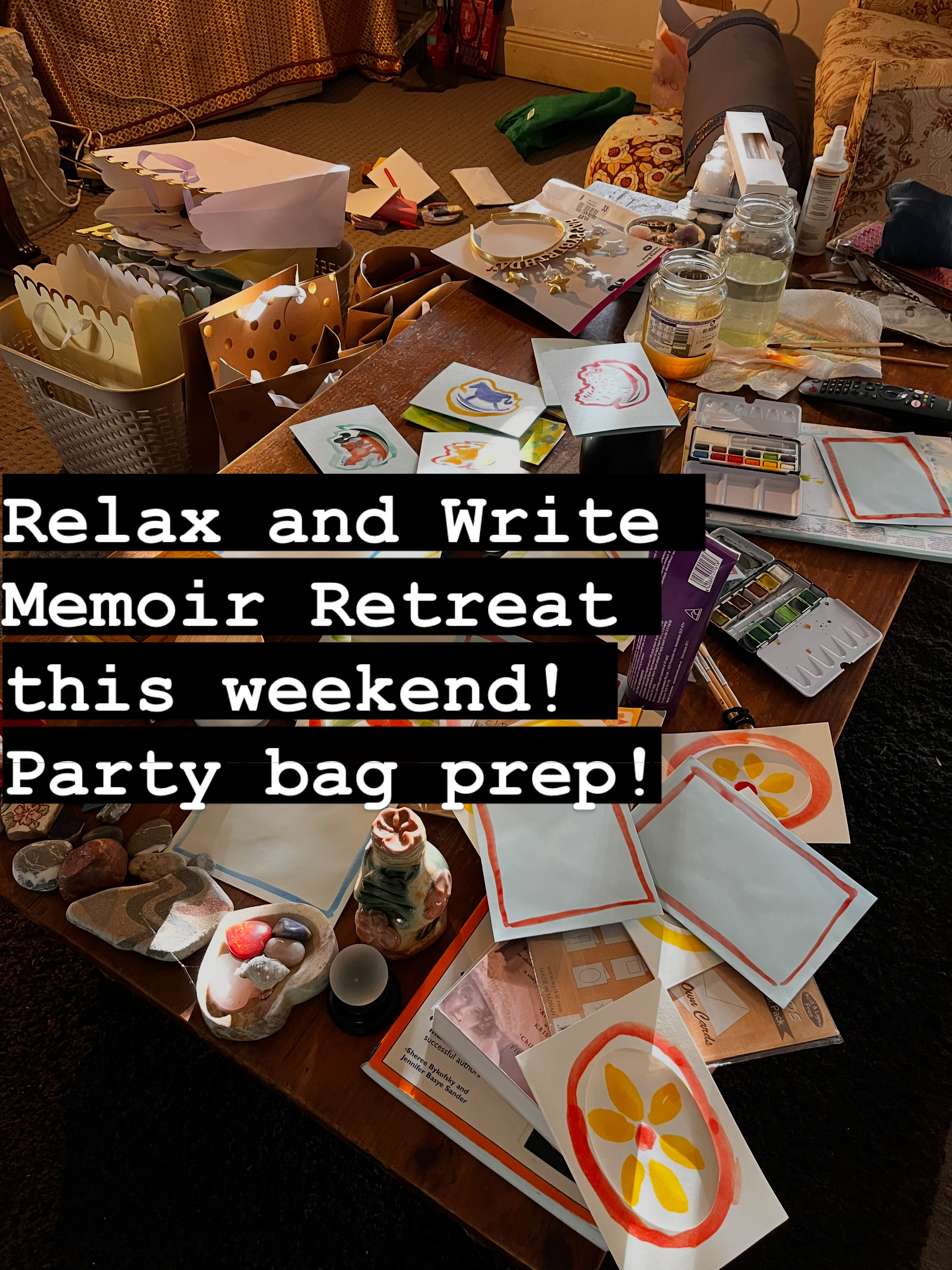
A couple of my recent Instagram posts. You can follow me at https://www.instagram.com/edwinashawauthor/

Love it or hate it, social media is here to stay and is your most powerful marketing tool.

Here are some great tips from Gay Liddington – author of Will I Ever Be Who I Am and chief cookie at my local retreats. Long before her book was published, or even finished, Gay joined and engaged with lots of Facebook groups related to her memoir. She joined writers’ groups and pages that spoke to her topics – family violence, military and historical sites, taking every opportunity to mention her memoir title or to post an excerpt, thereby gaining interest. She was also mindful to comment on other posts to keep her name out there. ‘It’s important to read group rules before joining as some don’t allow for self-promotion, or you may only promote on certain days,’ says Gay.  

Often Gay will post in a group about a topic and include a photo or some text from her book. No link. Just the title. And people start asking, “Where can I buy it?”

Find some related groups and start interacting – not just promoting. Give and receive.

Instagram is my social media of choice these days after multiple scammer episodes on Facebook saw me lose all my followers. I like Instagram because it’s mainly images and videos. I’ve recently bitten the bullet and have done some face to camera reels. Surprisingly they had a greater reach than other posts! So don’t be scared. If we go on warts, wrinkles and all they know we’re real, and not AI. Reels have the best reach.

Booktokkers can go far. I haven’t come at TikTok yet though. But it might be just right for you. 

My main message is, park your sensitive sausage self, and start posting on whatever platform feels least threatening. Post short excerpts, not too much! Post related images. Connect with others. And if you get a yucky comment – delete and block them. Just post, keep posting and don’t look back!

Help other writers by commenting on their posts and sharing them. They may do the same for you one day.

  • NEWSLETTERS

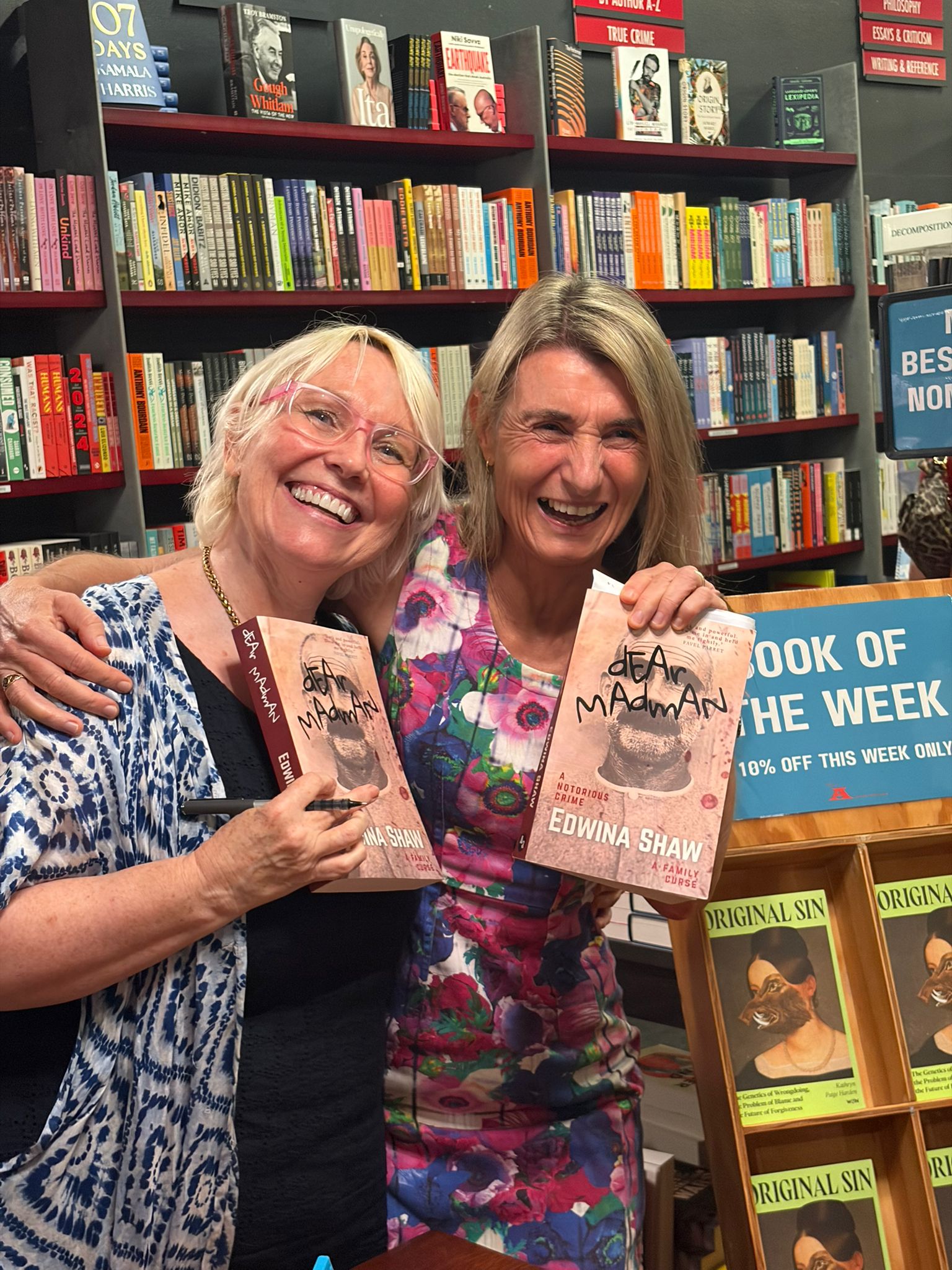
Jo Skinner and I at my Avid Reader launch of Dear Madman

Are newsletters worth it? I’ve been writing a monthly newsletter now for about nine years. For me it has been my very best marketing tool. I collected email addresses from workshop and retreat participants, so I’d met most people on my list, and they knew I had information they would be interested in. You can join my newsletter HERE.

I subscribe to a few newsletters, but I confess I don’t read most of them. Only if there’s useful information or opportunities included. This is why I pack my newsletters full of writing advice and publishing opportunities. I’ve always enjoyed my dear friend and retreat co-host, Kerstin Pilz’s newsletters for their mix of writing advice, prompts and spirituality.

Before you start a newsletter think about what you can offer. Snippets of your stories? Or like the unstoppable Jo Skinner author of The Truth About My Daughter and A World of Silence – a montage of writing life, running tips and Western medicine insights. Like Jo, I create my newsletter over the preceding month, but it still takes me most of a day to get the final version to subscribers. This is valuable time, so it must have a return. I’m reaching my people for editing or mentoring or retreats, so it’s worth it.

I started on Mailchimp which was free, until I hit 500 subscribers and then I had to pay. I found Mailchimp mostly okay to use – I’m still learning about technology and often find tech challenging – and I liked the way I could store images and use people’s first names in the “to” fields.

Last year Kerstin convinced me to move onto Substack which is FREE! You know I like free things, but still I was hesitant to lose the personalised greeting and my catalogue of images built up over almost a decade. I got some help to export and then import my contact list and from there, it’s been easy. In its favour Substack has a large writerly community so we can all cross-pollinate.

There are a number of different platforms available to try. But do we all need a newsletter?

  • EVENTS

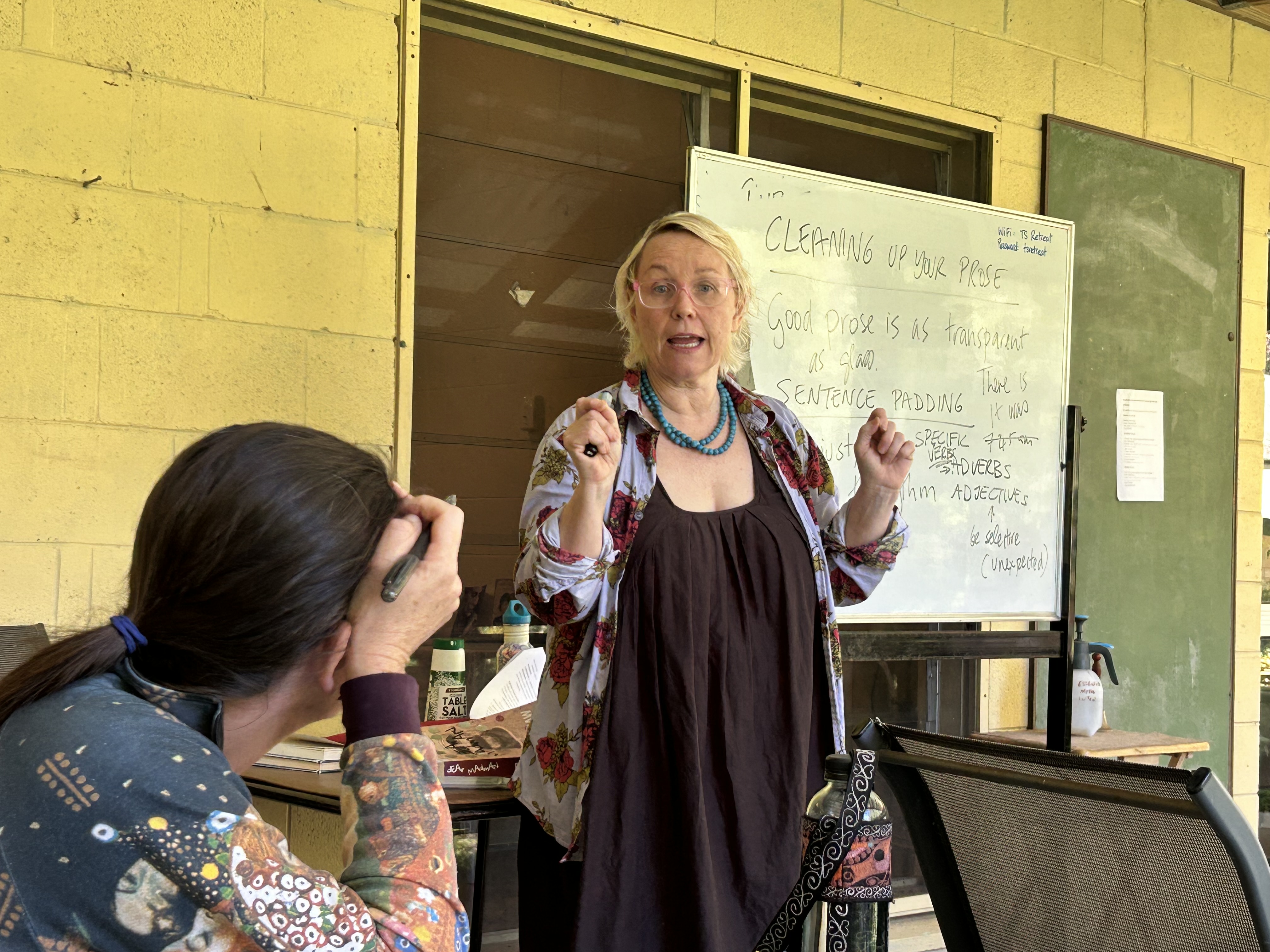
Of all these marketing tools, I like events best. I love people and teaching has made me unafraid of public speaking, so I enjoy traveling around hosting book events or workshops or retreats. I love to share my hard-won knowledge of the publishing industry and the craft of writing, so events work well for me.

You don’t have to do big events – a small gathering at your local bookshop will do the trick. See if you can visit a friend’s book club or writing group to lead a short session. If public speaking terrifies you, join a speakers’ organisation like Toast Masters to get practice. You can speak at Rotary Clubs, Probus or do a tour of the RSLs as Gay is doing (she was in the army as a young woman).

If you have teaching or speaking skills, you can sign up for a speakers agency like Speakers Ink.

Events can be fun, but I’ve learned that while I enjoy doing them, they also take a toll on nerves. Remember to pace yourself between events, so you can always give your best.

  • WRITE RELATED ARTICLES

A good way to bring attention to your book is by writing articles on related topics and selling them to magazines or journals. Find your favourite magazines and link your story to a topic of their interest, and pitch an article.

  • MERCHANDISE

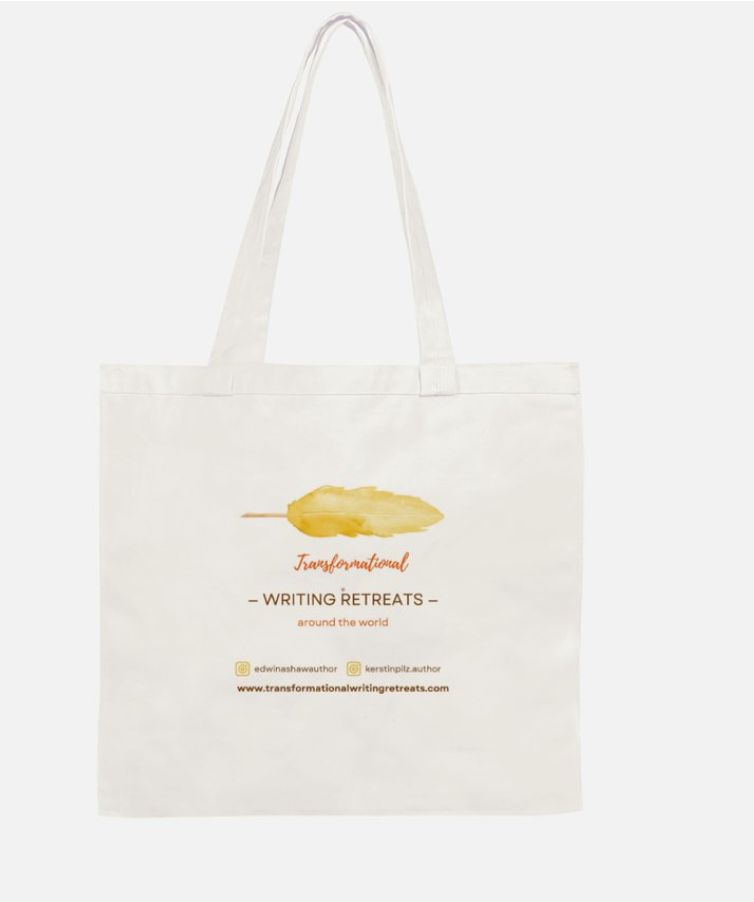
Our fancy new tote bags 🙂

Merchandise is fun! But I’m not sure if it sells books. Still, I like my retreat fridge magnets and our Transformational Writing Retreat tote bags. Maybe they spark interest or conversation with a friend when they see them. 

But don’t spend a fortune! Connecting with others organically is your best bet.

Other Marketing Suggestions

Check out: Readers favourite; 

Reedsy; 

Draft2 Digital; 

Best Seller World; 

Read A Lot magazine: readalot.com.au 

Goodreads ( do me a review for Dear Madman while you’re there:) )

Good Reading magazine https://goodreadingmagazine.com.au

Book Bub

Book Monkey

Team Dango

Kindle Nation

Written Word

Fussy Librarian

Book Raid

ENT

Podcasters

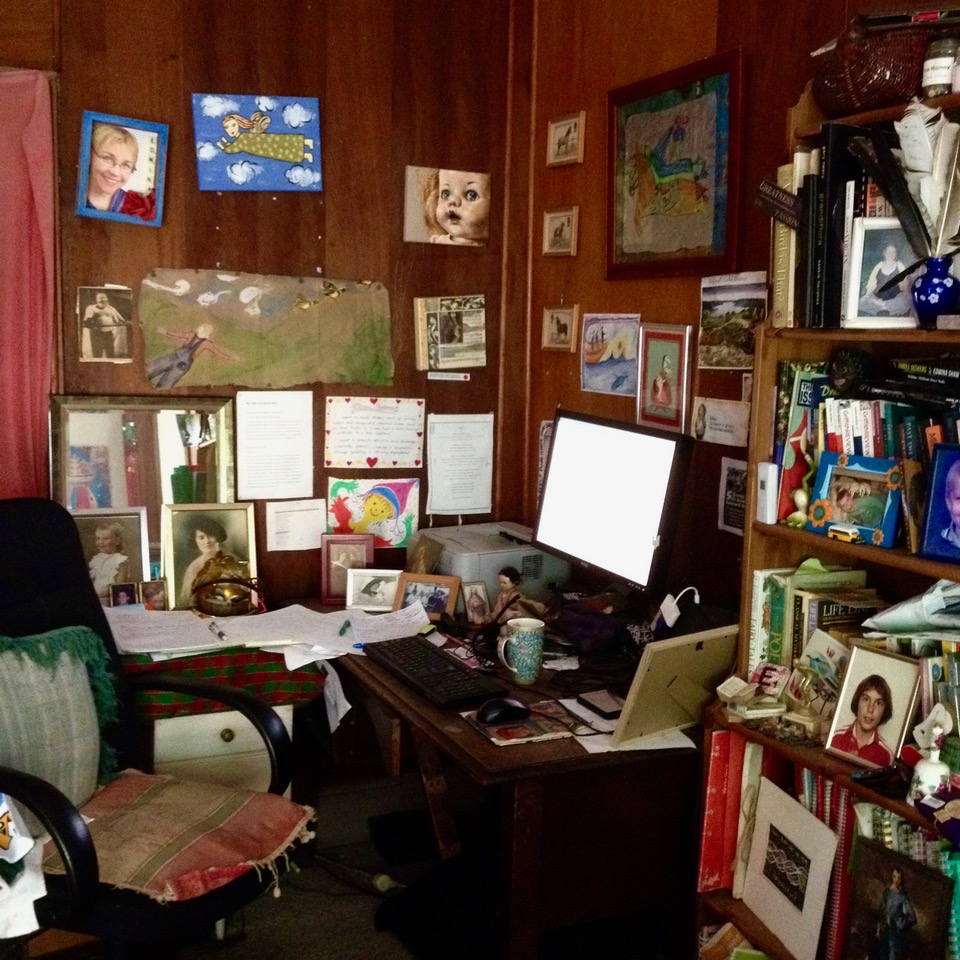
From my writing desk to yours.

I hope these tips are useful. Which marketing tool will you use today? Every little bit helps.

GOOD LUCK! Go forth and prosper fellow writer!

Lots of love

Edwina 🙂 xx

PS. Ipswich book event this Saturday 2/5/2026 at The Book Bouquet at 10:30 am Book HERE

PPS. Maleny book event Saturday 16/5/2026 at Rosetta Books at 10:30 am BOOK HERE

PUTTING THE ME IN MEMOIR – Dear Madman is coming soon!

a woman writer - vintage

Are you writing a memoir? Read on!

Memoirists are the bravest of writers. They must dig deep into their experiences and hearts to create meaning from the stories of their lives, then expose that tender belly to the world. Publishing a memoir is like stripping off all your clothes, even your skin, and running naked, vulnerable and raw in front of everyone you’ve ever known and lots of people you don’t. It takes guts! Writing of any sort is an act of courage – see my post The Courage to Create, but memoir and all writing inspired by our own emotions and deepest secrets, takes the courage of a child facing a nightmare monster. 

Do it anyway!

The world needs more truth. In this age of lies and AI fabrications and hallucinations, only the truth of lived human experience has weight and import. We are all so similar, humans haven’t changed much in what we need and feel in millennia, and yet each of us, like every blossom or leaf on a tree, is different. Unique and original, shaped by all who came before us and every moment that has impacted upon our life stories. 

A woman struggles to sleep

Don’t stay awake all night thinking about your story! Get it out of your head and onto the page 🙂

Capturing that unique spirit and experience of life to share with others is a precious gift. Through sharing the truths of our lives in writing, we connect heart to heart, mind to mind, in a way that can reach across generations and time itself. 

Write! Write your truth and don’t be afraid.

Over my work with many memoirists over the past two decades of writing and editing, I’ve learnt I’m not the only one who finds putting my deepest heart on display in my work difficult. I’m essentially an intensely private person. Only a very few of my oldest friends and my siblings, really know all of me. In my writing, I’ve always preferred the disguise of fiction – I like to think of it as a cloak of invisibility. Thrill Seekers is autobiographical fiction, or really, thinly disguised memoir. And most of my writing has followed that same method. I call it the “chicken’s way out”. My Guide Through Grief has snippets of memoir, but mostly I am telling the reader I’ve been through stuff too, so I know what grief feels like. I didn’t write in scenes. I wasn’t brave enough to force myself and my readers to experience those losses again in real time. 

You can purchase a copy directly from me HERE – let me know if you’d like me to sign it for you, or someone else.

Writing in scenes allows the reader to feel and experience life events just as you lived them. The imagination is powerful and can’t distinguish between reality and the imagined. Every time we read and feel the emotions stirred in us by a book, we are partaking in the life of those characters. Living other lives than our own. How exciting! 

But another aspect to the ‘I’ voice in memoir plays an important role – reflection in hindsight, creating meaning from the chaos of life’s random rollercoaster ride. Both scenes and reflection from ourselves looking back at that scene and creating meaning, seeing patterns, asking questions, examining and releasing, are essential components of memoir writing.

THE TWO ‘ME’s in MEMOIR

a little blonde girl on an old fashioned TV set
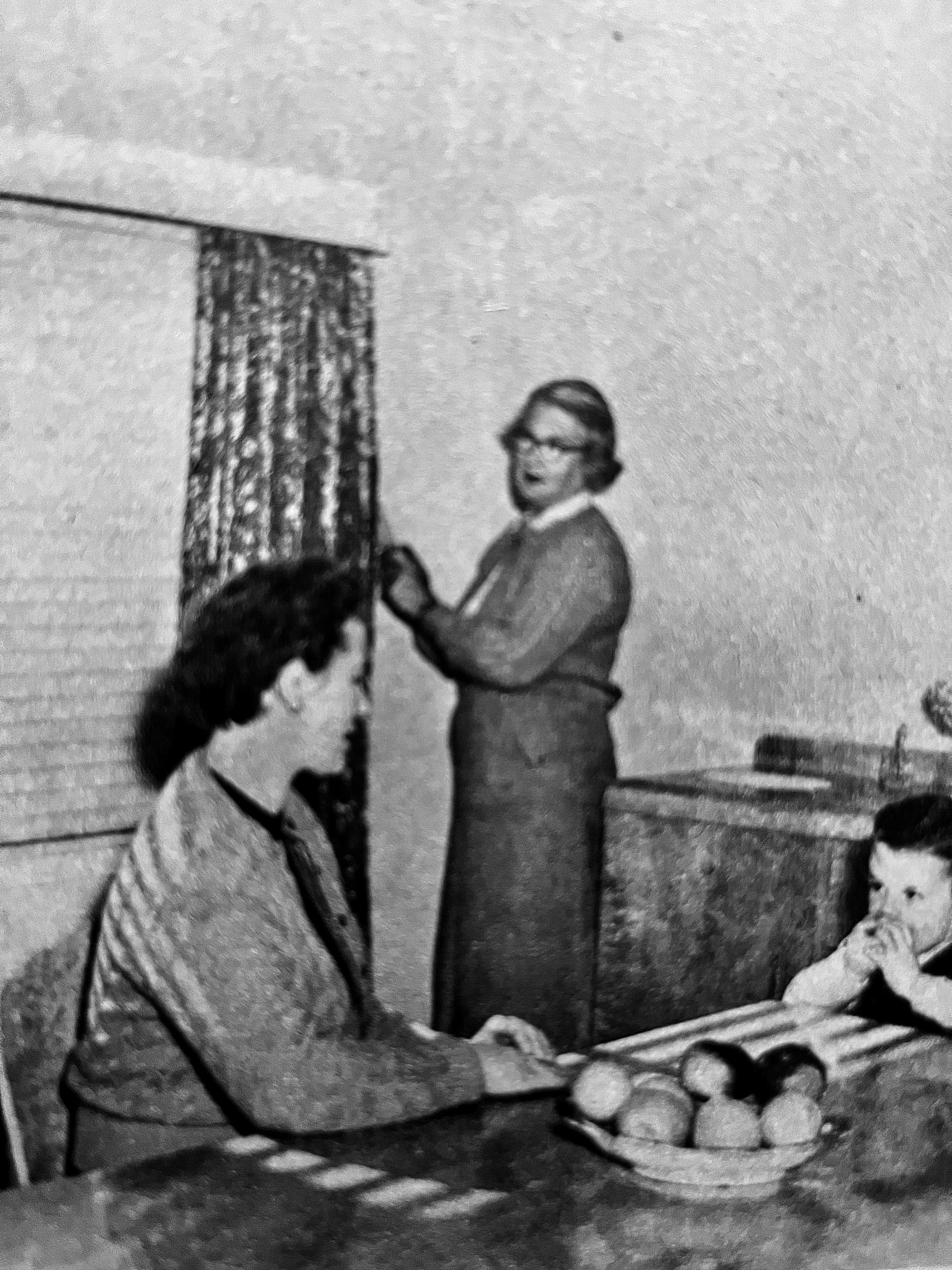
  1. PREVIOUS ME – When writing scenes, we must go back and see ourselves as separate from who we are now. Who were you when this experience happened? Can you see yourself from the outside? Often photos are a good way to ease into seeing your past self more objectively. Then we need to create a character from our previous selves, warts, beauty spots and all. A character that is as well painted as every other in our story. More so, as the writer is the protagonist. 

Exercise: Close your eyes and remember a scene where you are sitting around a table, eating dinner or breakfast or playing a board game, or having a family or house meeting. Previous You interacting with others. What are you doing? What are you wearing? How do you fit in with the group? Are you speaking? What are you saying? How do you act?

Now try writing that scene in third person, treating yourself as the protagonist. 

Glamorous woman showing off her watch - vintage

A glamorous version of wise me now 😀

  • WISE ME NOW – This is the voice of the writer as you are now, looking back, examining yourself and situations with the benefit of hindsight, creating meaning from the chaos. After writing a scene where you SHOW us exactly what happened and who you were in the past, even if your actions were shameful, then take a pause and shift into Wise You Now to reflect upon the scene, and how it impacted upon you. What questions does it raise? What behaviours do you now see the reasons for? What patterns did this scene create in your life? How does this scene feed into the greater narrative you’re creating? What meaning can you glean?

Exercise: Write a short piece of reflection – a paragraph or two, reflecting on the scene around the table you’ve just written. What did it make you think? Feel? Understand? How did this experience shape you? Can you see a greater pattern? Find some meaning? Ask yourselves questions on the page too. Is this really how it was? How could it have been different? How am I different?

These TWO MEs interweave throughout a memoir and together they create not just a story of your life, but a way of interpreting that life and sharing your hard-won wisdom with others. Vivian Gornick talks about this in her book The Situation and The Story. She says that The Situation is the events of the past we recreate in scenes, but that The Storycomes from the writer’s choice of those events, reflection and meaning creation. See also my post The Benefit of Hindsight.

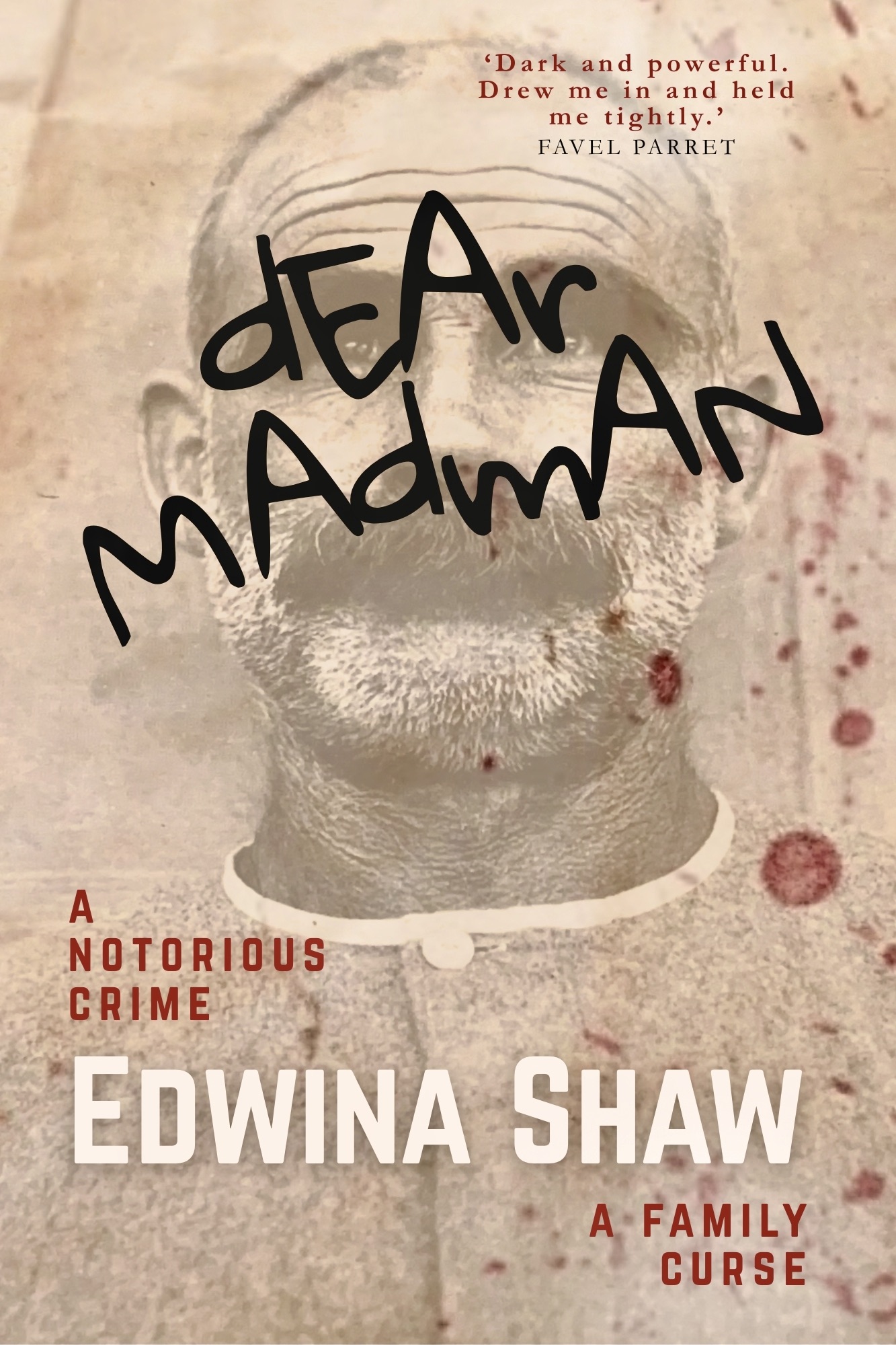
Back cover of Dear Madman

DEAR MADMAN

When I first started researching and writing Dear Madman (my forthcoming historical true crime memoir) my intention was for it to be a memoir. But once I started writing, the voice of the murderer demanded to be heard, and what I wrote that first draft, was a novel recreating the events leading up to the crime and its aftermath. I’d tried to hide myself once again, the old “chicken’s way out”.

But after attending workshops with the brilliant, generous and talented Susan Johnson and Kris Olsson, I realised that my Wise Me Now voice was essential to interpret and create meaning from the meaningless murder. In order to share all I’d learned in my research and through the process of writing the recreation, and to reflect upon the intergenerational impact of violent crimes, I needed to be there. Me. No chickening out! Bugger it!

Who me? No chickening out?

At first, I wrote a separate text – an essay titled “In Search of the Shadow Man and the Nature of Forgiveness”, but eventually I realised the essay needed to be a part of the main story. That I was a character in my book, as much as the murderer was. So I interwove my reflections and insights throughout the fictionalised recreation of events and took the path of courage.

Writing this book has almost killed me. I have carried the story of the murder of my Nana’s sister since I was a child, trying to make sense of it, to find a way to understand why such an awful thing would happen. I am beyond excited that finally this story is written and is being published by AndAlso Books in March 2026. YAY! At last. After beginning to write this book in earnest back in 2010, I can now give this story to others and free myself from it, forever.

So dear, brave memoirist, I understand your hesitance about putting yourself into the story, but you need to be there.

Soon you’ll be off and flying – writing your truth and feeling free!

Have courage. Speak your truth. Write your story!

Have you got any tips for memoir writing and creating a character from yourself? Do share them in the comments. I love hearing from you.

Hope to see you at the launch! (subscribe to my newsletter for more launch details)

Lots of love

Edwina  🙂 xx

Edwina Shaw, writer and editor.

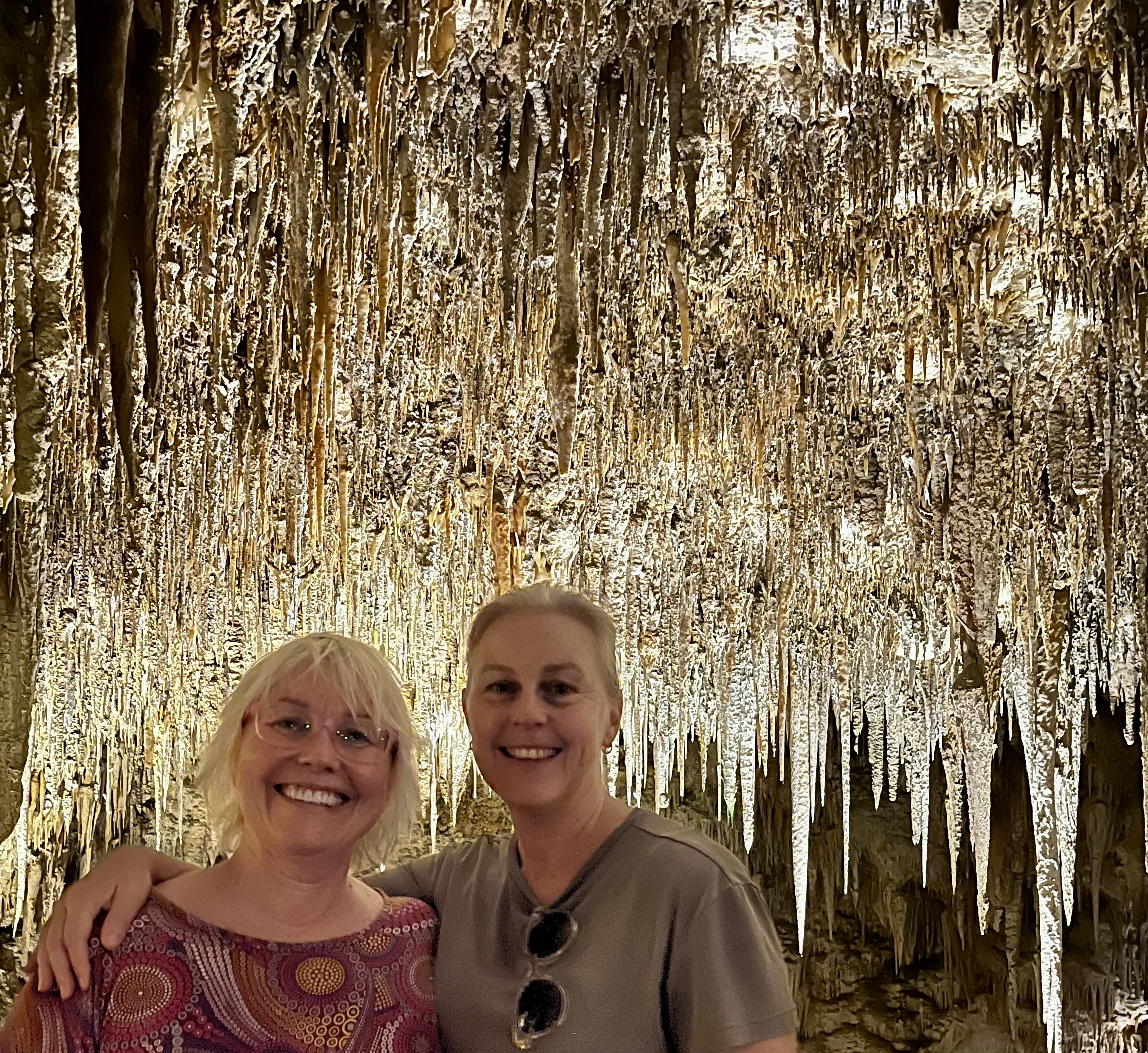
My new headshot for the book! What do you think?