GETTING INTO CHARACTER! A freaky exercise to discover your characters from the inside out.

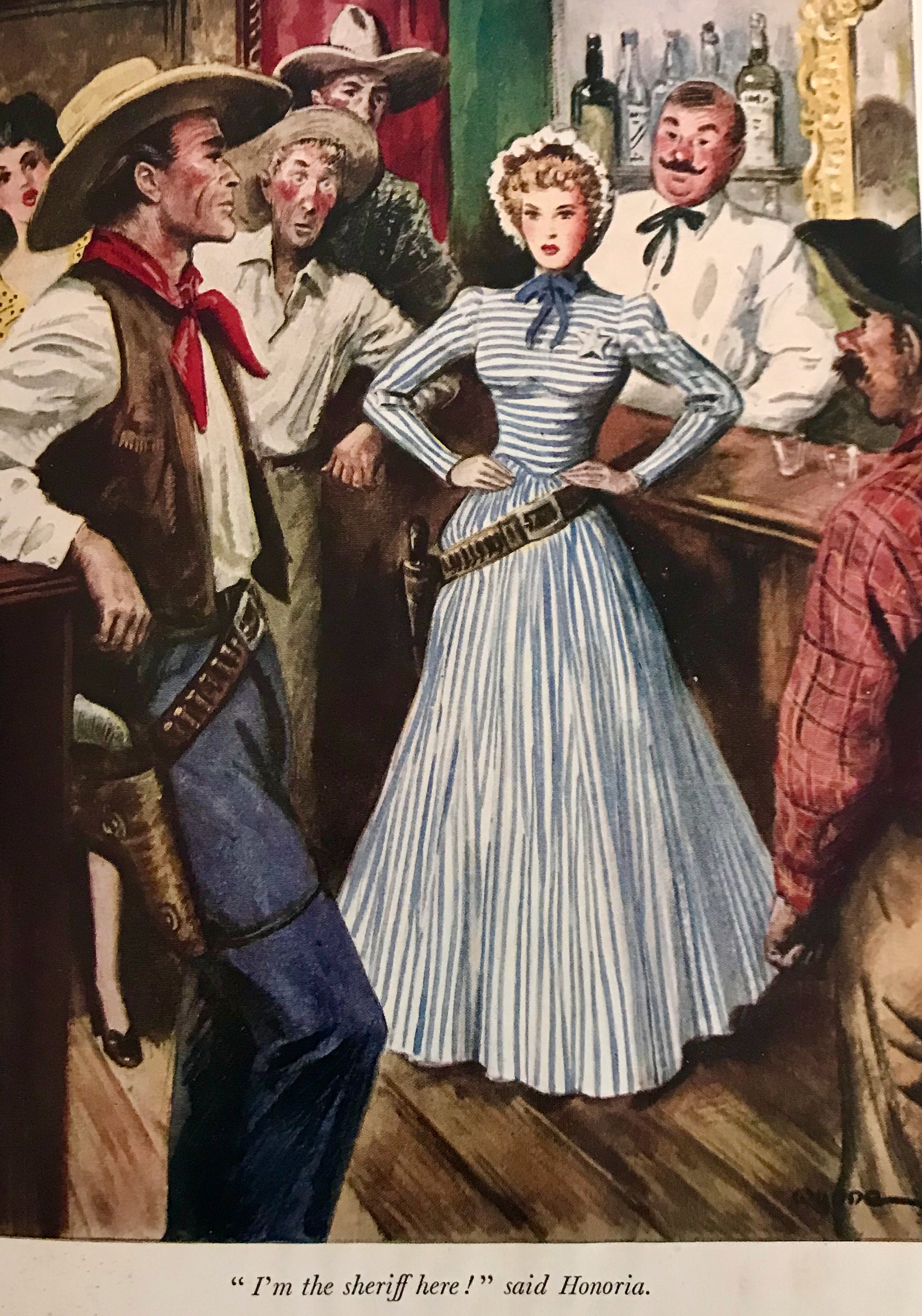
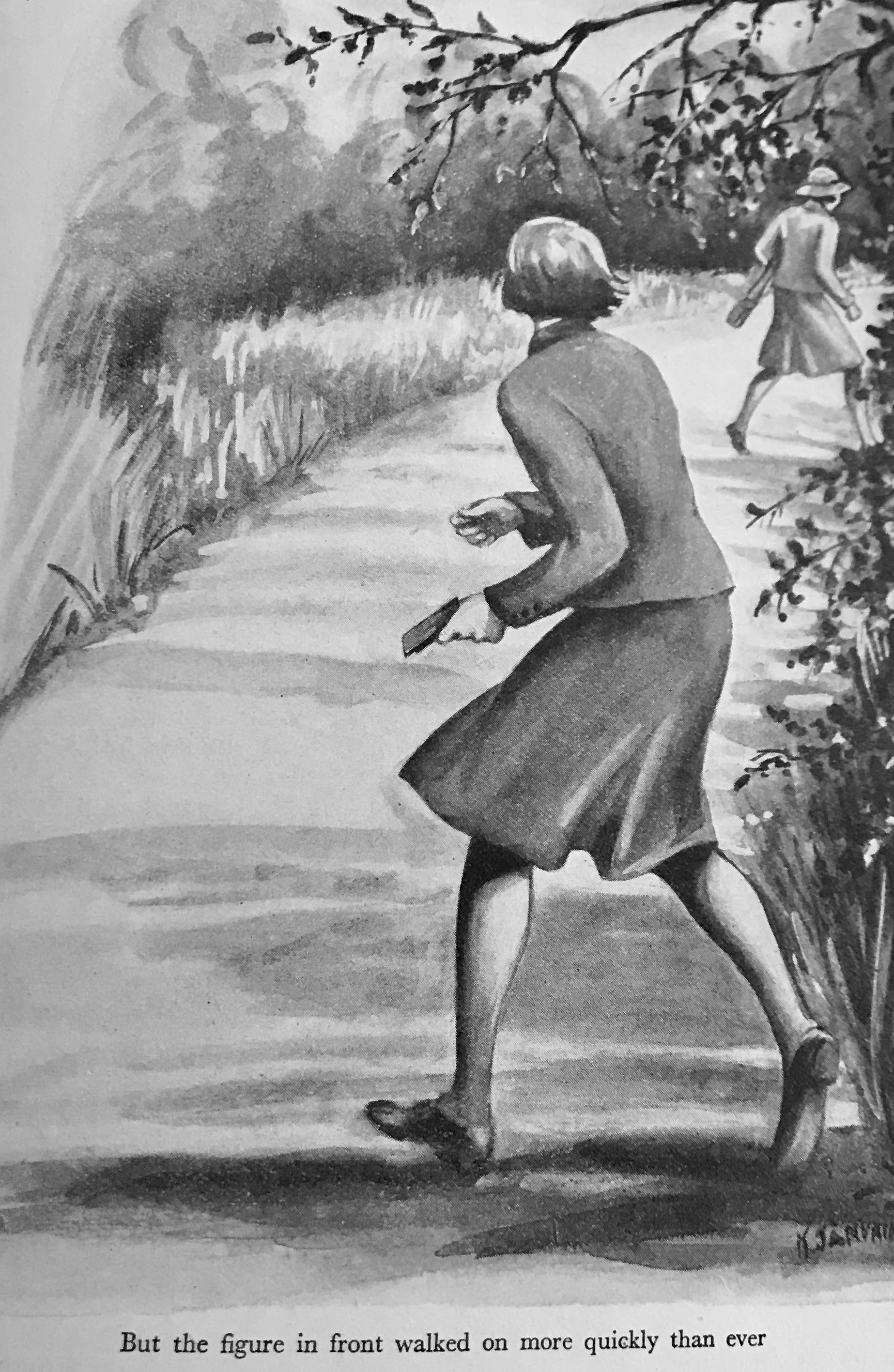
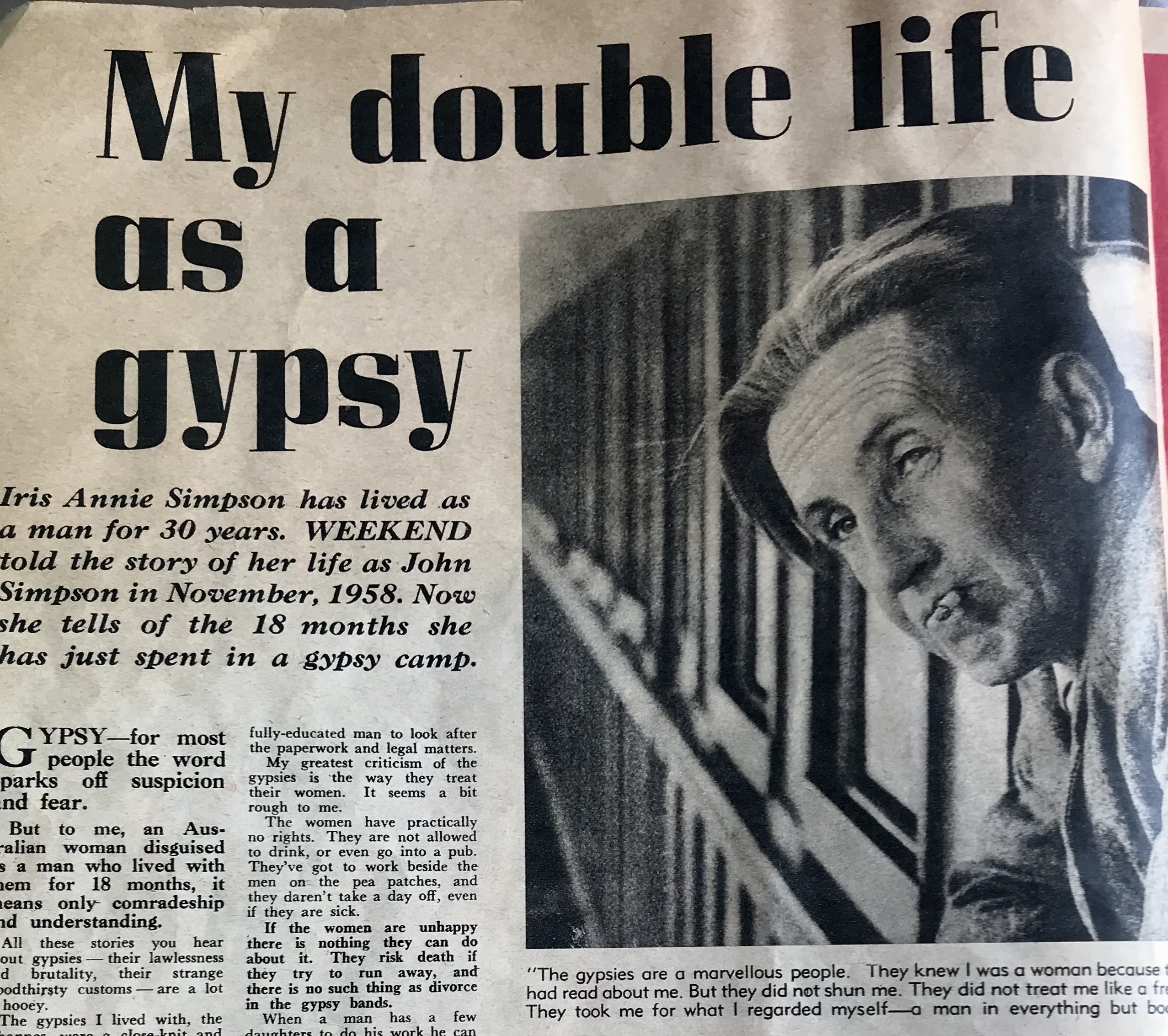
Here’s an interesting character!

GETTING INTO CHARACTER!

As a teenager I wanted to be an actor and did lots of drama classes where you inhabited a character’s body and became them, to really understand what they were about and become them on stage.

I’ve adapted these theatre exercises to help me get inside the heads, and bodies of my characters. I’ve used this practice for over a decade myself and used it in workshops on my retreats, with really great results for my participants’ stories.
LET’S DO IT!

  1. Sit quietly, feet on the floor with a pen and paper or your computer ready to go. But not yet. Hands in your lap, eyes closed, take some deep breaths or do one of my Youtube meditations to get into your “creative zone”. 
  • Once you’re relaxed and that shitty inner critic has shut up, imagine you are inviting your character to come and say hello. Some will appear in front of you quickly, keen to have their say. Others can be reluctant (they’re usually the ones that really need help to come alive on the page) so tempt them with their favourite treats. Eg: Beer for a footy-player, lollies for a kid, a cup of tea for a grandma. This can work for fictional characters and those in your memoir – particularly useful for family histories where you’d love to get inside Granny’s head.

  • When they’re standing in front of you, get a good look at them, what they’re wearing, the smell of them, any unexpected clothing details, what kind of shoes do they wear, etc. After the pleasantries, ask their permission to enter their body. (I told you this exercise was freaky!) In your minds’ eye, step forward and into the body of your character.

  • Once you’re imaginatively inhabiting them, FEEL what it’s like to be in their body. How is it different from yours? How do they breathe? How do they move? Where are their aches and pains? How do they walk? Talk? Eat? Think? How busy is their mind? What are their predominant thoughts? Their self esteem? Their self talk? Their thoughts about others?

  • Then feel deeply into their heart centre. What is their predominant emotion? When I did this with my castaway cabin boy character, I was surprised to learn he was filled with rage, more than fear, which was what I had thought. Don’t be afraid, you are still you and don’t have to be stuck in their bodies and feelings forever.  What are they FEELING?

Photo by RDNE Stock project on Pexels.com
  • To finish put a hand in their pocket, or handbag, or under their hat, and pull out a talisman, lucky charm or other special object that they hold dear. What is it? A photograph, old and worn? A love note? A broken watch? A ring?
  • Still inhabiting the character, get them to write a monologue in first person about that talisman, telling the story of why it’s important to them. Free-write for as long as it takes to get that story told.
  • Once they’ve finished, come back into your own body. Visualise stepping back out and into your own body, then tap your heart centre several times, also stamping your feet on the ground to make sure you’re back grounded being you!
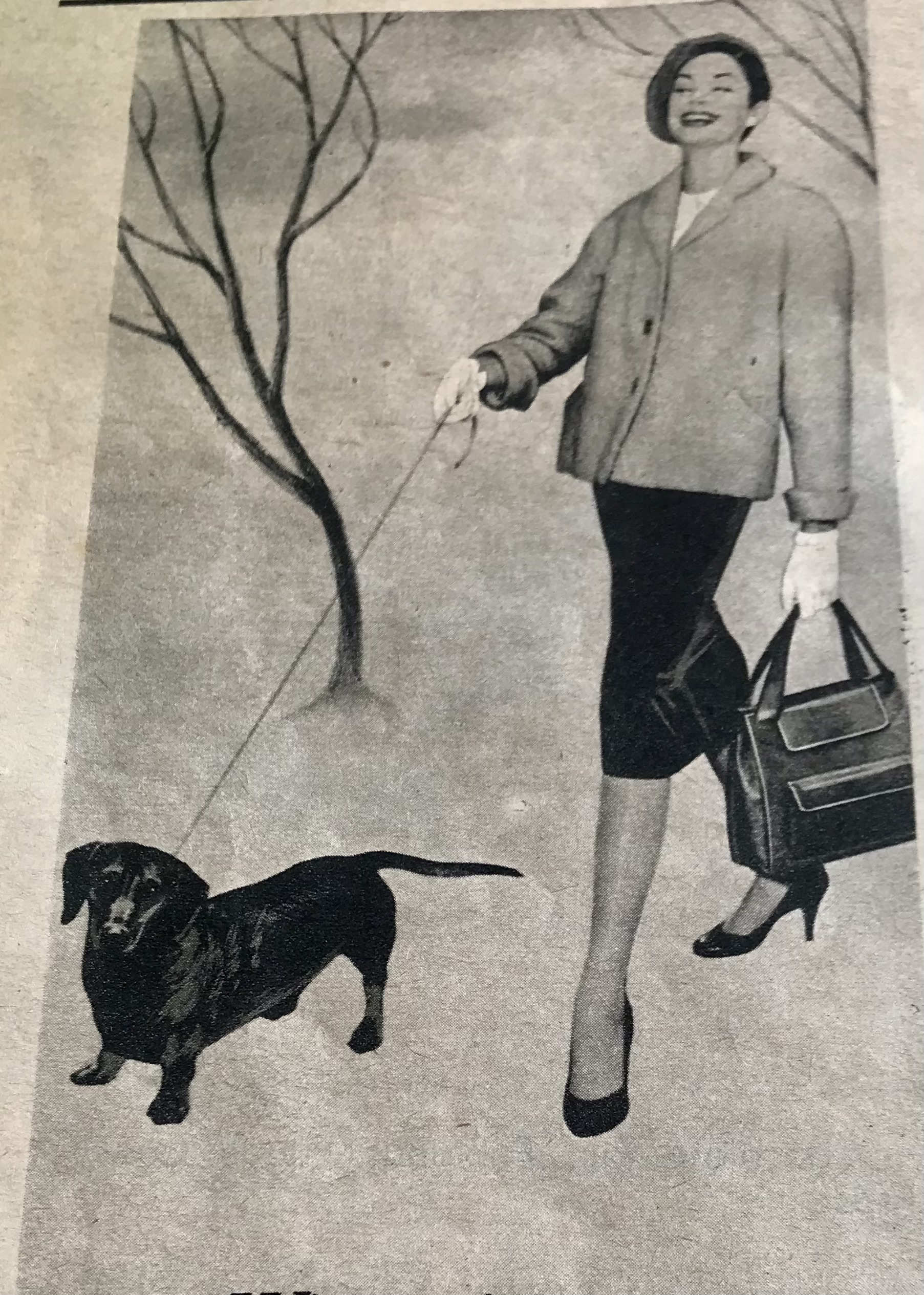
What’s her lucky charm? What’s in that handbag?

This talisman story should give you vital clues, not only to the character’s emotional goals, but also to their voice. We need each of our characters to have a clearly individual voice and getting them to tell a story in first person is the best way I know to find their unique traits.

You don’t need to include the story in your book, but it will give you great clues to the character’s motivations and how to use their unique voice in dialogue and point of view chapters. You can easily change the monologue into third person if necessary.

Want more tips on character development? Try these extra articles:

CREATE COMPLEX CHARACTERS IN 5 EASY STEPS

And THE C WORD METHOD FOR CREATING CHARACTER DRIVEN NARRATIVES

Let me know how you go with this freaky, but fun, exercise of the imagination.

What works best for you when developing characters? I’d love to learn.

Lots of love

Edwina xxx

PS. Early bird prices for our fabulous Heavenly Hoi An Retreat Feb 2- 7 2024 end on 30 September. Don’t miss out!

CREATE COMPLEX CHARACTERS IN 5 EASY STEPS

How do we make our characters real? We want every important character in our books and stories to be well-rounded, with strengths and weaknesses, secrets, a past, and hidden flaws and virtues. Trouble is when we start writing we sometimes forget this, and our characters die on the page before they’ve even had the chance to come to life. 

Here are some concrete, easy ways to really get to know your characters and to translate this knowledge into complex, intriguing characters on the page. Remember, above all else, characters reveal who they are by how they ACT. CharACTers take action and make moves based on their own inner callings and desires. These exercises are for the writer’s benefit only. Write as much or as little as you like on each step, then incorporate the very best telling details, insights and possible plot points into your project. The better you know your character, the more rounded they’ll be on the page.

Let’s get to it!

1 Physicality – Describe your character’s appearance. Pay special attention to small details like whether or not their fingernails are clean, how old their clothes are, what care they put into their appearance, and any specific details that give us clues to who they are. Where do they get their clothes? The very best fashion boutiques or second-hand stores? What does their voice sound like? What’s their favourite expression? What do they smell like? Why? What is the texture of their skin? How do they feel in their bodies. (This is a great exercise to do if you can suspend disbelief and get into the body of your character and FEEL what it’s like to be them.) Find some special talisman, good luck charm or something else they hold dear to them – maybe a piece of jewellery or something they keep in their pocket or purse. What meaning does it hold for them? Why?

2. Next, describe where your character lives. Where do they call home? What telling details can you find in their living spaces? Photographs or paintings on the walls? General tidiness or not. Music? What clues does their environment give you to their character? Find a few specific details that reveal something about them. Then do the same when describing the contents of their fridge or cupboards, their dressing table or bathroom cabinet. What new clues to their personalities can you discover? Let your imagination do the work – free-write and see where your intuition takes you. Do the same for their handbag, wallet, backpack or briefcase – what stands out as unusual? You are looking for unique, unexpected, telling details.

3. Scar from the past. Even if your character is a child, they have a past. What were the shaping incidents in this character’s life that influenced the person they’ve become? For example, as a middle child Frankie always tried to get her mother’s attention by either being good, or by being naughty. She soon learnt she got more attention from being naughty which has shaped how she now interacts in the world as a disruptor and political activist. Write a few pages on the different shaping events in your characters life. How have these events shaped them? What decisions or beliefs about how life is, or patterns of behaviour resulted? What deep emotional desire was inspired by these happenings? This last point is most important. WHAT IS YOUR CHARACTER’S DEEPEST EMOTIONAL OR SPIRITUAL GOAL?

4. Life goals – You’ve figured out what your story person wants most emotionally, but we live in a world obsessed by more worldly desires. What are your character’s physical goals? Career ambitions, romance and family, revenge, fame and fortune, justice, healing, finding someone or somethingWrite a monologue in their first person voice, getting them to tell you what they want, what they really, really want (Paraphrasing the Spice Girls 🙂 ). This monologue will also help you find their natural speaking voice for dialogue – or for a whole piece in first person.

Once you have figured out what these goals are, then figure out which are most important for your story. Which goals have the most potential for drama and conflict? What are possible oppositions to these goals? Remember, don’t make things too easy for your characters. Narrative needs conflict like we need air to breathe. No conflict, no story. Identify your character’s goals on three levels – Physical world, Emotional and Spiritual. Do these somehow fit together? This will help shape your plot. By having a deep understanding of your characters on all these levels you’ll know their motivations in every scene and can create meaningful opposition to their goals that will force them into taking action which will in turn reveal more about their character.

5. Secrets. Hidden flaws and talents. Looking closely at the picture you’re building of your character, go deeper and get them to spill the beans on their darkest secrets and hidden fearsWrite another monologue that starts with: “I never usually tell anyone this but …” Before you know it, you’ll have some very juicy material to use in your story. Other goals may be generated, but mostly it will give you great insight into how they see themselves and the world. Get them to tell you about their strengths and weaknesses, but once they’re done, play psychiatrist and delve deep into their psyches to figure out which flaw will play into their downfall and what hidden talents or abilities may lead them to victory in the end? Write a list of flaws and talents and write possible plot points that could be caused by each of these. Write at least one positive story event and one possible negative result or action springing from each of these.

That’s it! Once you know the deepest heart of your characters, whenever you write a scene their actions and reactions will come to you instinctively, because you know them so well. EASY!

The reader does not need to be privy to all this information, but you do! Don’t put it all in the story but let this background knowledge inform the whole story. Use your character’s past, flaws and talents to shape a meaningful plot with a character arc that feels real, because it springs from deep desires and ancient wounds. Reveal different meaningful aspects of the character’s past as a drip feed throughout the story so the reader comes to understand them gradually – no big info dump at the start! And remember to always leave room for your characters to surprise you! If they suddenly say something or do something that you hadn’t planned, then let them have their heads for a while and see where it takes you.

Hope that’s useful! Let me know how you go with the activities. Here are more posts on character creation The C- Word Method and Will She or Won’t She.

Lots of love

Edwina xx