The view from our spectacular private lookout in Springbrook
Have you made it all the way to the end of your first draft? Most of the way? Or at least a bit, but then you got stuck? Need some help and motivation to move onto the next stage of writing? Do you like a deadline? Make this retreat the deadline for your first draft! Need to prepare pitch documents and figure out how, and where, to submit your work?
This retreat is for you!
This special retreat is for those with a bit of writing under their belts, looking for some advice and information on self-editing and structure. Get ready for your second draft!
Workshops are focused on:
Finding the themes and key messages of our stories and honing in on those in the manuscripts,
STRUCTURE – working out a structure that will support and enhance your plot and make it a compelling read.
Fixing your sentences. Get your head around the nitty-gritty of sentences and learn ways to clean up your prose to make it strong and vigorous.
Pitch to agents or publishers and learn how to write that dreaded synopsis.
Connect with other writers at a similar level and get useful advice and feedback on your work in progress in small feedback groups, or pay a little more for written feedback from Edwina and an individual session to talk through any issues you’re facing.
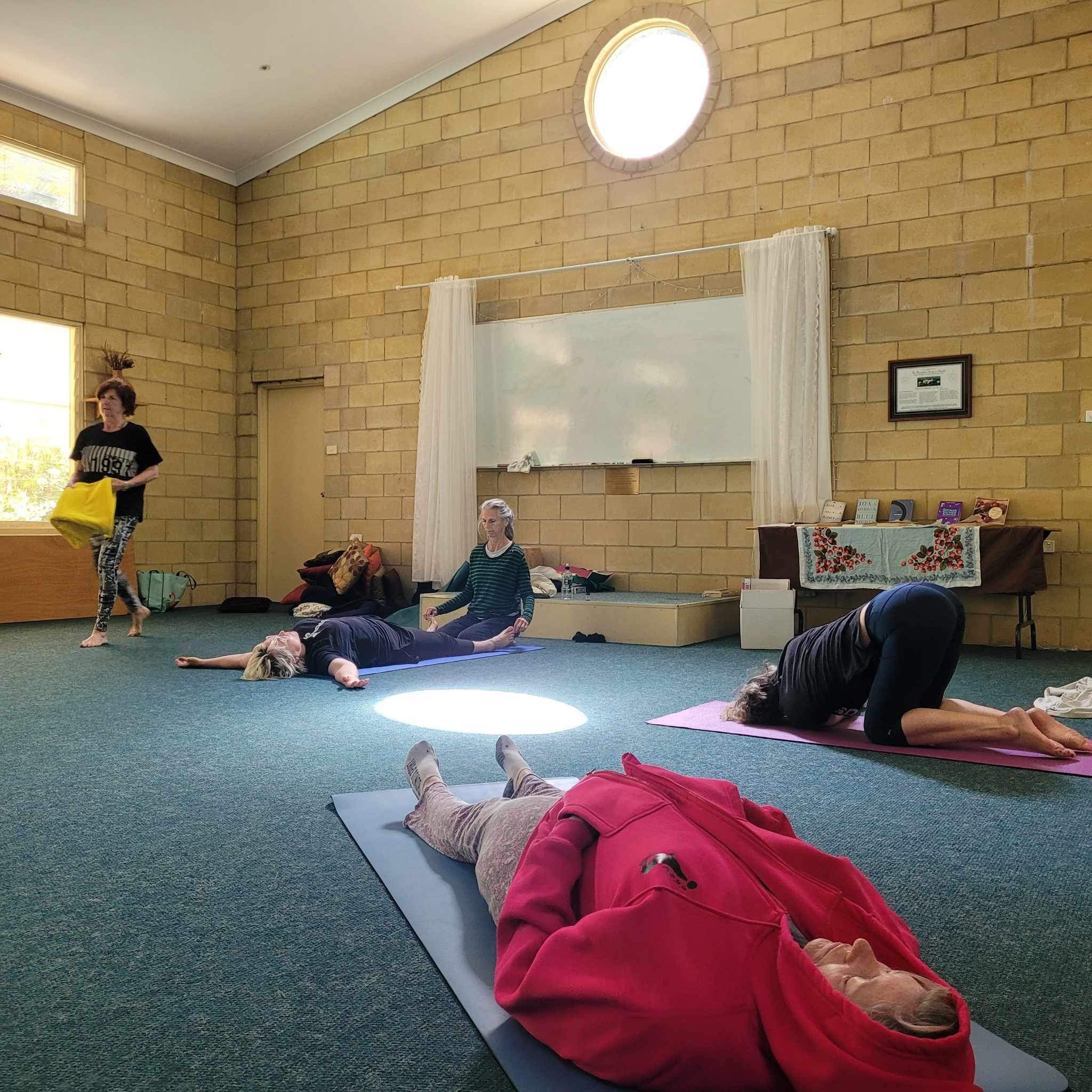
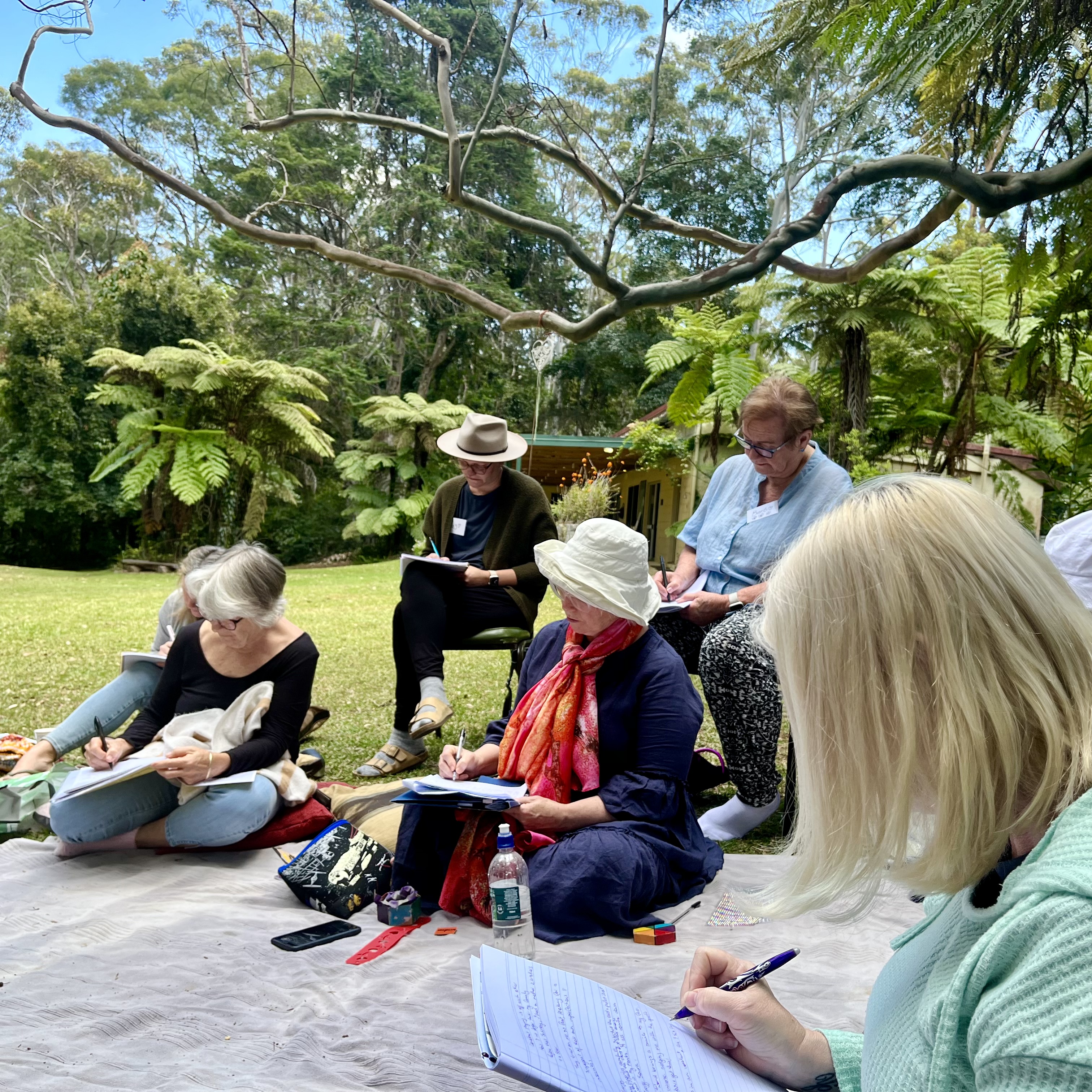
All in beautiful Springbrook in the Gold Coast hinterland with plenty of room to spread out and lie in the grass to write, or prop yourself up against a giant tree, or hole up in your room all weekend and just write your heart out without distraction. Ask questions and get all the answers you need from Edwina and the braintrust of attending writers. Have fun and relax. Stretch out with yoga every morning and let go of all your worries with deep breathing and relaxation techniques in the evening.
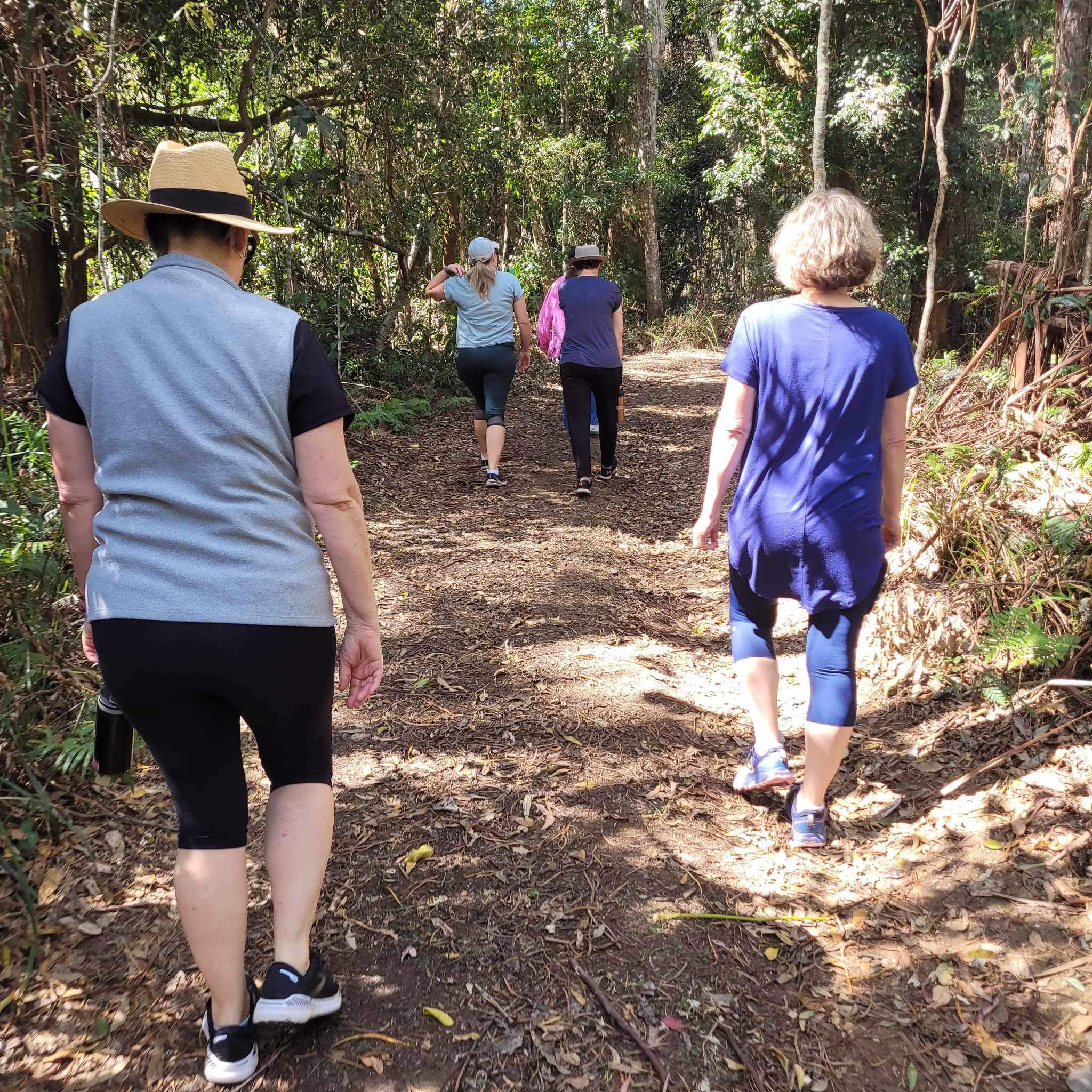
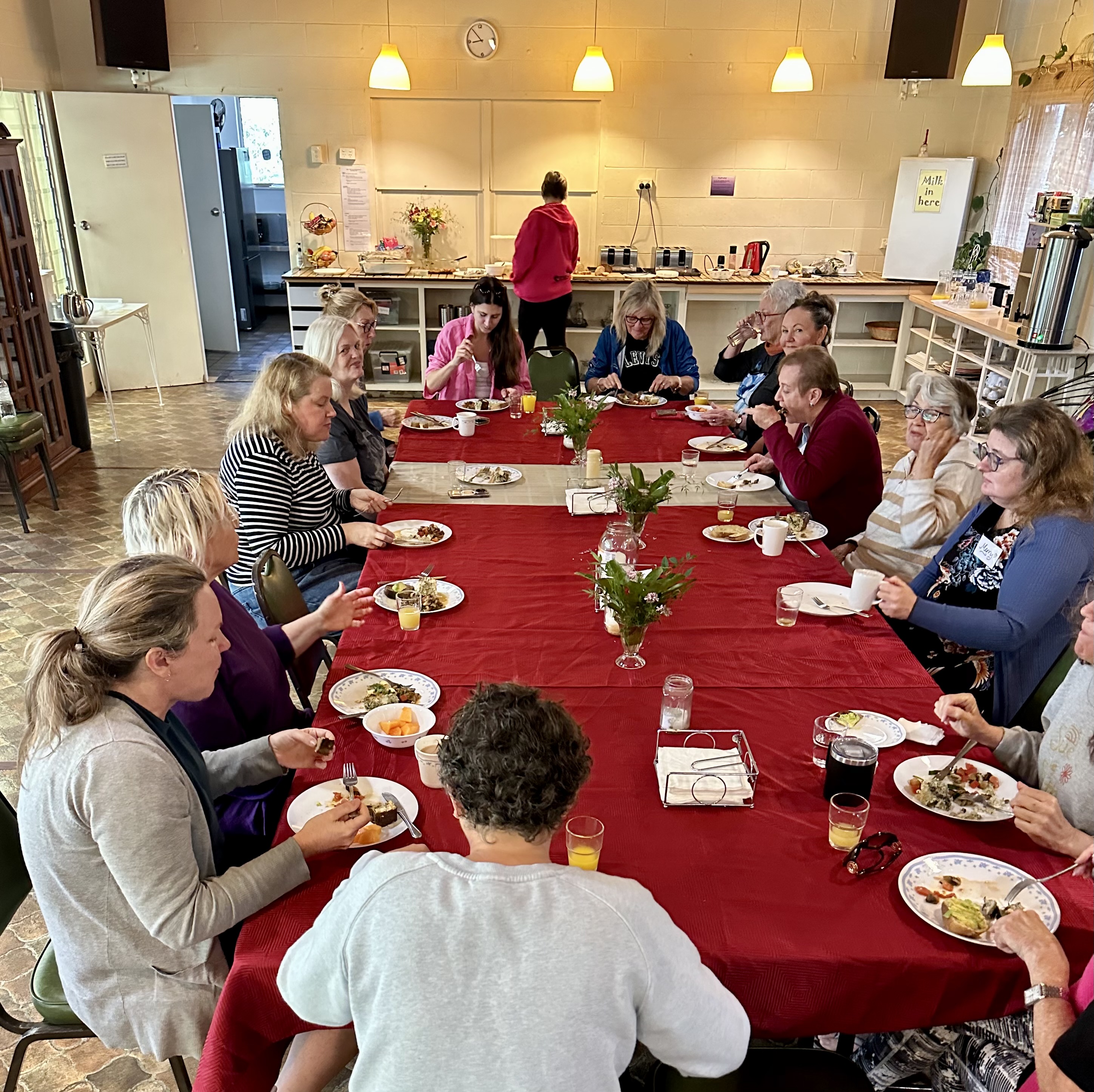
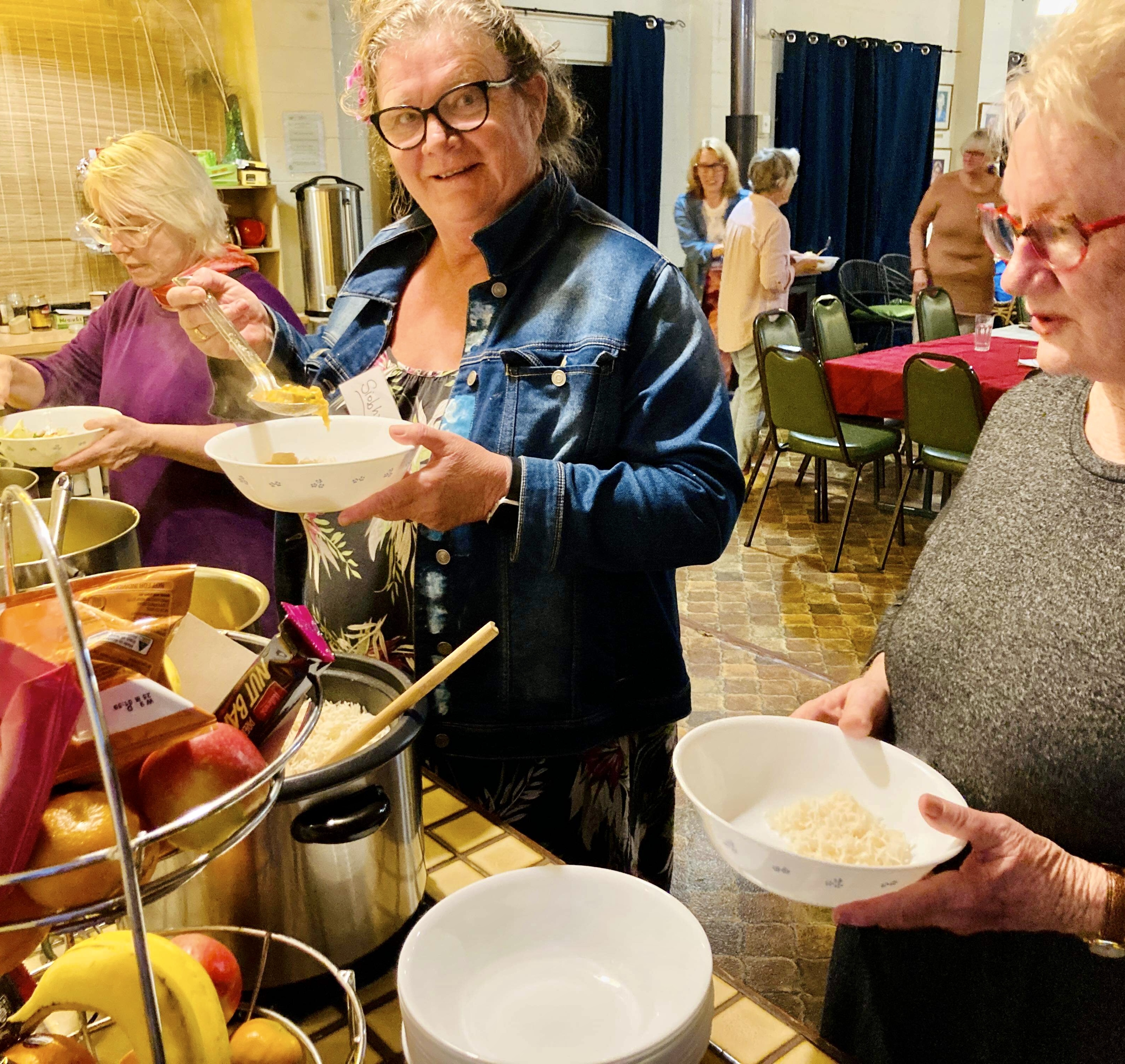
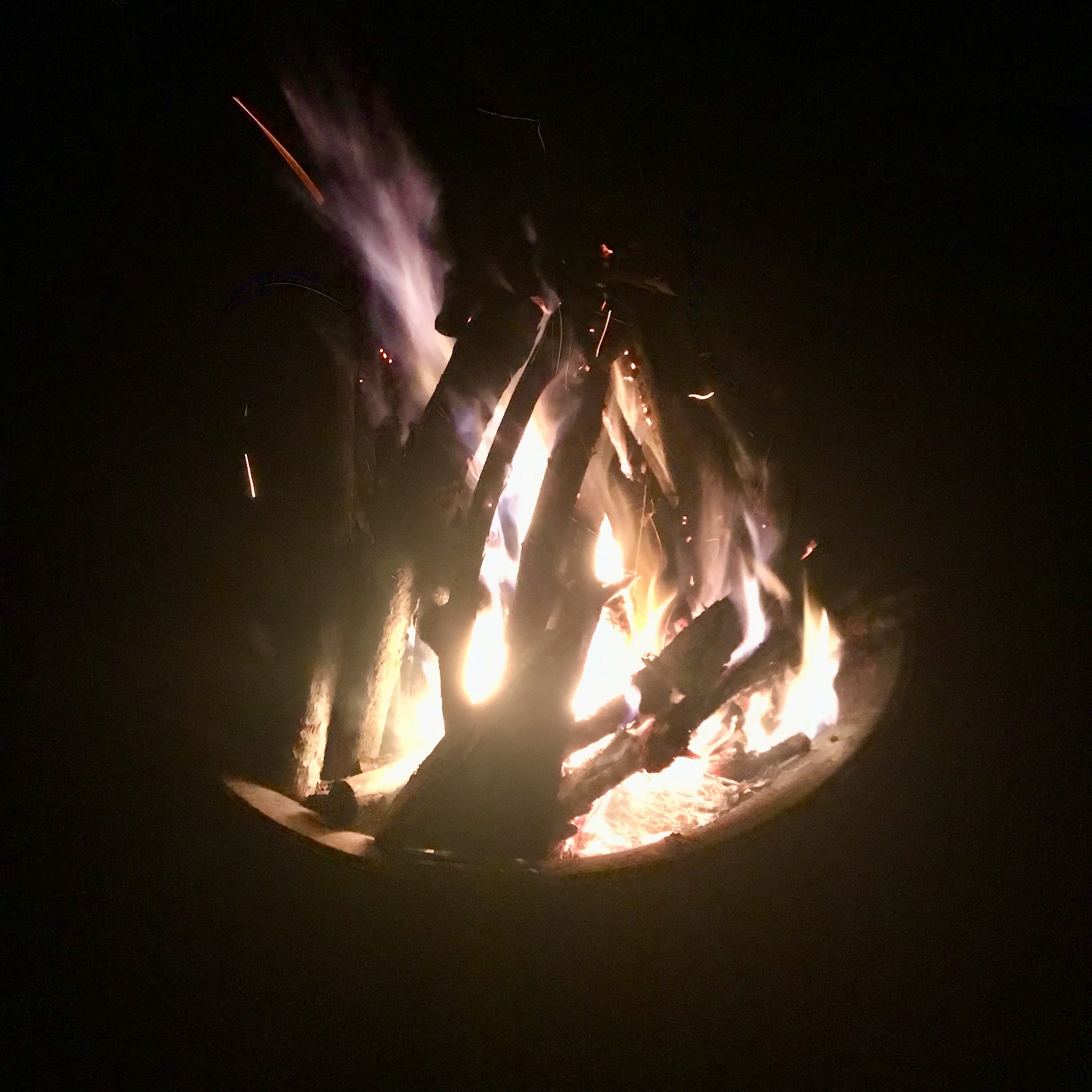
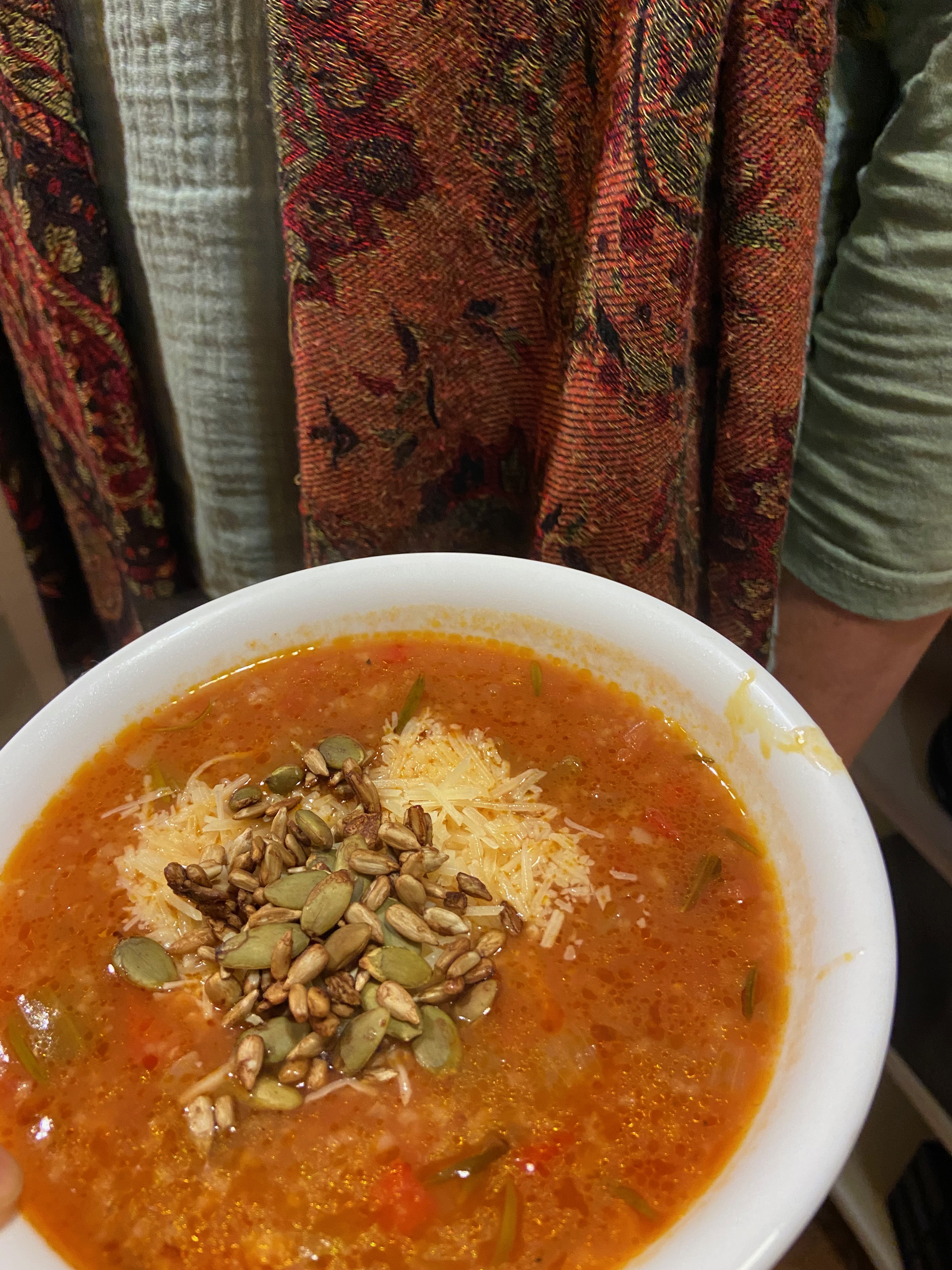
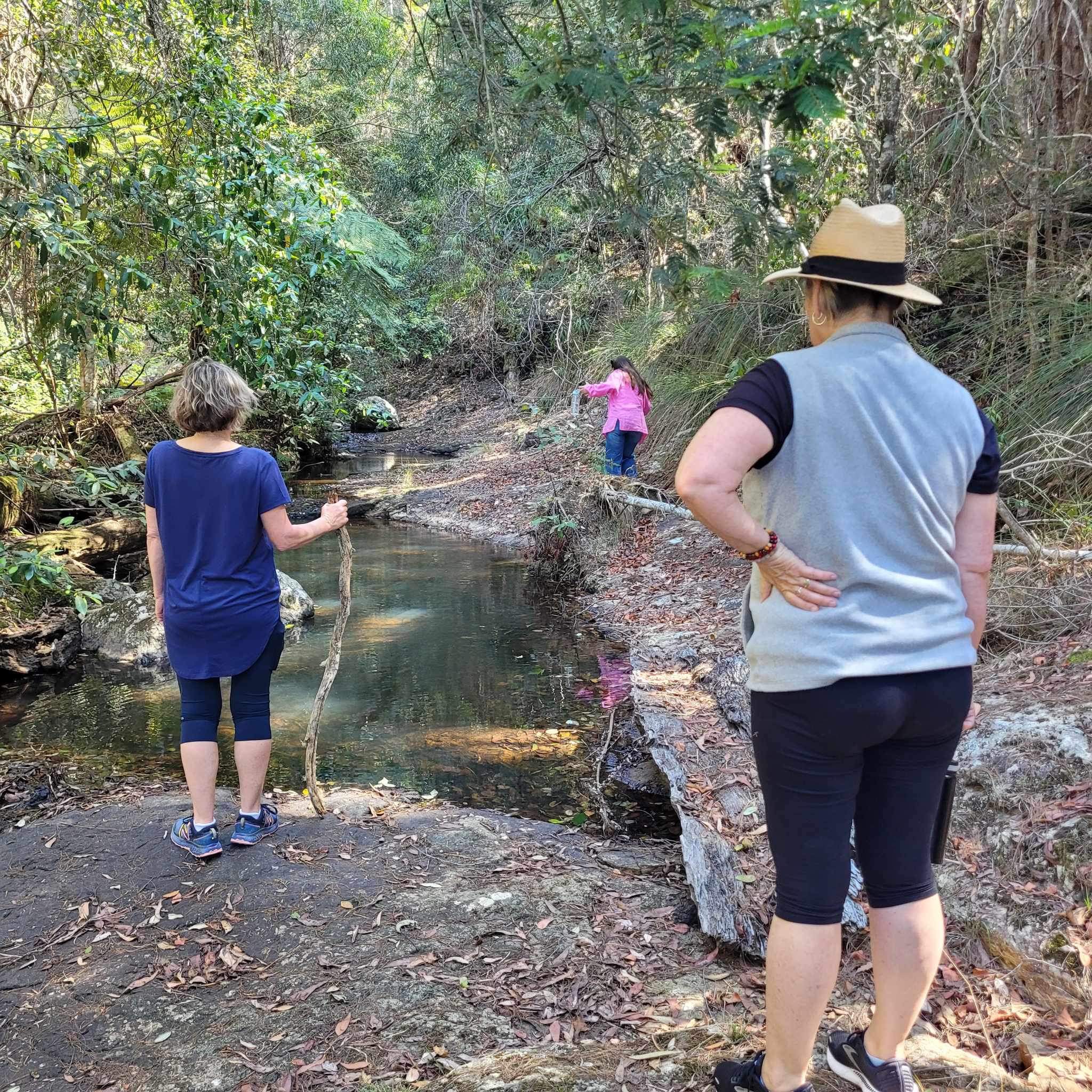
Explore the beautiful grounds, take long walks at the nearby National Parks, or wander down to our lookout and waterfall and rock hop your way to solitude in nature. Let the birdsong and rustle of leaves soothe you as you write and rewrite, then come sit by the fire and talk through any challenges with your project with other writers as you feast on Gay’s delicious home cooked meals and treats.
A weekend out of time, just for you and your story. You’ve been working hard on your book. Treat yourself to this weekend of connection and information, to help elevate your story and prepare it for publication.
THIS RETREAT IS ALL INCLUSIVE
All meals, workshops and accomodation in comfortable but basic single rooms with a desk and electric blankets for those cold winter nights are included, all for only $500 (early bird unwaged) or $650 (early bird – employed).
EARLY BIRD PRICES CLOSE 30 June 2024. BOOK YOUR PLACE NOW to avoid disappointment, places are already filling.
Come and join the fun and joy of connecting with other like-minded writing women. Make this August your time to have your first draft finished and reward yourself with this uplifting, informative and inspiring retreat!
Due to popular demand, we are now offering a FOUR NIGHT, FIVE DAY retreat high in the Gold Coast Hinterland at the beautiful and quite magical Theosophical Society Education and Retreat Centre in Springbrook from Thursday 4th April until Monday 8th April 2024.
For days now the old Dragon song (vale Marc Hunter) “Take me to the April Sun in Cuba” has been playing non-stop in my head, with a few words changed to take us all to the April Retreat in Springbrook! Who wants to come?! Me! (Dragon will not be joining us!)
Are you desperate for some time out from real life to focus on your writing? Whether you’re just getting started or working on book ten, this retreat is all about YOU and YOUR WRITING PROJECT. Time for you to write. Time for you to relax and just think. Time to daydream, lie on a blanket in the sun and gaze up into the tall trees imagining the next steps of your book, or your life.
Sound like just what the doctor ordered? I know I’m really looking forward to some time out from all the madness and frantic busyness, to focus solely on my new book (just finished the first draft :)). Even better, doing so in a group of women writers all doing the same thing!
I left the Retreat with inspiration for my writing, as well as goals with a clear and achievable action plan. And the best part is I now have the support of 16 new writing buddies!
COURTNEY MASTERS – retreat participant
This retreat is all about WRITING TIME.
We have an initial workshop to help clarify goals for the retreat, making realistic plans about what we’d like to achieve, connecting with others and figuring out which method works best for you. During the days we’ll run a supervised writing room with timed “Pomodoro” style sessions, writing in twenty-minute bursts, followed by five minutes to rest, chat and grab a cup of tea or coffee and some of Gay’s delicious home-baked treats (GF options always available). Or, if you’re a solo writer like me, then every room has its own desk, or you can find a spot in the beautiful gardens and rest your back against one of the giant gums or wander off to the waterfall and write in blissful solitude in nature.
Edwina Shaw’s Writers Retreat at Springbrook was sensational. Working with other experienced writers and learning new ways of doing things as well as new ways to think, is always mind expanding. Then there were the deep dive conversations with other writers and the sacred walk to the waterfall. It was an extraordinary way to learn and grow.
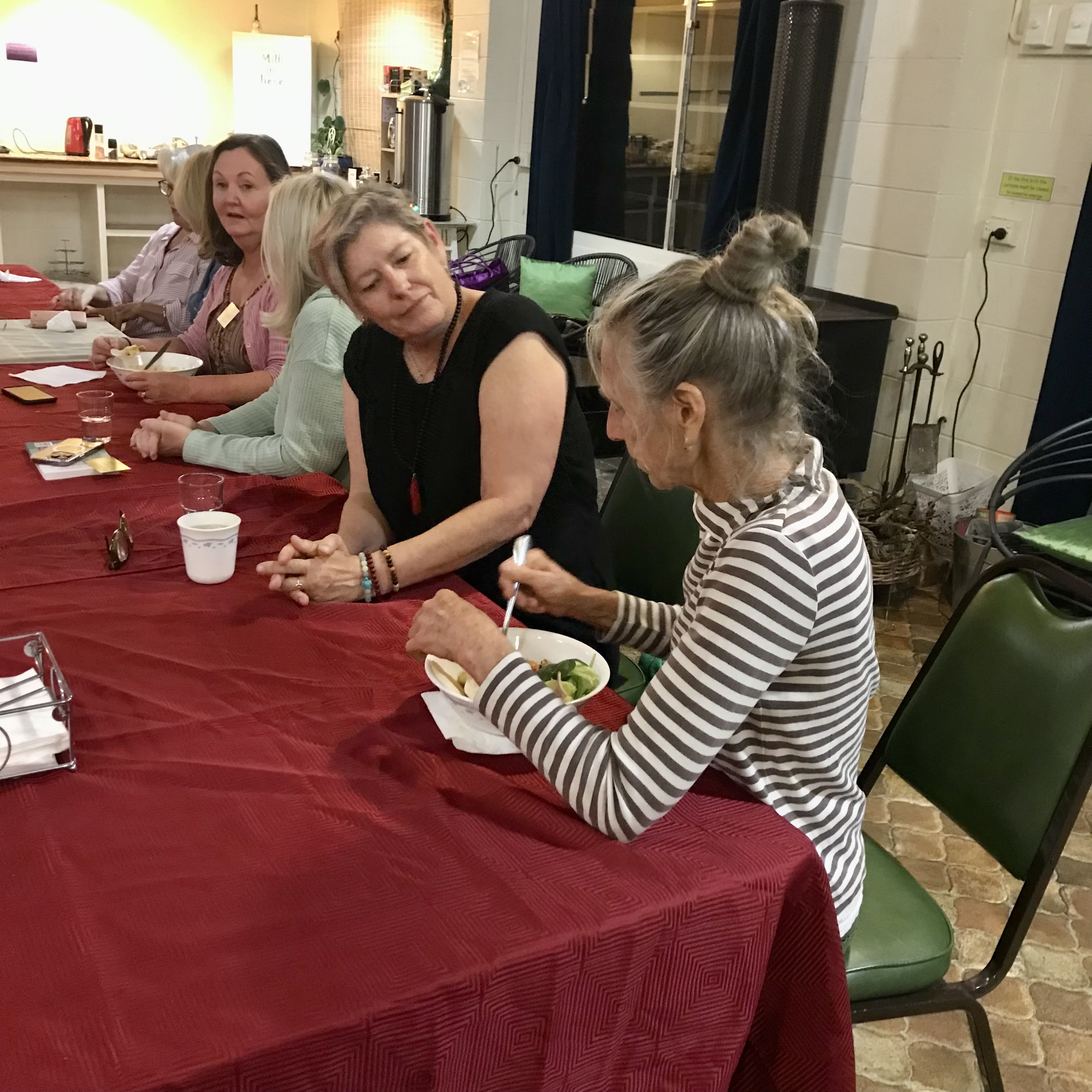
We’ll have Q & A sessions after lunch every day where you can ask as many craft-related questions as you like, and every evening we’ll have guided deep breathing and relaxation to help our busy writers’ minds to slow down and relax. After a delicious dinner you’ll have the chance to share your writing with the group. We’ll finish off the retreat with a final workshop, checking on progress and plotting our way forward, setting goals and making plans for our projects, and ourselves, moving forward.
To be held in a space of such love and respect, through both solitude and interacting with other amazing women, was a real blessing. I found Edwina to be enlightening, welcoming and an amazing source of inspiration and knowledge regarding all aspects of writing, including publishing. I came away knowing that I truly have potential and feeling very excited about my writing journey. I want to share my gift with the world, and now I feel like I can. Wow.
KYLIE DEAN – retreat participant
These retreats do more than just get you writing, they provide much needed time out from the world to reassess what you want from your life and nurture your creative self, so that by the time you return to the big smoke, you’ll be feeling refreshed, renewed and ready to shine!
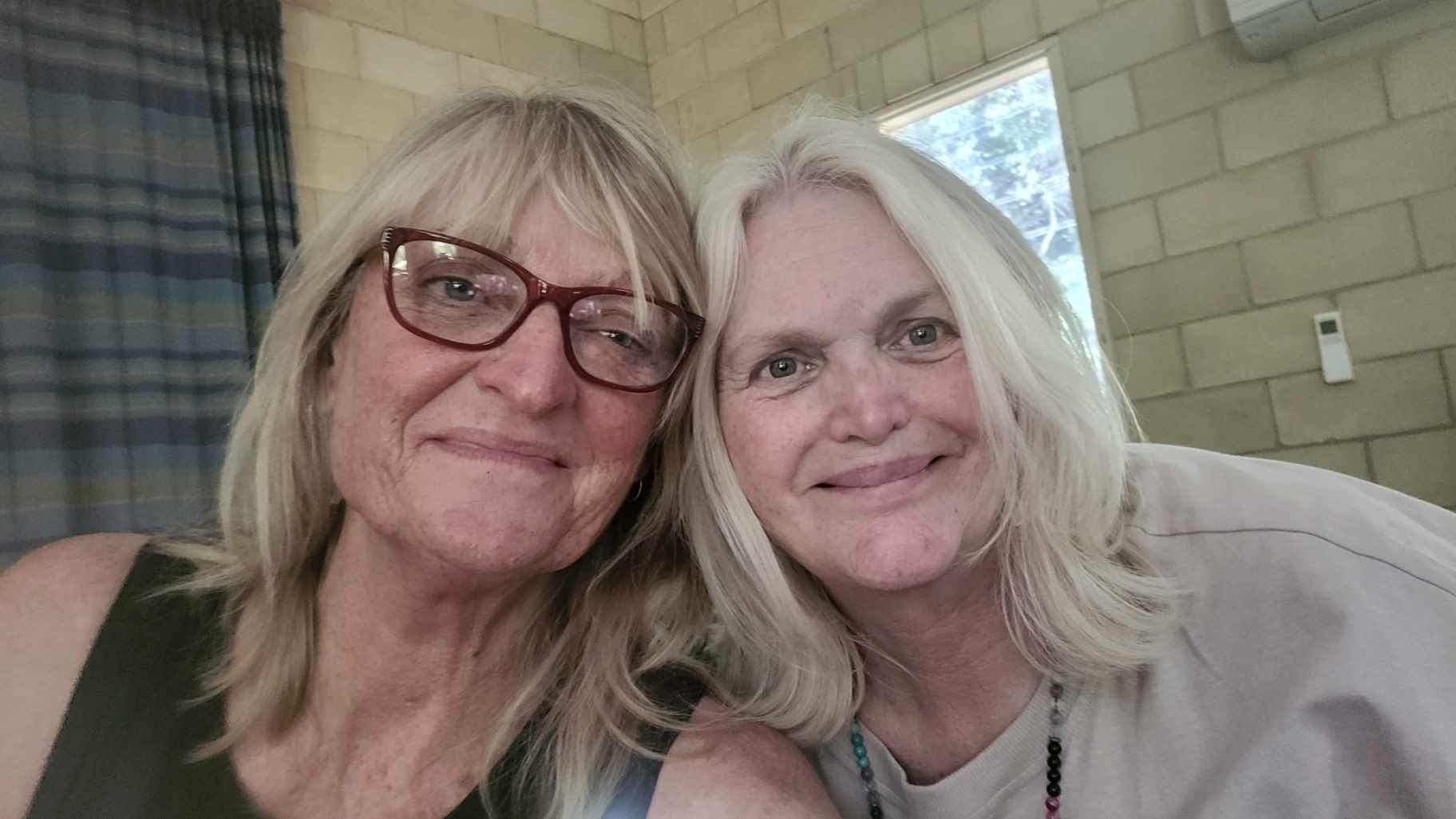
Come along and you will be treated to a memorable, supportive and nurturing space with laughter and creativity aplenty. These retreats offer the perfect balance of relaxing and writing. From the collective energies of the group as a whole to the care-filled little touches that Ed brings, your inner-goddess and writing muse will thank you! A warning though… once you’ve gone on one, you’ll want to come back again and again! Spoken by a true repeat retreater!
4 nights comfortable single accommodation with bathrooms shared between two.
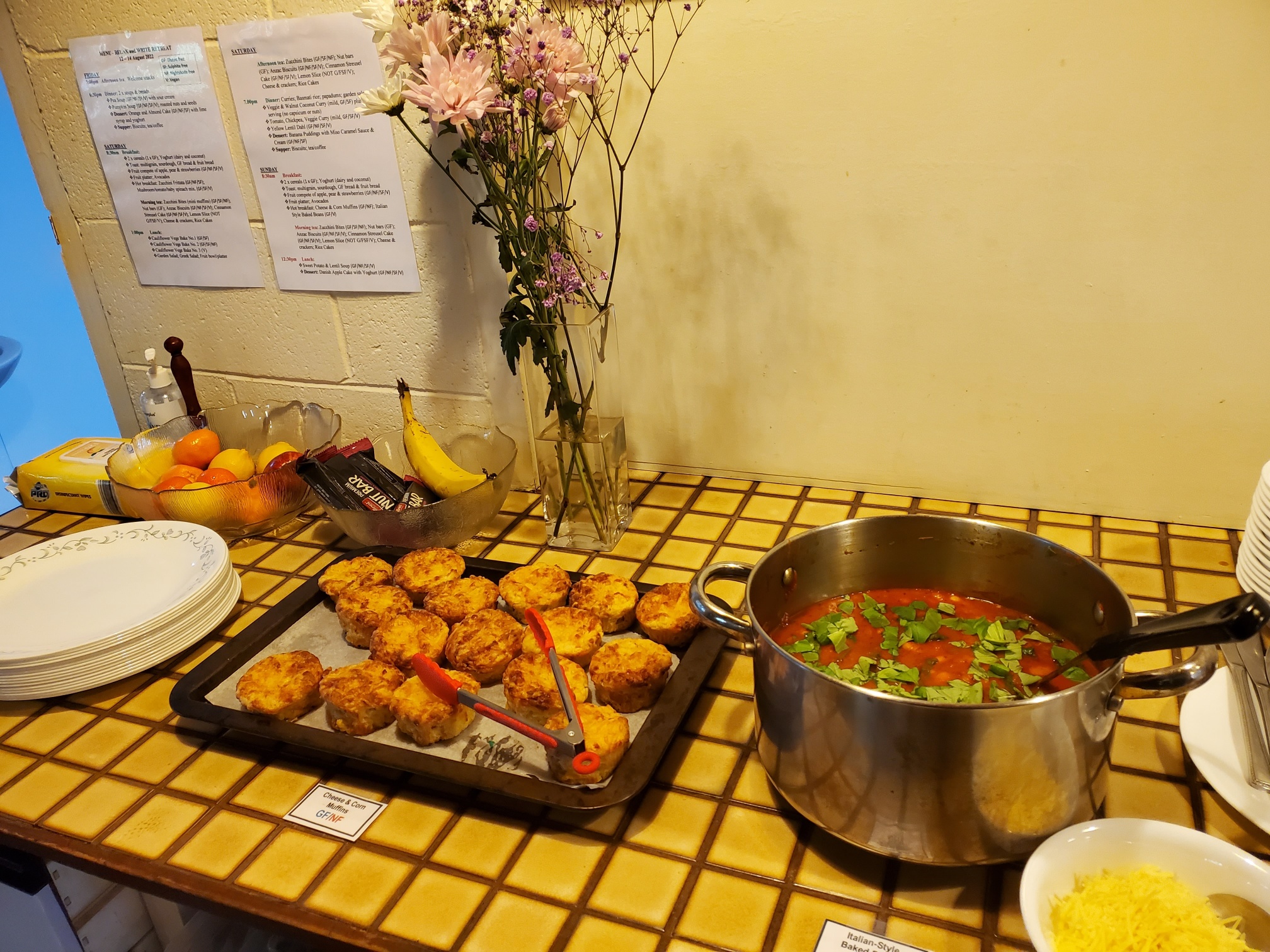
ALL MEALS – healthy homemade organic vegetarian meals, breakfasts, lunches and dinners, plus morning and afternoon teas. (All sensitivities catered for on request)
2 Writing workshops
3 Guided breathing and deep relaxation sessions
4 Q & A sessions
A supervised Pomodoro room to keep you on track,
OR
As much solitary writing time as you like!
Plus: a chance to share your stories on readings nights.
Transport not included.
I have been inspired to work on my writing but also to work on my health. Not only am I motivated but I made so many new friends.
PEG MACLEOD – retreat participant
COSTfor this special ALL INCLUSIVE 4 NIGHT RETREAT of writing, fun and feasting?
If you’ve been promising yourself some time out for your writing and would love to connect with like-minded writing women in a stunningly beautiful location, far from the madding crowds, then this is the retreat for you!
Come along and be nurtured and supported by a kind and gentle group of women and leave all your worries behind as you immerse yourself in the beautiful natural environment, lovingly cared for by the Yugambeh people for millennia.