What’s holding your story up?
All narratives are based around a quest or question of some kind to propel the story forward.
Short stories only need one, usually around a specific period of time, a changing moment in a character’s life – the moment of epiphany, release or realisation.
Long form narratives like novels, memoirs and all narrative non-fiction, thrive on many quests or questions. Each scene has its own, each character has their own, but in order for the whole narrative to hang together and be a compelling read, the author needs to consider a CENTRAL QUEST OR QUESTION that is sustained throughout the entire story to unify and drive it forward.
This central quest/ion encompasses, and lies above or underneath, every scene and every other question or character goal.
Character goals play into the overall quest/ion but are not the same.
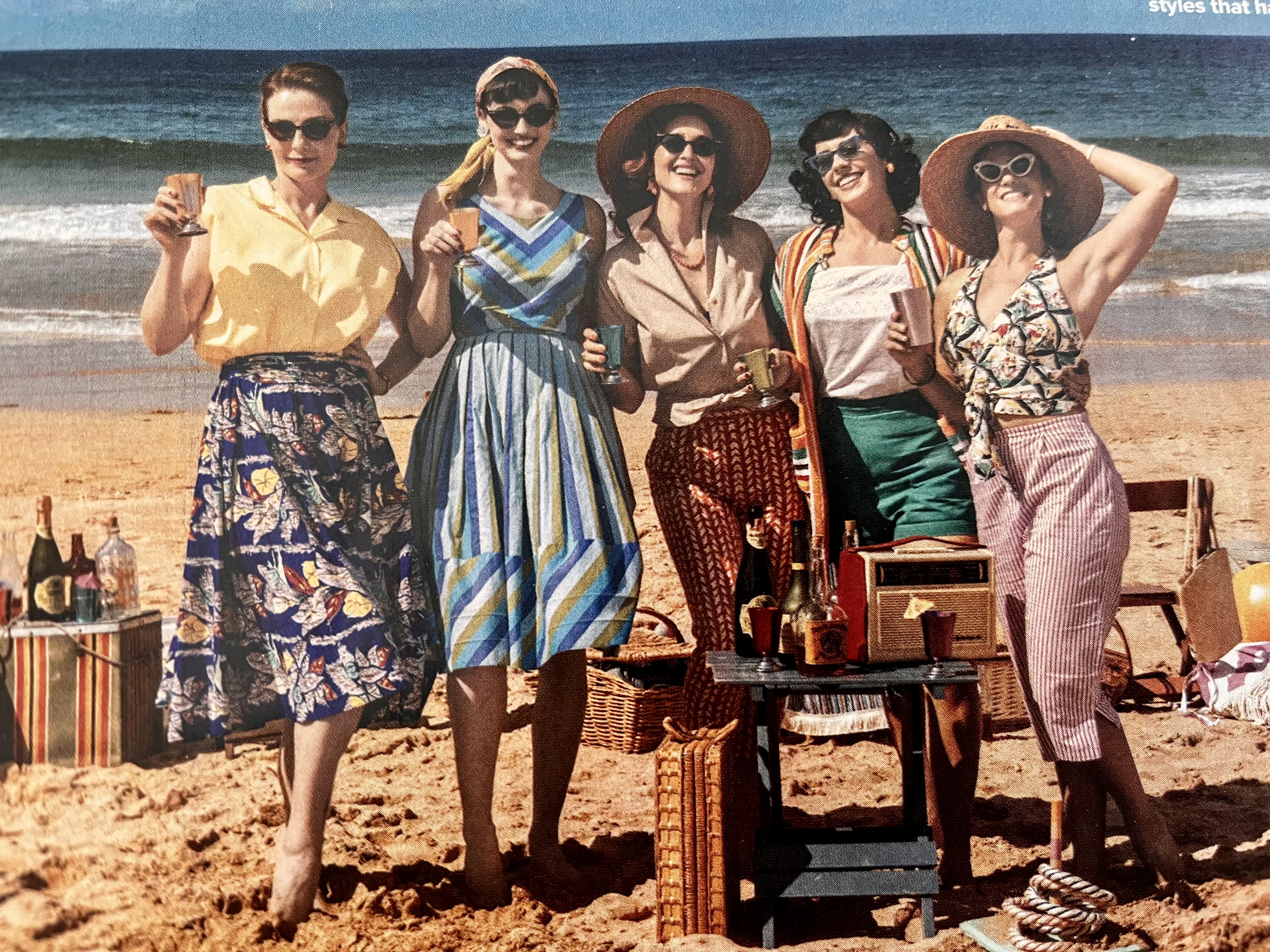
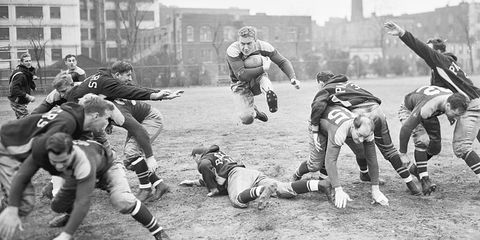
What could happen to start these friends on a novel-worthy adventure?
TRY THIS
To get started on finding your central quest/ion, focus in on your main character, your protagonist. What are their goals?
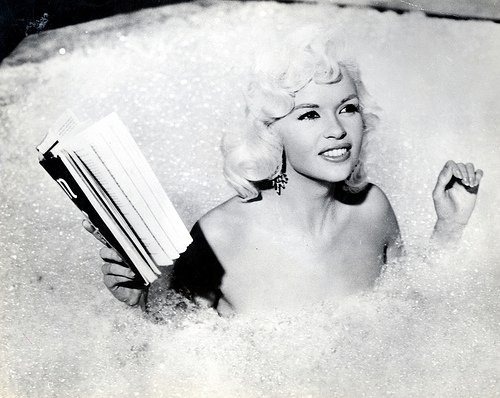
What do they want to achieve/encounter on the physical/material plane? Eg: Sophie wants to become a movie star.
What is their emotional goal? Eg Sophie wants everyone to adore her and for men to fall at her feet.
What is their spiritual goal? To be seen.
Knowing the answers to these questions, as well as defining your character’s strengths and weaknesses, will help you write this character as a fully developed agent in their story. But they are not the central quest/ion.
The central quest/ion is triggered by the inciting incident or call to adventure that sets this story in motion.
EG: In Sophie’s story she’s finally offered a main role in a film but it’s for a notoriously abusive director.
For Dear Madman the central question arises as soon as the man arrives at the family farm and is given work.
In my first novel Thrill Seekers the central question is sparked by the death of the brothers’ father.
WHAT IS YOUR INCITING INCIDENT? What unexpected external event, throws your character’s world into chaos and sets them off on an unforeseen trajectory?
From this inciting incident brainstorm a few quests or questions.
EG. What price will Sophie pay for pursuing her dream of stardom?
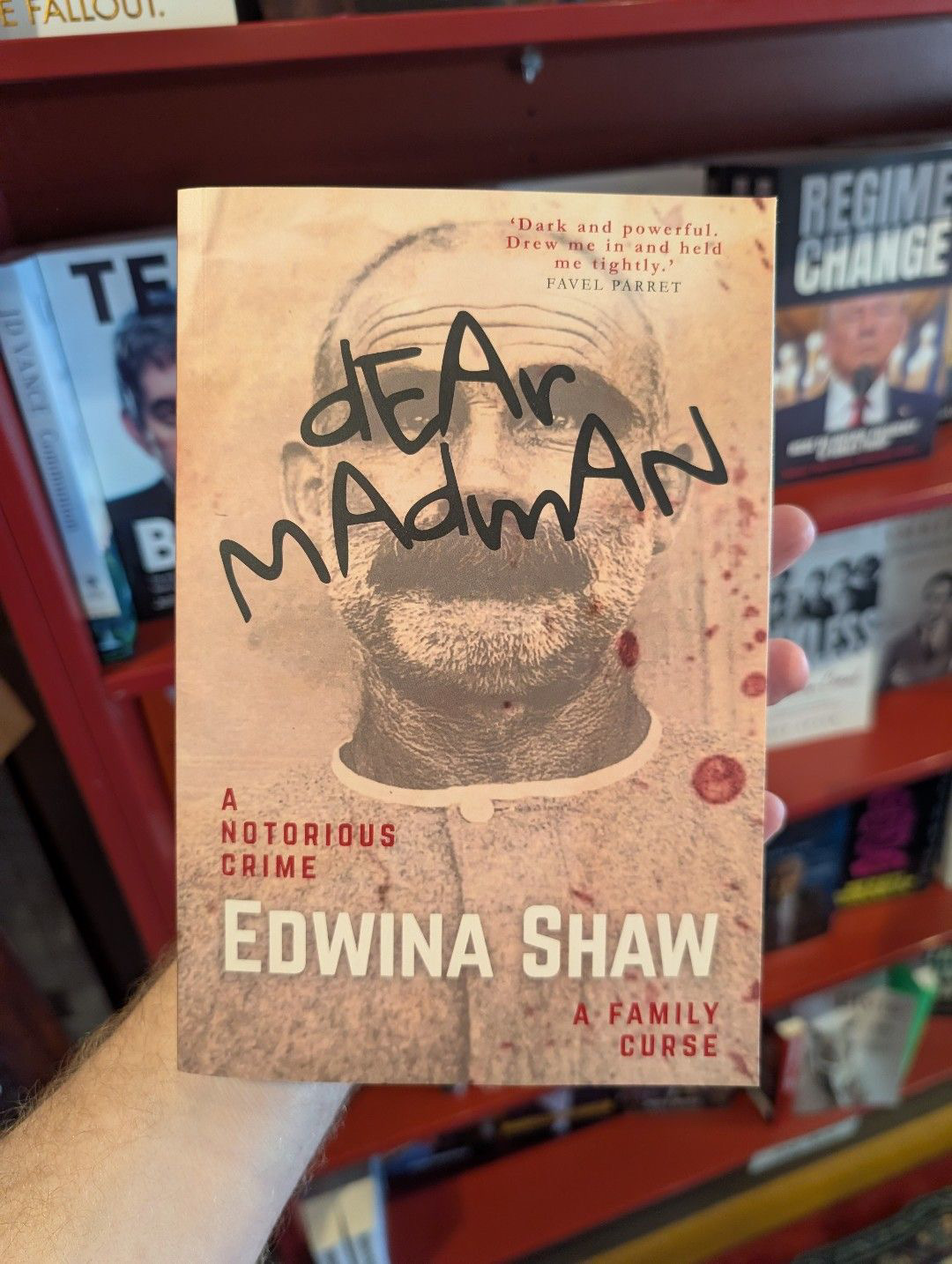
In Dear Madman – How will the meeting of this disturbed man and this family impact them all?
In Thrill Seekers – Will Brian be able to take care of his brother?
Make these overall quest/ions as open-ended as possible.
Here are a few more examples:
In a memoir – Will Marilyn ever find the son she was forced to give up for adoption as a teenager?
In a suspense novel – Will the protagonist survive?
In a romance – Will the protagonists ever come together and be happy?
These central quest/ions are usually simple but there is a lot at stake. Ultimately this quest/ion is what joins disparate sections of your story and keeps readers turning pages right up till the end.
WHAT IS YOUR CENTRAL QUEST/ION?

Will Bob’s new pants impress the ladies?
Make sure you have the right central quest/ion.
Recently I had the pleasure of editing an extremely well-crafted commercial women’s fiction MS with “Sisters” in the title. Central to the story is a crime which directly impacts all three sisters. The author’s central quest was to discover what really happened with the crime, which of course is an important part of this story. BUT at its heart this book is about the sisters, and how the crime will impact upon them and their relationships with each other.
So instead of the central question being “What really happened in this crime?” a better question would be “How will this crime impact these three sisters?”.
The focus on the sisters will ultimately give the author much more scope for developing the story further, as the crime places great pressure on the sisters’ relationships with each other.
CHECK your central quest or question. Is it serving the whole book, or just a section?
Remember each new chapter or scene will have its own question, but all of these play into the overarching narrative driver of the central quest/ion.
EXAMPLES
Sophie’s stardom story:
HOPE – Sophie won’t have to succumb to the casting couch and will retain her self-respect and integrity and become a star.
FEAR – Sophie will suffer abuse, sell herself short and become a bitter and twisted wannabe waitress.

Dear Madman
HOPE- We hope the interaction will be positive for them all.
FEAR – We fear it will end in an horrific tragedy.
Thrill Seekers
HOPE – We hope Brian will do a good job, and both brothers will grow to healthy, happy adulthood.
FEAR – We fear Brian will fail and his brother will die.
Make sure that the worst that can happen will at the very least FEEL like the end of the world for your character, even if it’s just not getting a boyfriend. Make sure you have enough at stake.
HOPE AND FEAR
Once you have your central quest/ion it’s easy then to manipulate reader emotion by moving them in one scene between HOPE – that there will be a good outcome and FEAR – that the very worst will happen.
EG. For our memoir: Marilyn writes to the hospital where she had the child to find details of the adoption – HOPE – she’ll find her son.
They reply that all the records were lost in a fire twenty years ago – FEAR – she’ll never find him.
In Dear Madman – The man is fired and sent from the farm – HOPE – the family will be free of him and return to their normal hardworking but happy life.
BUT then the man gets work at the farm next door and spies on the family – FEAR – they’ve made things worse and triggered a psychotic man’s revenge.
In Thrill Seekers – Brian tells the drug dealer not to give his little brother any drugs – HOPE – he’s doing his job as a big brother and looking out for Douggie.
But then the drug dealer gives Douggie acid anyway – FEAR – things aren’t looking good. Douggie flips out and Brian looks the other way
WHAT IS YOUR HOPE AND FEAR?
Now you have your central quest/ion, work out your hope and your fear. Look at what you’ve already written. Is there movement between hope and fear? If not go back and insert some actions that will prompt either hope or fear.
For more on the secret to suspense – HOPE + FEAR = SUSPENSE – see HERE.
As you write on, make sure you have that ongoing movement between hope and fear in every scene, in every page if you can find a way.
Remember, every character has their own goals that have their own quest/ions. Each chapter and each scene have their own as well. As you go through your story, make a note on whether a scene ends on hope or fear then move us to the opposite in the following scene.
Through it all, like a giant darning needle sewing the whole story together, you’ll have the thread of your central quest/ion, uniting all the elements and drawing them tightly into one compelling narrative.
Hope you’ll find that useful. Now get to work and apply this theory to your story. Did it work for you? Let me know!
Remember to use the search bar here and my Writers’ Index to find articles I’ve written on craft over the past decades. Type your craft issue key word eg, Character or Plot, into the search bar and find all related articles.
You can also find FREE WORKSHOPS on my YouTube HERE
If you’d like me to help you sort out your central quest/ion then drop me a line and we can organise a zoom mentorship meeting to get you started in the right direction. If you’d like a full developmental edit, contact me HERE to arrange a booking. Slots are available from June 2027.
And if you’d like to join us for a full weekend of workshops and writing see HERE for all the retreat news.
If you’d like to buy a copy of Dear Madman, Thrill Seekers or my Guide Through Grief see HERE.
For a monthly dose of writing advice, hints and tips, writing prompts, retreat news and publishing opportunities sign up for my Substack newsletter HERE.
I hope you’ve found this information helpful. Let me know how you go!
Lots of love
Edwina xx
Most photos are mine, but the pants photo is by Gay Liddington and the roses and angel are from Steven Vella