BACKTRACK!

Backtrack lads

Backtrack lads


Recently, I travelled to Armidale on the New England Tablelands of New South Wales to visit the Backtrack school for kids who don’t fit the system.

Backtrack is an organisation that does more than its fair share empowering young people who will otherwise end up on the wrong side of the law. I first learnt of this organisation through my friend Helena Pastor’s work with them as she wrote her forthcoming memoir. She had turned up at their shed every Sunday with a tray of home-baked brownies to help young men complete welding projects as part of the Iron Men Welders scheme.

Since these small beginnings, Backtrack has gone on to host a number of other projects including Paws Up, an award-winning dog jumping squad, Imagine This incorporating the Backtrack school, and Aglads, a farming based initiative. Backtrack’s main mover and shaker, the unstoppable Bernie Shakeshaft, is now at the head of a large group of youth workers, artists in residence (including Helena who is writer in residence) and others, providing employment for a number of ex-clients who have learned to shine under his tutelage.

It was an honour to be invited to their classroom and meet the teachers, Simmo and Helena, and their students. Trey, otherwise known as Ducky, jumped up and shook my hand with a warm smile so I felt welcomed straight away. Freddie, Brady, Hayden, Norm, and Marshall, known as Sheriff for obvious reasons, all introduced themselves and Fred even got up and did some yoga with me. Although he wouldn’t attempt the splits – my ultimate party trick.

We gathered in the office where it was warmer and the couches were comfier and I read “Voices” from Thrill Seekers to them. At first, I was nervous. Only the week before these guys had told their teachers they didn’t like being read to like babies, so I was worried I wouldn’t hold their attention. However, a minute into my reading, I looked up and saw that the phones had been put away, the fidgeting had stopped, and all eyes were on me.

I hadn’t read “Voices” aloud for a long time and was caught off guard by the power of the emotional ending, especially as this story is so closely based on my own experiences. My voice broke and I thought I was going to cry in front of these tough guys. But you know what? They were right there with me. They KNEW how I’d felt. After I’d finished, we all had a chat about ganja and booze and other drugs and freaking out – what to do if someone you know is losing it, or you’re losing it yourself. They’d lived a lot, these young men, and had some great ideas on how to turn things around.

I’d brought along books and signed a copy for each of them. Never was I so glad to give books away, they were so warmly received. I was even happier when some of them sat down straight away and started reading. It was hugely gratifying to see my book being read by the boys who had lived similar stories – who really knew what it was about.

But that wasn’t the highlight of my visit. That came later when we were all helping Sally cook up a delicious lunch of minestrone and chicken fried rice. As we sat in the office chopping veggies, Simmo got out his guitar and we all sang along to Lean on Me by Bill Withers. “Lean on me, when you’re not strong. I’ll be your friend; I’ll help you carry on.”And bugger me but I almost cried again, it was so beautiful. My brother Matty would have been right at home with that bunch of talented young men. Just like I was. Thank you boys! Thank you Backtrack for being there for them.

Edwina and Sheriff

Edwina and Sheriff


Thrill Seekers

Thrill Seekers

DRUGS AND PSYCHOSIS with Dr. Dawn Barker

Dr. Dawn Barker

Dr. Dawn Barker

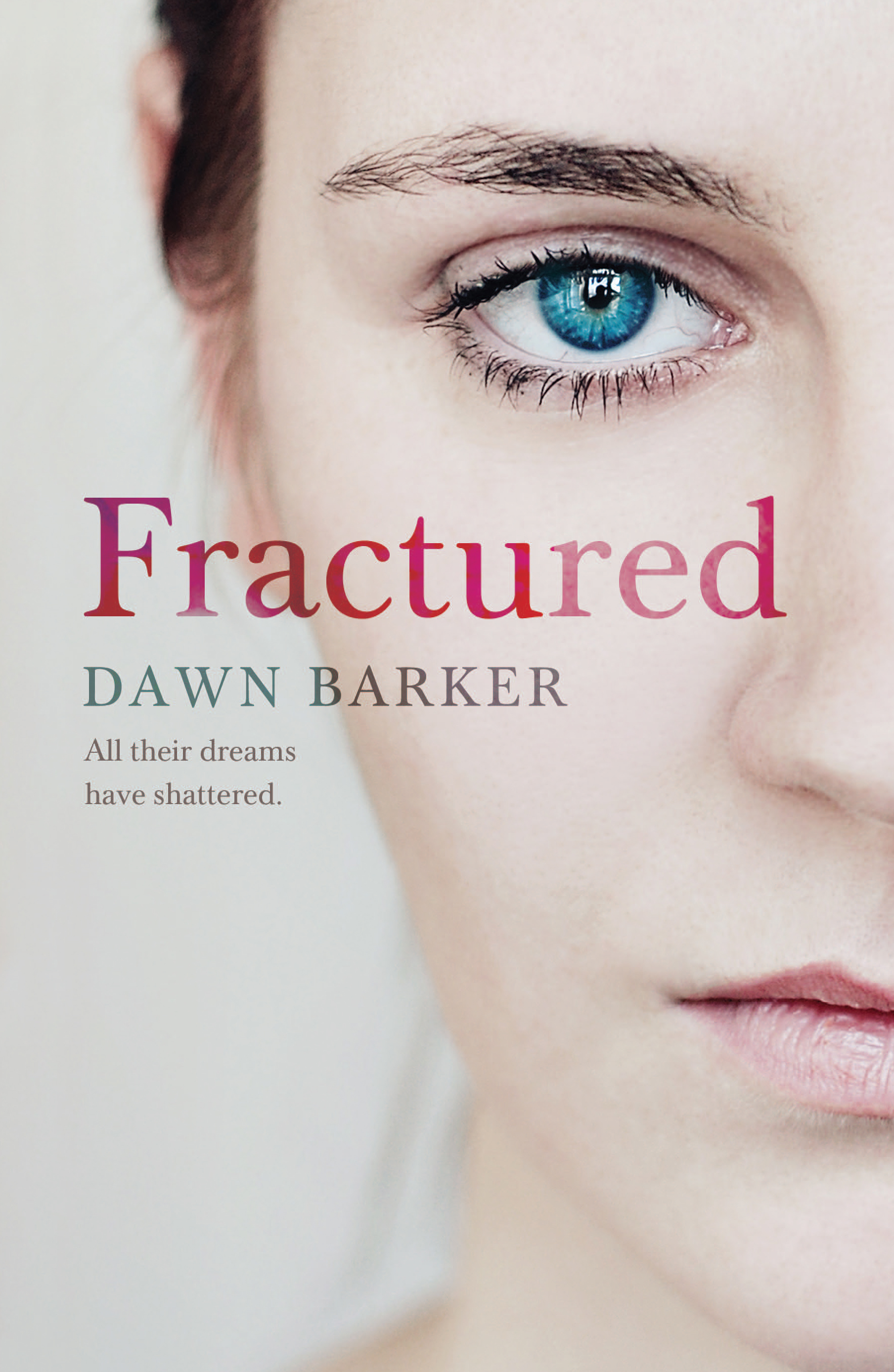
Dr. Dawn Barker is a child and adolescent psychiatric expert. She’s also a writer and a friend of mine. We’re both intrigued by the workings of the mind and feel deeply for those who suffer from mental illness and those who love them. Dawn’s new book Fractured weaves a suspenseful tale about a young woman suffering post-natal depression. It’s just been released by Hachette Australia and I can’t wait to read it.

I’ve done some research about the link between cannabis use and schizophrenia, but I’m no expert, so I asked Dawn to write an article detailing the most recent findings. Please use the comments section to ask Dawn any questions you may have. I will be!


Thrill Seekers

Thrill Seekers


Drug Abuse and Psychosis

Dr. Dawn Barker, Child & Adolescent Psychiatrist. MBChB, FRANZCP, Cert C&A Psychiatry


In Thrill Seekers, we meet a group of adolescents who – like many teenagers − use drugs recreationally. One of the main characters, Douggie, then becomes psychotic and develops schizophrenia. Many of us know a friend or family member who’s had a similar illness after drug use and are left wondering: what is the relationship between drug use and psychosis?


What is psychosis?


Psychosis refers to a group of symptoms mainly characterized by hallucinations and delusions. Hallucinations are abnormal sensory perceptions: hearing, seeing, tasting, feeling or smelling something that isn’t actually there. The sufferer might hear voices talking about them, feel insects crawling on their skin, or see faces on the wall. Delusions are abnormal, false beliefs that are held with unshakeable conviction. A deluded person may believe that they are someone special, that they are being followed, or are guilty of something terrible. A psychotic person’s speech can be difficult to follow as their thoughts are disordered, and they lose insight, that is, they are not aware that their beliefs or sensations are abnormal. This can make it very difficult to persuade a patient to seek help and accept treatment.


Most people think of schizophrenia when they think of psychosis, but that’s not necessarily the case: psychotic symptoms can occur briefly and transiently (when using drugs, or when medically unwell), or can occur as part of another psychiatric illness such as depression or bipolar disorder. If the symptoms aren’t secondary to anything and become chronic and disabling, the diagnosis changes to schizophrenia.


Drug use and psychosis


There is no doubt that drugs can cause psychosis. Some drugs – the hallucinogens like LSD and ‘magic mushrooms’ – are used to deliberately alter sensory perceptions. However, psychosis is often an unwanted reaction. As a psychiatrist, I’ve seen hundreds of patients brought into emergency departments − often by the police − with distressing, acute psychosis after abusing drugs such as amphetamines, cocaine or cannabis. Thankfully, most of these patients recover when the drug is out of their system after a few hours or days – we call this a substance-induced psychosis.

What is more worrying is the patient whose psychosis persists even after the acute effects of the drug have worn off. Some of these patients are eventually diagnosed with schizophrenia. Are drugs responsible for this?


The relationship between illicit drug use – particularly cannabis – and schizophrenia is a controversial one. Many patients with schizophrenia have used drugs, but many have not. And of course, the majority of people who use cannabis don’t develop schizophrenia. We know that people with a psychotic illness have a higher rate of cannabis use than the general population, but this could be explained by them being drawn to drug use as a way to cope with their symptoms.


As more long-term studies are analyzed, the links are becoming clearer and the most recent evidence is this:

  • If you have a psychotic illness and used cannabis in adolescence, you develop the illness 2-3 years earlier than those who didn’t use cannabis. This is significant, as we know that an earlier age of onset is associated with a poorer outcome. Using cannabis in adolescence makes you up to twice as likely to be diagnosed with schizophrenia in adulthood, and this is a dose effect: the more you use, the more likely the diagnosis is.
  • Using the drug at a younger age is most risky: cannabis use at the age of 15, but not age 18, is associated with the higher rates of schizophrenia. It’s possible that one of the chemicals released in the brain when using cannabis, dopamine, is the culprit. We use drugs that block dopamine to treat schizophrenia.
  • Cannabis use comes before psychotic symptoms appear, rather than the illness leading to more drug use.


Some people have a gene that, if present, appears to interact with adolescent cannabis use to cause psychosis. Thankfully, schizophrenia is rare, occurring in approximately 1% of the population. Cannabis use in adolescence is just one of several factors that interact to cause the illness, but it’s a significant factor that, if taken out of the equation, could reduce the rates of schizophrenia by 8%.


It’s unrealistic to expect young people to stop using cannabis completely. But we need to understand that its use in the teenage years does increase the risk of developing schizophrenia and we have no way of knowing which young person will be affected. As anyone who has suffered from – or watched someone go through − this illness will agree with, preventing even one case would make a huge difference to many lives.


For more information or if you, or a love one, need help, please contact:


1. Your local doctor or emergency department

  1. 2.  Lifeline: 131114
  2. 3.  Kids Helpline: www.kidshelpline.com.au 1800 551800
  3. 4.  Headspace: www.headspace.org.au


 References

Large M et al. Cannabis use and earlier onset of psychosis: a systematic meta-analysis. (2011). Arch Gen Psychiatry 68(6):555-61.


Arseneault et al. Causal association between cannabis and psychosis:

examination of the evidence. (2004).  British Journal of Psychiatry 184:110-117


http://www.nationaldrugstrategy.gov.au/internet/drugstrategy/Publishing.nsf/content/C22A31B6C742DFE5CA25767E00122541/$File/m684.pdf Accessed 22/01/2013


FRACTURED by Dawn Barker

FRACTURED by Dawn Barker