SETTING – more than just the scenery! 

Find yourself writing in this setting! Bali retreat 2025 soon opening for bookings.

I’ll admit I haven’t always found writing setting easy. As I wrote my books I could see scenes playing out clearly in my head and thought the reader would somehow also see it the way I did by osmosis or some other magical device, because I wasn’t giving them much in the way of setting detail. These days I’ve come to realise just how important setting is, and the load it carries, not only in establishing our story worlds and grounding the reader in that world, but also the essential role setting plays in developing the tone of a piece of writing and in illustrating emotional undercurrents. 

Writers of fantasy, sci-fi, magic realism and historical fiction take note – worlds that are not easily imagined by a modern audience demand that the writer spend more time and page space on developing their story setting. This story world needs to be placed in time and space with key sensory physical and cultural details described so the reader is able to visualise where the story action is taking place and is familiarised with the mores and ethical laws of this new world. 
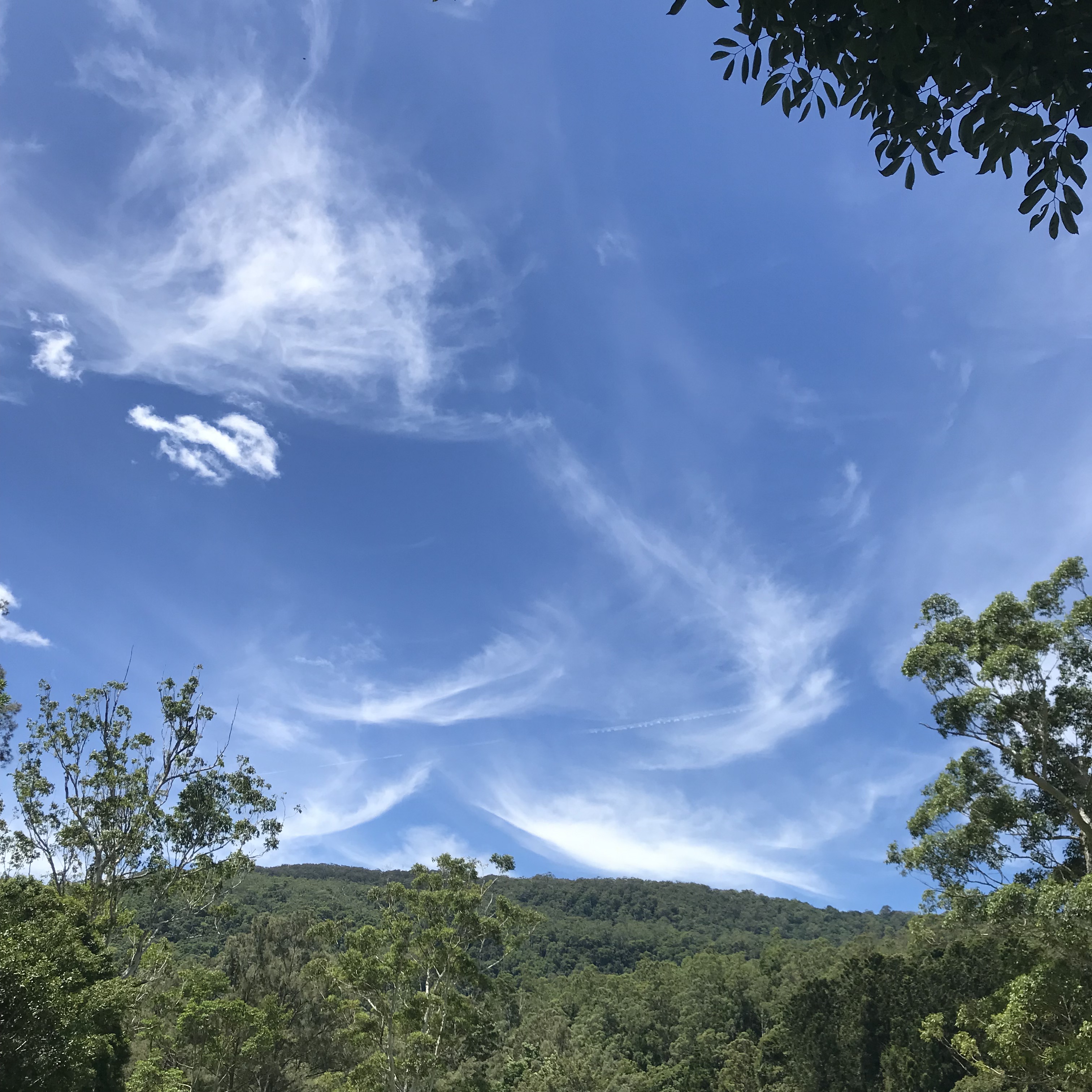
For example, a sci-fi novel set on a planet controlled by women where there are three moons but no sun, with trees as tall as skyscrapers and all dwellings are within the trunks of those trees, needs much more description than a story set in a modern shopping mall. A fantasy medieval world with modern gender sensibilities also needs greater description – not only of the physical but also of the societal aspects of the world. We need to give the reader enough clues about the story world, and demonstrate consistency in this world, both physically and culturally, so that they can relax and not have to strain over imagining where the action is taking place. When we are writing a piece based on a modern, familiar setting we don’t need to fill in as much detail, but we still need to use a few telling clues to establish where and when we are. See GROUNDING YOUR READER for more.

SPECIFIC UNEXPECTED SENSORY DETAILS

Artwork by Karla Dickens, photo by me.

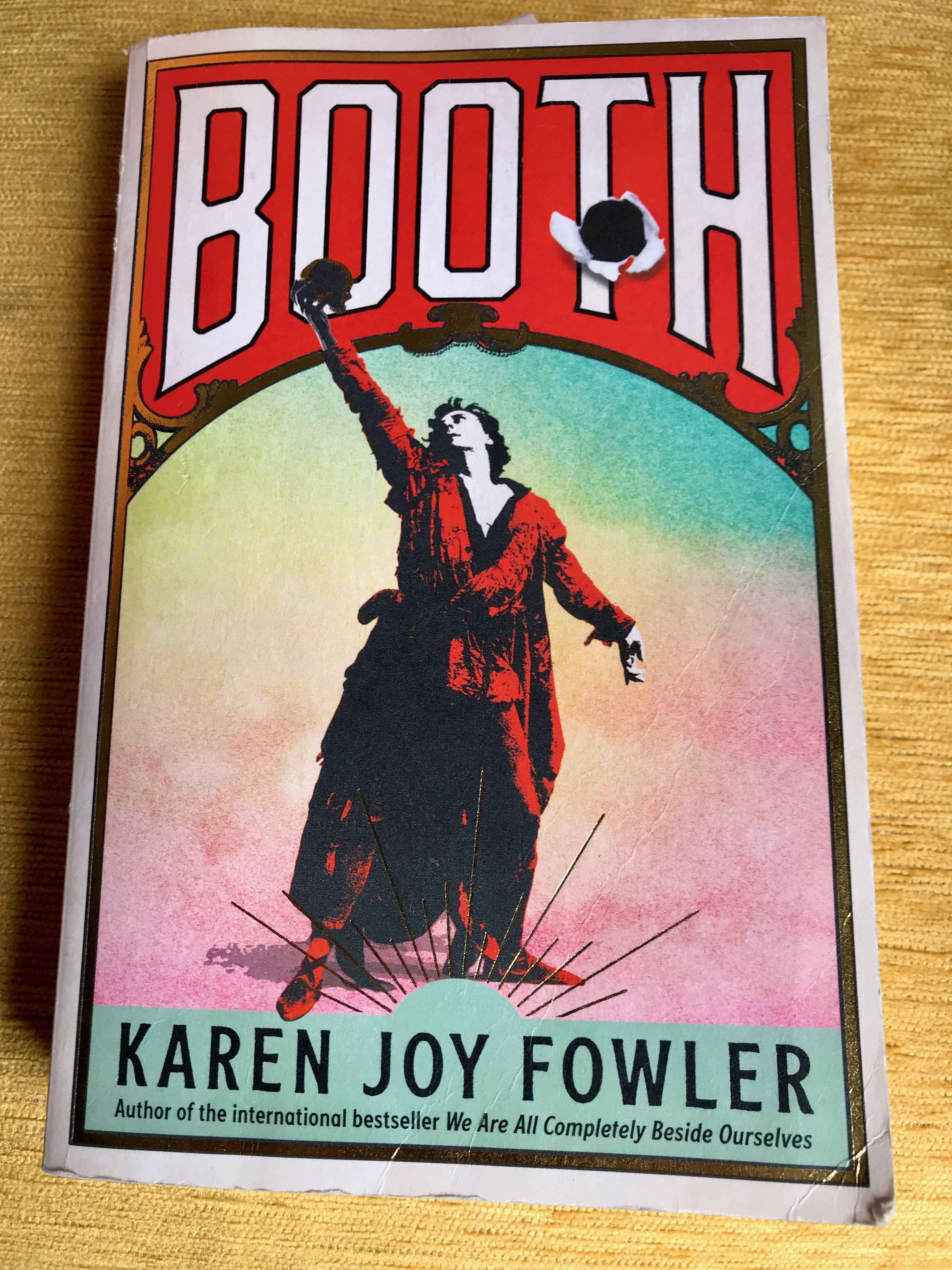
One of my favourite writers, Karen Joy Fowler, author of Booth and We Are All Completely Beside Ourselves, once shared with me her tips for writing, and using these specific unexpected sensory details was one of the best. When we write prose rather than screenplays, we have the advantage of being able to use all of our senses, while screenwriting is confined to only what we can see and hear. So USE ALL FIVE SENSES in your writing. Show us the shapes and colours and give us the sounds but also include smells, and taste if you can, and the visceral experience of the body. The key is to make these details interesting. Choose the unexpected

For example, if you’re describing a teenage boy’s bedroom, we expect to see piles of dirty sports clothes, and some band posters on the wall, but we don’t expect to see a frog halfway through dissection and a collection of taxidermy projects lining the shelves. The cave dweller who had a crooked little finger that showed up every time she did a handprint is instantly recognisable through this one unexpected detail. Use the power of the unexpected in your setting descriptions!

Setting is not just the house or room or forest or sea or ship or castle or dungeon, it also includes what I call the “props” – furniture, decorations, contents of fridges or bags or other items in that setting. By choosing what you want the reader to focus on through your description of these specific unexpected details you can illustrate their personalities before they even appear on the scene. 

TRY THIS!

Describe a character through the contents of either their pockets, handbag or fridge. What clues can you give us about this character by what you choose to show us?
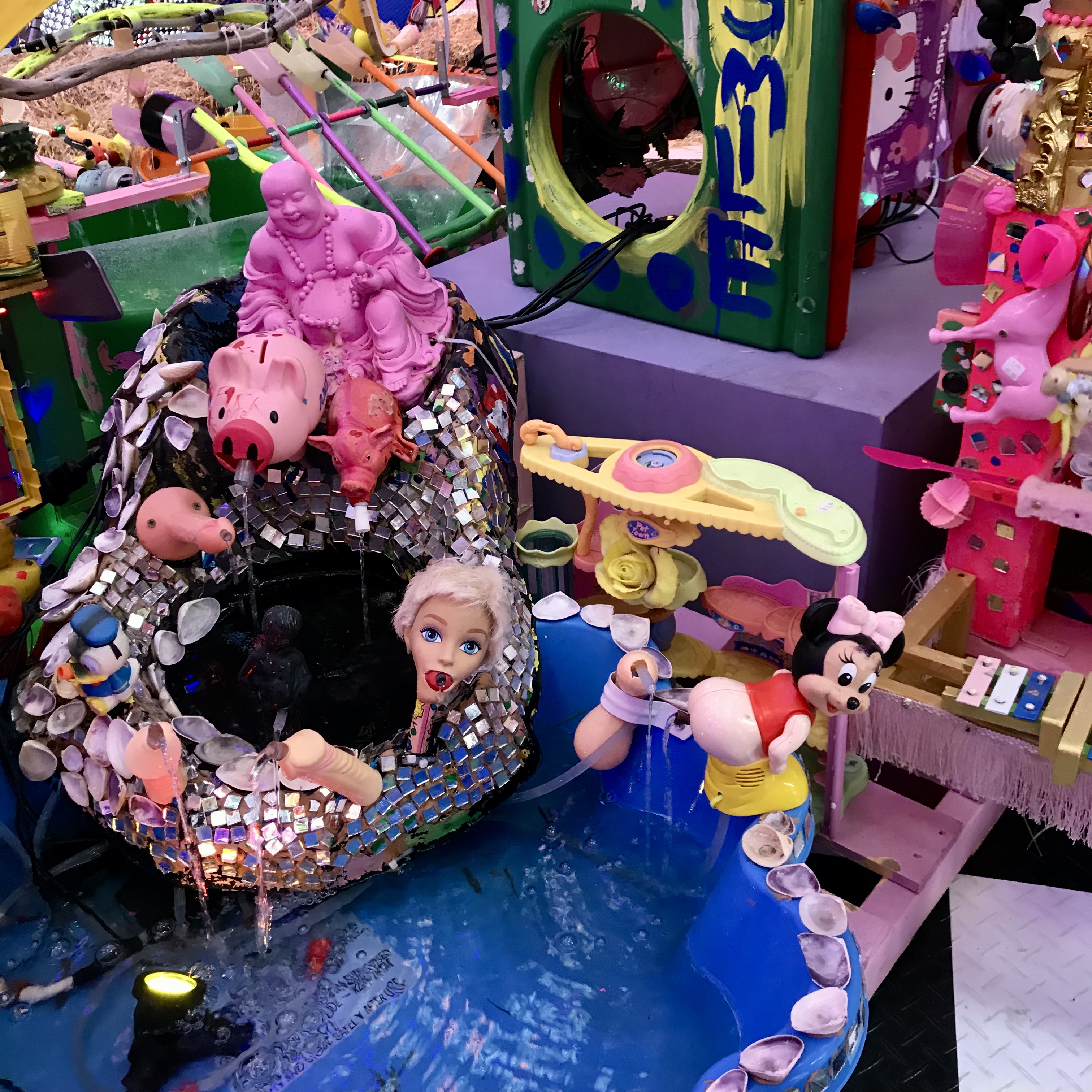
Artwork by Paul Yore, photo by me 🙂

T. S. ELIOT’S OBJECTIVE CORRELATIVE

The poet T. S. Eliot famously wrote about using objects to illustrate character emotions instead of baldly stating the feeling. For example. Instead of saying: Pam was totally frazzled, we could show Pam packing an overnight bag in a rush, but forgetting to close it properly so when she goes to leave everything falls onto the floor. Think of that old song “My Grandfather’s Clock” – the clock stops short, never to go again, when the old man dies. 

TRY THIS!

  • Use an object to illustrate emotion in your story.

Setting details can also reveal emotional undercurrents to a story and set the tone of the whole piece. Shakespeare often uses the weather to illustrate the emotional turmoil of his dramas. Storms and droughts and wild winds or gentle rain can all play a part in establishing the emotional setting of a scene. 
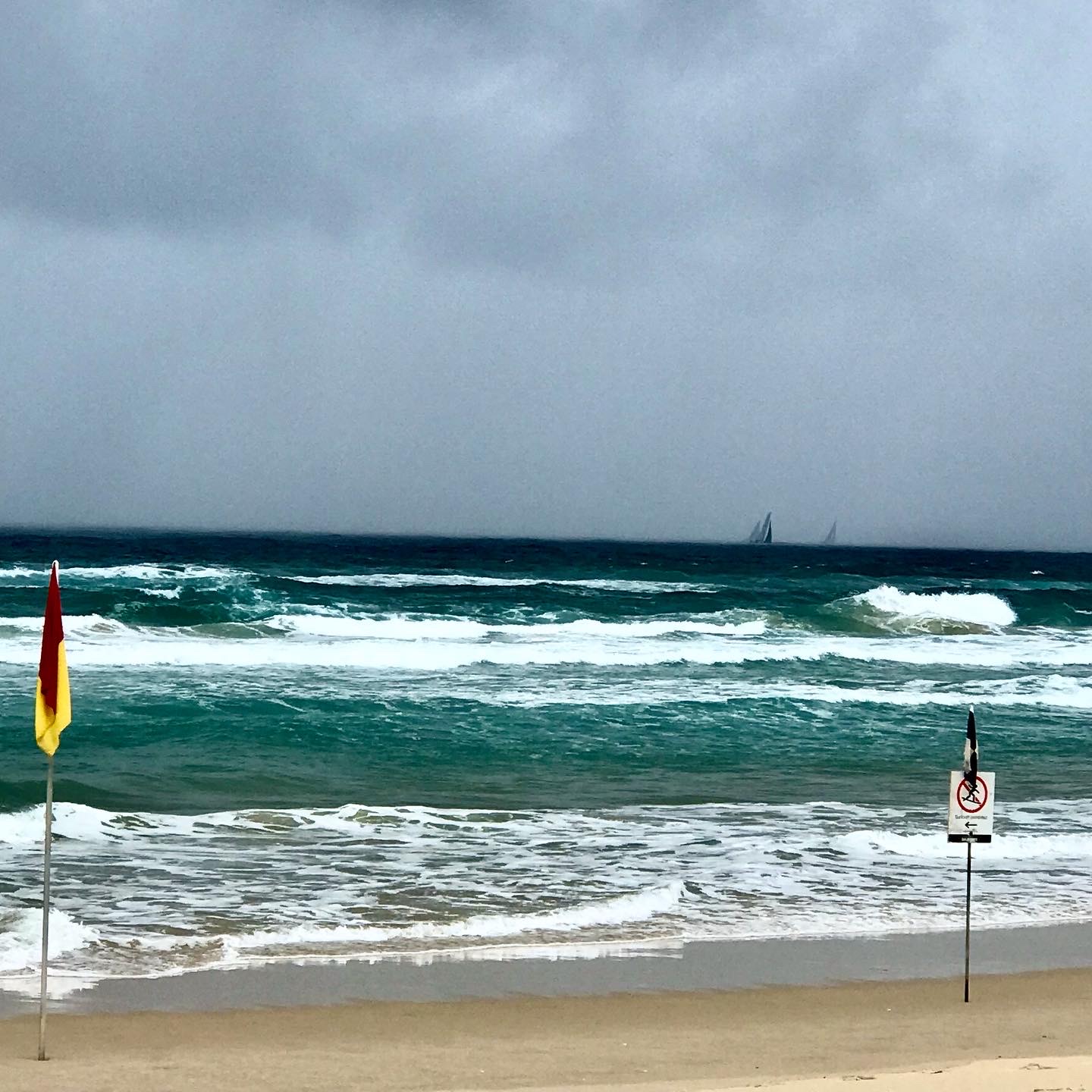
TRY THIS:

  • Add drama to a scene of conflict through using weather details – a blazing sun hammering down, a torrential downpour about to wash the hut away?

In a similar way, setting details used well in dialogue, can completely change the meaning behind the spoken words. There’s a big difference between “What time is it?” Rosie squints and slowly lifts her head from the pillow. And “What time is it?” Rosie hurls the cold saucepan full of soup at Bob’s head. 

Remember the key to good setting is the use of SPECIFIC UNEXPECTED TELLING DETAILS.

Have you got any tips for writing setting? Do let me know in the comments!

Lots of love

Edwina xx

5 Sure Signs You’re a Writer – do this quick quiz!

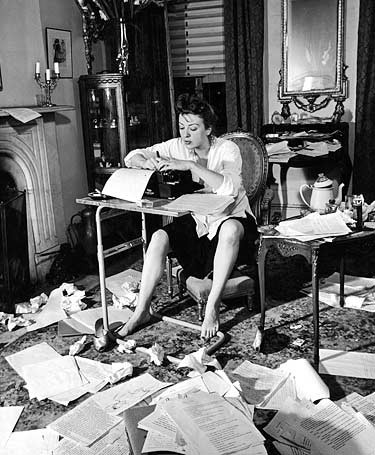
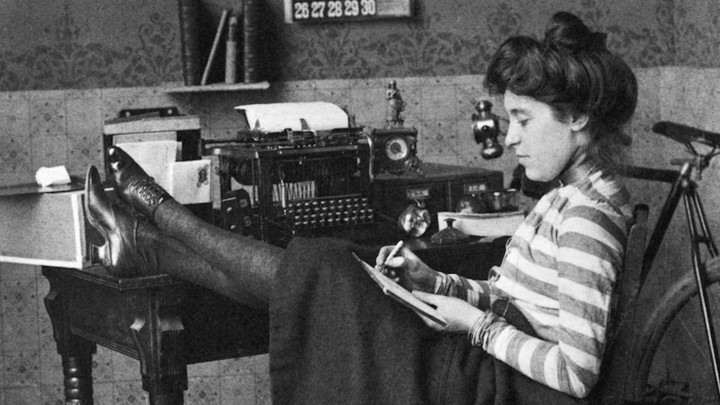
Writer at work!

Got a feeling you might be a writer? Do this quick quiz then add up your points and see how you go!

5 Sure Signs You’re a Writer

  1. You READ – a lot. Is your bedside table, floor, desk covered in books half-read and to be read? Writers read voraciously and widely. Reading is your safe place and your sanctuary. Not only that, when writers read we’re always looking at how the book is written, especially books we love. We’re always thinking, “How did the author DO that?” Give yourself one point for every book in your pile.
  2. You WRITE. Do you have a diary or journal you’ve been keeping for years? That’s a sure sign of a writer and the best way I know to develop your unique writing voice. Not keeping a diary? Do you write long letters, or emails or blog posts? Do you write to make sense of things? Write to bear witness? Does the act of writing give you pleasure? Does writing soothe you? Do you find comfort in shaping words into sentences and sentences into paragraphs? Give yourself 5 points if you write regularly. An extra 5 if you’ve kept a diary for over a year.
  3. You REMEMBER IN STORIES. When you are remembering events from the past, do you find yourself writing the memory in your head? Are you forming a story with words rather than images, or images and words together. Are you trying to find a way to tell this story in a way that adds meaning to the random events of life? If so give yourself 5 points. If you’ve started writing these stories down, give yourself an extra point for every story you’ve started and an extra 5 for every story you’ve finished.
  4. You DREAM IN STORIES or WAKE UP with story lines fully formed, or a CHARACTER wanting to be written. Do you remember your dreams and think, now THAT would make a great story! Do you wake up with the beginnings of stories in your head, with sentences, maybe whole paragraphs already formed? I woke up once with this: “My name is Condolezia, but I don’t speak Spanish. I was born the year after my brother who died the day he was born.” It was so strong I still remember it! Do you daydream in stories? Do characters tap you on the shoulder and demand to be heard, to have you write them into being? Give yourself 5 points if any of these nerdy, wordy visitations have happened to you. Give yourself an extra 5 for every story you’ve written from these prompts.
  5. You FIND YOURSELF WRITING YOUR LIFE WHILE YOU’RE LIVING IT! This is a sure sign you’re a writer. If, in the midst of some life drama, turmoil, blessing or tragedy you find yourself searching for the words to describe it, then you are unmistakably a writer. The day my infant son died, I found myself sitting on the loo thinking about how I could ever write this terrible story. Thinking of a title. “Of Milk and Blood” I thought was pretty good. But I thought again and ended up with my Guide Through Grief instead. So if you’ve found yourself sitting among the wreckage, thinking up titles for this period of your life, then, I’m both afraid and proud to say – You, my friend, are a writer! It’s a blessing and a curse. Sometimes I just want to LIVE something without putting it into words. Give yourself 10 points if this kind of thing has happened to you. An extra 10 for every story inspired in a similar way, that you actually wrote.

SO, are you a writer?

IF YOU SCORED

0-5 points you love to read, but haven’t actually spent much time writing or even thinking about writing. You’re happy to let others do the story telling. The world needs readers and we writers LOVE YOU!

5-15 pointsyou love reading and writing and a deep part of you is calling out to be expressed in words. All you need to do is give yourself a chance. Try getting some of those stories out of your head and onto the page! See here for a guided meditation to quiet that inner critic holding you back and get you started!

15 – 30 pointsyou’ve got what it takes to be a writer! In fact, you know it in your heart but you just need a little nudge to get those stories out of your head and onto the page. See here for a FREE WORKSHOP that will help you use all those great inspirations and thoughts to create stories.

30 points and over – CONGRATULATIONS! YOU’RE A WRITER! Yes you are! You know this, you’ve been writing and getting some of those ideas onto paper. Writing is a rewarding and fulfilling lifestyle. Writers are always observing and learning and creating meaning through words. Words bring comfort and order to our lives. We can create something beautiful from all we experience, even the darkest moments. See here for an affordable live online course in creative writing that will give you all the craft knowledge you need to make your stories engaging and compelling and, most of all, publishable!

WHATEVER YOU SCORED, if you’re reading this post, something is calling you to writing. Consider yourself on notice. Sooner or later you’re going to have to get those stories out of your head and onto the page. See my FREE WORKSHOP and then check out my UPCOMING CRASH COURSE IN CREATIVE WRITING

Let me help you set out on the magical journey of writing! I’ve been writing and publishing for over 20 years and have been teaching creative writing at universities, schools, festivals, at the Queensland Writers Centre and in the community since 2005. I’ve helped more writing students than most people have had hot dinners, so let me help you make a start on your writing adventures too. See more about me HERE.

Now, stop reading and start writing!

Wishing you the joy of creativity this holiday season. May you and yours connect in love and harmony and may the year ahead be filled with fun, creative adventures, lots of laughter and friends and fantastic good luck! YAY!

Lots of love

Edwina xx

PS. Remember to check out my UPCOMING CRASH COURSE IN CREATIVE WRITING