Relax and Write Memoir and Life Writing Retreat: 18 – 20 October 2024

Is your creative spirit crying out for a little TLC? Always wanted to write but don’t know where to start? Need to reboot your writing mojo and be inspired to tackle that project you’ve been thinking about forever? Feeling trapped? Unable to find any time for yourself, let alone your writing?

Rescue is at hand!

Come along and regain your love of writing and life at the next Relax and Write Retreat 

From midday FRIDAY 18 October – 4 pm SUNDAY 20 October 2024
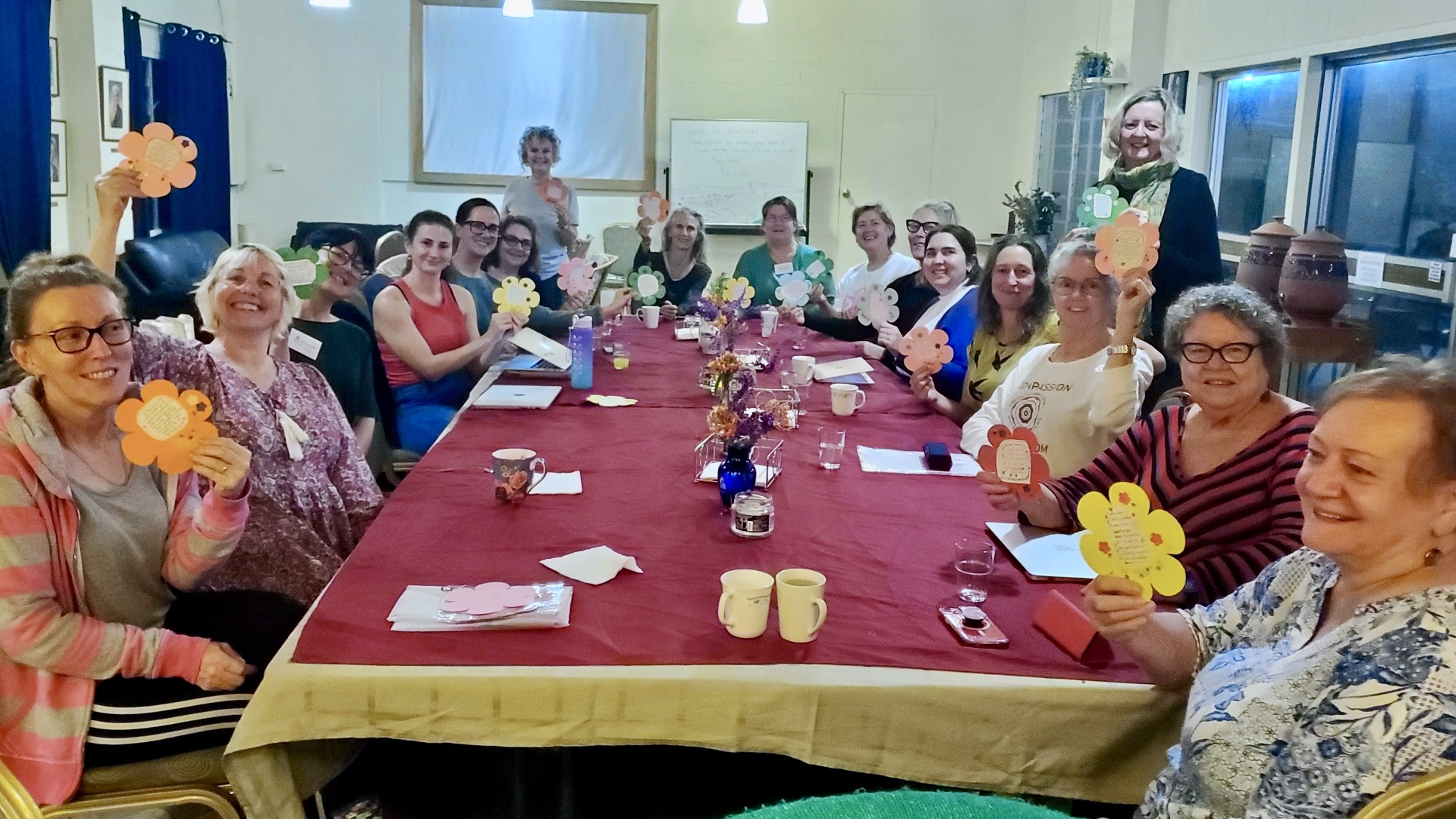
Join like-minded women in a fun and supportive environment discovering just how much some deep relaxation can ignite your imagination and get you writing again.

Relax and unwind with gentle morning yoga sessions and be inspired by innovative workshops to help move those stories out of your head and onto the page. Your voice is valid. You deserve to be heard. 
“I feel transformed, as a writer and as a human being.”

Bianca Millroy – writer and retreater

The program includes two yoga sessions, four workshops to get you writing, plus advice on submitting your work. Two nights comfortable but basic single accommodation with bathrooms shared between two women, plus delicious vegetarian meals, snacks and a special readings night around the fire are all included.

“The fully-catered retreat environment was comfortable and stress-free. An atmosphere that encourages, motivates and inspires.” Gay Liddington – writer and retreater

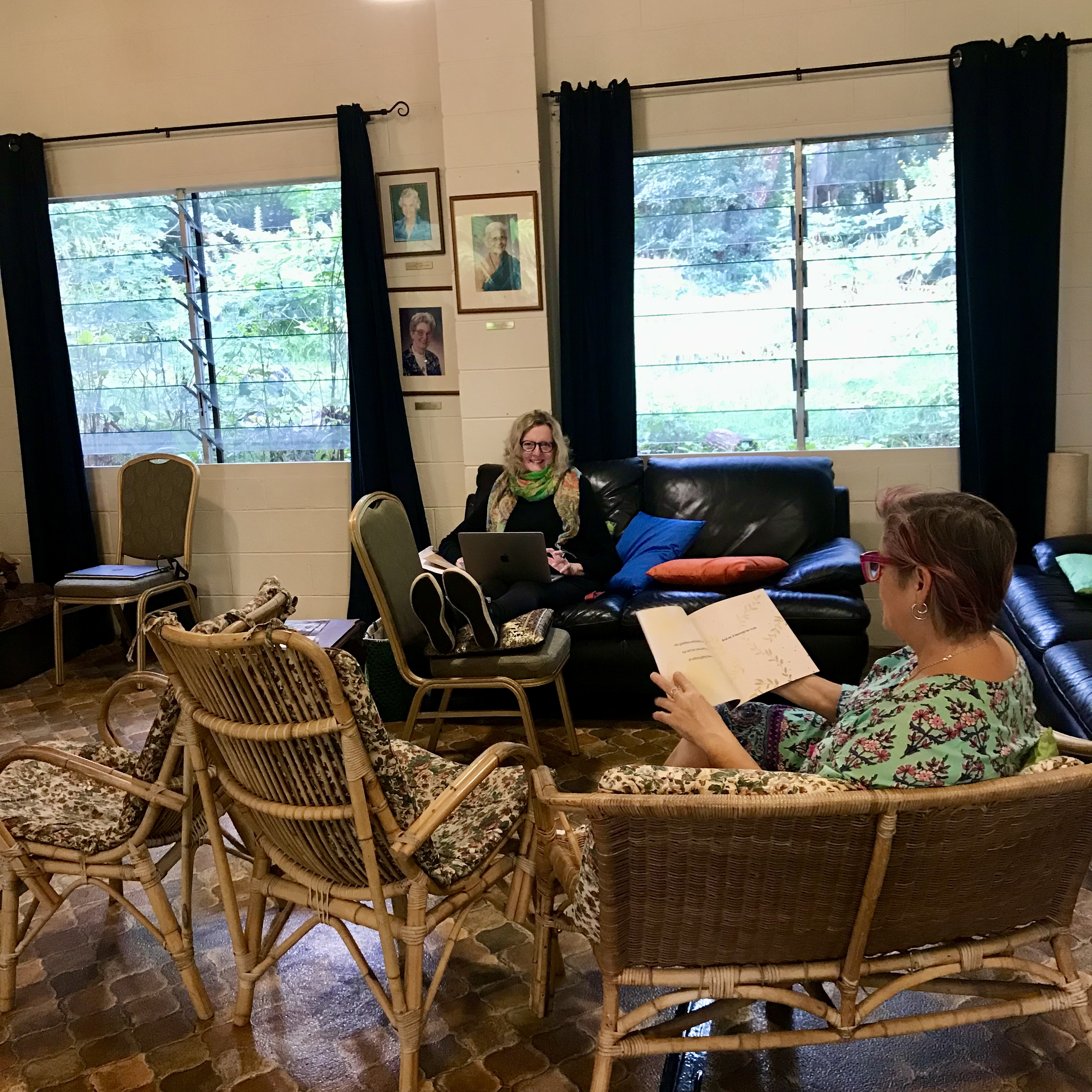
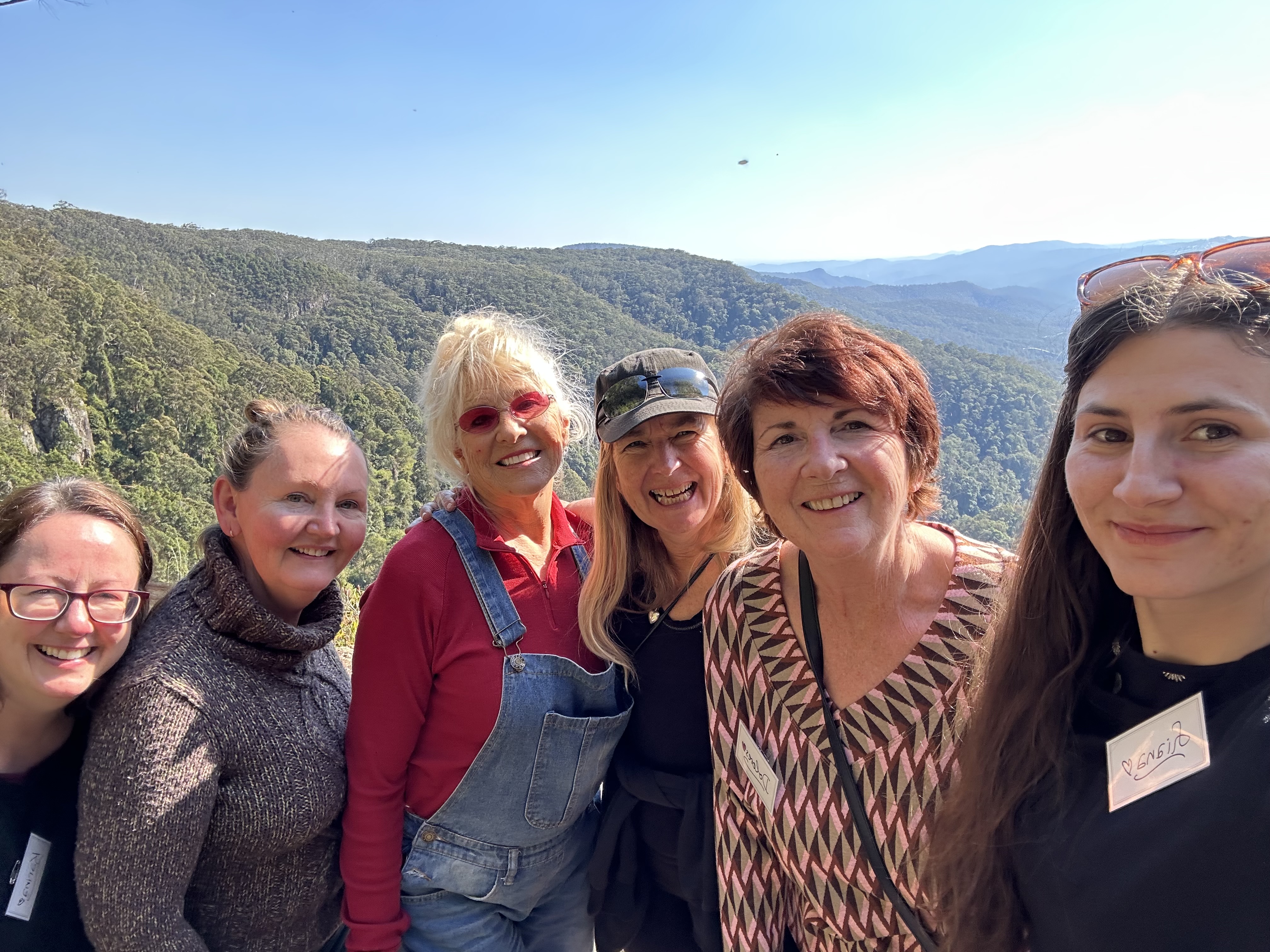
Connect with other creative women in a beautiful, peaceful location high above the world in the heritage rainforest of Springbrook at the magical Theosophical Society Retreat Centre. Gaze out over an untouched wilderness and dip your toes in the pristine creek. Rest in nature and remember your creative self and how to play.

No more putting your dreams on hold. Treat yourself to this special weekend nurturing your writing spirit. We always have a wonderful time!

This is my eighth year running these retreats, and I am still amazed and heartened by the beautiful and talented women who make these retreats so special.

RETREAT PROGRAM All activities are optional

FRIDAY 18 OCTOBER 2024

ARRIVAL from midday – set up and do your own writing, take a walk or grab a massage

4 pm – Meet and Greet  

4:30 – 6:30 WORKSHOP 1– Your Stories

6:30 DINNER

SATURDAY 19 OCTOBER

7:15 am – 8:30 – Gentle morning yoga and breathing

8:30 – BREAKFAST

10:00 am – 12:30 pm – WORKSHOP 2 – Character and Dialogue

12.30 pm – LUNCH 

1 – 4:00 – FREETIME and FEEDBACK SESSIONS

4 – 6:00 pm – WORKSHOP 3 – Writing from start to finish – developing a plot and a plan

6:00 pm – DINNER

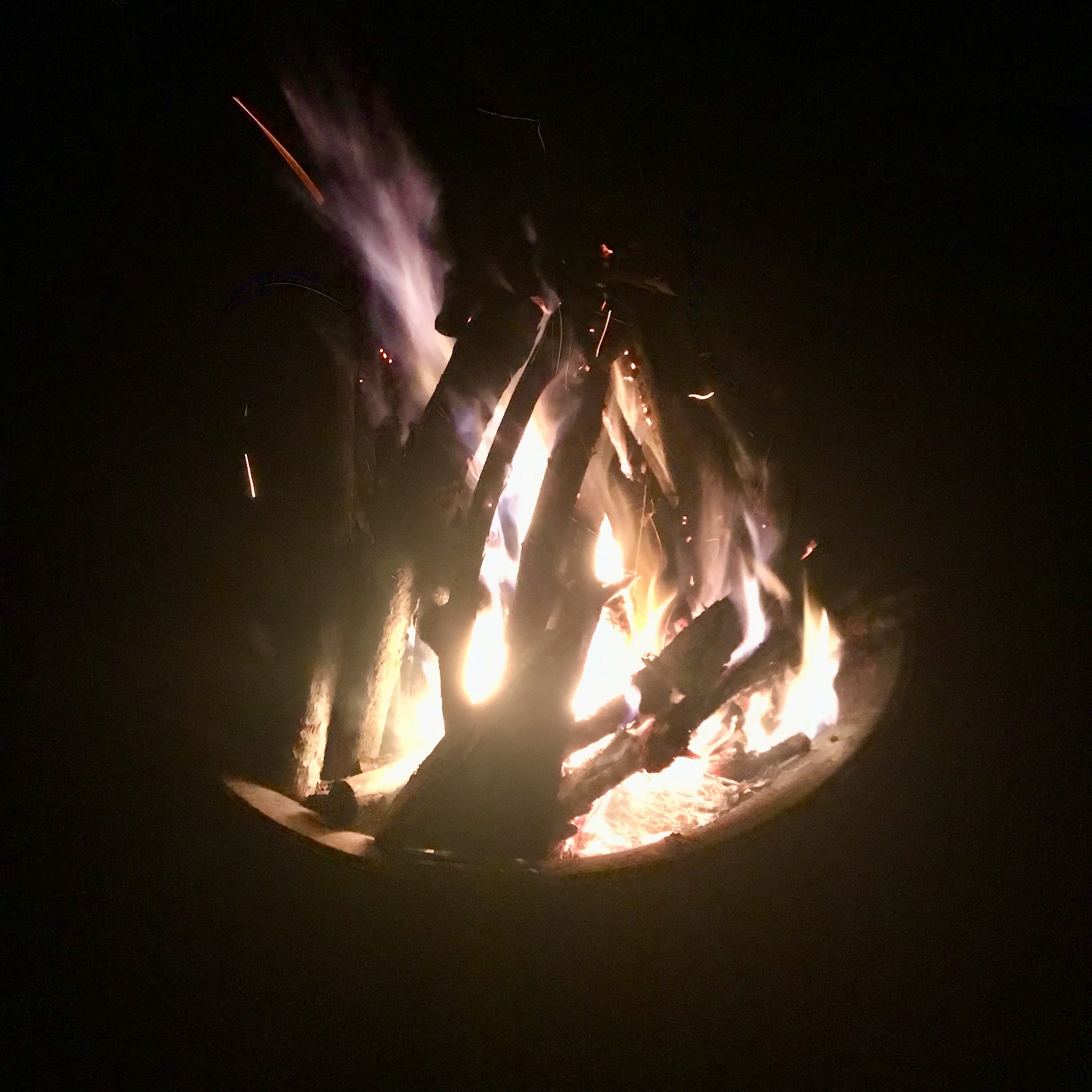
6:45 – 8:00 pm – Readings around the fire
SUNDAY 20 OCTOBER

7:15 – 8:30 – Gentle morning yoga and breathing

8:30 – BREAKFAST

10:00 – 12:30 – WORKSHOP 4 – Where and how to submit work, goal setting, questions and collage

12:30 – LUNCH

 3 pm DEPARTURES

Editorial feedback sessions with Edwina are available on request ($75 extra) for those needing advice on a project. Massages will also be available at extra cost – oh but they are heavenly!

READ MORE REVIEWS HERE

COST for the weekend of writing, fun and feasting, including comfortable single accommodation, with bathrooms shared between 2, all meals, 2 yoga sessions, 4 creative writing workshops and a readings night. Transport not included.

Pay your deposit by August 31 for EARLY BIRD PRICES

UNWAGED: EARLY BIRD $550, Normal $600

WAGED: EARLY BIRD $700, Normal $750

All inclusive! For single accommodation and all retreat activities and meals.

PAY YOUR DEPOSIT HERE

Or contact Edwina for more info and to check that spaces are still available.

Renew your creative spirit and rest awhile in nature.

Hope you can come!

Lots of love

Edwina xx

Learn more about Edwina HERE

SHOW DON’T TELL (mostly)

But how do I do it?

One of the first pieces of advice all new writers hear is “Show don’t tell”. But what does it mean? And how do you do it?

WHAT DOES IT MEAN?

Really, it’s about the difference between telling someone about an event and RECREATING that event on the page so that they too can experience what it was like to be there. How do we do this? By WRITING IN SCENES!

When we write in scenes we are, as much as is possible, translating experience into word pictures that a reader can see, hear, smell, feel and taste through their imaginations interacting with our words on the page. It’s the difference between telling someone, “I had a really rotten time at school. I was bullied,” and showing them by writing a scene of you being bullied at school so that they can walk in your shoes for a minute or two – so they feel the spit-ball land on the back of your head as you walk through the schoolgrounds, so they smell the rotten egg sandwiches the bully put in your locker, so they hear the taunts and feel the hurt inflicted. 

Photo by Mikhail Nilov on Pexels.com

HOW DO YOU DO IT?

Look through what you’ve written, whether it’s memoir or fiction it all works the same. Find a passage where you’re telling – don’t worry we all do it, even experienced writers have unwanted patches of telling in their first drafts – something that has potential for a scene. For example, “My father was a really great man”. Instead of telling us, SHOW US how he was great, in his own unique way. 

Write the scene of how he did you wrong, show us the good he did. Let us hear him speak, the things he said, the smell of him. Find a moment of a harsher side of him too, so he becomes more than a caricature of goodness. Develop the scene fully. Show us the conflict. Think of each scene as a little mini story painting a picture of the life you want to portray, the plot point you want to illustrate, the character you want us to understand.

Photo by Derick Makwasi on Pexels.com

Here’s an article on HOW TO WRITE A SCENE IN 6 EASY STEPS and another on WRITING CONCISE SCENES.

TELLING A LITTLE BIT

Though mostly it’s best to write predominantly in scenes, telling is also an important part of shaping and most especially grounding our stories. At the start of a scene for example you need to make sure the reader knows where and when they are in time and place and who the POV character is for the scene. Make sure you GROUND YOUR READER with a little bit of telling – it doesn’t have to be much, a sentence or two. 

For example: When I was seven years old, we lived on the banks of the Oxley Creek in a sixties fibro house my father had renovated himself, so all the doors and windows hung slightly awry. Then you can go into a scene set in that slightly crooked house.

Photo by Henry Han on Pexels.com

OR you can use telling to cover a large period of time when nothing much happened. Don’t feel that every single detail needs to be included in your story. Unless you’ve been poisoned, we really don’t care what you had for breakfast, or if your character has chestnut curls after a recent trip to the hairdresser – unless they’re disguising themselves on the run from police.

Instead, you can use a brief passage of telling to fill us in. For example: Three years later I was still on the run, but I was desperate to see my mother again. My sister had got a message to my hut on a Thai island. Mum was sick. I had to see her. No matter the risk. So I dyed my hair brown and curled it, padded myself with cushions, plastered my face in dark tan foundation and took the risk of getting on a flight back to my hometown. 

Photo by Fabian Wiktor on Pexels.com

READ widely in your genre of choice and mark out passages of telling between scenes. Can you spot them? Now have a look at your own project. Are you mainly telling? What sections might work well as scenes? 

Now WRITE THAT SCENE. Use the tips in my articles on writing scenes to help. Your writing will come alive on the page and your readers will feel as if they too are experiencing the story events, not just hearing about them.

GOOD LUCK! Let me know how you go!

Lots of love

Edwina xx