
Looking for Clues
Writers are natural snoops, observers on the lookout for clues, closely examining the world around them to figure out how people work and uncovering their secrets. We can’t count on people to tell the truth about themselves, but we can discover what they’re leaving out by closely observing their surroundings.
The same goes for our characters.
We can get our characters talking in dialogue, but they won’t give much away. What others say about them can give us more clues – so many different opinions. But really, all people, and characters, reveal their true selves by what they DO. That’s why charACTers must ACT! They can say one thing and do another, what they do is the truth.
But first, let’s find out as much as we can about our story people by examining their surroundings and possessions.

Specific Telling Details
When visiting someone’s home for the first time, or the thirtieth, we writerly types aren’t just settling into the couch but searching the room for telling details that give us insight into who our friend really is.
Pictures of family stuck to the fridge? Faded pixie photos of children in school uniforms with outdated hairstyles? Wall calendars stacked on top of each other hanging from the nail on the wall. Fresh flowers from the garden, or dusty plastic bouquets forgotten on top of cabinets. Carpet or polished floors? Kitchen benches scattered with leftovers from preparing the last meal, butter melting in its container; or pristine benches smelling of bleach?
Every clue gives us vital information about our new friend, or how our old friend is coping. Those photos on the fridge are from a decade earlier, the first calendar on that piled upon hook date from the year their marriage fell apart. As you can see, details of a person’s living space provide us with lots of information. Don’t neglect these details in your writing.

Uncover Secrets
What’s your character’s lounge room like? What about the kitchen? Their bedroom?
And just wait till you look inside their fridge, or even better, the bathroom cabinet. Is it stacked with pregnancy tests or haemorrhoid ointments? Herbal toothpaste and castor oil or expensive, chemical-laden beauty products? And what about music choices? AC/DC or Mozart? Disco or Jazz? Art on the walls? Abstract originals or Kmart prints of tigers? Fluffy toys on a grown man’s bed? Star Wars pillowcases on an older woman’s? A jungle of plants covering the kitchen table? A hallway narrowed to a pathway through mounds of stacked boxes and files?
A person’s character is shaped by their environment – the country we grow up in, the culture and religion we are born into, the weather and geography. When you are developing your characters, think about where they come from, where they live and those small telling details you’d find in their home, handbag or pockets. We don’t need pages of description, but you can slide in important clues in half a sentence or two.
“Fran opened the fridge to find all the organic vegetables she’d bought on Monday. They exhausted her.” Or “Bob stuck his hand into his pocket finding only the lucky rock he’d found as a kid and had carried ever since, and a crusty hanky he really needed to wash.”
I’m already thinking about that lucky rock and where Bob found it and why that rock, found on that faraway day, was so important. I know he’s not going to wash the hanky

TRY THIS
What is in your character’s pockets?
What’s in their fridge?
Go snooping in their bathroom, what clues can you find that give you insight into the past that shaped them and the person they’re dreaming of becoming?
We are, all of us, reaching for the future but dwelling on the past. What does your character really want? And what pain from the past is preventing them achieving it? Where do their thoughts get stuck in a loop? What’s their greatest dream?
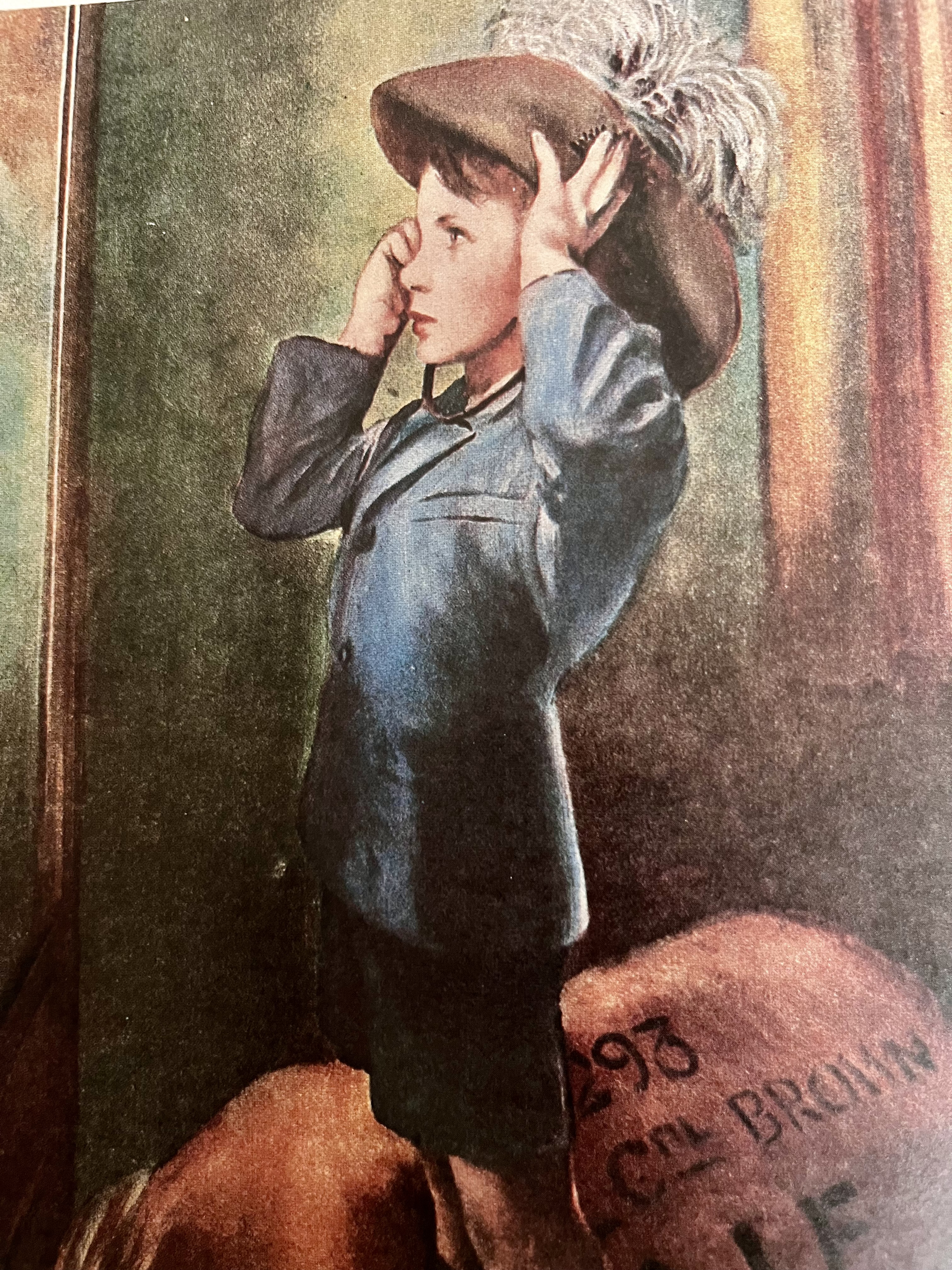
Uncover your character’s hidden depths
Use your writing supersleuth powers to dig deep into the heart of every character that plays a major role in your story. Some people like to fill in imaginary questionnaires.
But I don’t do that with new friends, I check out what they’re wearing. I snoop around their homes, grab a drink from their fridge. I clock similarities to myself and those interesting differences. Most of all I search for clues to their past and what’s shaped them.
Go snooping in your character’s lives and freewrite about what you find. Only snippets may find their way into your story, but you may just stumble upon what really makes them tick.
That new friend may have frozen rats in the freezer, photos of two concurrent love interests on the fridge and heavy-duty tranquilizers in the cabinet (and you’d always thought they were just so naturally calm!).
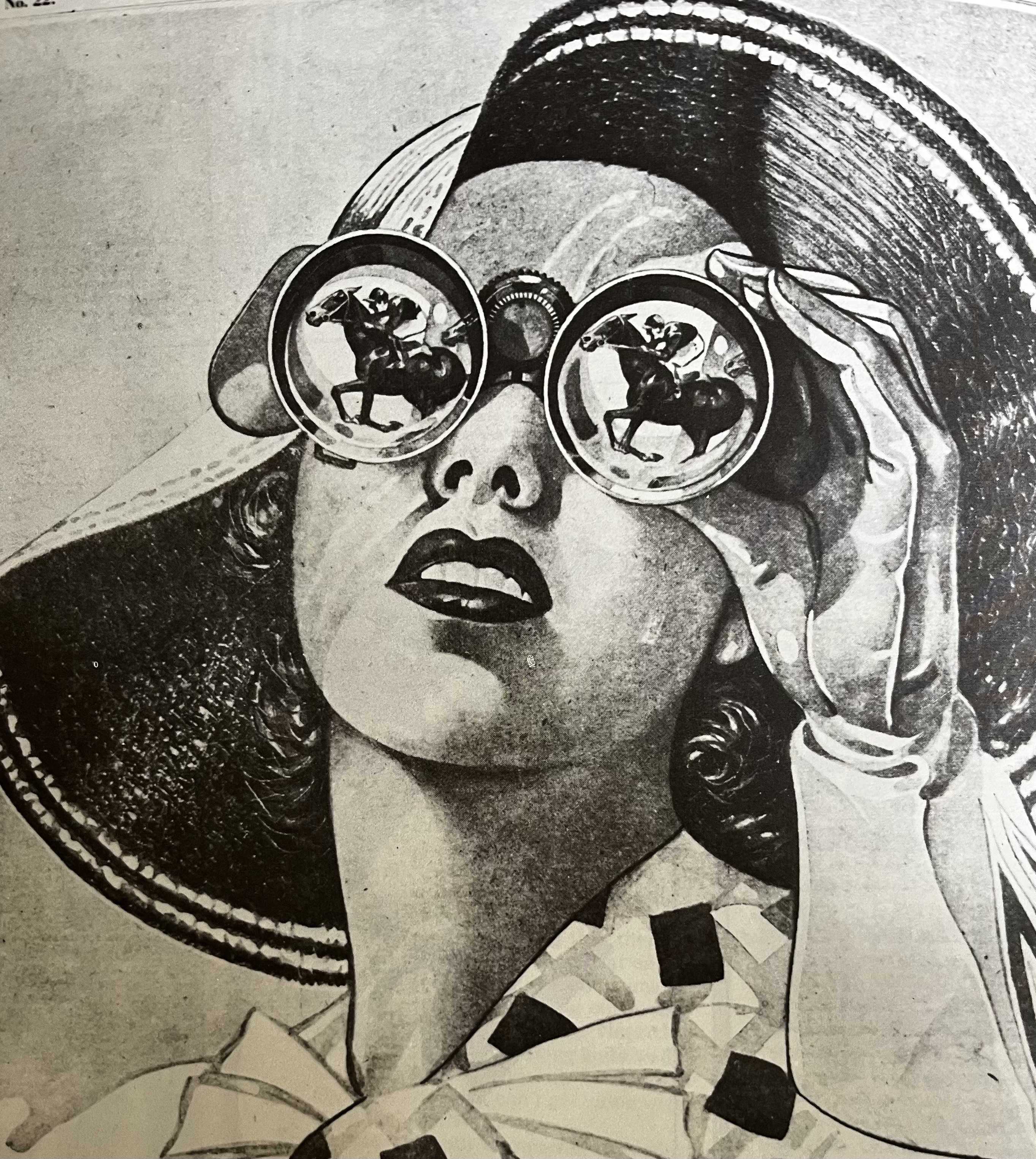
Use all these setting elements to develop your character and make them more than just a stereotype. Create interesting, fully-rounded characters, shaped by their pasts, grasping for a dream, and reflected by their surroundings.

If you’d like to learn more about CHARACTER DEVELOPMENT I’m running a FREE CREATING CHARACTERS WORKSHOP at Elanor Library on the Gold Coast on Saturday February 1, 2025. Did I say FREE? Book in HERE.

And if you’d like to explore the myriad ways you can add depth, meaning, emotional undercurrents and so much more to your writing through setting details, then join me at the Queensland Writers Centre in South Brisbane on Sunday March 9 for a full day masterclass on SETTING – MORE THAN JUST THE SCENERY. Book in HERE
Give some of these exercises a go and discover what really makes your characters tick!
Let me know how you go! Come along to one of the workshops! I’d love to see your smiling face.
Lots of love
Edwina 🙂 xx



 Edwina Shaw