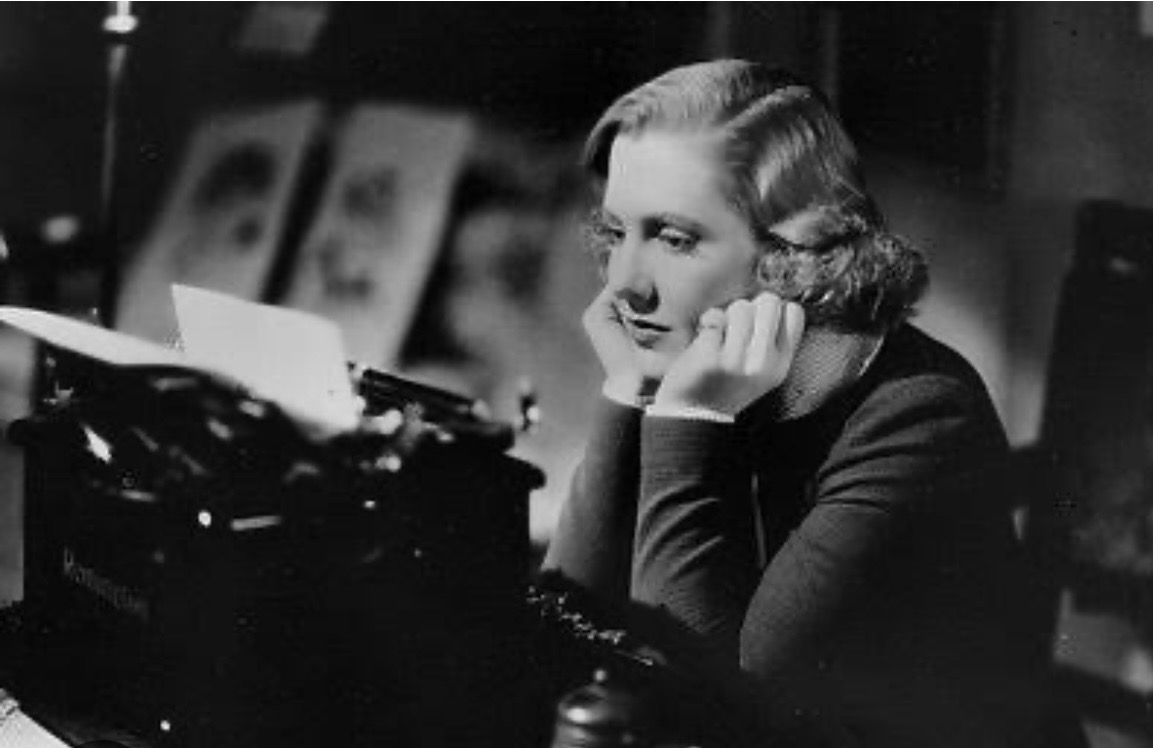
These days it’s feeling more and more as if we are writing to save our lives.
But why write at all, with the world becoming crazier by the minute and the pressures on us to toe the line, get a proper job and pay the bills increasing?
Is it wrong to want to tell our stories, to express ourselves? Is it selfish?
NO!
Now more than ever the world needs people speaking their truth, telling their stories, creating and enjoying the process, filling up the oversoul with some much-needed creative joy! Expressing ourselves, whether through writing, painting, song or any other artform is an essential act of defiance against those who would have us chained to the grindstone feeding their mill. We are creatures of delight, meant to be enjoying our ride here on earth, not enduring it.
By writing or pursuing any other art form we affirm our right to joy. Not only that, we’re expressing truths shared by many others, not just our own. One purpose of writing is to connect with others, to show them they are not alone, that we’re all in this together.
Humans have an innate need to translate our emotions into art. The ancient philosophers often spoke of Truth and Beauty as integral to our experience and the search for both has fuelled many expeditions and experiments both internal and external. Since the Greek philosophers, beauty, truth and goodness have been the aim of those searching for meaning. In his poem “Ode on a Grecian Urn“, the English Romantic poet John Keats wrote, “Beauty is truth, truth beauty—that is all ye know on earth, and all ye need to know”. That is my truth.
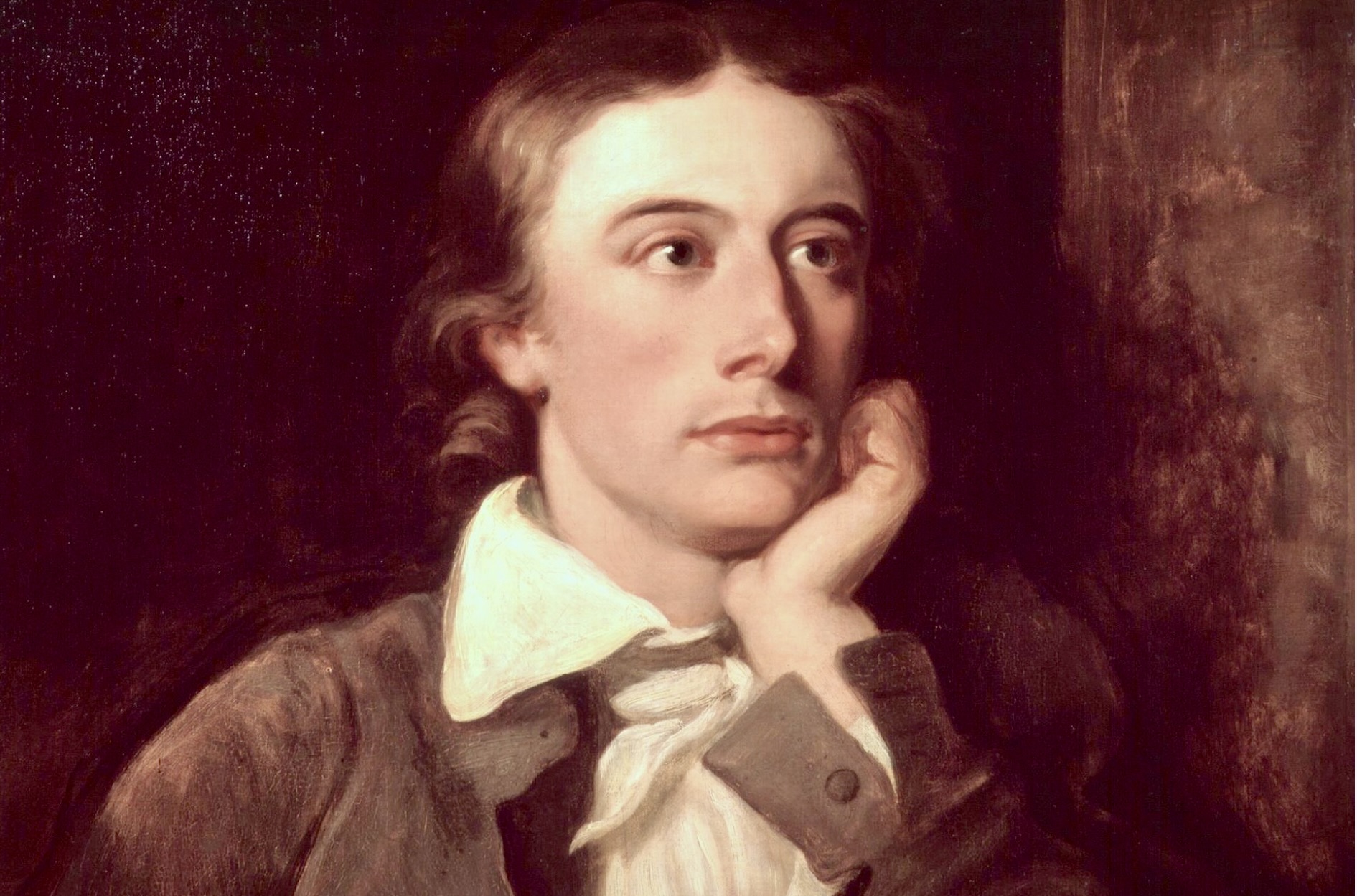
Portrait of John Keats by William Hilton
Writing has saved my life many times over.
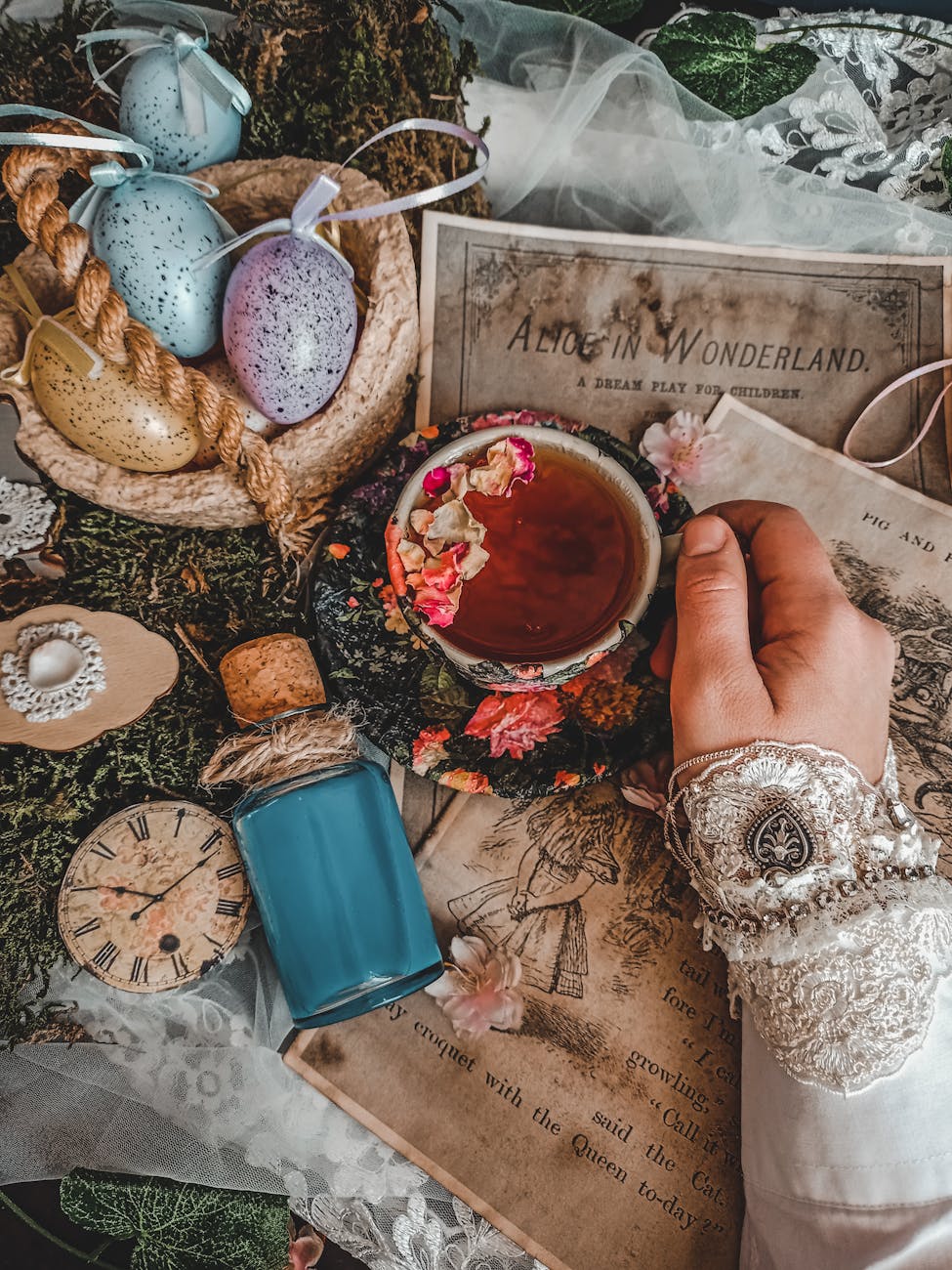
When I was in my teens and lost in grief, alcohol and drug addiction, I began writing a journal. At first it was just so I could remember what I’d done the night before – I wrote almost illegible recounts of my wild nights out – but soon after my journalling became much more. I started writing when sober as well as drunk, and for the first time began to express some of the emotions I was swallowing down with all that goon (cheap wine). I noticed that when I wrote my all-pervasive anxiety settled, my shoulders dropped and best of all, if I dropped into what I now call “the zone”, I could happily disappear from the chaos of the outside world into a kinder world of my own as easily as Alice fell down that rabbit hole.
I wrote to save my own life. Now I help others do the same. They’re not dying of terrible illnesses, but their minds are filled with stories that won’t let them rest. Their minds endlessly replay the horrors they’ve endured. Not the good stuff, that’s sitting dusty on some upper brain shelf, neglected. No, the brain likes to remind us over and over again of the bad days, the trauma, the pain.
Writing is the best way I’ve found to get those stories to stop. Yes STOP. The stories that used to haunt me are no longer in my head, I’ve written them out and turned them into books. I’ve turned that pain into stories I find beautiful, and created meaning to the random events of my life, and found peace.
So sometimes yes, we are writing for our lives. We write to quiet our minds, to heal our hearts, to bear witness for those we’ve lost, to give voice to those oppressed and voiceless, to create meaning for ourselves and for others, and to connect and share the experiences of this bizarre rollercoaster ride that is life in all its bitter glory.

We write for the joy of creation itself. For the pleasure of expressing ourselves. Because it makes us happy. Doing anything that makes us happy right now is essential. The world needs our joy to counter all the suffering and fear-mongering, leading us only deeper into darkness.
Joy sparks in us when we see or create something beautiful. Beauty and joy are interrelated, co-dependent in the best way. The world needs more joy, so we need more beauty. We can create that beauty in our stories or other artworks, or we can just slow down and notice the small beauties all around us. Each blade of grass, each blossom, each small perfect bird is a miracle of beauty. We, as creative artists, help others to reach towards this joy, this beauty, and through it find expression of the truths of our lives, of all life.
This is important.

Remember this: Writing may not make you rich (though we’ll keep dreaming!) but one thing I know for sure after a lifetime of writing, is that writing will enrich you beyond measure.
So write, my dear writing friends, write for your life and for us all. Has writing saved your life? Let me know in the comments.
Lots of love,
Edwina 🙂 xx





 Edwina Shaw