
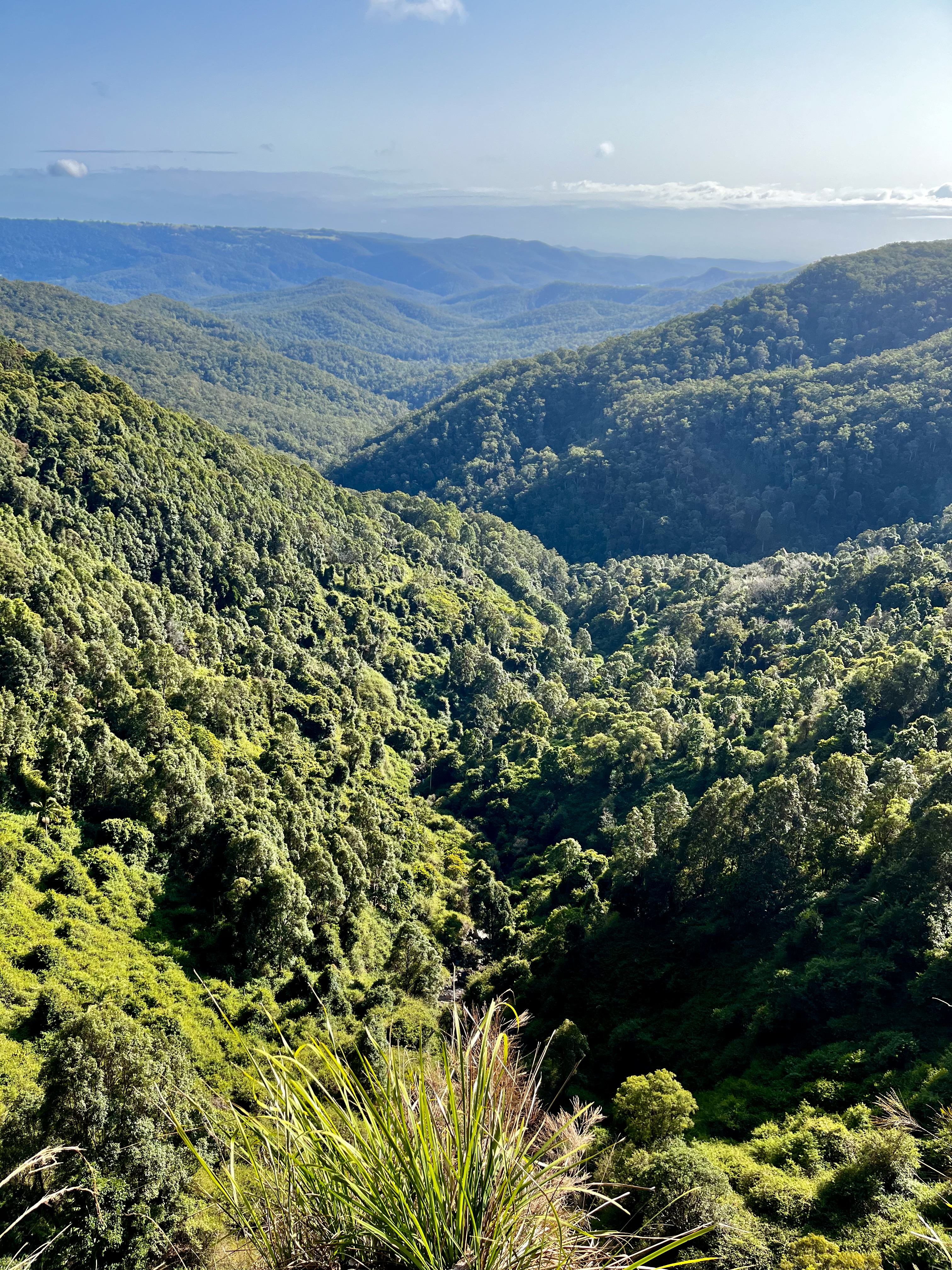
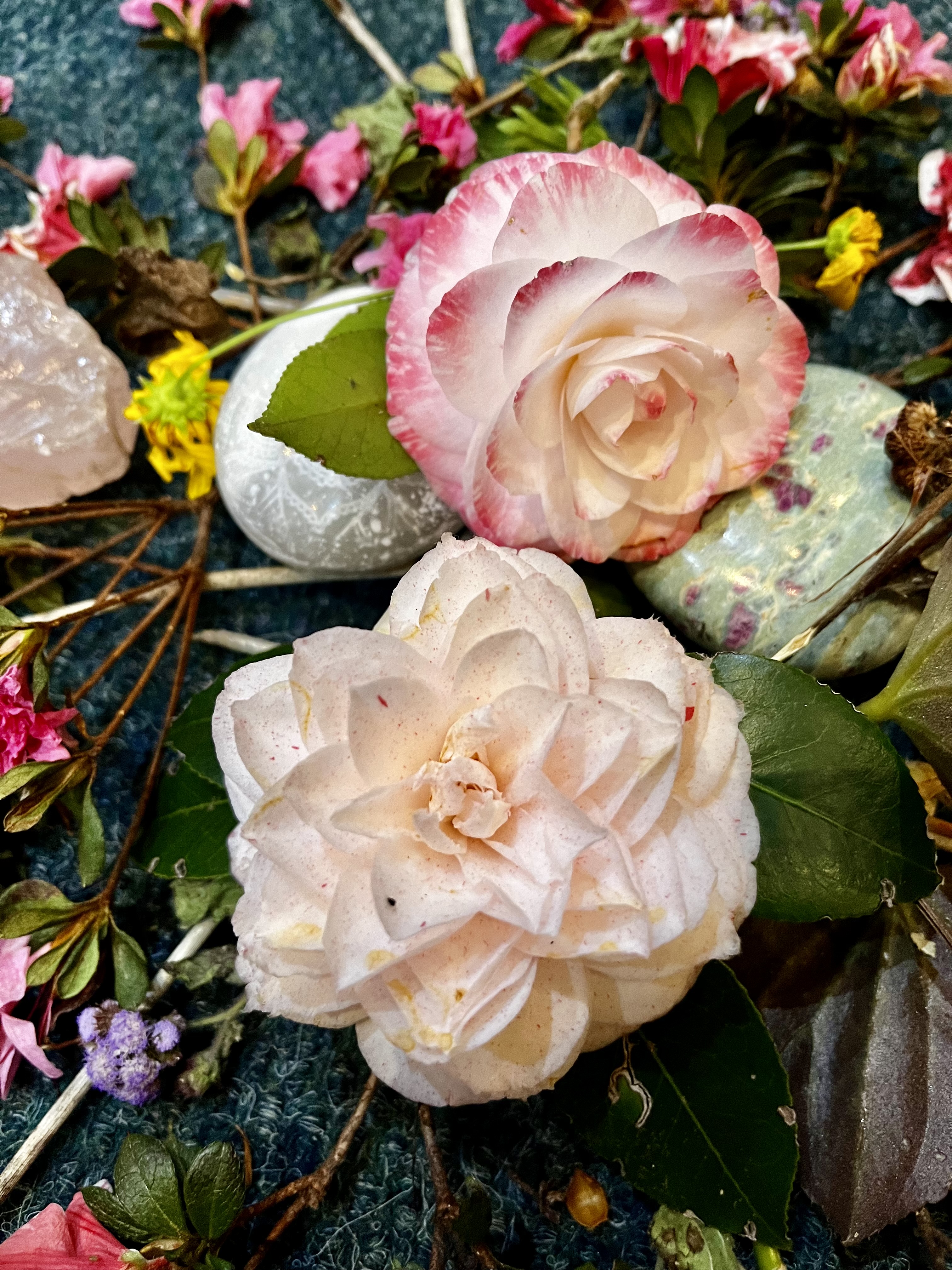
What kind of a story could happen in this setting?
The more I write, the more I realise the importance of setting to the whole story. Characters are important, yes. Plot and structure – of course. But getting your setting working and functioning in all its capacities is also vital.
Why?
- Setting the Scene: Grounding your reader:
The number one reason setting matters is that readers need to feel grounded in the world of your story.
Fantasy writers mostly understand the need to create the world they envision and translate it to the page so the reader can share this world and imagine their characters within it. However, establishing setting isn’t only important for magical realms, fantasy writers just need to spend more time developing the world on the page than the rest of us, as their worlds are unfamiliar.

What clues would you write to set this scene?
Writers of historical fiction also need to spend time giving the reader enough clues so they too can envision this other world, set back in time. These days we don’t have the luxury of page after page to do this like Henry James and other 19th century writers.
Writers today need to choose the very best, most telling details that will set the scene, and then continue to include setting snippets throughout the action, seeding in clues, rather than giving us all the details one big chunk.
Even if you’re writing a story set this year, you always need to establish the setting where the action is taking place – at the start of your story and at the opening of each scene.

What story lurks in this setting? How would you paint a picture of it with words?
In this era of visual storytelling through film, many new writers assume that, as in the movies, readers can see where the action is happening without being told. But they can’t.
Unlike in film, we have no visual clues other than those the writer provides. So drip feed in those unexpected, telling, specific sensory details. Without them the reader can’t see where your stunning dialogue is taking place and quickly loses interest because envisioning the conversation is too difficult without enough information.
Choose the right clues so the reader can easily envisage where the action is taking place. You need to do this with every scene. See also GROUNDING THE READER for more information on how to do this and why it’s important.
2. The Objective Correlative
T. S. Eliot talks about the difficulty of bringing deep emotions to the page and the need to use elements within that environment to illustrate the emotional undercurrents being experienced by the characters. He calls this – the objective correlative, using objects in the setting as symbols of the emotional undercurrent, to illustrate what remains unspoken. The clock that stopped working when the old man died. The tree the couple planted when they were first married, withering and dying as their marriage crumbles. The new seed breaking through the drought cracked earth after the first rain.
Shakespeare knew about the power of setting. He even called one play, The Tempest! The storm in the natural world reflecting the storm in the human story. In King Lear the climactic scene plays out with the background of another violent storm. So don’t underestimate the power of the weather.
Set your story of a country family hitting hard times during a drought, with animals dying, creeks drying up, earth cracking. Set your light-hearted rom com among rolling hills and babbling brooks. And of course, your horror story just won’t work if you set it on a sunny day at the beach – or – think again – Jaws! Maybe it can? A great juxtaposition – a sunny summer holiday and a killer shark.

Use the setting to show us what the emotional undercurrent is, even if the surface dialogue is all playing nice.
In The Spare Room Helen Garner’s protagonist, Helen, is pruning roses while a friend tells her she thinks she’s doing too much for her dying friend, and with every clip, clip, clip of the secateurs we know she’s getting angrier and angrier.
How can you use setting details to show what’s really going on emotionally? You can choose one element of the setting to act as a symbol or use different elements of the setting throughout to add that extra layer of meaning and emotional depth. See also Setting – More than Just the Scenery. And for using setting in dialogue see HERE and HERE
3. Setting as a character
Sometimes place becomes more than just the stage where the action is set, and becomes a character in its own right with its own arc and changes. If the setting is forcing characters to take action, it is a character itself. Think of 1984 by George Orwell and that dark grimy bureaucratic world of Big Brother, the situation, society and politics, shape the action of the story.
In my own book Thrill Seekers, the dirty mangrove creek I grew up on and the Brisbane River/Meanjin, which it feeds into, help shape the narrative.
Here’s an example from early in the story, before the shit hits the fan.
“The creek flooded over the mud and lapped at the mangroves, washing away the oil slicks and covering the black. The current sure was strong. Soon I couldn’t see any mud at all, just water racing past like it was going somewhere and needed to get there in a hurry. Like it wanted to take us all on that raft and make us ride with it, faster and faster, wherever it wanted to take us.”
From the middle:
“Empty goon bladders and rumpled cigarette packets slosh around my feet as the dinghy speeds down the middle of the river towards home. The water looks like milk with the full moon shining on it, almost beautiful when you can’t see the dirt.”
And from the ending:
“I stand like a crusty old seadog at the wheel of my ship, feet wide apart to keep my balance, my hands steady. Looking down the river I steer a straight course, right down the middle. Feeling ten feet tall with a chest as wide and strong as a bear’s, I roll with the movement of the boat. Salty water sprays my face, and my cheeks stretch into a mighty grin.”

The Bremer River/Urarra that runs through Ipswich my new hometown.
These are only a few of the descriptions of the river and creeks throughout the story, but you can see through these short examples how they are used to illustrate not only the emotional undercurrents of the character, but also show development and change in the river itself. You can buy Thrill Seekers HERE.
At the beginning of Gone with the Wind by Margaret Mitchell, Scarlet O’Hara’s family property, Tara, is lush and richly opulent (on the back of the slave trade sadly) then at the middle of the story, Tara is a burnt out ruin. By the end Tara is returned to a semblance of its former glory, but forever changed.
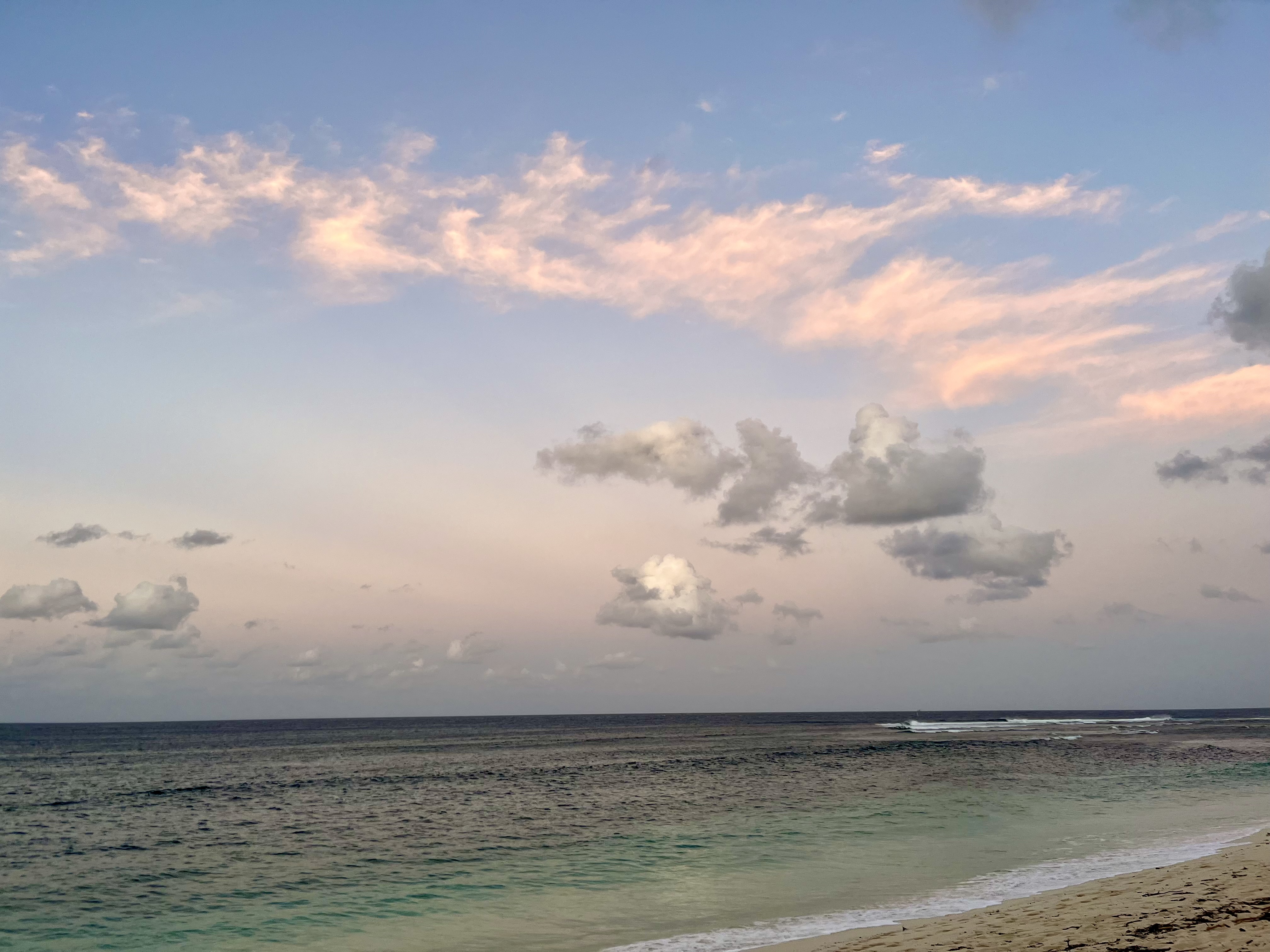
Dawn Rote Island, Indonesia – a new story begins?
Can you think of ways to make your setting more of a character?
How does your setting change and grow?
Do you have multiple settings? What does each of these bring to the story?
How can you make better use of your settings to ground your reader, illustrate emotional undercurrents or have their own arc?
I’d love to hear your ideas! Let me know what you think in the comments.
Hope this has been useful.
In other news:
A couple of last minute spots still available to our October Relax and Write Memoir and Life Writing Retreat – All the info HERE.
Remember to sign up for my Newsletter for our FREE WORKSHOP on WRITING SETTING! Monday 2 September 2024. Newsletter subscribers only!
PLUS subscriber only huge discounts on our international Transformational Writing Retreats – Vietnam, Bali and Italy!!
Lots of love
Edwina xx
















 Edwina Shaw