WHO IS TELLING THIS STORY? Managing Point of View

But whose dream is it?

So, who IS telling your story? Whether you’re writing memoir, fiction or screenplay, you need to make important decisions about which characters you’re going to give a voice.

WHO IS YOUR PROTAGONIST?

Who is the main character in your story? 

If you’re writing memoir, even though many writers try to avoid it, YOU are the main character.  

If you’re writing fiction you need to decide whose story is propelling the overarching narrative – that character’s goals and battles to achieve them is what drives the story forward. They are your protagonist.

If you have multiple protagonists, one character must have slightly more say than the others – this is the character who begins and ends the story. Other voices can be almost as strong but the protagonist has the final say. In my book Thrill Seekers I have three protagonists, Brian, his younger brother Douggie, and Beck, their friend. Because it is Brian’s goal – to protect his brother – that propels the entire narrative, he is the protagonist. He has the first chapter and the last.  So think carefully if you’re dealing with multiple character voices and decide which one is the main driving force.

If you’re not sure about who your main character is, ask yourself “WHO HAS THE MOST TO LOSE?”
HOW WILL YOU GIVE VOICE TO THESE CHARACTERS?

If you’re writing memoir, mostly you will need to write in first person, and learn to embrace sentences starting with “I” or learn to cleverly avoid doing so. However, you will also need to include a reflective voice that I like to call, “Wise you now”, between the scenes bringing to life the past, staring “previous you”. You could write the scenes from the past in past tense first person and the reflective sections in first person present tense, or past tense too, depending on how you feel about present tense.

Fiction can also be written in first person, past or present tense, but managing multiple voices like this can be tricky. Thrill Seekers is written this way, each character is in first person present tense. My Cambodian novel, Child of Fortune has two main characters – an Australian traveller and a Khmer survivor of the Pol Pot regime. Both of these women are written in first person, past tense. These days however, due to the Own Voice movement, I would recommend writing characters from other cultures only in third person. I also advise against having only two main characters given voice. This is difficult to manage and becomes a tennis match with one character often overpowering the other. To remedy this, add a third character voice to bring more balance, a plait rather than a ping pong match back and forth.

Most popular in modern fiction is writing in closed third person, past tense. This is the simplest way to manage multiple protagonists. In closed third person, you write using he, she or they in separate chapters that alternate. This method allows for multiple viewpoints and clashing perspectives that has lots of scope for adding interest to your story. However, with closed third person, as with first person, you are confined to what that character has seen and heard and cannot stray outside this perspective.

My latest story, “Shadowman” (Dear Madman in a different incarnation) a literary true crime memoir/novel hybrid, is told in three alternating sections in three different perspectives. The first section is the first-person voice of “the writer”, the second voice is the Shadowman – also in first person. The third section is told in omniscient third person, with the voices of multiple characters, members of the Williams family. Omniscient voice is the “God” voice, enabling the writer to move between character’s points of view within chapters, though I keep them in separate scenes. Modern audiences find this voice confusing, and I must say I found it difficult to manage as well, though I got there in the end.

You can choose to write a character in second person too – the “you” voice – but eventually it becomes synonymous with first person, so is best left to short stories or short sections within your longer piece. It can be used effectively in memoir to give another’s perspective, eg You didn’t say anything. You walked away.

MANAGING POINT OF VIEW

Now you have chosen your POV characters and the voices you will use and how you will animate them, you need to establish the structure and the voices you want within the first section of your book. If you have three POV characters, and you want these voices to interweave (not have separate sections of the whole book – eg Part 1 – Anne, Part 2 – Bob, Part 3 – Grace) you need to set this up right from the start.

For example, Shadowman starts with a chapter from the writer, which establishers her as the main protagonist. The second strand belongs to the Shadowman, and the third strand is the omniscient voices of the family. All three voices have a chapter within the first 10 pages. This lets the reader know what’s going on, who is telling the story, and the pattern to expect right from the start.

AVOID INTRODUCING NEW POV CHARACTERS AFTER THE FIRST ACT

All rules are made to be broken and you can find many examples of characters joining the fray in the second act, or even third, but it is best to avoid doing this. Set up your POV characters in those first 10 pages and then stick with these characters all the way to the end – well one or two may get knocked off!

Avoid introducing new POV characters after act one, this only confuses readers. If you want to bring in a twist that introduces this new POV character, then at least foreshadow this possibility in the first act. Give us a hint that this may happen, mention their name, make them a part of the story in some way, even if they aren’t yet in the action.

Point of view is important to establish early, so the reader knows which characters they are following. Introduce important characters first up so we know whose side we’re on. Keep the number of characters manageable or add a glossary. But who wants to be checking a glossary all the time – except maybe Tolkien fans!

And if you’re writing short stories keep the number of characters low. The lower the wordcount, the lower the character count.

Introduce all characters and the way you will be telling their side of the story early. If you’re a new writer, stick to one voice, at least to start with. If you want to include other voices, closed third person in alternating chapters is easiest to manage, but all this needs to be set up right from the start. Build trust with your reader by showing them your plan and sticking with that plan. 

No randoms! No slipping between points of view without intention. Flag all changes in point of view so we know they’re intentional. 

Image by Jana Shannon.

Managing POV can be tricky, so think about it before you rush in, and have a rough plan about how you think it will work. It can be lots of fun writing in a few different voices, but make sure they are balanced, that they are each different and that your one main character has first say and the final word.

Hope that’s useful! GOOD LUCK!

Let me know how you go managing POV.

Lots of love

Edwina xx
REBOOT YOUR WRITING MOJO IN 7 DAYS!

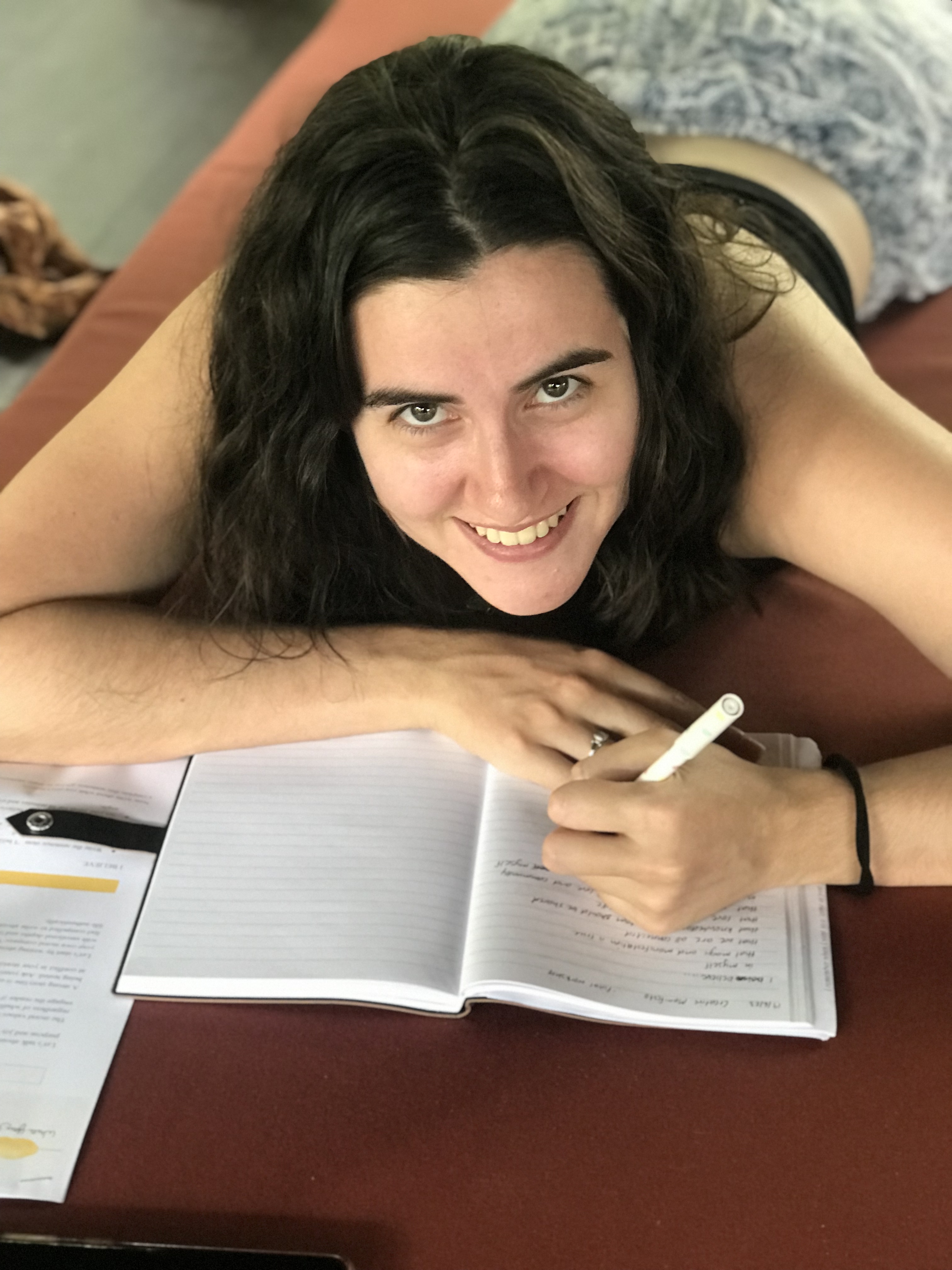
The lovely Natasha Cox (writer and editor) at our recent Blissful Bali Retreat

Hit a wall with your writing? Is your novel or memoir going pear-shaped? Has your idea tank been on empty a while now? Can’t squeeze out another word? If so, you’re suffering from writer’s block, or burnout. A lot of us keep pushing and striving but there comes a point when we all need a breather, even from something we love to do – like writing.

EMERGENCY REBOOT AVAILABLE AT THE NEXT RELAX AND WRITE RETREAT! Springbrook 11-13 August.

Don’t worry, you don’t necessarily need a retreat (though these work like magic). You can get your writing mojo back, and it doesn’t take ages either.

Here’s my 7 DAY PLAN to regaining your creative spark.

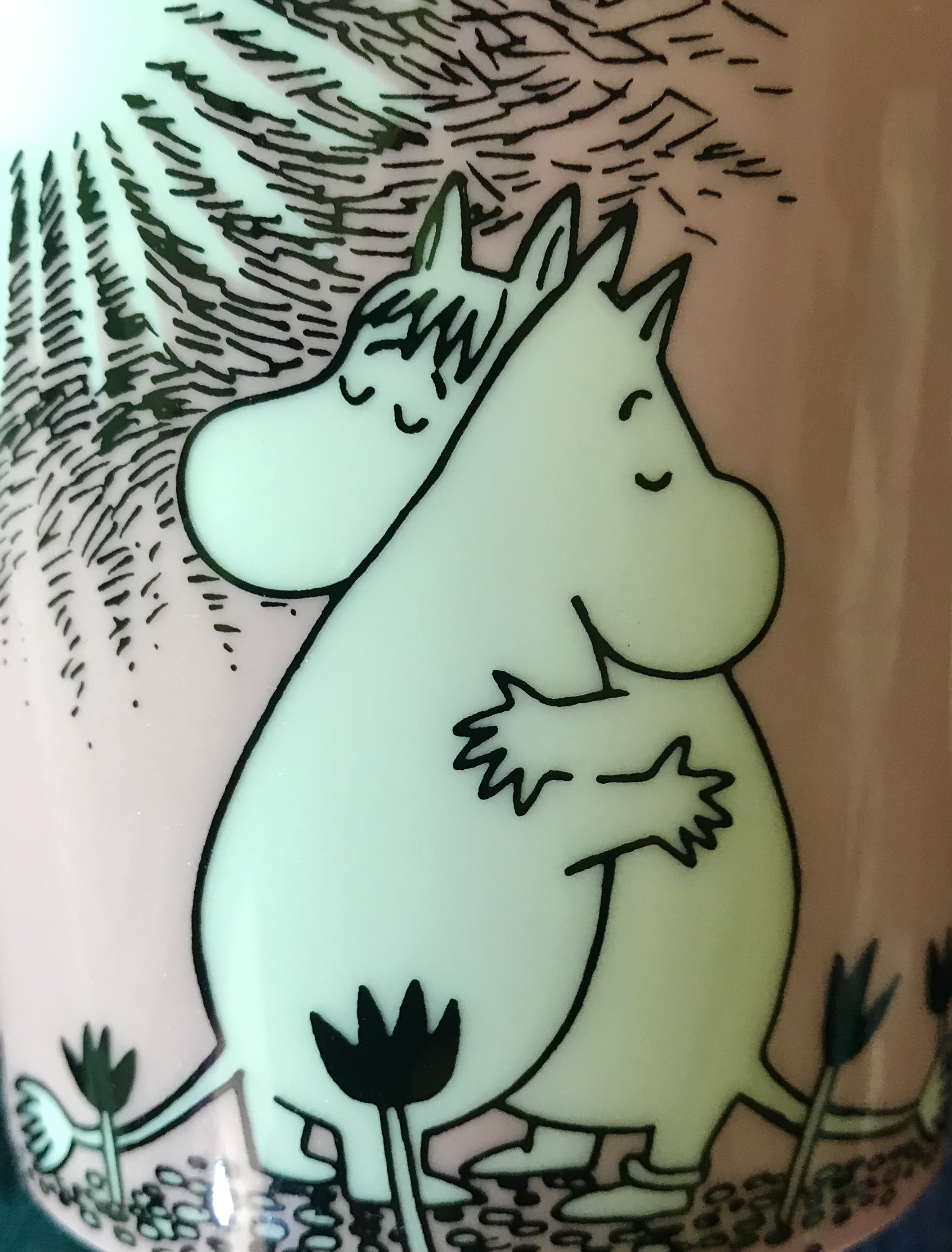
You may need a hug to get you started.

DAY 1

STOP WRITING DAY! 

Yes, I mean it. Put that pen down. Close your laptop, put away your keyboard and stop even trying to put a word on the page. LET IT GO! (Everything except your daily journal, that is)

While you’re at it STOP READING, STOP SCROLLING THROUGH SOCIAL MEDIA, STOP LISTENING TO PODCASTS and STOP WATCHING CRAP TV (my own secret weakness). Do this for the entire week! If you really can’t go to sleep without reading then reread a classic you love.

The idea is to create a void. Nature abhors a vacuum so when you stop reading and writing and filling your mind with a mile a minute images and words, your own creative ideas will rush in to fill that gap. 

What to do instead? Garden, cook, rearrange the furniture, do a drawing, sing a song, give yourself a pampering session, talk to a friend, go for a walk, stare at the moon (or howl at it if you feel really bad!)

Dorothea Lange: Dyanna lying on her back in the grass circa 1961

DAY 2

AFFIRMATIONS DAY.

I love affirmations, they are the best tool I know to help overcome negative thought patterns that no longer serve us. Chances are if you’ve been writing a while, you’ve faced more than the average person’s share of rejection and criticism. Writers in general are sensitive souls, so these rejections and criticisms hit hard. The best affirmations are those you create yourself based on the opposite of the negative thoughts that are holding you back.

Eg: I’m a crap writer. Antidote: I AM A GOOD WRITER

I’ll never get published. Antidote: MY WORK IS PUBLISHED SUCCESSFULLY

My ideas are stupid. Antidote: I HAVE LOTS OF GREAT IDEAS FOR STORIES

I’m not clever enough to be a writer. Antidote: I AM AN INTELLIGENT AND CAPABLE WRITER

Examine your thoughts around the project you’re working on and devise some specific antidotes for those. Then write them out 10 times each, each day. And repeat them whenever a negative thought comes into your head. You can use these like mantras.

One of my all time favourite affirmations for writers is I AM CONFIDENT AND CAPABLE IN MY CREATIVE WORK. I CREATE EASILY AND FREELY. MY VOICE IS IMPORTANT. I DESERVE TO BE HEARD. I EXPRESS MYSELF WITH EASE. WRITING IS EASY AND FUN.

Repeat every day.

Photo by Eva Bronzini on Pexels.com

DAY 3

EXCURSION DAY

Take yourself on an excursion. Julia Cameron in her timeless, wonderful book The Artist’s Way calls these outings ARTIST DATES. When you get busy, these are the first activities that drop off the TO DO list. But they shouldn’t be! More and more I am realising just how vital these dates with ourselves are to refill our creative wells. You don’t have to go alone, but you’ll get more out of them if you do.

Some ideas for excursions: a walk somewhere you’ve never been before, a swim in the sea or a waterhole, or even the local pool, a second hand store trip to search for bargains, a visit to an old friend you haven’t see in ages, a museum visit, or an art gallery, or a trip down the river on a ferry, or a shopping trip to town, or a movie, or just lie on the grass and stare at the clouds. 

DAY 4

EMPTY YOUR MIND DAY

Empty your mind! It may feel empty of ideas and writing right now but I guarantee you it’s full of a whole lot of other crappy thoughts, usually self-critical. If you’re not used to meditating just sit and breathe for 5 minutes, only 5 minutes!

Breathe in for a count, feeling the breath come in cool through your nostrils, then breathe out for the same count, feeling the breath leave the body warm. 

If you find this tricky try one of my quick guided breathing practices. HUMMING BREATH with running water sounds or my CLEARING YOUR MIND meditation or you can find plenty of other guided meditations on Youtube or Insight Timer or similar you may find useful.

Make this a part of every day. First thing in the morning or last thing at night works best, or anytime your mind is freaking out!

DAY 5

EAVESDROPPING DAY

Eavesdrop! Eavesdropping is an important skill for writers. Take a trip somewhere on public transport, put your earbuds in, but don’t listen to anything, except the conversations of people around you. Go to a café and sit sipping on a drink for a long time, flapping your ears in the direction of any interesting discussions. Snippets of conversation are great for spinning off into stories later (you are allowed to jot down notes in your journal – but don’t do anything with them – yet!)

DAY 6

WHAT’S THEIR STORY? DAY

In the same vein as eavesdropping but even more fun. Again go somewhere you can people watch and make up stories about the people you see. What’s their story? Where are they going? What secrets do they have? I always like to play “If these were the only people left on earth, who would be leader, who would be the bad guy, who would be the first one eaten? Etc” A bit gruesome perhaps but fun. Remember to PLAY! 

DAY 7

FINGER PAINTING DAY.

Grab a scrap book or some big sheets of paper and some cheap paint and go all kindergarten. Put an apron or old shirt over your clothes, use an ice-cream lid as your pallet, and get your fingers into the paint. Smear that stuff all over the paper, all over yourself if you like. Have fun with it! The idea is to let our inner child creator out to play. Make a mess. Art doesn’t have to be high art all the time. It doesn’t have to be a masterpiece or even turn out well, it can just be for FUN! Remember why we started writing in the first place? Because it was fun! When we put too much pressure on our writing and ourselves it’s easy to forget that.

Photo by Karolina Grabowska on Pexels.com

OK, the week is up! Not so hard was it. Maybe it was even a little bit fun. Maybe you’re feeling better? I hope so.

TIME TO WRITE AGAIN!

Take the attitude from finger painting, pick up your pen or your keyboard and WRITE! Play around with some of the conversations you overheard, or some of the people you imagined lives for. MUCK AROUND AND PLAY with your writing. Have fun. 

The next step is to take that playful attitude and APPLY it to your WORK IN PROGRESS. It’s just playing after all, no pressure. Happy accidents, story insights, epiphanies and beautiful writing happen when we remove the heavy weight of our expectations of perfection. 

I hope my 7 day writing mojo reboot works for you! It does the trick for me.

NEED SOME EXTRA HELP? EMERGENCY REBOOT AVAILABLE AT THE NEXT RELAX AND WRITE RETREAT! Springbrook 11-13 August.

Let me know how you go!

Lots of love

Edwina xxx