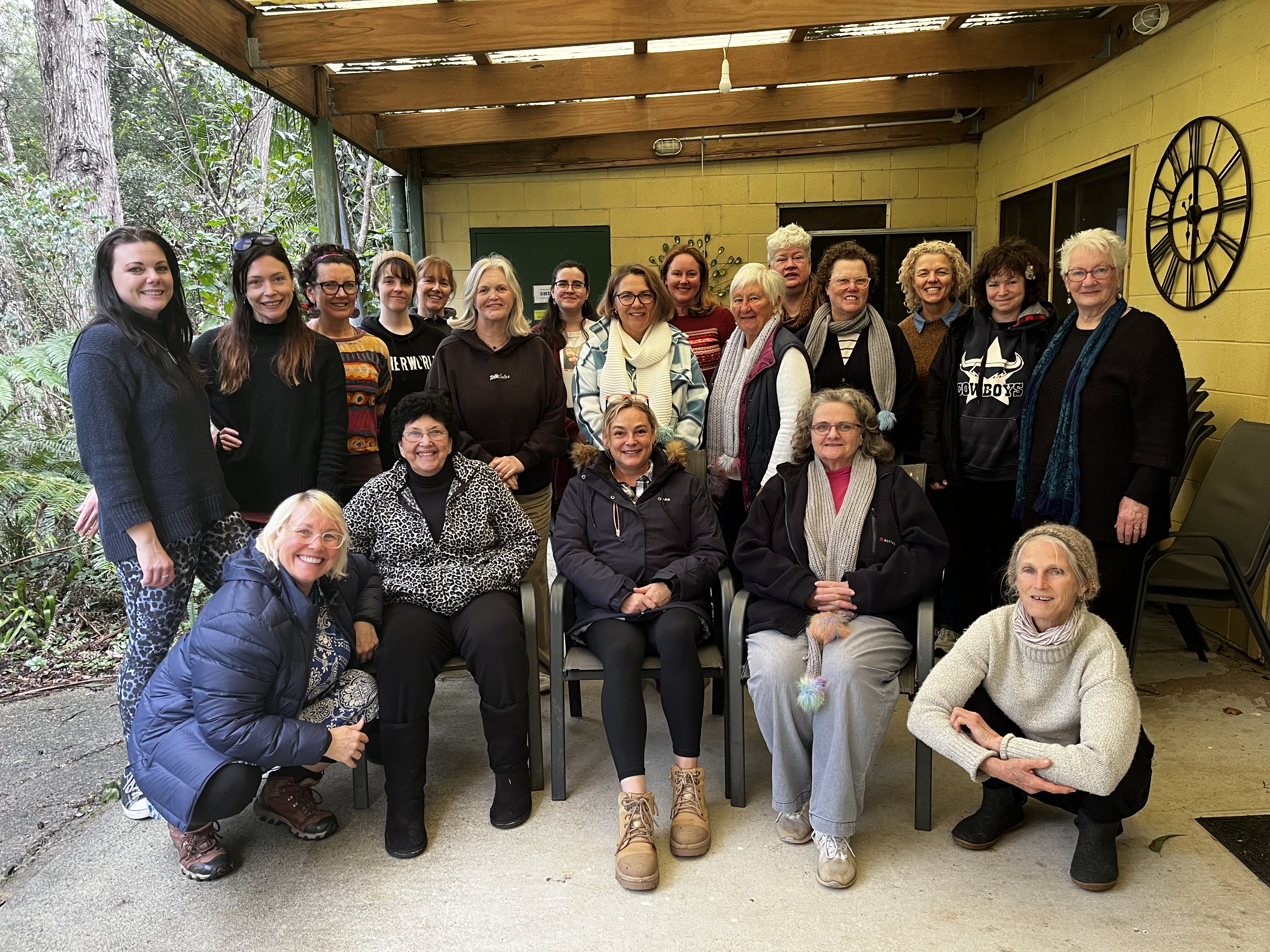
RELAX AND WRITE RETREATS are thrilled to announce a special Feedback and Revision Retreat at SPRINGBROOK 7 – 9 August 2026!
Super boost your writing next winter at this fun retreat for writers in Springbrook at the Theosophical Society’s Education and Retreat Centre. Whether you’re aiming to get stuck into planning your book project, or if you have a manuscript almost done and ready for a second draft, this is the retreat for you!
Midday FRIDAY 7 AUGUST to 3 pm SUNDAY 9 AUGUST 2026
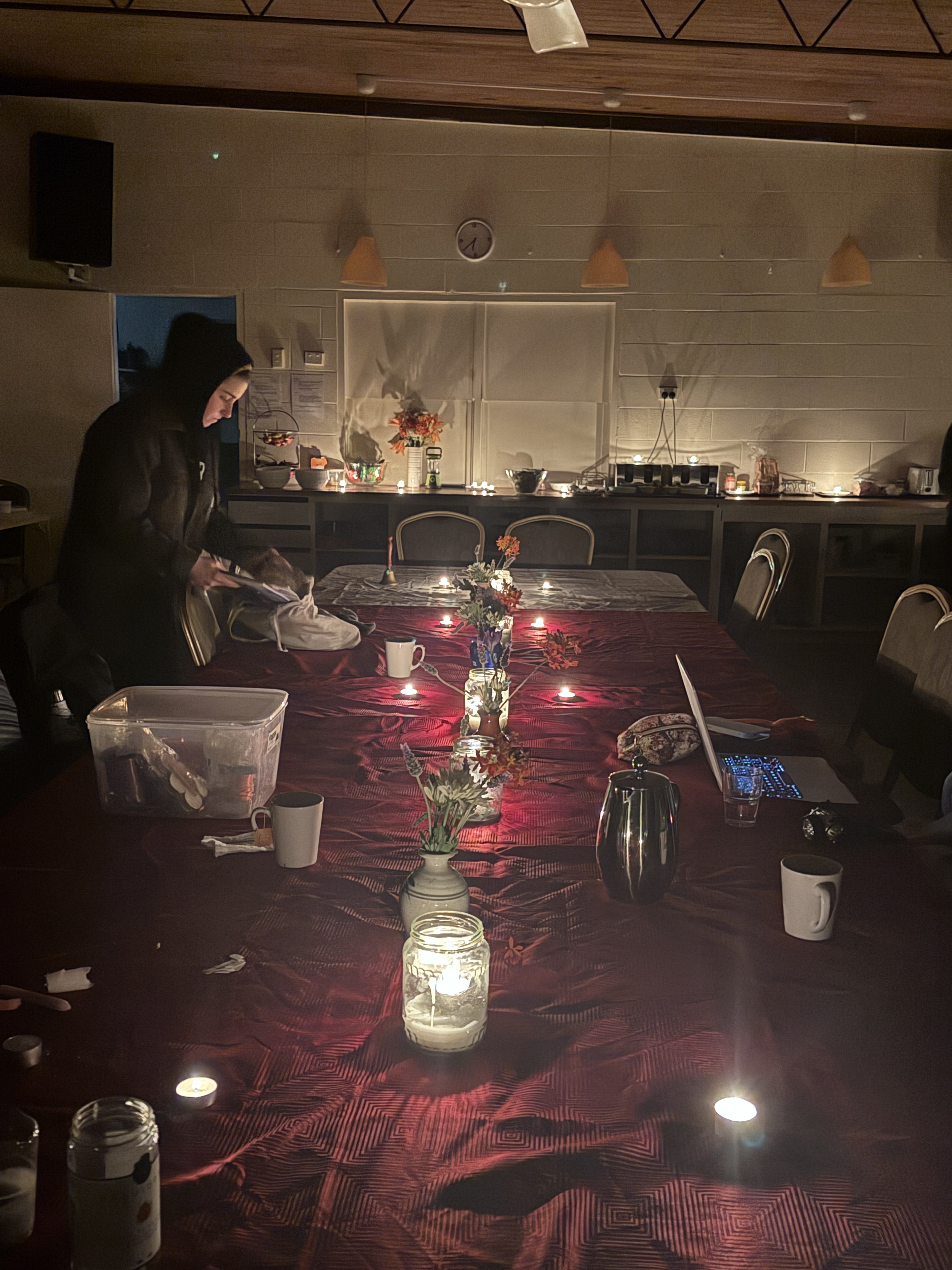
Connect with like-minded women (and non-binary folk) around a heartwarming fire in a beautiful rainforest location. Be inspired by practical and informative workshops which will equip you with all the tools you need to plan your project or superpower your second draft. Stretch and relax with yoga and release your inner-goddess under the mountain stars.
This retreat is tailored for those who have a major project underway, or in the planning stages, with a focus on structuring for success and story development with a special session on how to pitch your work to publishers. Workshops include finding the heart of your story, structuring for narrative drive, pitching and publication pathways.
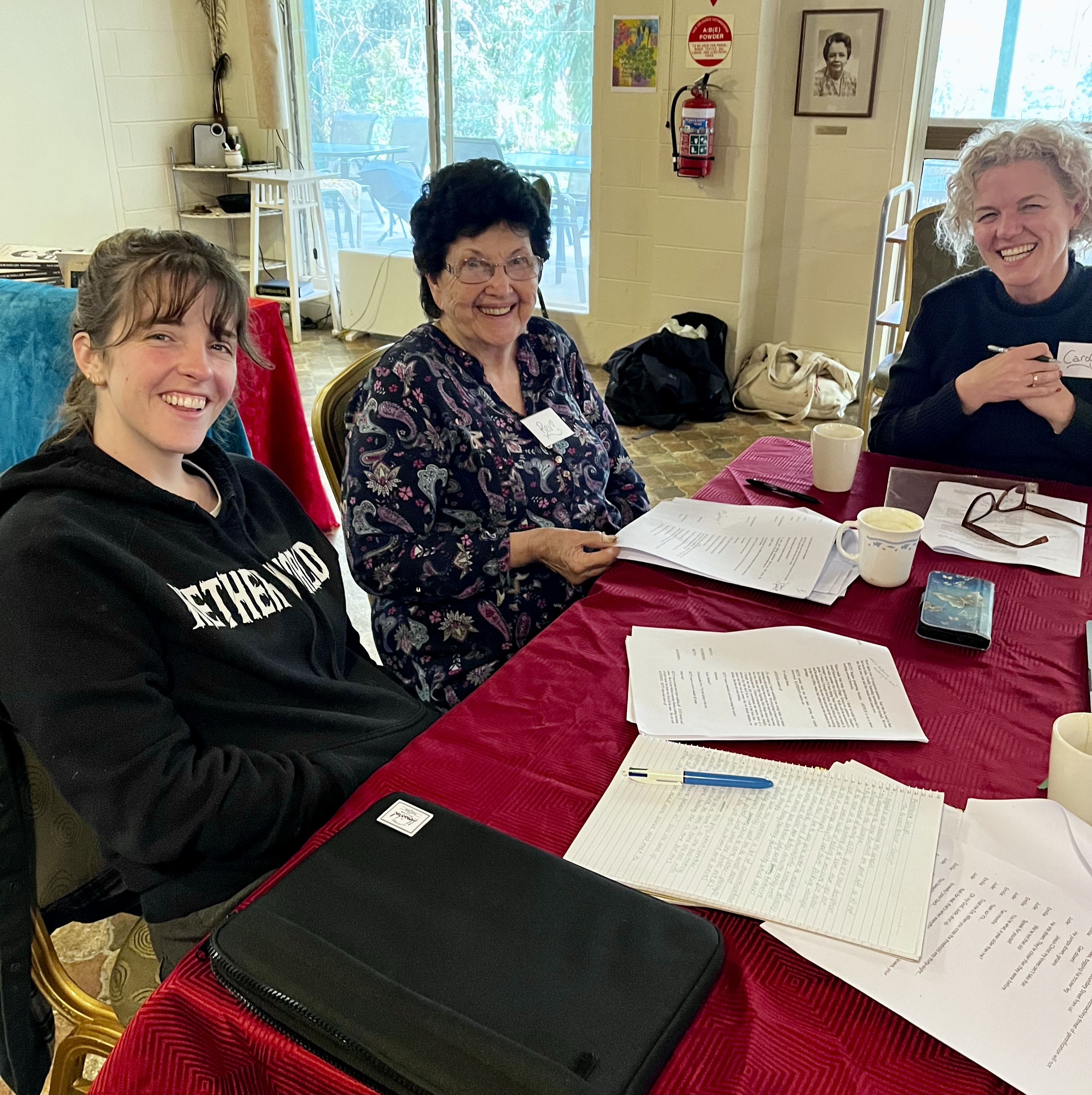
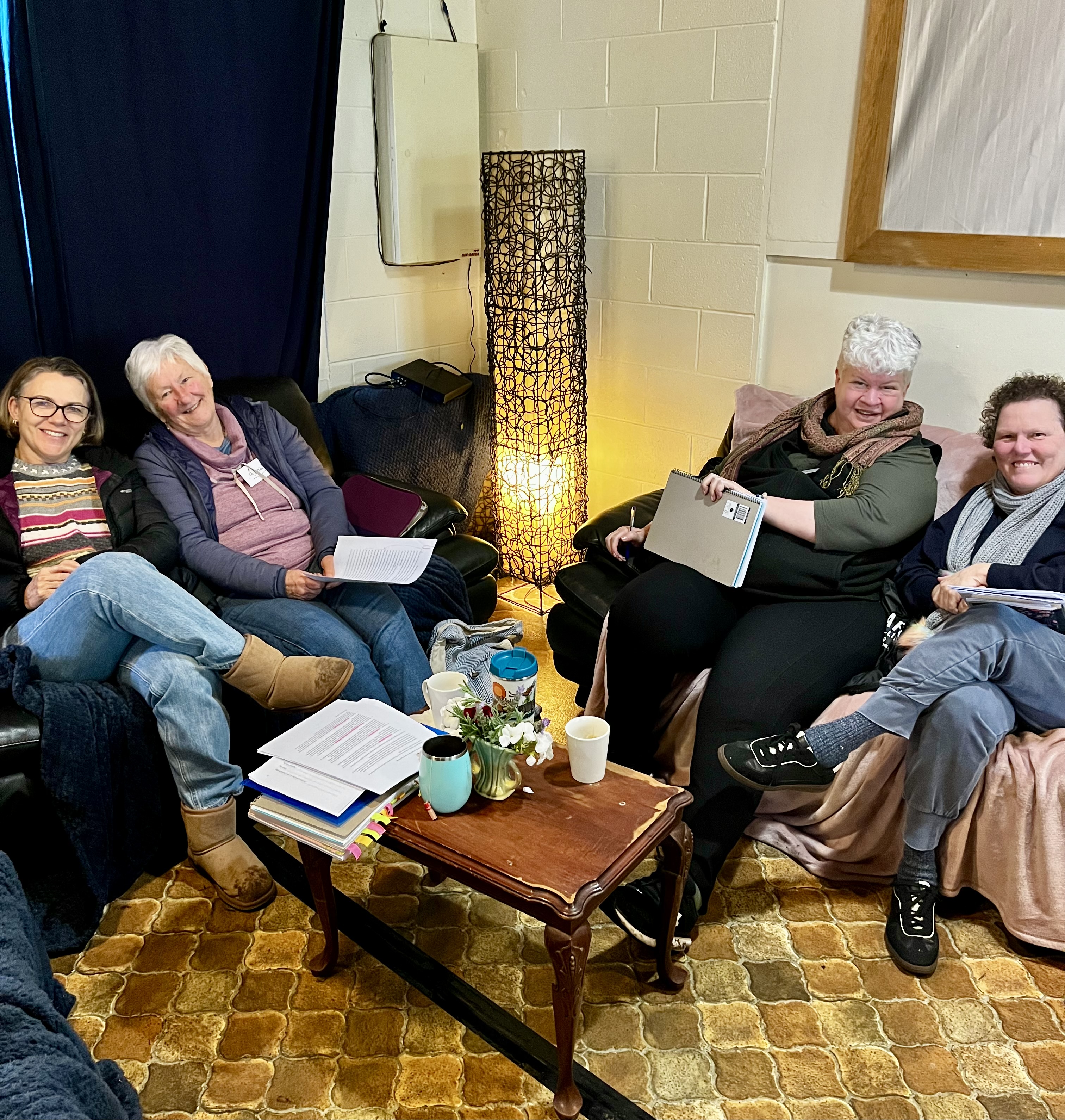
Share your work with other writers at a similar stage in small friendly feedback groups and/or pay slightly more to receive individual editorial feedback on your writing and advice from Edwina as to how best to move forward with your project.
The program includes three yoga sessions, readings night and three creative writing workshops.
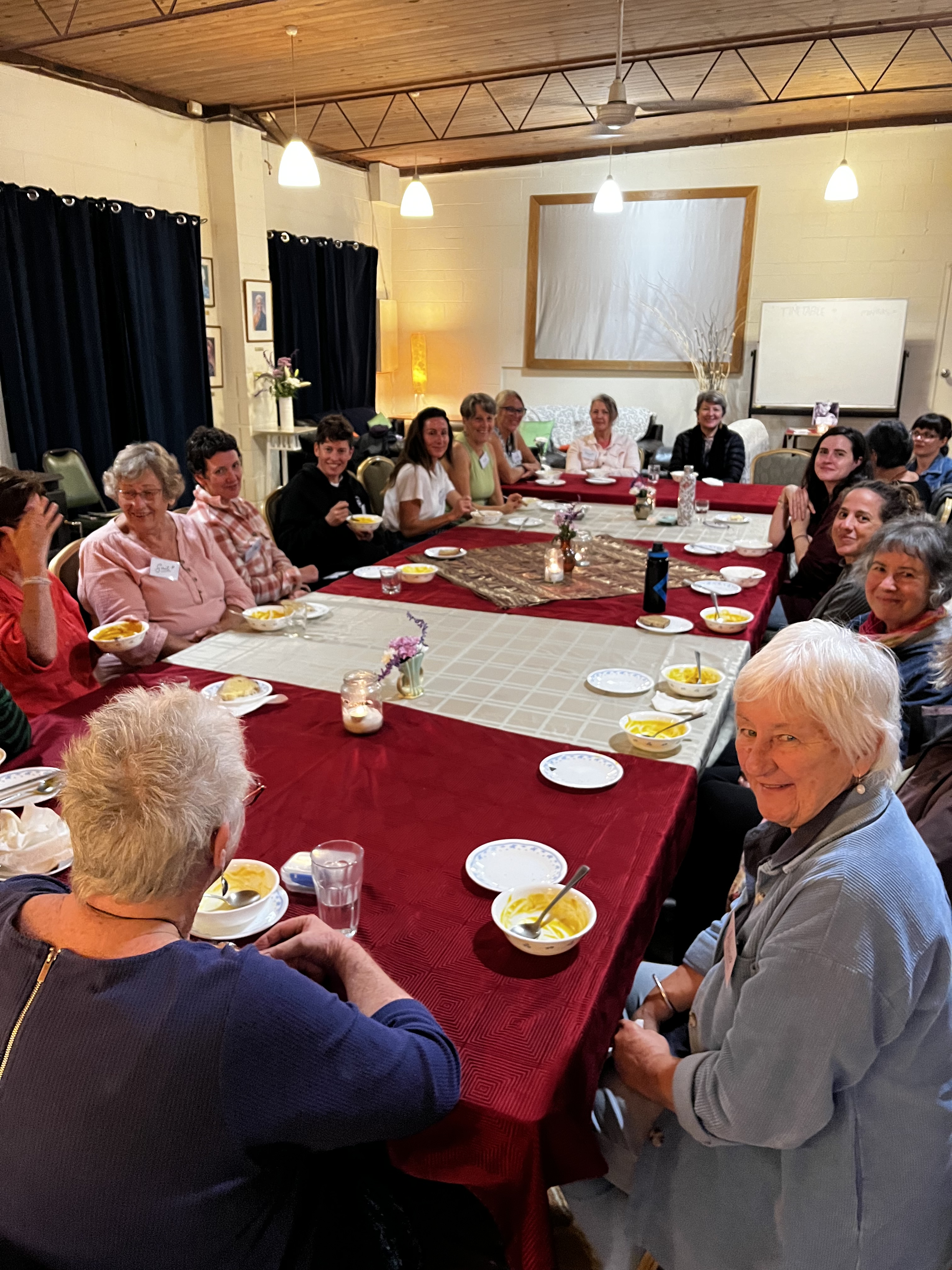
ALL INCLUSIVE! Two nights’ accommodation in basic but comfortable single rooms, with bathrooms shared between two women, plus all meals, morning and afternoon teas are included in the cost.
FROM ONLY $550 all inclusive, for a room of your own. Rooms have single beds with electric blankets, cupboards , a writing desk and chair.
Come along and join the fun, make new writing buddies and renew your love of writing and life.
RETREAT PROGRAM All activities are optional
FRIDAY 7 AUGUST
ARRIVAL from midday– get settled and get writing
4:00 pm – Meet and Greet
4:30 – 6.30 pm WORKSHOP 1– Finding the heart of your story. What is your story’s central quest/question? Your premise.
6:30 – DINNER
SATURDAY 8 AUGUST
7:15 am – 8:30 – gentle morning YOGA and deep relaxation
8:30 – BREAKFAST
10:00 am – 1 pm – WORKSHOP 2 – Structuring for success. Scene lists, suspense and more
The winding path of writing your synopsis can be fun!
WHAT A SYNOPSIS IS NOT.
A synopsis in not a pitch. If you’re needing to send out a query email or a pitch to a publisher or producer, see my post on writing PITCHES HERE. In a pitch you cover genre, comparative titles, author information and give a one paragraph synopsis that gives the main action and themes of your story, but not the ending.
SO WHAT IS A SYNOPSIS?
A synopsis is your entire story in a page, or two if you’re lucky. I can hear the screams from here! “What? How do I get my 80 000 word novel into one page. It’s impossible!”
Well yes, writing your whole book in a page IS impossible. But if you do a good job of writing your synopsis you can give your reader (a prospective agent, publisher or producer), a good idea of what you story is about and how the plot unfolds.
Your synopsis will introduce your main character/protagonist and their primary story goals; and also let us know who or what is opposing that goal. The body of your synopsis shows us how the battle between our hope that the protagonist will achieve their goal and our fear that they won’t and the worst will happen, plays out. For more on this see SUSPENSE = HOPE + FEAR.
Your synopsis needs to include all major plot points, including the ending. Yes, even if there’s a twist you don’t want to give away.
Let’s get to it!
STEP 1
Who is your main character?
Brainstorm your protagonist – what makes them stand out from the crowd? Harry Potter isn’t just a child wizard, he’s an orphaned child wizard whose parents were killed by Voldemort. In Jaws, Chief Brody isn’t just the police chief on the island, he feels responsible for the deaths on his watch, and he’s afraid of the water (important detail to include when he’s fighting a shark).
Think of some contrasting adjectives to describe your character. In ‘Dear Madman’, my work in progress, the murderer is violent but vulnerable after a childhood of abuse in institutions.
Write a sentence describing your protagonist. Remember to make them as interesting as possible. We want our characters to be a little MORE than us regular humans. A passionate but psychotic police officer is a lot more interesting than a lazy accountant.
STEP 2
What does your character want?
What is your character’s goal? Your primary character goal is established in your inciting incident – the unexpected event that sets the whole story in motion.
In Harry Potter, Harry gets a letter inviting him to attend Hogwarts. In Jaws, a shark kills a swimmer at the same time as the holiday crowds arrive. In ‘Dear Madman’, the man is hired to work on the family farm.
Brainstorm your character’s goals. You can do this on three levels:
Physical – the material world (this is where the synopsis will mainly focus)
Emotional – the world of love, romance, feelings
Spiritual – often, as in Harry Potter, this comes down to the battle between good and evil
STEP 3
What opposes your main character’s goal?
Who or what is stopping them get what they want? If you’ve written a romance, this may be a love rival, or societal or cultural issues, or even warring families (think Romeo and Juliet). It may be an antagonist like Voldemort or the shark in Jaws, or it may be the political or social setting of the story as in Hunger Games, or even the sea, if you’re writing a story about a lone sailor circumnavigating the world. Setting is important. See my article on setting HERE.
Identify the opposition to your main character’s goal and write it down.
STEP 4
What is at stake?
What’s the very worst thing that could happen if your character doesn’t achieve their goal? Make it worse!
In Harry Potter, Voldemort will come to power and the world will be plunged into darkness. In Jaws, the shark will go on a human feeding frenzy and in Dear Madman, the man will murder the entire family in their beds.
Brainstorm what’s at stake.
You should already have all the answers within your story. If you’re having trouble coming up with answers to any of these questions, you may need to rethink before submitting. Write your synopsis then use it to ramp up the tension in your whole book/screenplay.
STEP 5
Write your logline/premise
Put STEPS 1, 2, 3 and 4 together to make your logline. For example: A police chief who’s afraid of the water and blames himself for the deaths on his watch, must hunt down and kill a giant shark before it kills again. Or: An orphaned child wizard must defeat the powerful warlock who killed his parents or the whole world will be plunged into darkness.
Write your logline and use it to keep a tight focus in step 5.
STEP 5
Write down all your main plot points
Focusing on the primary goal of your character as identified in your logline, and the actions they take to achieve that goal, jot down all the major plot points in your book. Include other characters that play a significant role in the story, but don’t include subplots or other characters that don’t move the story goal forward.
If you’re not sure what I mean by plot points, think of all the key emotional turning points in your story.
Start with your inciting incident or hook. Then move onto what happens that makes it impossible not to take on the challenge, the plans your character makes, what happens to those plans, and a big unexpected event at the middle of your story – the midpoint – that makes everything worse.
What actions does the antagonist take, or what events derail things? What’s the next big plan that fails and your character’s darkest moment? What gives them the determination to defeat the antagonist and achieve their goal? How do they change and grow? What’s the biggest plan and the big emotional moments in the climax? And then of course, what’s your ending.
Don’t worry if this takes pages, the next step will narrow it down.
STEP 6
Focus and finesse your list of plot points and write them in sentences.
Remember to keep the focus in tight on your premise, and your protagonists attempts to achieve their main story goal. Start with your inciting incident and logline: Eg When a man-eating shark kills a young woman at the start of holiday season, a police chief who’s afraid of the water and blames himself for the death, must hunt down the shark before it kills again. Then move on through each of your significant plot turning points.
Include your setting. This is vital for speculative fiction set in other worlds, or in any story where the setting impacts the action.
Cut, cut and cut again until you get as close to one page as you can. Then cut again.
Get yourself a cuppa and cut cut cut!
STEP 7
Inject your unique tone or voice
This is the trickiest part. If you’ve written a comedy, your synopsis needs to be funny. If you’ve written a thriller, the synopsis needs to keep us guessing. If you’ve written a romance, then the reader has to sigh and get dreamy. If you’ve written a literary novel your own unique voice needs to shine through.
Redraft your synopsis making sure it matches the tone and genre of your book.
Don’t despair the hardest part is done!
DONE!
Well not really, synopsis writing takes time. Be prepared to work on it for over a week, refining and finessing it. Show it to your writing buddies who know your story, but also to writing buddies who don’t.
Have you shown enough of the storyline to hook them in? Does the story still make sense cut down to such a minimal outline?
Does it feel dead on the page? Often they do – don’t worry – as long as your storyline has enough action, it will still work. You can try including a line or two of dialogue, especially if that’s one of your strengths.
Don’t give up. Yes, writing a synopsis is hard, but you’ve done hard things before. You’ve written a whole book!
Be proud of yourself!
I hope you’ll find these steps useful. Let me know how you go!











 Edwina Shaw