
You’ve started your story with a bang, like you’re supposed to. You’ve got a great hook, a killer first scene and everything is coming up roses, but then you start explaining. And explaining. Filling the reader in on every little detail they need to know about your protagonist, right from when and where they were born and their parents troubled histories, and their schooling and how they were bullied as kids and were jealous of their sisters and then started work, but that first job just wasn’t a right fit and… Twenty pages later, your story comes back to your exciting hook. But your reader has already left the building.
What you’ve just done is an INFO DUMP! So easy to fall into, trickier to get out of.

Info dumps come in many forms, and most writers have done one, at least once! They’re a first draft hazard, when we’re still figuring out who our characters are. But don’t worry, they can be fixed.
BACKSTORY DUMPS

The first type of info dump that most writers fall into is the kind described above, a whole lot of information about the character, their formative years and family. This is important to know, as the writer. Not so much for the reader who’ll pick up key points about this background as they read the story that hooked them. Writers need to have a thorough knowledge of their characters, so we write about them and really get to know every detail in our first drafts. Info dumps also happen a lot in memoir, where perhaps the background information is more relevant. However, if you drop everything into one big pile, especially at the start of a story, the reader will turn away.
You’ve grabbed them with the hook, and they want to keep reading that story, not some long-winded explanation of why the character is the way they are.
REMEDY

All your work has not been wasted. Use that information to drip feed to your readers on a “need to know” basis. Keep secrets about the past and reveal them in phrases or sentences around key plot points in the story that hooked your readers in the first place. You need to know everything because that will help you shape your characters’ actions, but let the reader infer most of the backstory, dropping in snippets where relevant or important.
And keep that big traumatic secret for as long as you can, ready to reveal when your character is at their lowest point.
RESEARCH DUMPS

This dump occurs a lot in historical fiction or in memoirs where the author has gone down the rabbit hole of family history research right back to the 1600s! Now, it’s wonderful to have all this new knowledge, but when you dump it all on the reader in one big whammy, they’ll feel like they’re reading a textbook, not a narrative. So, even though you’re now the expert on a certain rare bee for example, don’t inflict the reader with page after page of everything you’ve learnt, no matter how interesting.
You’ve captured their attention with your great story hook, don’t let that fish wriggle off the line by expecting them to be as interested as you are in your pet research topic.
REMEDY

Your job now is to seamlessly interweave the most vital and relevant information through your plot, setting and characters, to make it seem as if the research isn’t even there, but that the world you’ve created is real and accurate. Your research must be revealed through characters, settings and plot points that demonstrate the knowledge you’ve gained. Not in one big ugly dump, but in every specific detail you share about the time and place, and through the way characters act and interact.
DIALOGUE INFO DUMPS

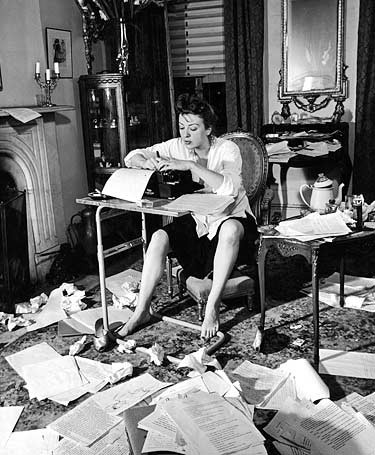
Take either of the dump categories above and insert all the information into someone’s very long section of dialogue and you have a Dialogue Dump. Don’t do it. Ever. Or your reader will end up looking like the poor fellow in the photo!
Dialogue is a stylised form of expression more akin to poetry than actual conversation. It is always best kept brief, except of course for the occasional monologue, but don’t let even them run on too long.
REMEDY
Remove all dumps from dialogue and find another way to include only the most important information. If you need to have your characters explain their pasts for the sake of the plot, then give them a potent line or two but paraphrase the rest and cut back as much as you can while retaining meaning. If you’ve dumped a whole lot of plot information into a character’s speech, cut right back and reveal anything extra in another way.

So beware the info dump! By all means, let yourself go in your first draft and write as much as you like about every character’s past or the specialness of that bee, or the shoes they wore in 16th century Spain, just don’t let it slide into your second draft without serious consideration of how, where and why you insert it. If you’ve included over a paragraph or two of backstory or research details, you’ve gone too far. Cut back. Sometimes all you need is a phrase or a sentence or two.
I hope that helps you slay your Info Dump Dragons and write the very best book you can. Do let me know if you found this useful!
Write like the wind!
Lots of love,
Edwina xx







 Edwina Shaw