
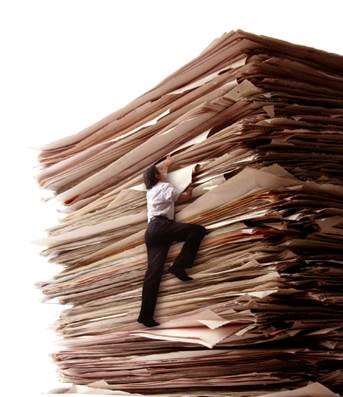
Suffering from mid-book sag? Is your story slumped in a sofa hole, not going anywhere? Don’t worry, rescue is at hand. Welcome to the mysterious midpoint and the miracles it will work for your book.
First things first, where does the midpoint fall? Right in the middle of your book, that’s where! So, if you’re planning to write a novel or memoir of 80 000 words then around the 40 000 word mark (adjust the maths to suit). To discover the midpoints of your favourite novels, flick the book open to halfway and you’ll see the midpoint unfolding.

Your midpoint is the tentpole which will hold up the centre of your story. Midpoints change things up, and most importantly make things worse. Much worse.
Think back to your inciting incident or call to adventure, the external event that forces your character to take up the quest or challenge of the story. The inciting incident falls within the first quarter of your book and starts the story action properly. Before then your character is quite happily (or unhappily) plodding along in their everyday world, until BAM, the inciting incident sets them off on a course of action which they have no choice but to pursue.
Once we’re into the body of the story, most of the plot points are based around actions that the protagonist decides upon and takes. They make plans, sometimes sensible, sometimes not, and carry out those plans. Unfortunately for them, they’re book characters, so mostly these actions only make things worse.
Then we hit the MIDPOINT. Like the inciting incident, this is another external event – the character does not choose this event, in fact they’d have run a mile if they’d seen it coming.

EXAMPLES
In Gone with the Wind, Scarlett has escaped the war in Atlanta and faced all sorts of dangers to make her way back to the family mansion. She arrives only to find it stripped by the Yankees, broken down and bereft. Not only is her home destroyed and the peace and plenty she’s hoped to shelter in gone, but her beloved mother has died. All the good and beauty has gone from her world, and she can no longer be the pampered princess she once was. She is being forced to change.
Sometimes the midpoint is where we realise that everything we thought was true has changed. The plot is flipped on its head and suddenly we’re in much deeper water than we thought.
In Titanic, for example, we’ve had plenty of tension and conflict with our star-crossed lovers from the start, but what happens at the midpoint? Can you guess? Suddenly we go from a troubled cross-classes love story to a story of survival when The Titanic hits the iceberg. We are in deep, cold water, literally.
In Gravity, the astronaut who’s been sent spinning into space after an asteroid shower finally reaches the ship, only to find it is out of fuel. In Fatal Attraction, Glenn Close tells (the happily married to someone else) Michael Douglas, she’s pregnant and is keeping the baby.
Look for midpoint examples in the books you’re reading. In Thrill Seekers, the boys mucking about and drug taking suddenly gets serious when one of them is killed. In Hard As, Bryan is transferred to a youth detention centre after voicing concerns about girls at the orphanage being molested. In Pride and Prejudice, Lizzie’s youngest sister runs off with the despicable Wickham and the whole family is thrown into disrepute and turmoil.

The protagonists don’t choose for these things to happen to them, but they do and suddenly all their old ways of acting are redundant. The enemy is much worse and much stronger than they thought. The protagonist is going to have to change and make new and better decisions. This is perhaps the point where one of their strengths proves to be a weakness or a weakness becomes a strength. Things are turned around.
If you are writing a novel, imagine some external event, perhaps exacerbated or in some way triggered by the actions of your protagonist, that you can insert that will ramp up the tension and put your character under pressure. For example: Let’s say you’re writing about a troubled detective who has to solve a crime before another murder is committed. They have imprisoned who they thought was the killer, but while that person is in jail, another similar murder takes place.
If you’re writing a memoir, have a look at your key Heart Clutching Moments and see if you can find an external event that threw a big spanner in the works, or something that turned your life upside down and made the problem even worse. For example: Let’s say the memoir is about a woman searching for a child she’s given up for adoption. She’s been following all the clues, and finally tracks down her son, only to discover he’s dying.

Keep an eye out for midpoint moments in every book you read and every film you watch. It’s always right in the middle and even though the action may be small, like the young men kissing in Moonlight, it makes everything much worse and forces change and action.
Prop up that sagging centre of your project with a miraculous midpoint that will bring a whole new boost of energy to your book!
What’s your favourite midpoint moment? Need help talking through possible midpoints for your project? Just leave a comment!
Keep going! Let the midpoint escalate your book. Go crazy and have fun! Writing is a crazy business, we may as well have fun playing with characters while we’re at it!
Lots of love
Edwina xx
PS. These images have been generated with AI. Kind of fun to play with too 🙂











 Edwina Shaw