WRITE YOUR SYNOPSIS IN 7 EASY STEPS!

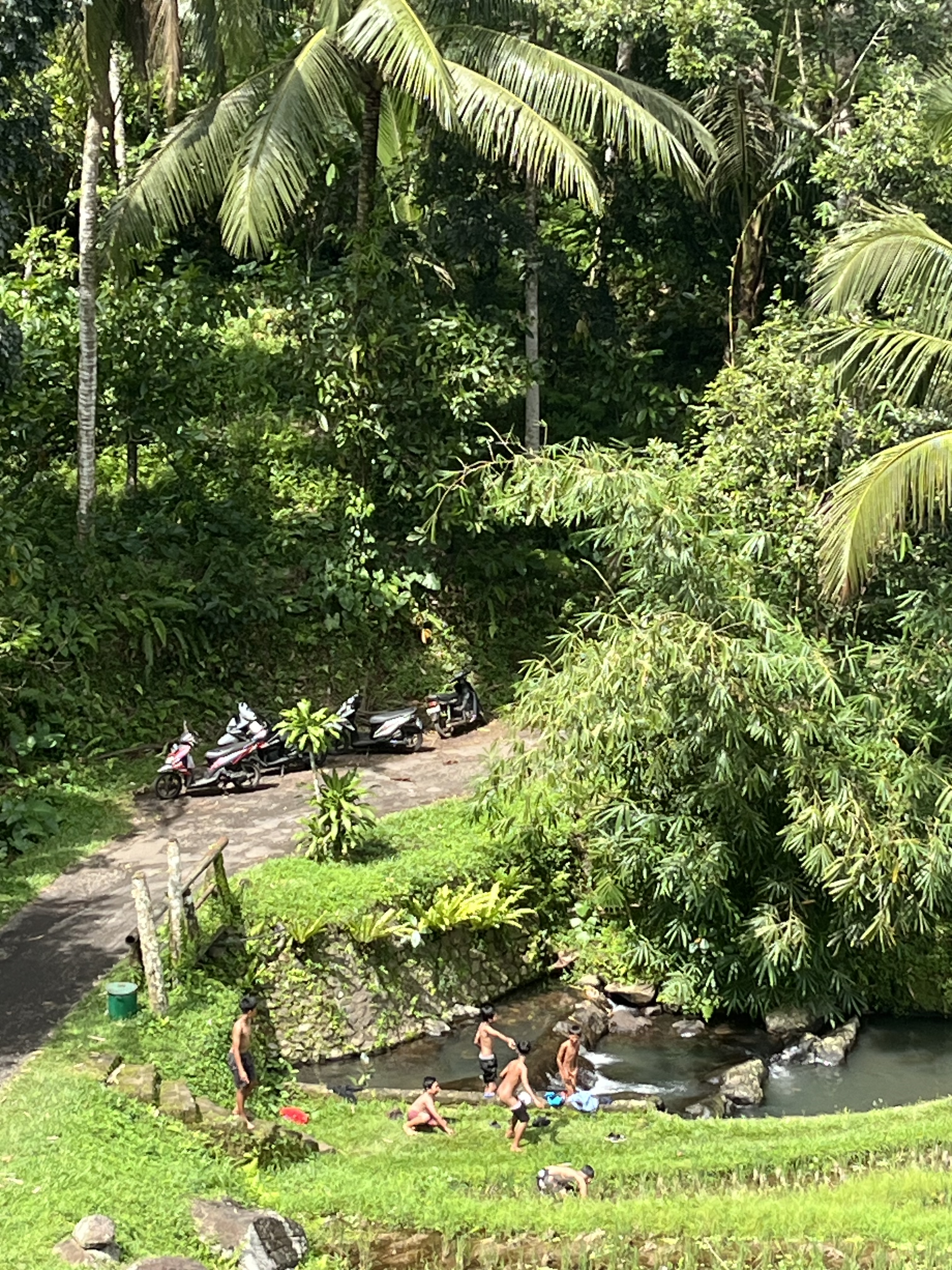
a winding dirt road over a stream, where children play
The winding path of writing your synopsis can be fun!

WHAT A SYNOPSIS IS NOT.

A synopsis in not a pitch. If you’re needing to send out a query email or a pitch to a publisher or producer, see my post on writing PITCHES HERE. In a pitch you cover genre, comparative titles, author information and give a one paragraph synopsis that gives the main action and themes of your story, but not the ending. 

SO WHAT IS A SYNOPSIS?

A synopsis is your entire story in a page, or two if you’re lucky. I can hear the screams from here! “What? How do I get my 80 000 word novel into one page. It’s impossible!”

Well yes, writing your whole book in a page IS impossible. But if you do a good job of writing your synopsis you can give your reader (a prospective agent, publisher or producer), a good idea of what you story is about and how the plot unfolds.

Your synopsis will introduce your main character/protagonist and their primary story goals; and also let us know who or what is opposing that goal. The body of your synopsis shows us how the battle between our hope that the protagonist will achieve their goal and our fear that they won’t and the worst will happen, plays out. For more on this see SUSPENSE = HOPE + FEAR. 

Your synopsis needs to include all major plot points, including the ending. Yes, even if there’s a twist you don’t want to give away.

Let’s get to it!

Writers at work!

STEP 1

Who is your main character?

Brainstorm your protagonist – what makes them stand out from the crowd? Harry Potter isn’t just a child wizard, he’s an orphaned child wizard whose parents were killed by Voldemort. In Jaws, Chief Brody isn’t just the police chief on the island, he feels responsible for the deaths on his watch, and he’s afraid of the water (important detail to include when he’s fighting a shark). 

Think of some contrasting adjectives to describe your character. In ‘Dear Madman’, my work in progress, the murderer is violent but vulnerable after a childhood of abuse in institutions. 

Write a sentence describing your protagonist. Remember to make them as interesting as possible. We want our characters to be a little MORE than us regular humans. A passionate but psychotic police officer is a lot more interesting than a lazy accountant.

STEP 2

What does your character want?

What is your character’s goal? Your primary character goal is established in your inciting incident – the unexpected event that sets the whole story in motion. 

In Harry Potter, Harry gets a letter inviting him to attend Hogwarts. In Jaws, a shark kills a swimmer at the same time as the holiday crowds arrive. In ‘Dear Madman’, the man is hired to work on the family farm. 

Brainstorm your character’s goals. You can do this on three levels:

Physical –  the material world (this is where the synopsis will mainly focus) 

Emotional – the world of love, romance, feelings

Spiritual – often, as in Harry Potter, this comes down to the battle between good and evil 

STEP 3

What opposes your main character’s goal? 

Who or what is stopping them get what they want? If you’ve written a romance, this may be a love rival, or societal or cultural issues, or even warring families (think Romeo and Juliet). It may be an antagonist like Voldemort or the shark in Jaws, or it may be the political or social setting of the story as in Hunger Games, or even the sea, if you’re writing a story about a lone sailor circumnavigating the world. Setting is important. See my article on setting HERE.

Identify the opposition to your main character’s goal and write it down.

STEP 4

What is at stake?

What’s the very worst thing that could happen if your character doesn’t achieve their goal?  Make it worse!

In Harry Potter, Voldemort will come to power and the world will be plunged into darkness. In Jaws, the shark will go on a human feeding frenzy and in Dear Madman, the man will murder the entire family in their beds.

Brainstorm what’s at stake.

You should already have all the answers within your story. If you’re having trouble coming up with answers to any of these questions, you may need to rethink before submitting. Write your synopsis then use it to ramp up the tension in your whole book/screenplay.

STEP 5

Write your logline/premise

Put STEPS 1, 2, 3 and 4 together to make your logline. For example: A police chief who’s afraid of the water and blames himself for the deaths on his watch, must hunt down and kill a giant shark before it kills again. Or: An orphaned child wizard must defeat the powerful warlock who killed his parents or the whole world will be plunged into darkness. 

Write your logline and use it to keep a tight focus in step 5.

STEP 5

Write down all your main plot points

Focusing on the primary goal of your character as identified in your logline, and the actions they take to achieve that goal, jot down all the major plot points in your book. Include other characters that play a significant role in the story, but don’t include subplots or other characters that don’t move the story goal forward.

If you’re not sure what I mean by plot points, think of all the key emotional turning points in your story.

Start with your inciting incident or hook. Then move onto what happens that makes it impossible not to take on the challenge, the plans your character makes, what happens to those plans, and a big unexpected event at the middle of your story – the midpoint – that makes everything worse. 

What actions does the antagonist take, or what events derail things? What’s the next big plan that fails and your character’s darkest moment? What gives them the determination to defeat the antagonist and achieve their goal? How do they change and grow? What’s the biggest plan and the big emotional moments in the climax? And then of course, what’s your ending.

Don’t worry if this takes pages, the next step will narrow it down.

STEP 6

Focus and finesse your list of plot points and write them in sentences. 

Remember to keep the focus in tight on your premise, and your protagonists attempts to achieve their main story goal. Start with your inciting incident and logline: Eg When a man-eating shark kills a young woman at the start of holiday season, a police chief who’s afraid of the water and blames himself for the death, must hunt down the shark before it kills again. Then move on through each of your significant plot turning points. 

Include your setting. This is vital for speculative fiction set in other worlds, or in any story where the setting impacts the action.

Cut, cut and cut again until you get as close to one page as you can. Then cut again.

Get yourself a cuppa and cut cut cut!

STEP 7

Inject your unique tone or voice

This is the trickiest part. If you’ve written a comedy, your synopsis needs to be funny. If you’ve written a thriller, the synopsis needs to keep us guessing. If you’ve written a romance, then the reader has to sigh and get dreamy. If you’ve written a literary novel your own unique voice needs to shine through.

Redraft your synopsis making sure it matches the tone and genre of your book.

Don’t despair the hardest part is done!

DONE!

Well not really, synopsis writing takes time. Be prepared to work on it for over a week, refining and finessing it. Show it to your writing buddies who know your story, but also to writing buddies who don’t. 

Have you shown enough of the storyline to hook them in? Does the story still make sense cut down to such a minimal outline? 

Does it feel dead on the page? Often they do – don’t worry – as long as your storyline has enough action, it will still work. You can try including a line or two of dialogue, especially if that’s one of your strengths.

Don’t give up. Yes, writing a synopsis is hard, but you’ve done hard things before. You’ve written a whole book!

Be proud of yourself!

I hope you’ll find these steps useful. Let me know how you go!

Lots of love

Edwina xx
INTERVIEW WITH KATHERINE HOWELL

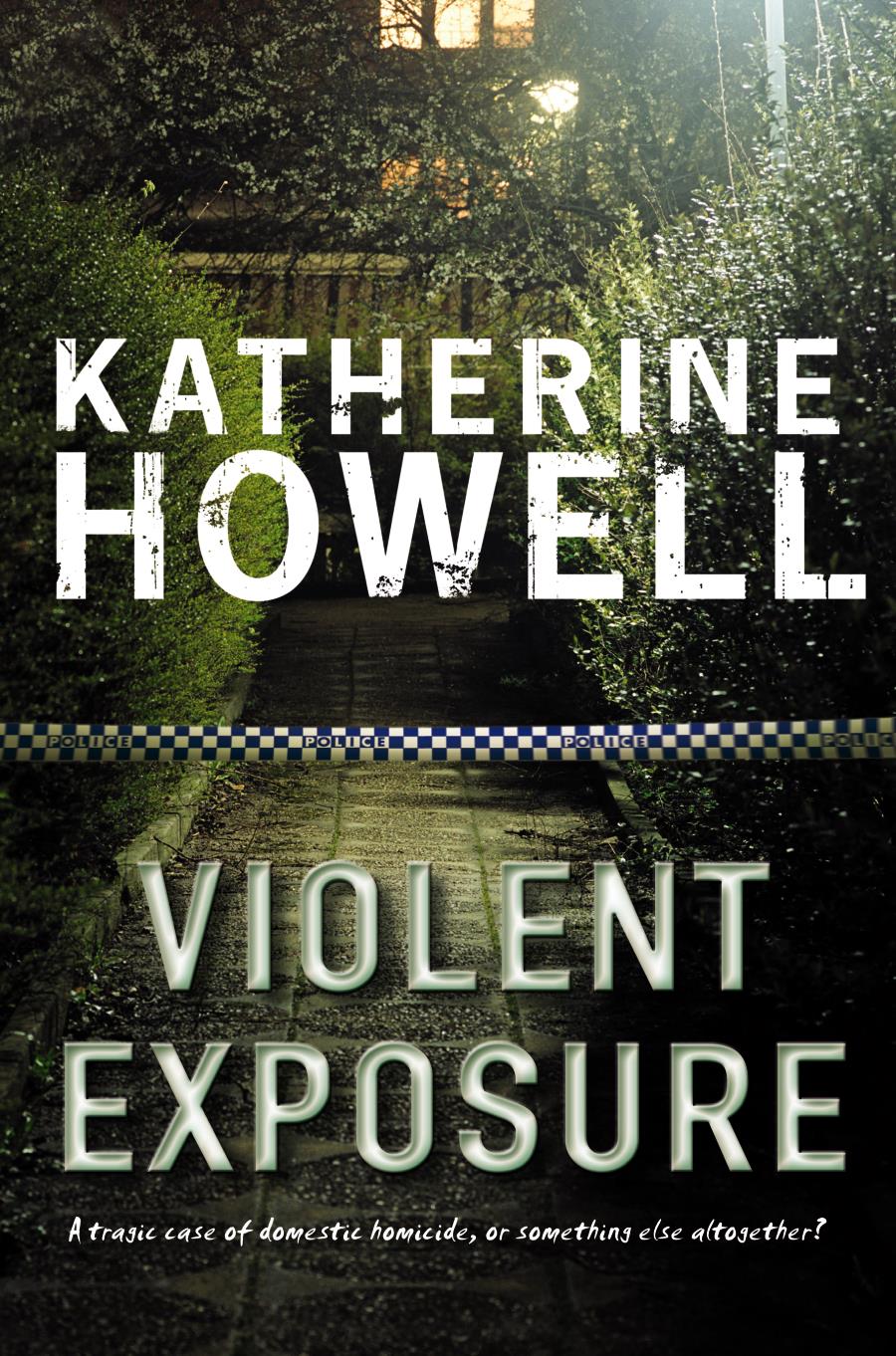
Violent Exposure by Katherine Howell

Violent Exposure by Katherine Howell

Congratulations on the success of all your thrillers Frantic, Darkest Hour, Cold Justice and Violent Exposure.   

That’s quite a list. With all those books published you must be a millionaire, right? Living in the land of the rich and famous?

 I wish!! Overseas sales help to bump up the income, but because foreign publishers have to factor in the cost of translation, when times get tight (as with the GFC) so do overseas deals.   As an overall average, think minimum wage, then take a little bit off.

 Do you have a favourite of your books? Why/Why not?

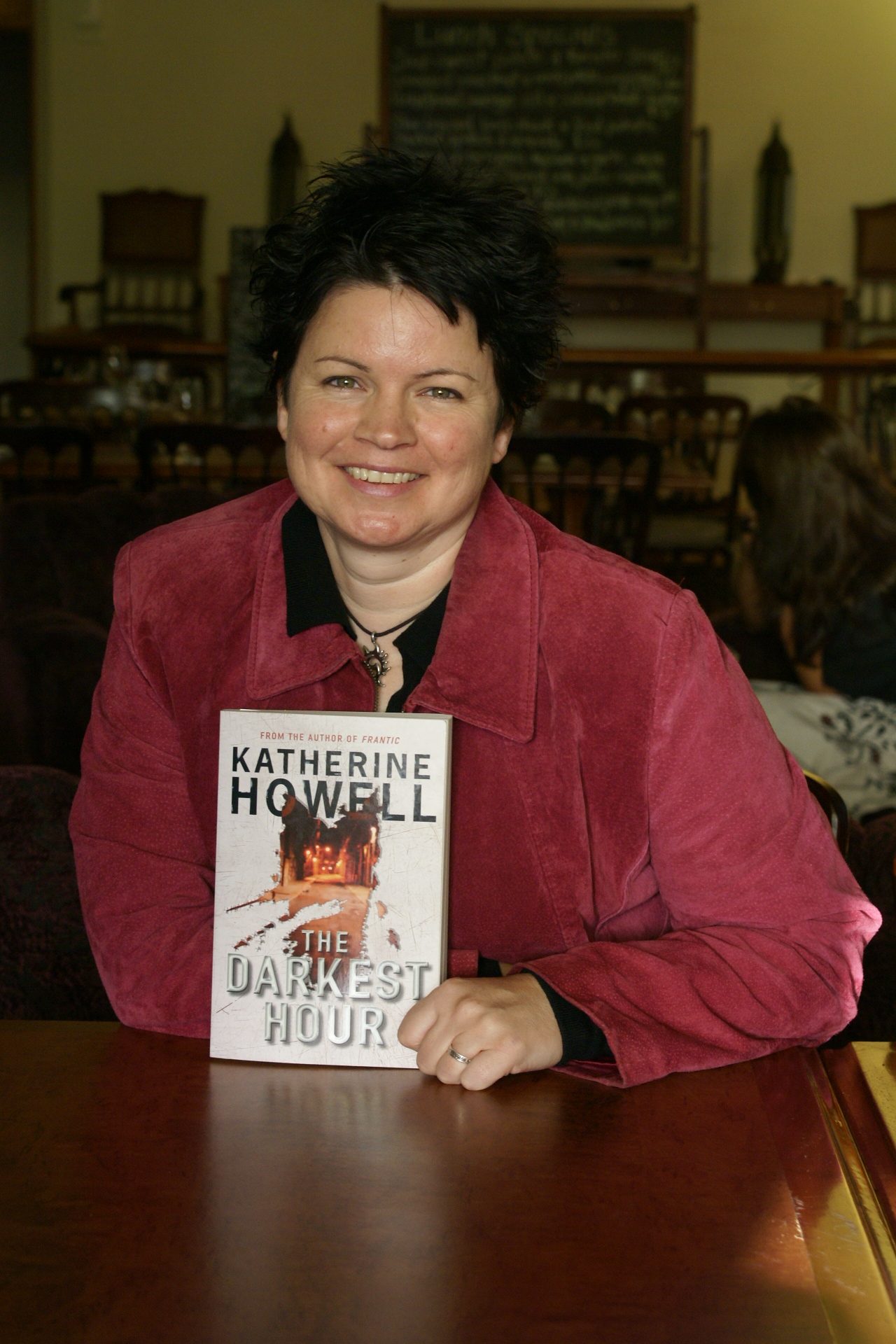
I don’t have a favourite. They hold special places in my heart for different reasons though: Frantic because it was my first, The Darkest Hour because it often seems to be in the shadow of the others, Cold Justice made the bestseller list, Violent Exposure was my most recently published and was reviewed as being even better than CJ, and Silent Fear because it’s the next one to come out. I also always love the one I haven’t yet written – so full of promise!

 When we first met about eight years ago you were working on an early draft of Frantic. You were also writing a thesis on building suspense. Can you give us a quick few pointers on how to make our stories more suspenseful?

 To develop suspense, a writer needs to 1. have characters the reader cares about and 2. make that reader feel uncertain about what’s going to happen to those characters. ‘Caring’ in this context can include feelings of curiosity and being intrigued – think Hannibal Lecter – though more often it’s understood as liking, or sympathy/empathy/identification. Uncertainty is built by posing questions that the reader desperately wants answered: Will the friends get to the bridge in time and escape? Will the separated lovers ever meet again and fall in love? Will the detective catch the criminal before he kills someone else? One question like this isn’t enough to sustain a whole work, however, so the writer has to pose and answer questions in each scene and chapter too, some of which will be answered sooner, some later.

 How long did you work on that first book?

Between all the crappy drafts then the reworking according to what I learned about suspense I reckon it was about six years. I did however write three other terrible MSs before that too, so all up from the time I started seriously working on novels to when I got published it was seventeen years. And worth every day.

 Was it easy to find a publisher?

I’d shown my agent one of those earlier awful MSs and she’d given me some feedback, which I’d then applied in further drafts, then I eventually put that away and moved on to those early drafts of Frantic. She read those too and gave me good feedback. After the suspense reworking, when it was finally ready to send out, it sold to the first publisher she approached (Pan Macmillan.) To say it sold so quickly makes it sound easy, but because getting to that point involved years of hard work it wasn’t easy at all.

 What about the others? Did you suffer from second or third or fourth book syndrome? Does it get any easier?

Cold Justice

Cold Justice

I found writing the second book, The Darkest Hour, at times absolutely terrifying and so difficult. This was mostly because having taken so many years to write Frantic (and the previous MSs) I suddenly had just one year and a very clear deadline to finish TDH (and at the start I had only 10% written). Also, I wanted TDH to be a better book than Frantic (everyone wants to improve, right?) but had no idea how to make that happen, or even what that really meant. Frantic had such a great reception, as well, so I was frightened of producing something bad and feeling that maybe I’d had only one good book in me. I ended up getting a one month extension on the deadline and it all turned out fine.

It gets easier in that I know that the writing of each book feels awful. I keep a diary with each one and I can look back over them and see they’re all full of fear, me worrying about how this time I’ve really lost it, the other books might’ve turned out okay but it’s all over now. The work itself doesn’t really get easier: climbing a mountain is still climbing a mountain, and having done it before means you know how hard it is and that having survived it once you can do it again, but that’s about it.

 At the moment you’re doing a PhD in Creative Writing and working on a new novel that’s not part of the series. How are you finding this experience? What element of writing are you exploring this time in your essay?

I’m finding it a challenge in that I’m using first person for half of the work, and Detective Ella Marconi’s not there and I have to fight the urge to bring her in! I’m enjoying it though. For the thesis I’m studying women doctors in crime fiction and their approach to the body, so I’ve had some lovely times researching such things as the history and development of the autopsy, and am looking forward to rereading some of the books of authors Patricia Cornwell and Tess Gerritsen.

 You have a wonderful agent in Selwa Anthony. Can you tell us a bit about how you found her and the types of things she does for you?

Selwa really is wonderful. An author and friend sent my work on to her back in the late nineties, and though I was still working on those awful MSs then she took me on. I think she’s incredible for that: she gives time to writers who may not be ready to publish yet but in whom she sees potential. She read my work and gave me feedback and never saw a cent for her time and effort until we got the contract for Frantic and TDH in 2006. Now I send her the novels when they’re complete and ready to go to the publisher, but I also send her work when I feel stuck – eg, a few months ago I sent her the first half of my new book, Silent Fear, saying I didn’t think it was working. She said, ‘You always do this at the halfway point!’ and read it and reassured me that it was working well. In addition she handles the contracts and money side of things, which means my relationship with the publisher can be all about the work rather than negotiating terms. Those contracts are like the contracts when you buy or sell a house, too – huge and complicated, and so you need advice on them.  

 You’ve always been supportive and encouraging of new writers and do a lot of teaching of writing at the Queensland Writers Centre and in other venues. What are your top five tips for beginner writers?

1 – never give up. No writer who’s published now was certain they would make it. Maybe your work isn’t up to scratch just yet, but neither was mine once. It might take years of effort, and there’s no guarantee of anything at the end, but if you give up you definitely won’t get there.

2 – write because you love it. Even on those tough days when the mountain feels impossible to scale and I think of all the other things I could be doing with my time, I know that it’s more than compensated by the moments when a sentence comes out just right, a character’s dialogue feel so perfect for them, or a scene does exactly what I’d hoped. If your goal is publication, that’s great, but it can’t be the sole reason you write. Even if you get published to enormous acclaim, the fuss and signings and events soon end, and you’re back at your desk, just you and your work, with months or maybe years until the hoopla happens again. Those short periods won’t sustain you if you don’t enjoy the long periods of work between them.

3 –  be prepared to work long and hard. Chances are your first novel manuscript isn’t going to be good enough to publish, and probably neither’s your second. Some people are the exception to the rule, but for the rest of us it takes years.

4 – be prepared also to let go of those early mansucripts. You’ve written one, you can do it again! Once you are published, you want to keep being published, right? You need to have the mindset that you are a writer who keeps on writing. If I hadn’t been able to move on from my early MSs, you wouldn’t be reading this.

5 – editing is key. No first draft is excellent. It’s all about getting the ideas down, the people, the bones of the story. The reworking that comes later is what turns it into a polished work that readers can enjoy. Be prepared to put in the work to learn how to edit yourself; it’s an essential skill. Pull apart the work of writers you love and see how they do what they do: how are they telling the story? How do they make you feel sad, or excited, or in suspense? Train your eye so when you look at your work you can tell what doesn’t work and why.

Thanks so much Katherine and best of luck for your new book, Silent Fear, going feral and selling like hotcakes all over the world. Rich and famous here you come!

thanks edwina  🙂

Katherine Howell

Katherine Howell