NINE QUESTIONS FOR STORY SUCCESS

Is this you? Scribbling away on your story surrounded by books? Photo by Maria Maria Acha-Kutscher from Womankind magazine

Uta Hagen, an acting coach, came up with the following approach for actors, based on the Stanislavski method of inhabiting characters, which we can apply to our writing. As in my recent freaky character exercise where we imagine ourselves being in our characters’ bodies, this time too we’re getting right into the character’s mindset, but also thinking about their place in the entire story.

Whatever stage you’re at in your story, and whether it’s fiction, or memoir, ask yourself:

  1. What is the story about? What is it really about? Answering this pair of questions seven times will help you drill right down to the key message or themes at the heart of your story.
Another great photo from Maria Maria Acha-Kutscher.
  1. What is the tone/genre of the story? Are you writing a light-hearted rom-com, or a dark supernatural thriller? Even if you know your genre – drill down deeper to find the right tone. EG: you can have a quaint historical murder mystery, or a grim political murder mystery. Once you have this clearly in your mind, apply it to your story throughout. 
Depending on your tone or genre this tree could be a spooky evil spirit, or a kooky frog-like friend.
  1. Whose story is it? Which character is your protagonist? Even if you have multiple protagonists, one character will have a little more power than the others. See my article on managing point of view for more on this. This character’s journey through the story is the most important.
  1. What are the basic circumstances of the story (what has happened to the character, what is happening, and what will happen)? Remember your character must ACT! Action and movement, and character changes are not-negotiable if you want to write a story people will want to read.
  1. What does your character want? What is your character’s main story goal? To save the world? To find her daughter? To become a movie star? What is the outward goal, manifested in the physical world?
  1. What does your character need? What is their emotional or spiritual goal? On a deeper level, what is this character really yearning for. Often their physical goal will not bring them this. What will?
  1. How does your character change? What is their story arc? How do they learn and grow through the story? How can you show them overcoming their fears or weaknesses, and transforming them into strengths? 

Photo by David Radomysler on Pexels.com
  1. What is the main conflict of the story? Put simply, what opposition is there to the character’s goals – both their conscious and sub-conscious goals. See Suspense = Hope + Fear for more on this.
  1. What is at stake? If the character fails to achieve their goals, what’s the worst that can happen? It doesn’t have to be the whole world blowing up, but it does need to feel like that for your character. If they don’t destroy the comet the world will explode. If she doesn’t find her daughter, she’ll forever be heartbroken. If he doesn’t come out, he’ll live his whole life as a lie.
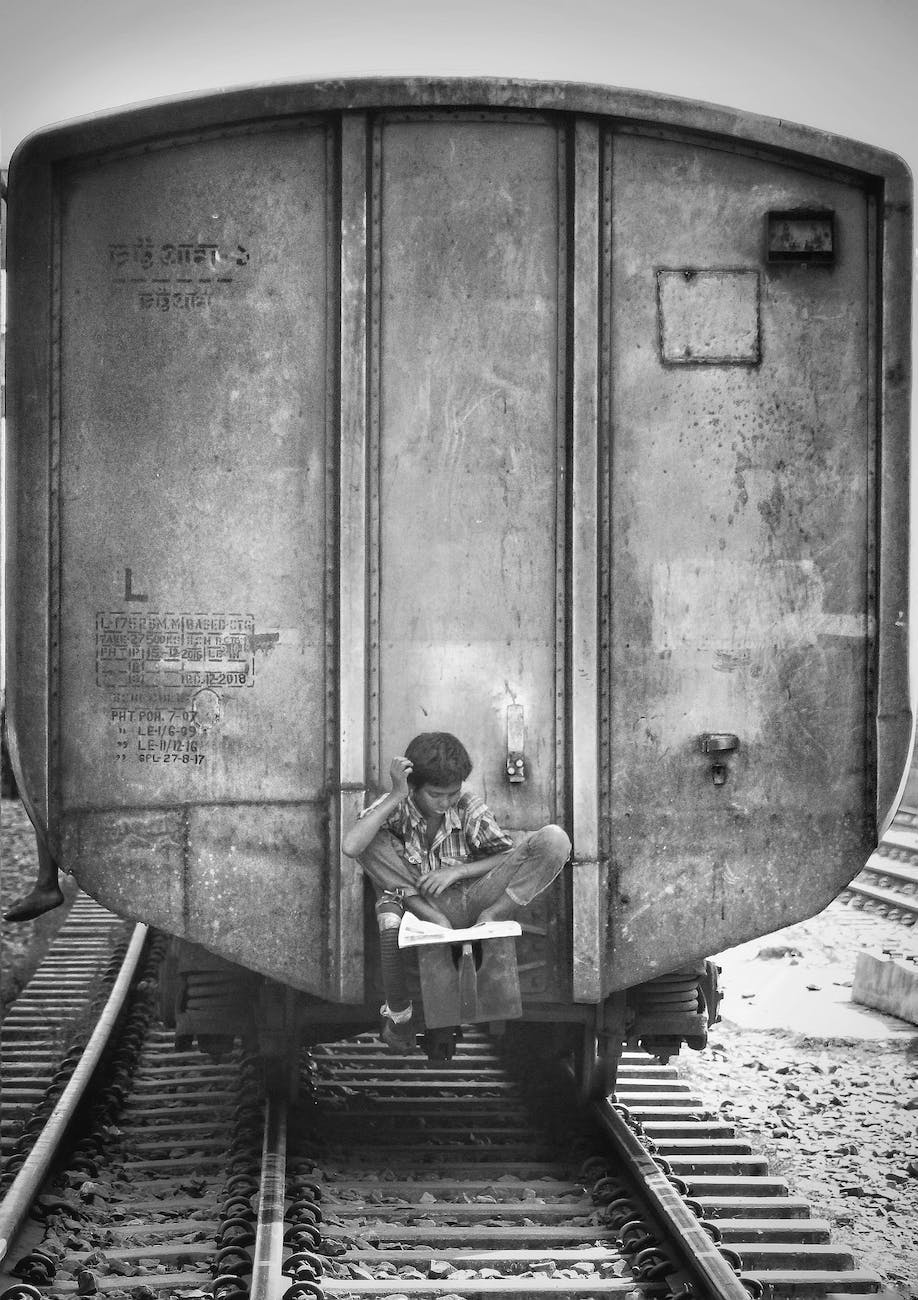
Photo by Shahadat Hossain on Pexels.com

Nutting the answers to these questions out before you start in can really help you narrow your focus and concentrate on what is most important to get across in your writing.

But really you can apply these questions at any stage of writing, second draft, half way through, 10 000 words in. Make sure there’s enough at stake and that you’re continually moving your reader between the hope that the character will achieve their goals and be happy, or the fear that they will fail and everything will be ruined forever. Make sure your character is taking action, not just reacting and make sure that no matter how good their intentions, sometimes these actions backfire and make everything worse!

Have fun playing with these! More next time.

Until then! Write like the wind!!

Lots of love

Edwina xx
WILL SHE OR WON’T SHE? – SHAPING PLOT THROUGH CHARACTER DECISIONS

Recently I attended a Screen Queensland, Wendall Thomas screenwriting workshop on developing plot through decisions.

Wendall’s main message was this – Structure your plot through character decisions.

As we know the very best plots spring from the intrinsic motivations and flaws of our characters. Their goals, hopes and weaknesses create meaningful plotlines that are compelling because we are invested in the characters. Alternatively, plots that are imposed on characters can feel contrived and don’t have the same emotional drive that keeps us reading.

According to Wendall, each decision has three elements.

MOTIVATION – what situation/idea/goal/event forces a decision upon this character?

DECISION – what choice do they make in response to that motivating factor?

And finally

CONSEQUENCES – what events does the characters decision set in motion?

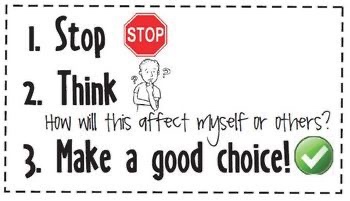
These elements remind me of my days teaching kids with behaviour disorders in juvenile justice centres. On every wall were posters proclaiming a very similar process to get them to reflect before they took rash actions that could potentially land them in even deeper trouble. STOP. THINK. OPTIONS. CONSEQUENCES. ACTION.

Stop and Think before you act!

A character has to act not just react. This process of shaping the plot through their decisions forces them to take active responsibility and turns a sappy passive protagonist into a vital force in your story, novel or screenplay.

In all forms it’s important to transform these internal decisions into external actions. To not just say, Bobby realised that killing the cat would get him in trouble, but to show Bobby, swinging the cat by the tail until it shrieked, but then stopping, holding the cat to his chest, wrenching its face up to look in its eyes, then setting it free.

Dora Marr – Boy with Cat

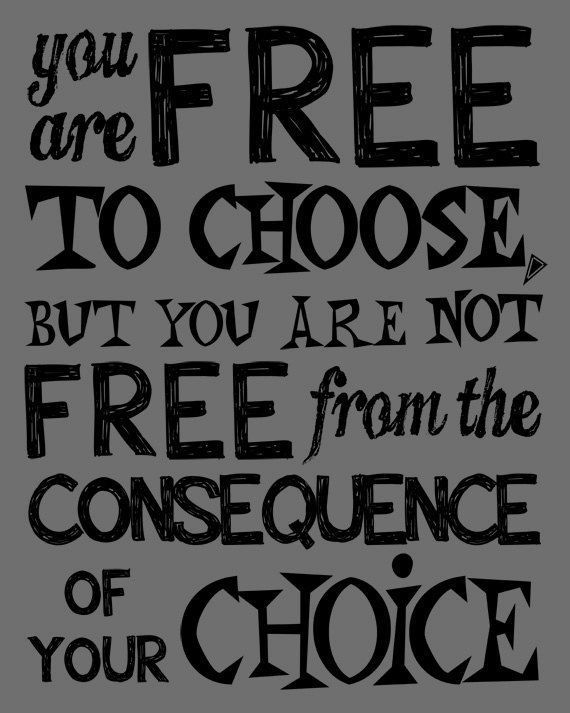
Each decision has its consequences. Some good, some bad. As Wendall kept saying – every decision takes your character one step forward and then two steps back.

Let’s just say Bobby made that decision to set the cat free, but it was wounded and someone had already seen him with it. When it limped home, the owners called the police and Bobby was arrested. As the police approach him Bobby starts throwing punches, swearing and reacting as he’s always done, but one of the officers speaks kindly to him and Bobby thinks better of it and calms down. Goes with them peacefully. 

After the inciting incident that sets up our story, the protagonist must decide whether or not to take up the challenge it presents. Once they do, they are propelled into the second act and continue to make decisions that move them one step forward and two steps back all the way through to the climax. Some decisions seem sensible, but others, motivated perhaps by their fatal flaw or a deep-seated weakness, we know from the start are only going to make things worse, much worse.

At the watchhouse, Bobby is taken aside by a corrupt officer who tells him he’ll let him go if he becomes an informer and feeds him information about the drug running bikie gang Bobby’s violent uncle heads. Bobby shakes the corrupt officer’s hand, puts the cash in his pocket and we know things are only going to get a whole lot worse from here.

So remember, MOTIVATION, DECISION, CONSEQUENCES and show us those decisions in ACTIONS that manifest the characters feelings and realisations.

As we hurtle towards the climax of our stories, propelled by decisions that really aren’t going so well, the decisions become increasingly reckless as the character is put under more and more pressure. Consequences get more and more dangerous.

Let’s say after informing a couple of times, Bobby sees Uncle Roger stash a couple of gym bags full of cash under the house before he heads out on his Harley. Bobby gets his phone and clicks on the police officer’s number. But then, just as the officer answers, Bobby shoves the phone back in his pocket, and scrambles under the house, emerging with a bag full of cash.

Then he turns up at his young girlfriend’s place and tells her to pack a bag. They’re both heading off down the street when the cat he hurt crosses their path. His girlfriend stops to pat it and they waste precious time. The bikie gang roars around the corner.

UHOH!

Decisions that your character makes early on in the story manifest themselves in consequences in the final act. Bobby’s decision to become an informer brings him into all sorts of dangerous circumstances he could have avoided. Even the cat plays a role in delaying his escape.

In every book you read and every film or TV show you watch, keep an eye out for how those character decisions are shaping the story.

And if in your own story your character isn’t making any decisions of their own, but is only reacting to external forces, give them some backbone and get them making decisions to give your plot a whole lot more OOMPH!

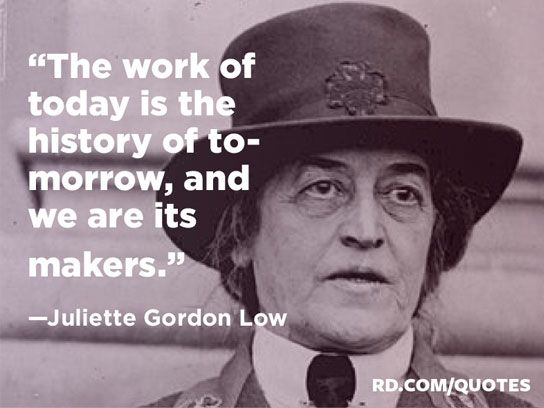
Start making history with your stories

Hope that helps you whip your stories into shape.

Keep smiling and keep writing through all the madness now surrounding us.

All is well. 

Lots of love

Edwina xx