NINE QUESTIONS FOR STORY SUCCESS

Is this you? Scribbling away on your story surrounded by books? Photo by Maria Maria Acha-Kutscher from Womankind magazine

Uta Hagen, an acting coach, came up with the following approach for actors, based on the Stanislavski method of inhabiting characters, which we can apply to our writing. As in my recent freaky character exercise where we imagine ourselves being in our characters’ bodies, this time too we’re getting right into the character’s mindset, but also thinking about their place in the entire story.

Whatever stage you’re at in your story, and whether it’s fiction, or memoir, ask yourself:

  1. What is the story about? What is it really about? Answering this pair of questions seven times will help you drill right down to the key message or themes at the heart of your story.
Another great photo from Maria Maria Acha-Kutscher.
  1. What is the tone/genre of the story? Are you writing a light-hearted rom-com, or a dark supernatural thriller? Even if you know your genre – drill down deeper to find the right tone. EG: you can have a quaint historical murder mystery, or a grim political murder mystery. Once you have this clearly in your mind, apply it to your story throughout. 
Depending on your tone or genre this tree could be a spooky evil spirit, or a kooky frog-like friend.
  1. Whose story is it? Which character is your protagonist? Even if you have multiple protagonists, one character will have a little more power than the others. See my article on managing point of view for more on this. This character’s journey through the story is the most important.
  1. What are the basic circumstances of the story (what has happened to the character, what is happening, and what will happen)? Remember your character must ACT! Action and movement, and character changes are not-negotiable if you want to write a story people will want to read.
  1. What does your character want? What is your character’s main story goal? To save the world? To find her daughter? To become a movie star? What is the outward goal, manifested in the physical world?
  1. What does your character need? What is their emotional or spiritual goal? On a deeper level, what is this character really yearning for. Often their physical goal will not bring them this. What will?
  1. How does your character change? What is their story arc? How do they learn and grow through the story? How can you show them overcoming their fears or weaknesses, and transforming them into strengths? 

Photo by David Radomysler on Pexels.com
  1. What is the main conflict of the story? Put simply, what opposition is there to the character’s goals – both their conscious and sub-conscious goals. See Suspense = Hope + Fear for more on this.
  1. What is at stake? If the character fails to achieve their goals, what’s the worst that can happen? It doesn’t have to be the whole world blowing up, but it does need to feel like that for your character. If they don’t destroy the comet the world will explode. If she doesn’t find her daughter, she’ll forever be heartbroken. If he doesn’t come out, he’ll live his whole life as a lie.
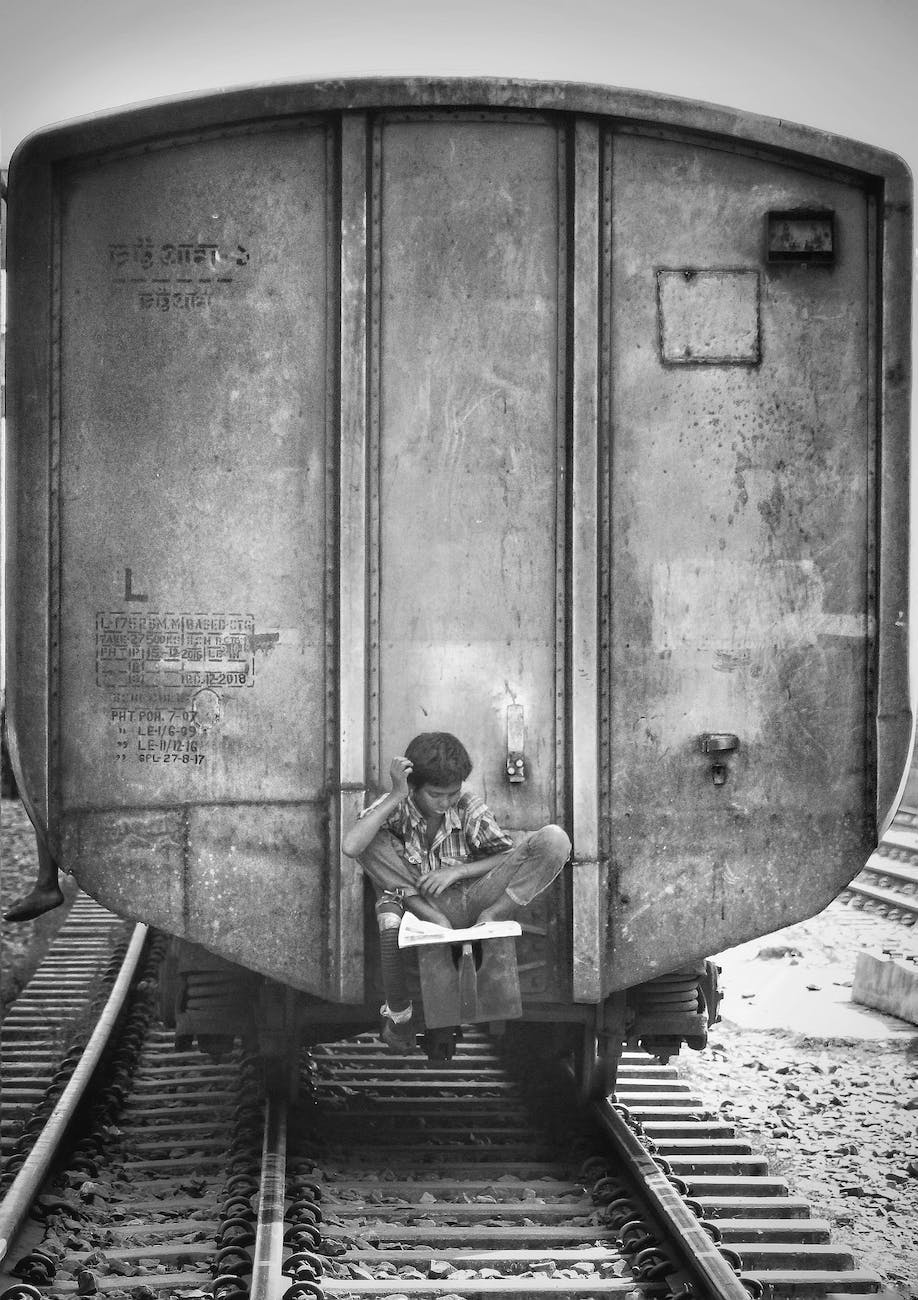
Photo by Shahadat Hossain on Pexels.com

Nutting the answers to these questions out before you start in can really help you narrow your focus and concentrate on what is most important to get across in your writing.

But really you can apply these questions at any stage of writing, second draft, half way through, 10 000 words in. Make sure there’s enough at stake and that you’re continually moving your reader between the hope that the character will achieve their goals and be happy, or the fear that they will fail and everything will be ruined forever. Make sure your character is taking action, not just reacting and make sure that no matter how good their intentions, sometimes these actions backfire and make everything worse!

Have fun playing with these! More next time.

Until then! Write like the wind!!

Lots of love

Edwina xx
STIRRING THE PLOT – How to Build Tension in Your Stories

6c6da92c2dd1e8fa07e2c537d7e1db28--toil-and-trouble-great-depression

As writers our primary aim is to keep our readers turning pages, engaged with our stories. Yes, we’re really quite wicked. We like to keep our readers up all night. We also like to make them cry. And laugh too if we can. We want our readers to feel something, to be moved by our stories. And maybe, just maybe, to be changed a little, for the better.

But in order to do that, first we have to get them to finish our story. So we need to have narrative drive, suspense. Forward motion.

We do this in a number of ways.

SET UP QUESTIONS

We set up questions at the start of our story – that’s our hook. Depending on whether you’re writing a novel or a story those questions will be big – Will Tracy survive the volcanic explosion? Or small – Will Bill make peace with his father? Actually, maybe all story questions need to be big – Ben making peace with his father is enough for a novel – probably more than Tracy and her volcano. And of course, if we put the two together…?

pd19-20086_1

CREATE A CRUCIBLE SITUATION

That’s the true secret of creating tension in your writing. It’s what Sol Stein calls “The Crucible Situation”. A crucible, apart from being a great play about witches, is an old fashioned term for a cooking pot. In modern terms we’d call it a pressure cooker.

What it means is that you put your story and characters under pressure. Put them in a situation they cannot easily escape from.

women boxing

Enemies are trapped in a lift together. Ex-lovers are forced to work together on an important work project with the boss watching on. Estranged siblings are forced to organise a 90th birthday for their mother together. Or a couple break up then are stuck together quarantined on a cruise ship. A bomb has been put under the building where warring families have come together to hear a will being read.

THROW IN A TICKING BOMB

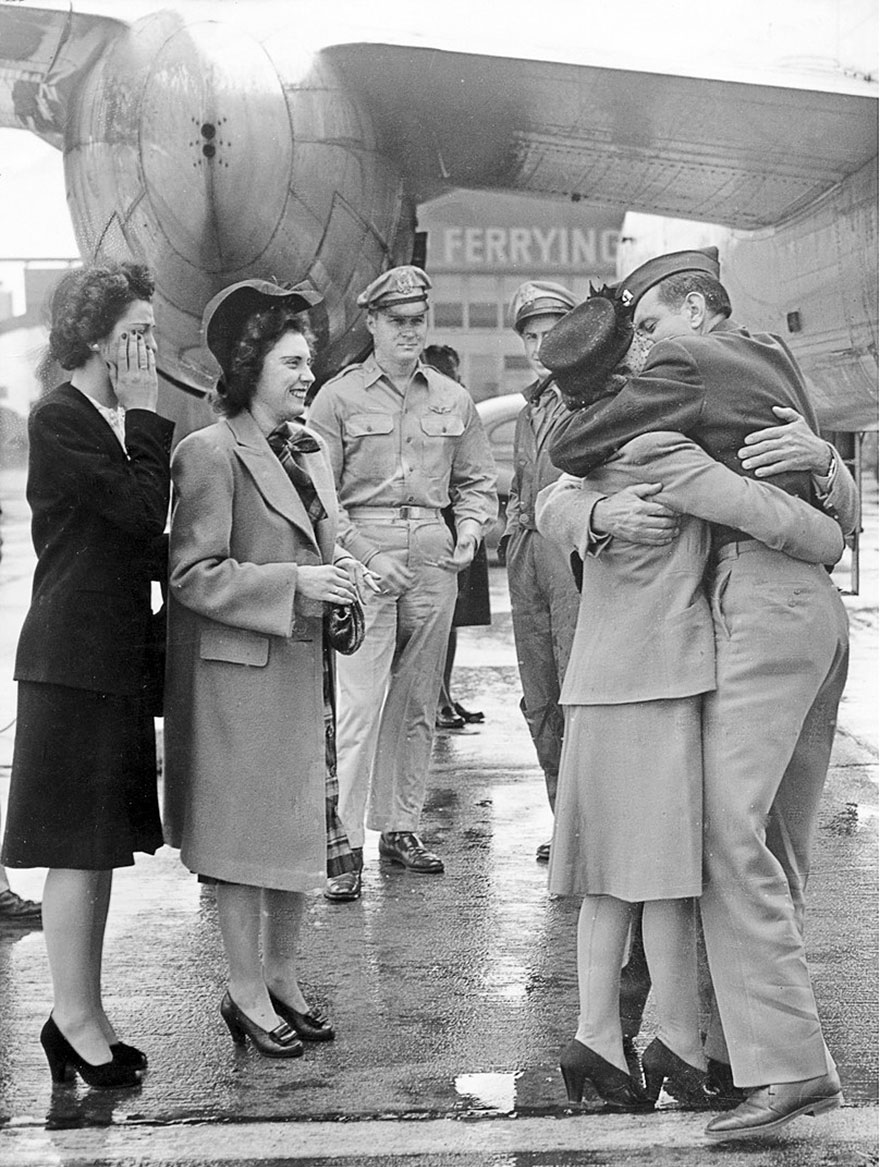
The ticking time bomb works a treat. Not only can you throw in a crucible situation but also a time limit. Like Cinderella only having until midnight before she loses all her finery. Like that volcano about to explode. Like that tsunami wave dragging far, far out just before it crashes in. Like a lover about to leave forever on a plane (hence all the rom coms that have one party running through an airport at the end)

old-photos-vintage-war-couples-love-romance-35-5733459f2c6bd__880

Let’s just say your story idea is about Ben whose father was a mean and violent alcoholic in Ben’s childhood but has now reformed and is trying to make amends. Yes, lots of story material there.

We’ve got our hook question – Will Bill make peace with his father?

Let’s add a crucible situation – Let’s say Bill has a sister and it’s her wedding. She’s forgiven their father and has asked Ben to play nice for her wedding. Ben is stuck with his old man for a whole day and night. They can’t escape each other. Plus, there’s alcohol.

And a time bomb – Ben’s dad has cancer, a bad one. He’s been told he only has a few months to live. Now the pressure on Ben to make peace is urgent.

images

That should keep your reader turning pages.

Hope those ideas help. Use them on a story you’ve already got that may be lacking oomph. Add a crucible situation and a time bomb and watch them blossom.

Let me know how you go.

Write up a storm!

Lots of love,

Edwina xx