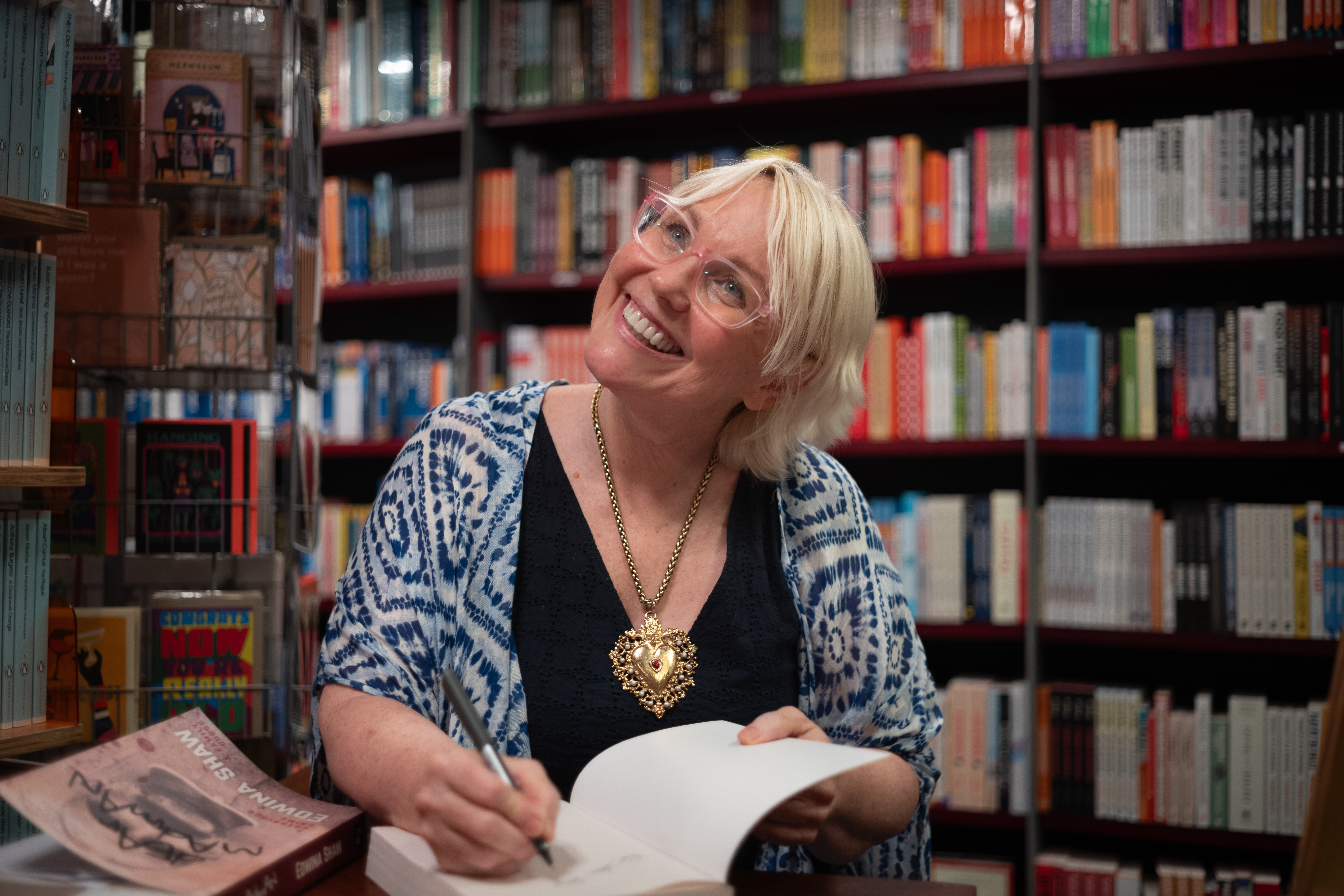
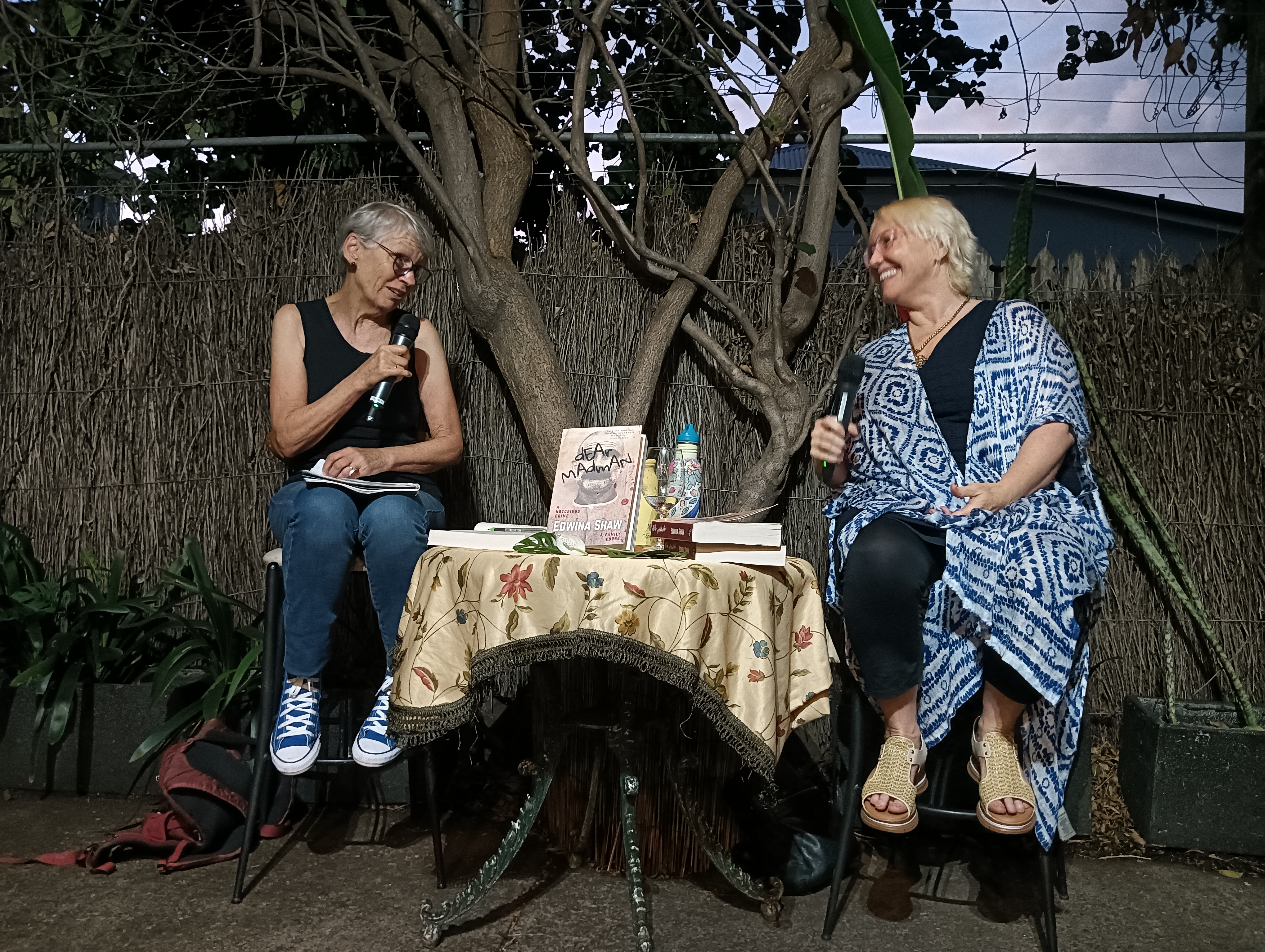
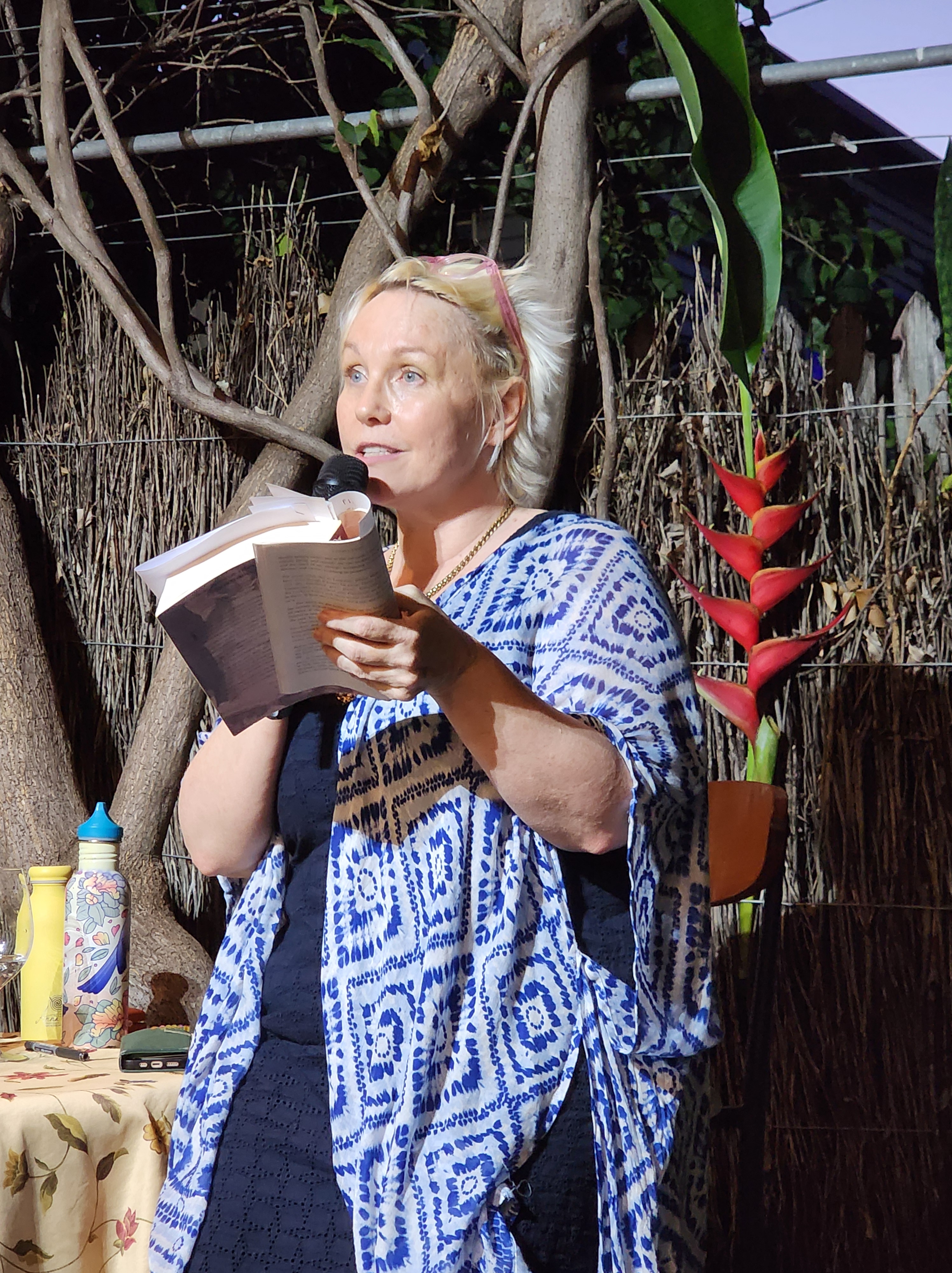
Photo by Steve MinOn at my launch.
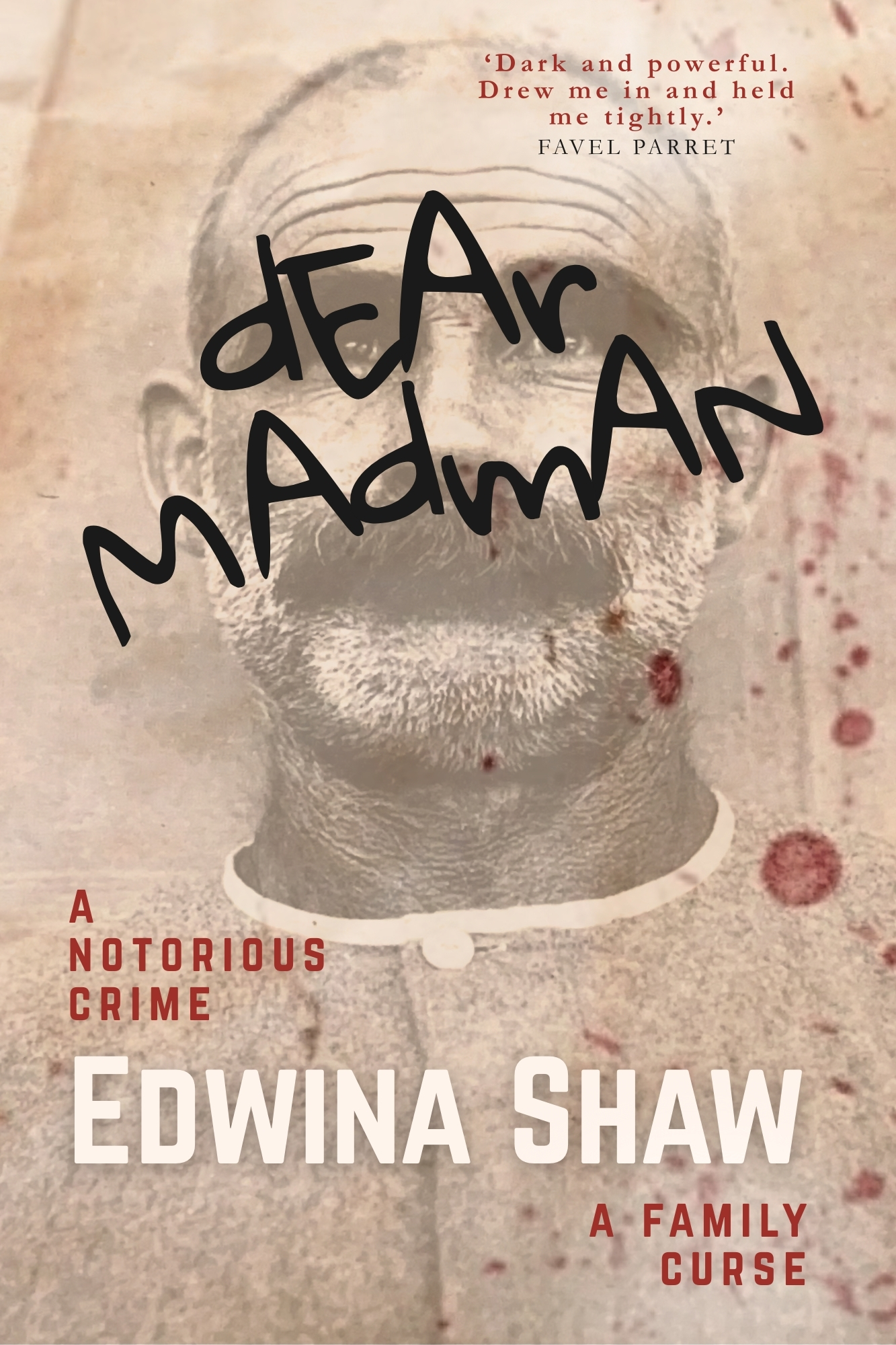
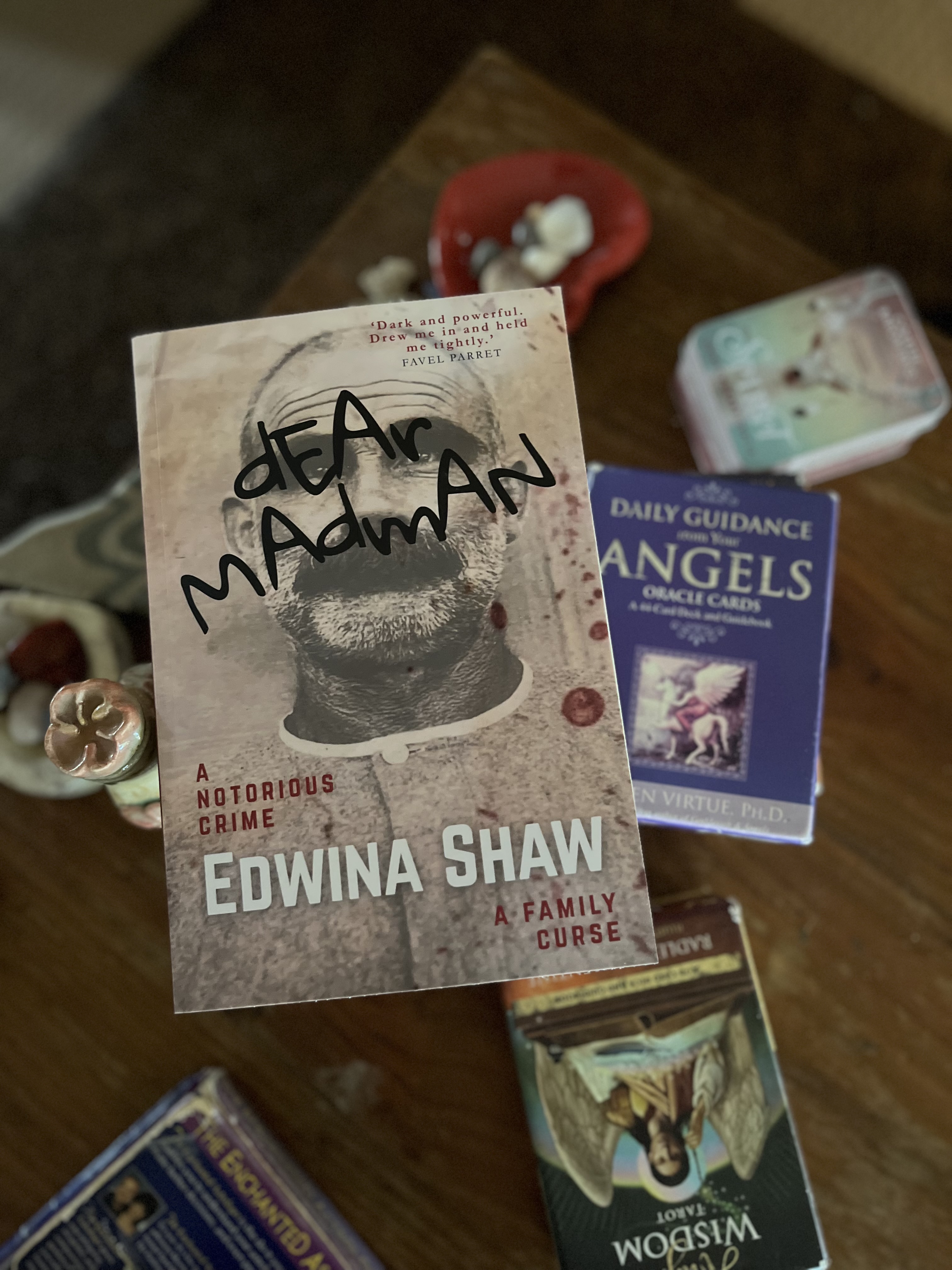
I’m still buzzing from the excitement and joy of the Dear Madman book launch at Avid Reader, a couple of weeks ago. The venue was sold out and we sold all the books in stock in the store (now restocked!) as well so it was a super successful event and I really felt the joy and love in the room. Thank you to all the loved ones, friends and supporters who shared their Friday night with me.
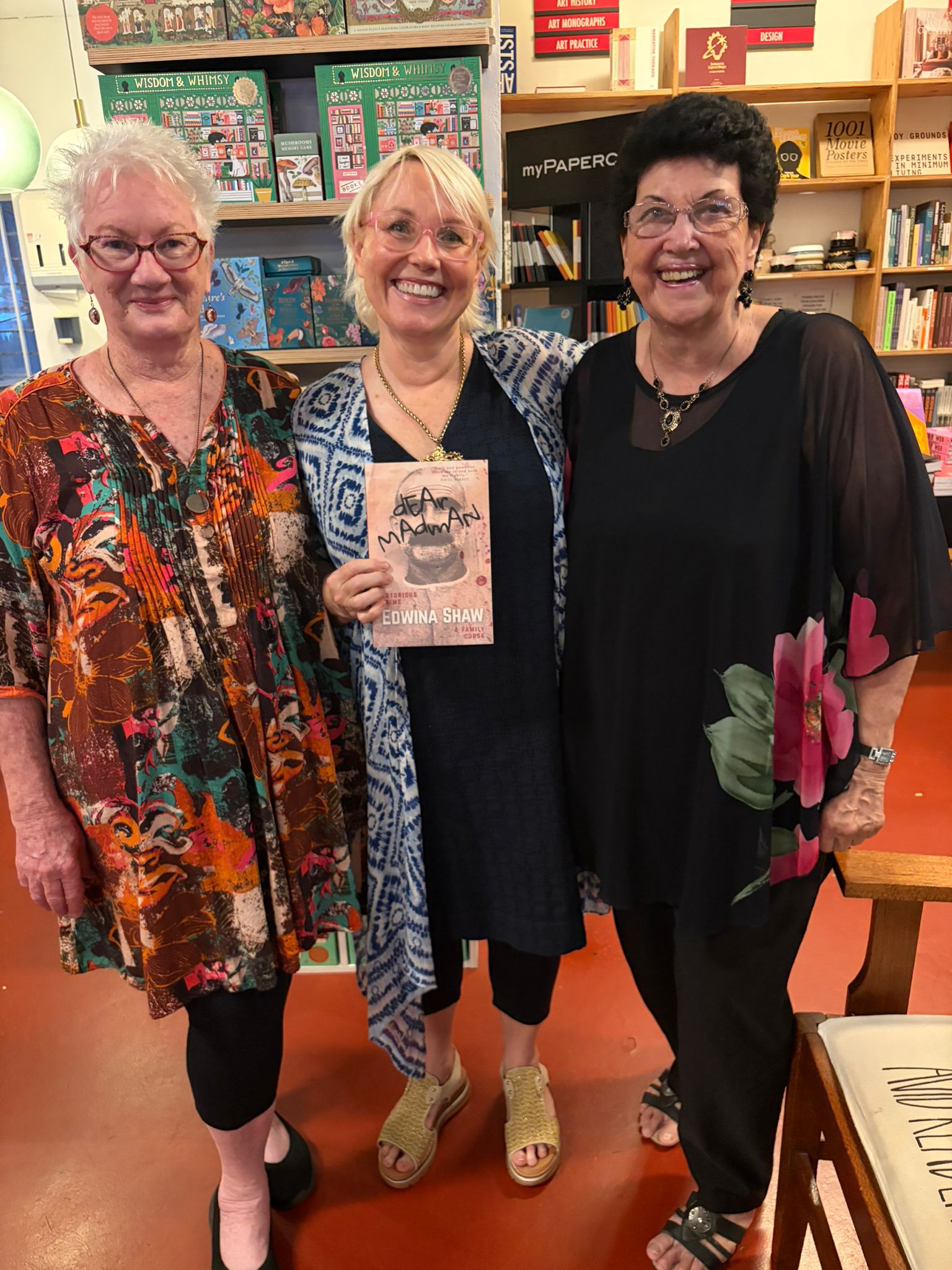
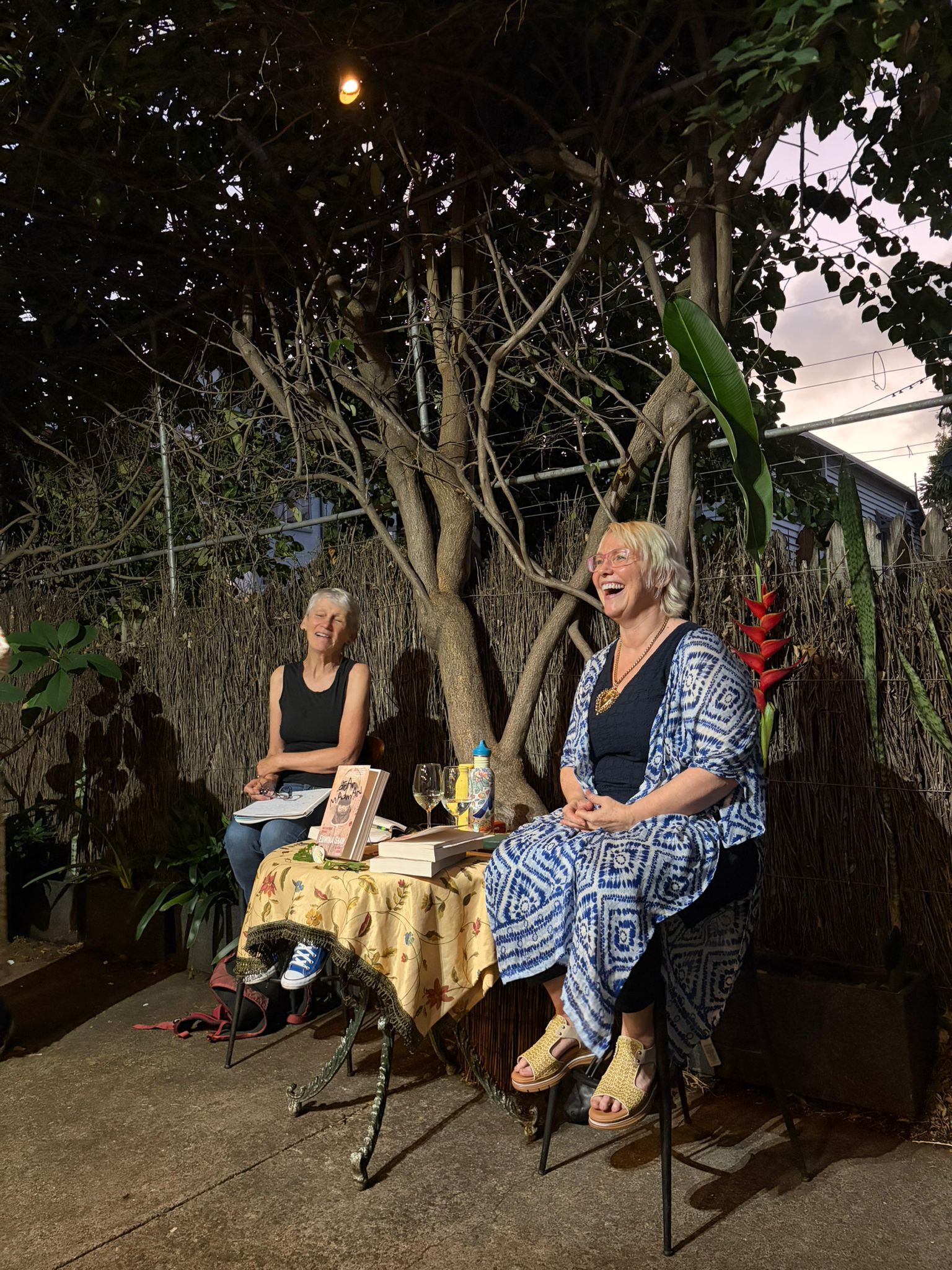
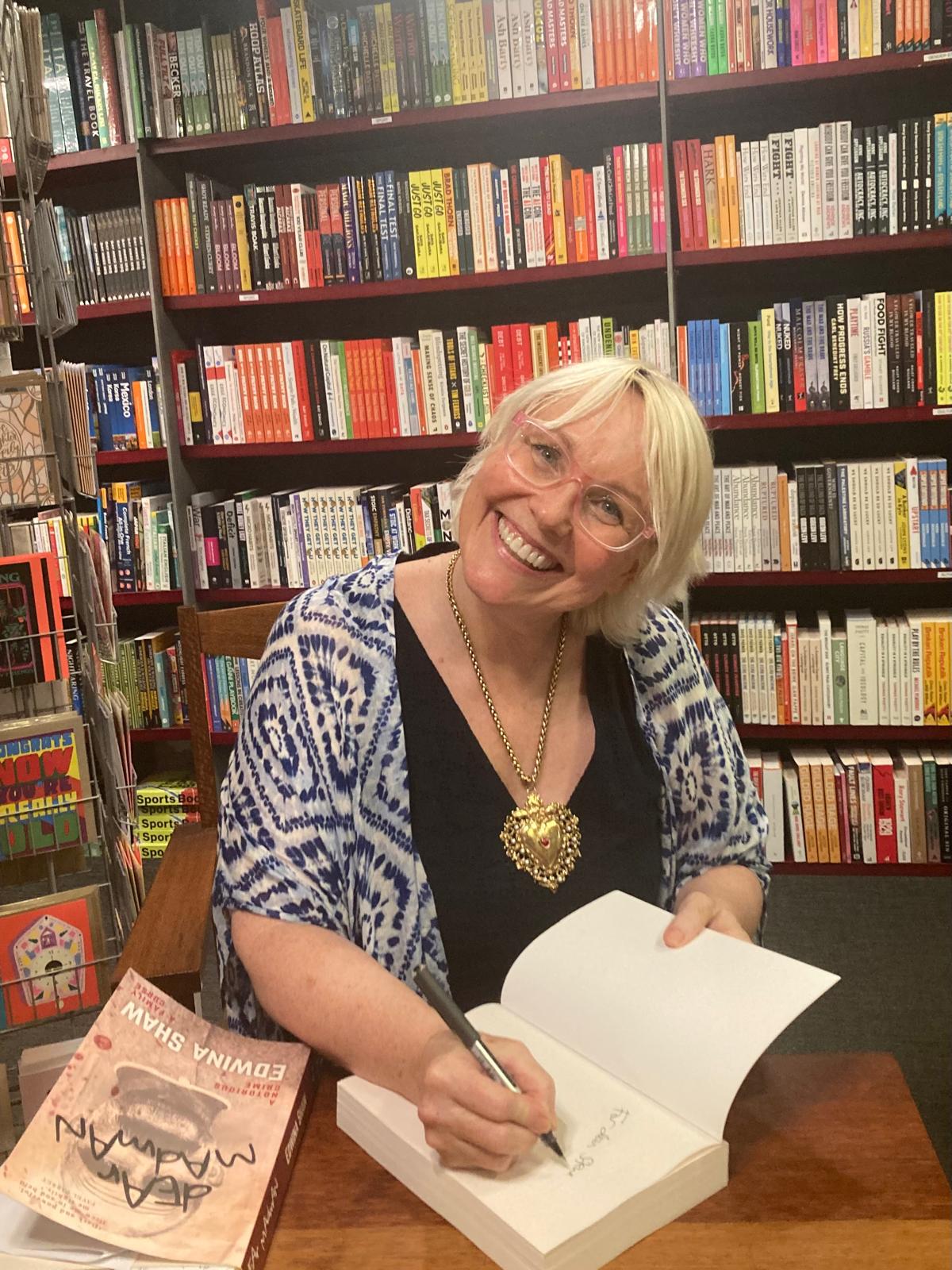
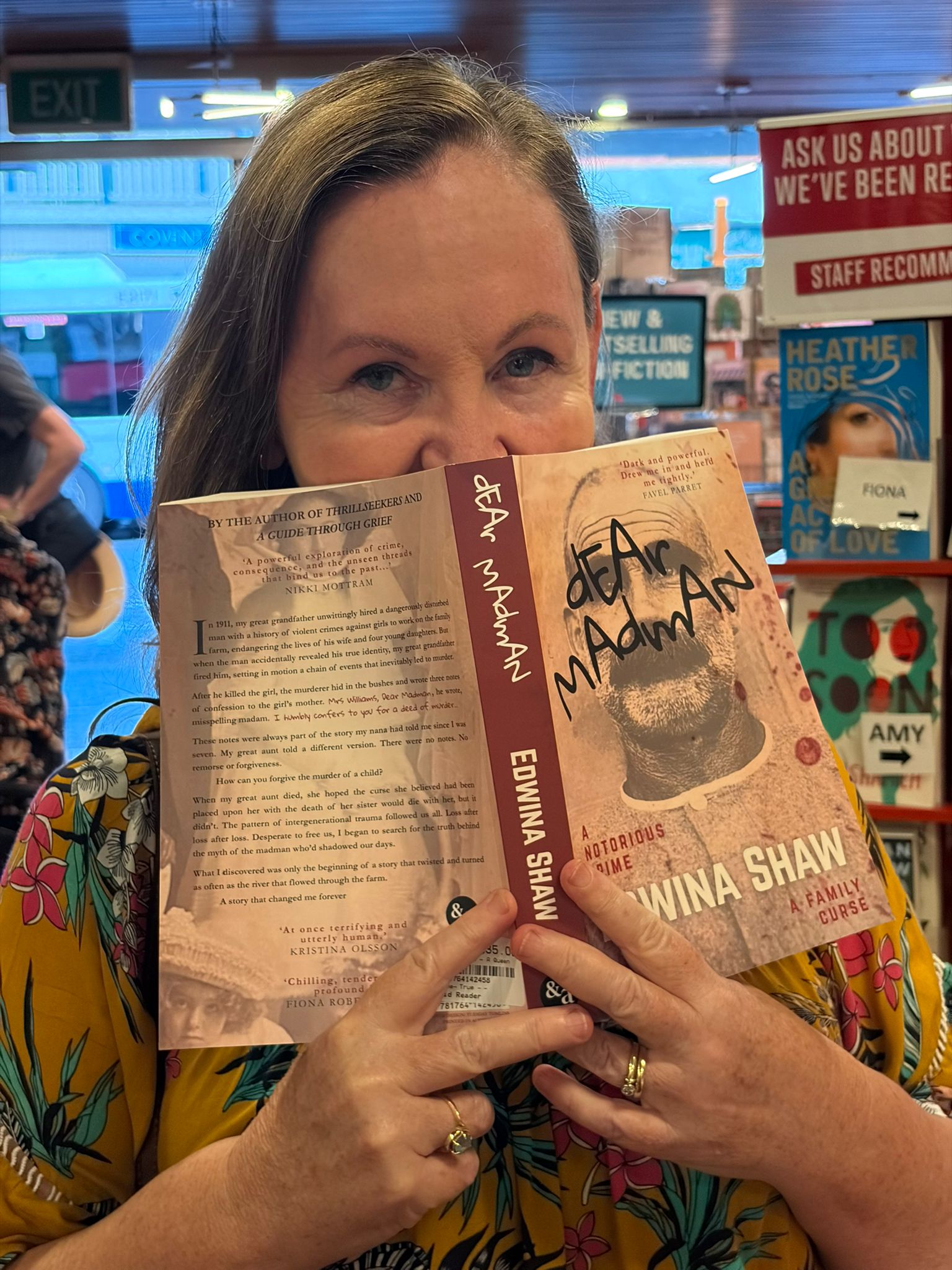
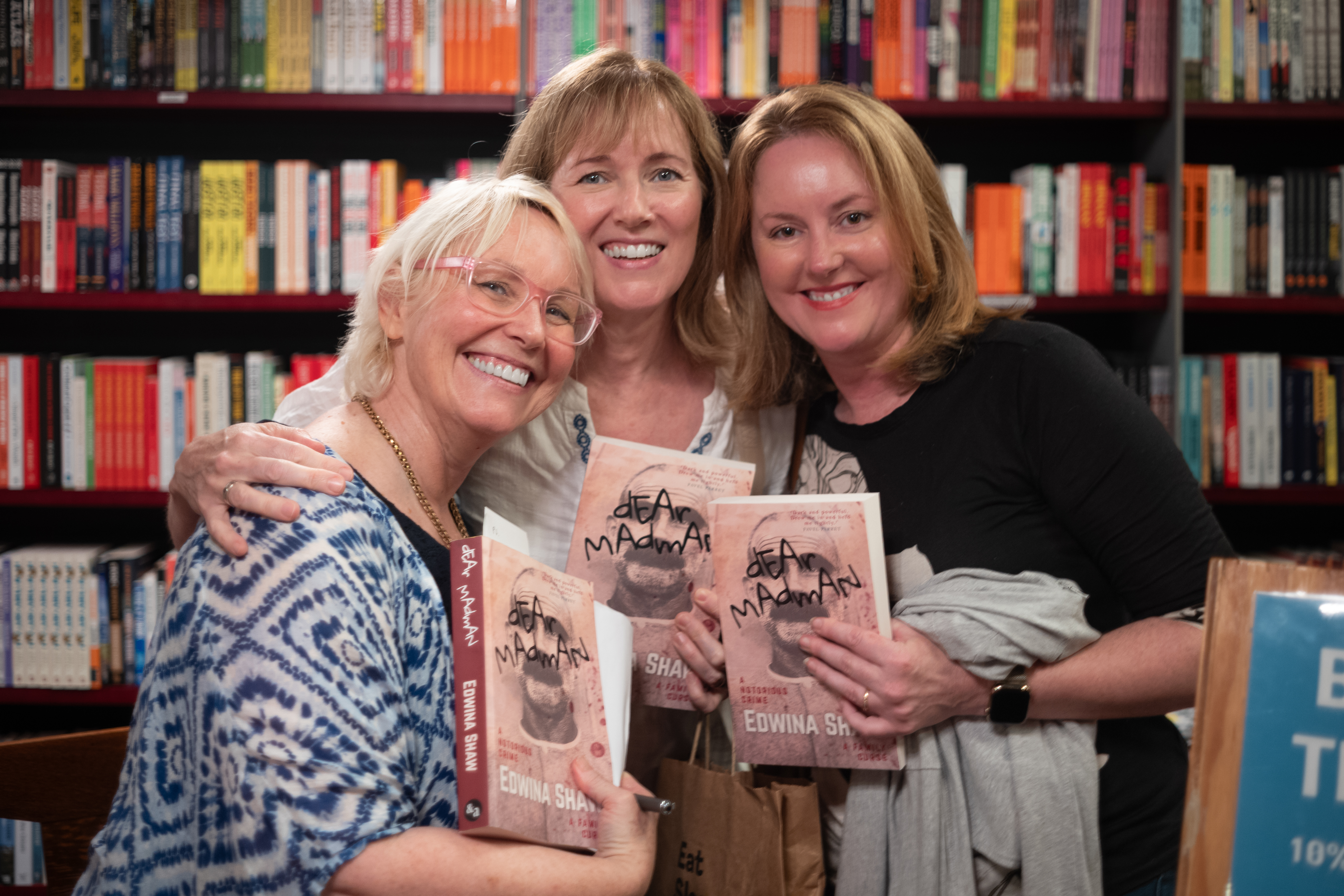
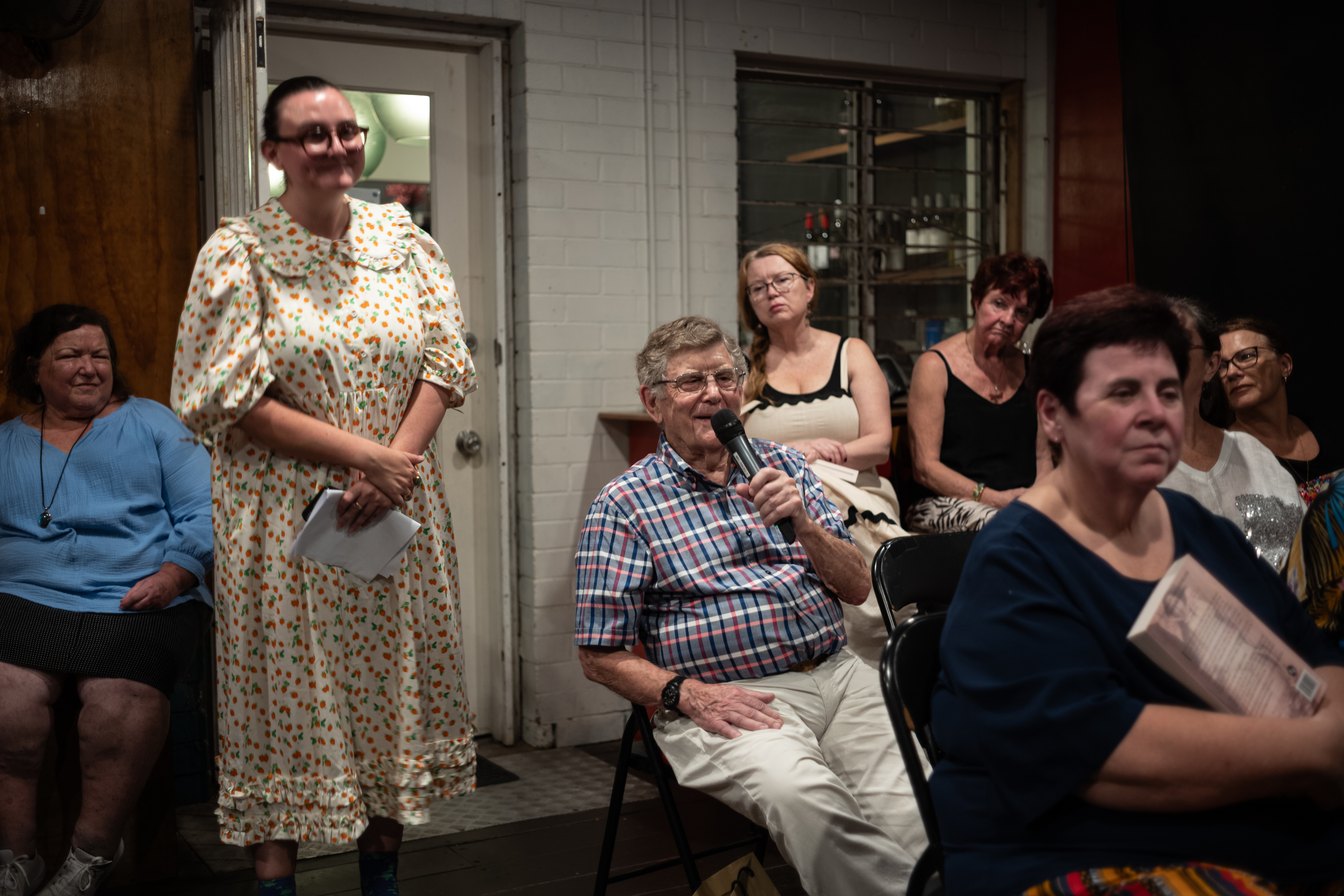
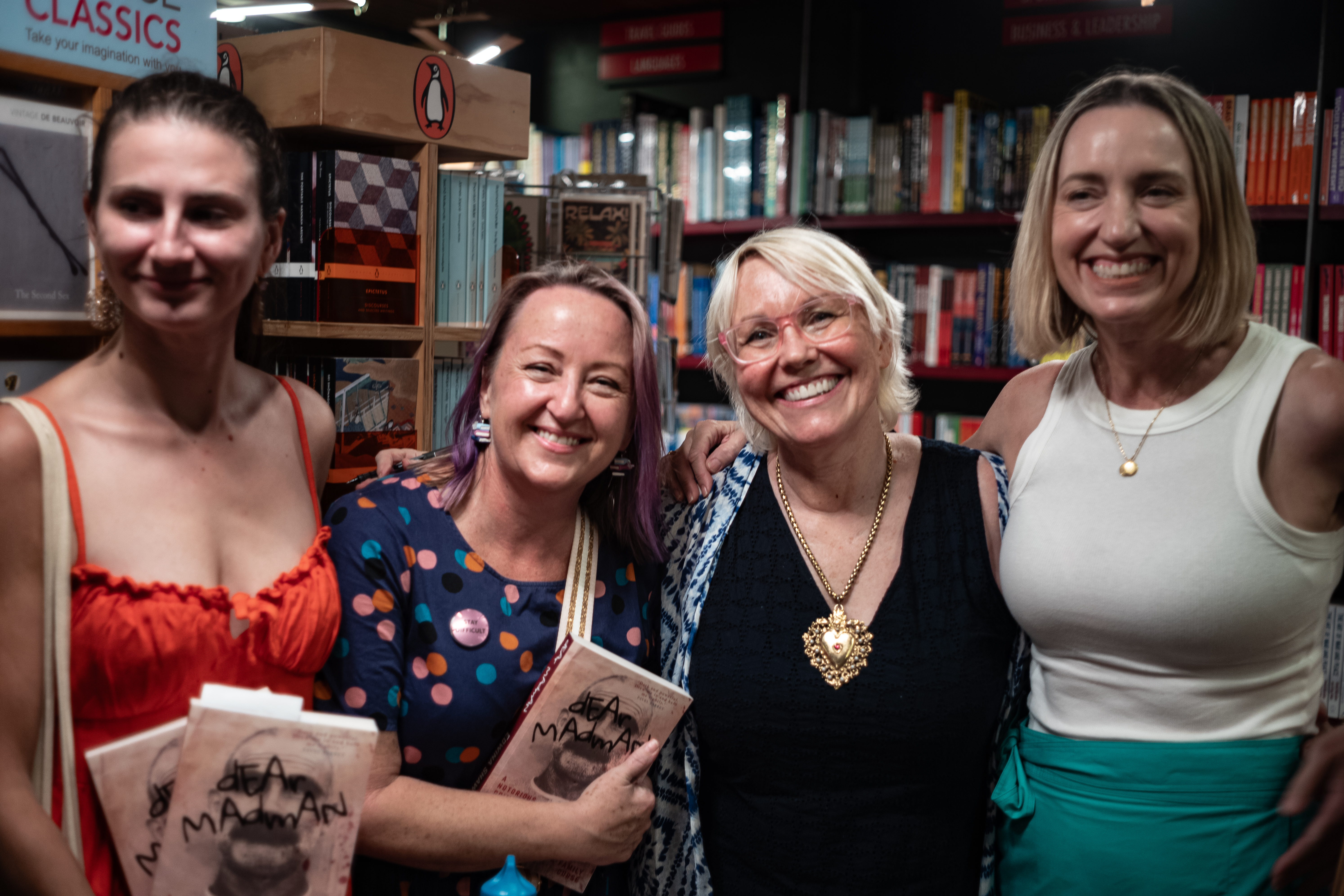
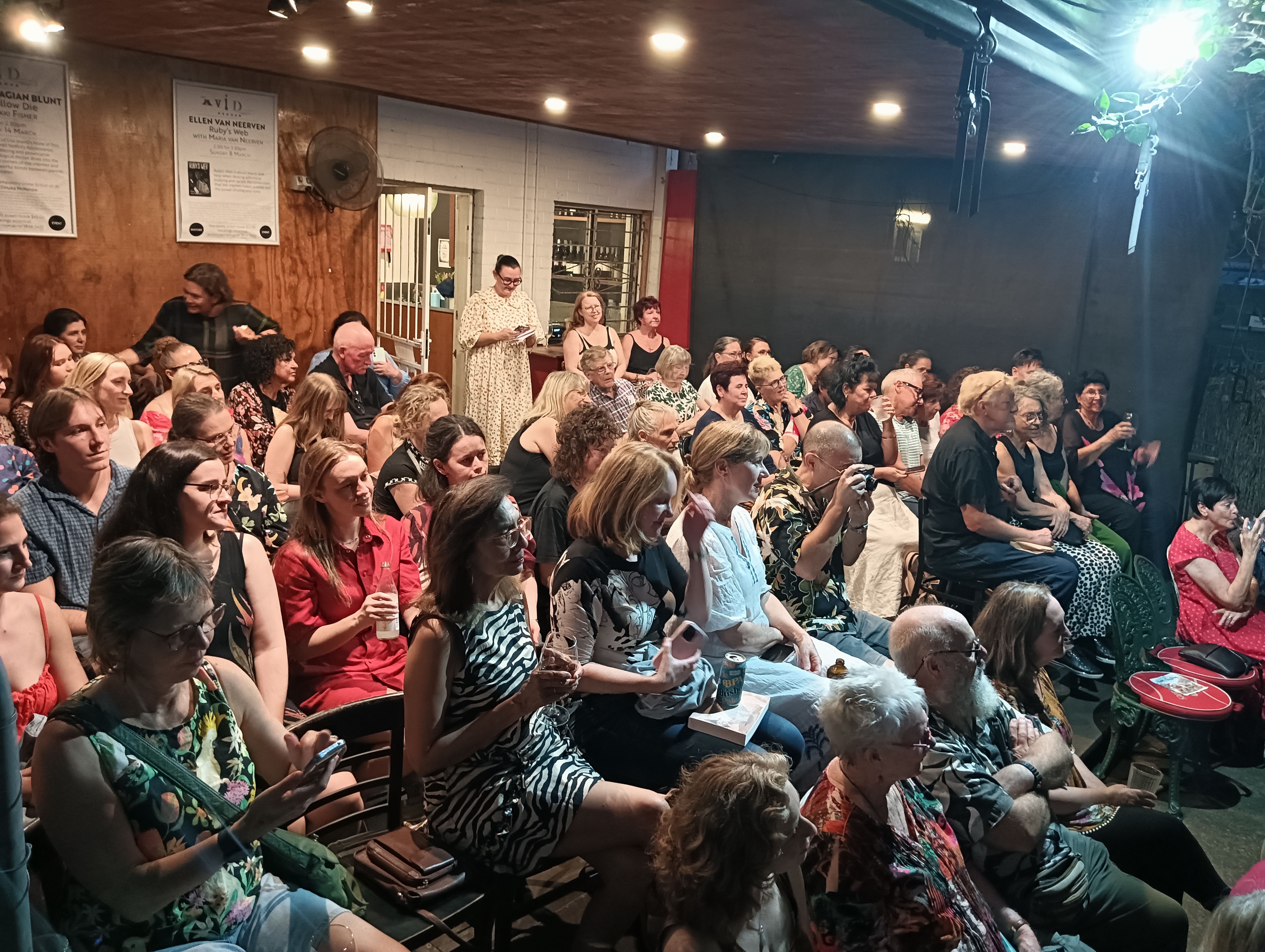
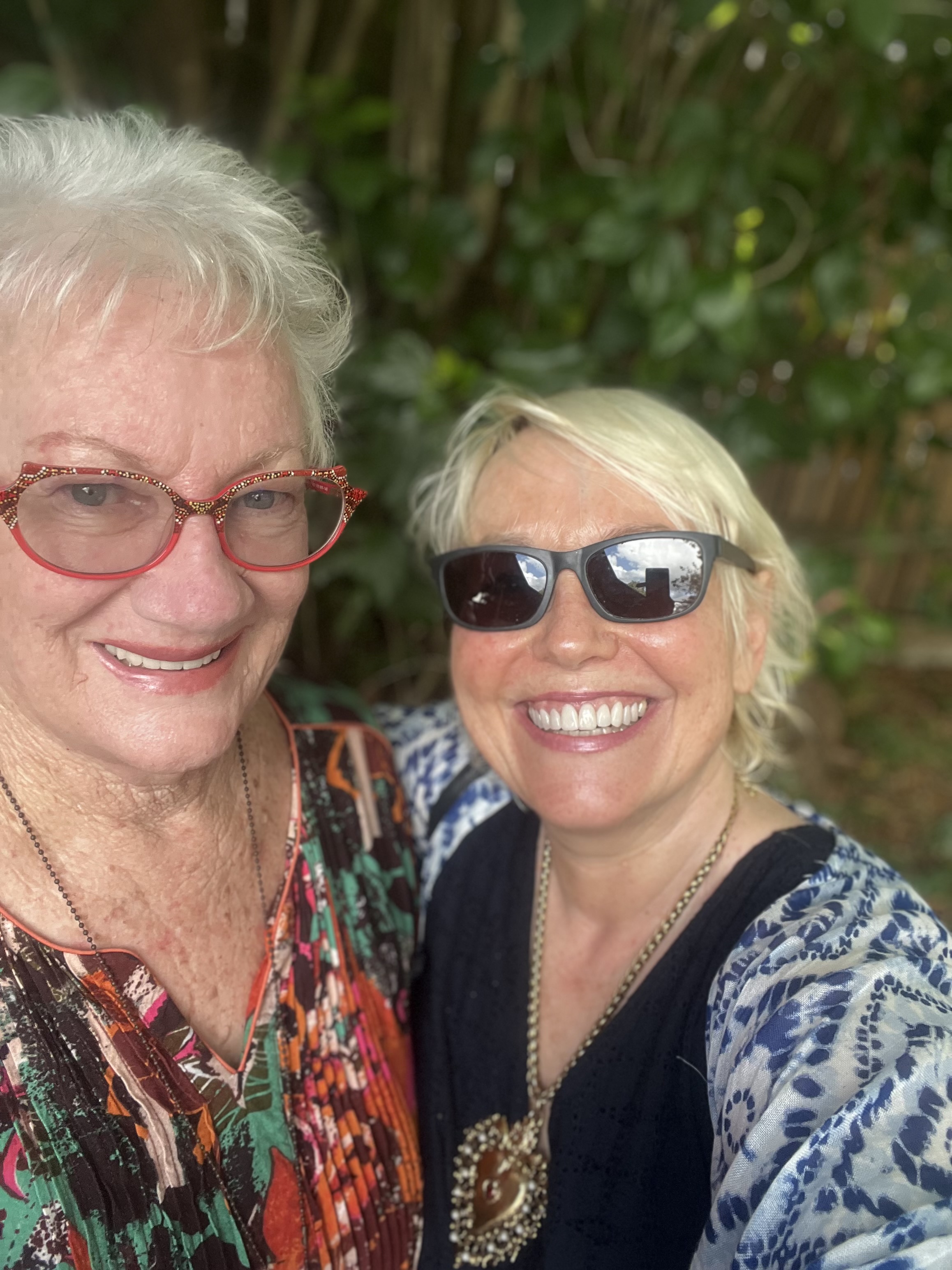
Some photos by Steve Minon, some by Gay Liddington (pictured above) and others. From top left, with Gay and Bev, Kris and I in action, Vivienne Wynter and Dear Madman, with Fiona Robertson and Nikki Mottram, Richard asking a question, with my beloved retreataholics, Tatia, Liana and Ava January, the crowd.
My Transformational Writing Retreats partner and writing buddy, Kerstin flew down from Cairns and others had travelled from both coasts and further afield to share this special night with me. 16 years of work. One night to celebrate. My dear friend Gay Liddington, author of her own powerful memoir Will I Ever Be Who I Am, and chief cookie on our local retreats, and her husband Phil stayed over and drove me into Brisbane and back and generally held my hand through the whole process.
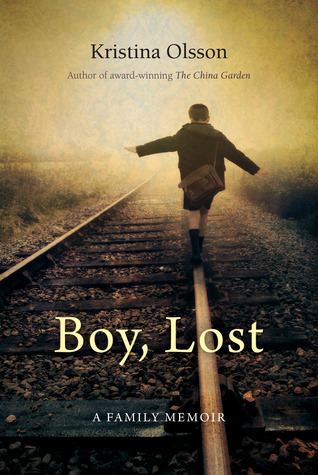
Dear Kris Olsson, author of my model text Boy Lost and many other critically acclaimed books, has been my mentor for the last few years of this project so it was only right that she did the honours at the launch. She was on babysitting duty so we had her lovely granddaughter with us for the event, which was apt, given that children feature heavily in the story.
I could talk until the cows come home about this project so the time sped by, with fantastic questions from the audience too. Big thanks to all the question askers! And then the best bit, signing books and hugging everyone! It was a long line for signing and we ended up getting hurried out of Avid as the very sweet Eleanor needed to get home at a reasonable hour.
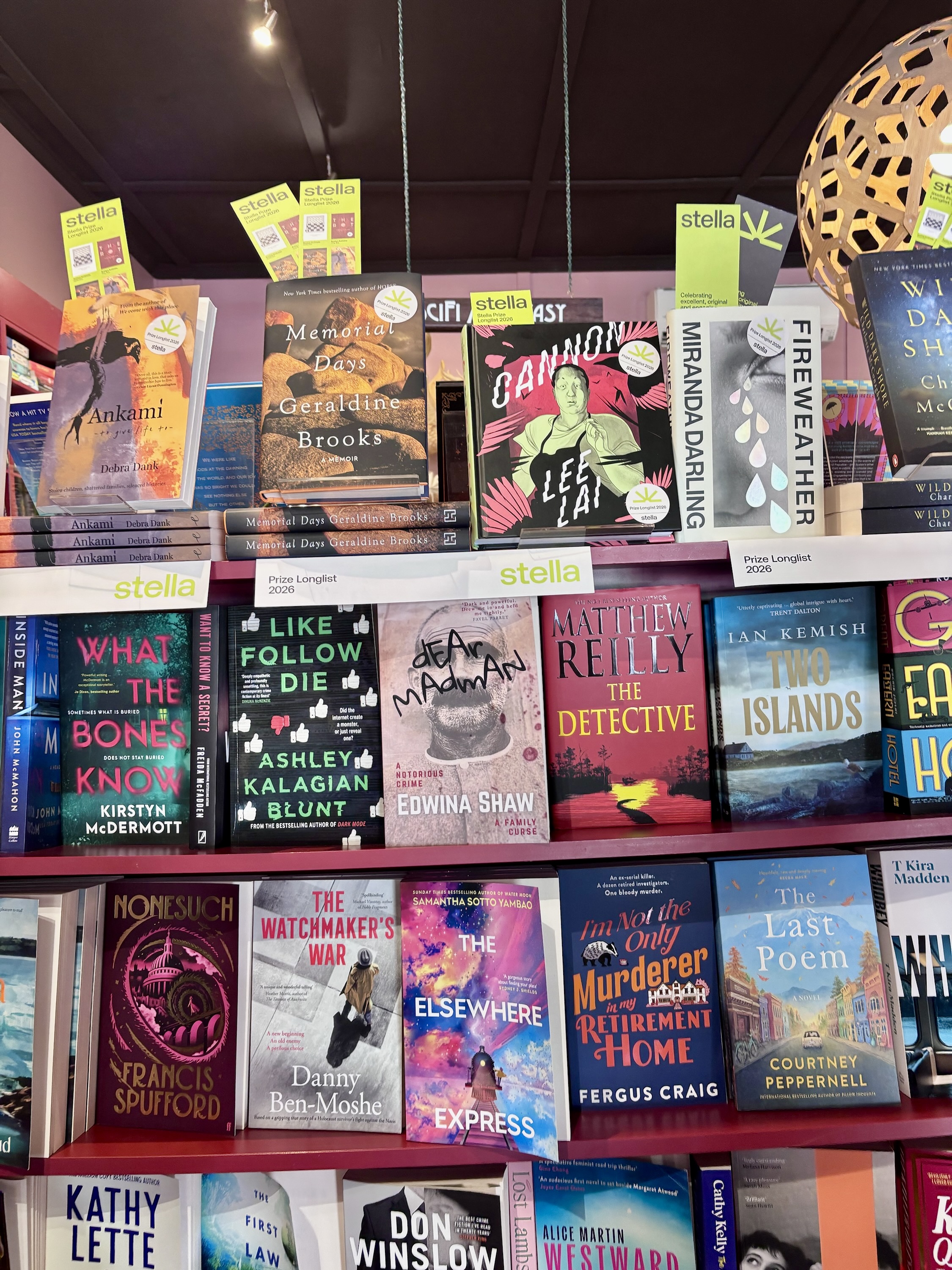
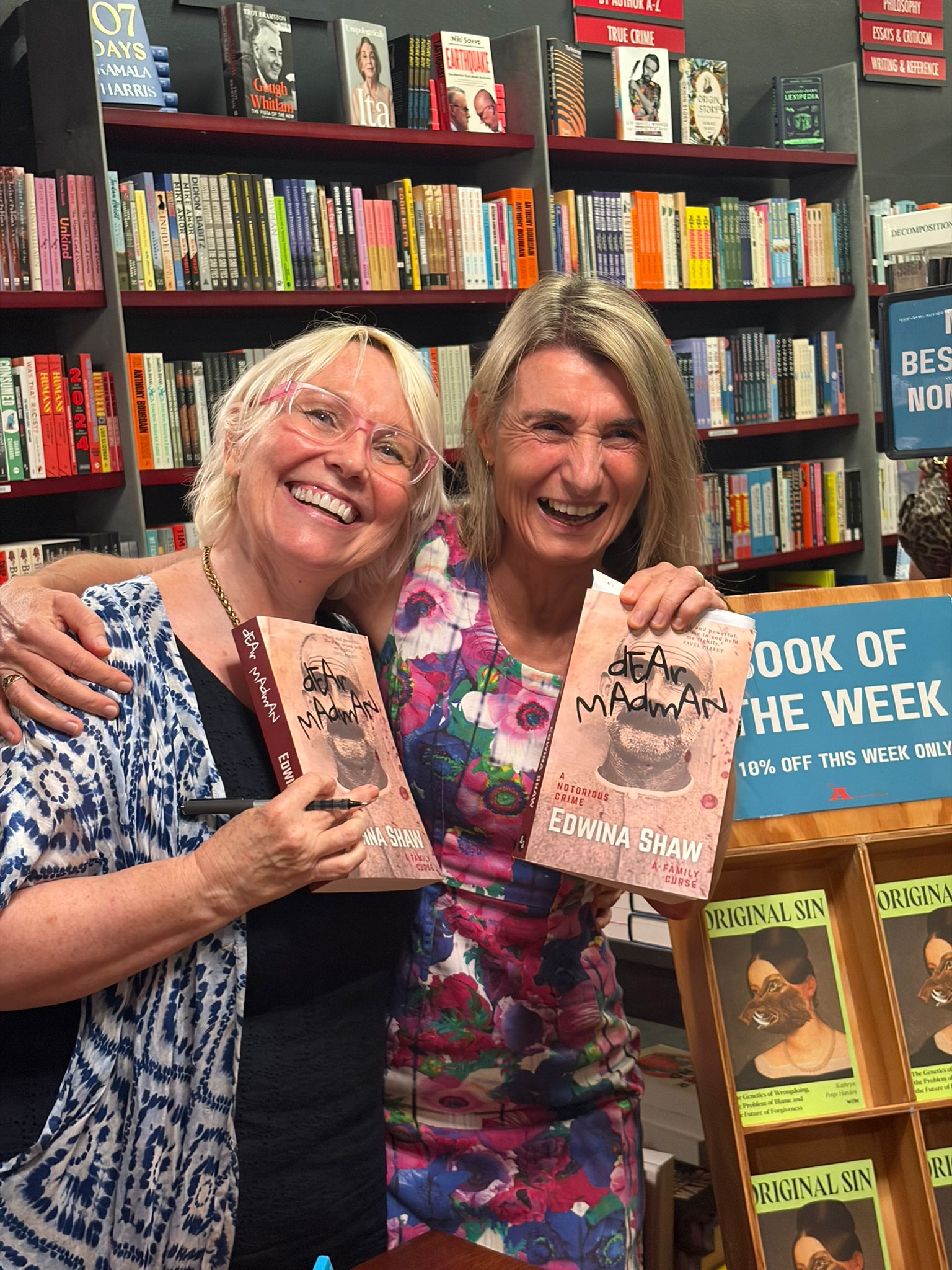
Dear Madman spotted in the wild at Rosetta Books, Maleny and with the unstoppable, Jo Skinner.
Since then, as it is with all writers, it’s back to the drawing board. Back to writing sentences and chopping words. Just as the old Buddhist saying says, Before enlightenment, carry water, chop wood. After enlightenment, carry water, chop wood, it’s the same for writers. Back to teaching at UQ with a new group of fresh faced eager beavers, back to working on edits and organising retreats, back to fiddling on my own multiple projects in process when I have the time.
Added into the mix though is the marketing and publicity aspects of having a new release – organising events and doing interviews and podcasts. So yes, I’m busy again! But intending to protect my health after burnout with more rest and less over-giving in the mix. So far so good!
UPCOMING EVENTS FOR DEAR MADMAN
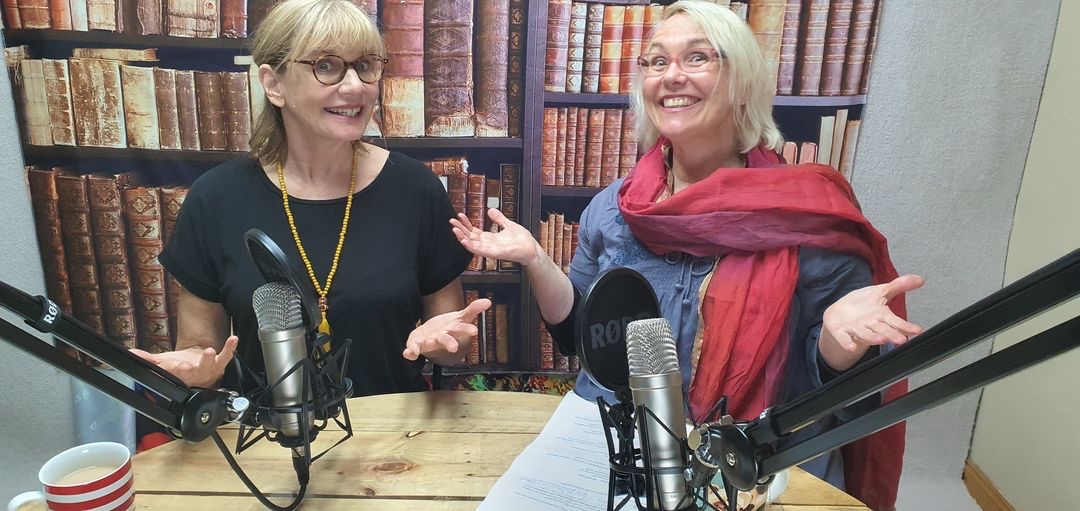
Kerstin and I doing our Let’s Talk Writing podcast! Check out the podcast HERE.
SUNDAY 29 MARCH 2026
FREE ONLINE WORKSHOP and VIRTUAL BOOK LAUNCH FOR DEAR MADMAN – with Kerstin Pilz and me. Sunday 29 March 3pm – 4pm ALL WELCOME!
Here’s one for my far flung friends.
WRITING THE ANCESTORS workshop, covering how to create characters in memoir, particularly for family stories but applicable to all writing really.
Join us SUNDAY 29 MARCH at 3 pm for a fun one hour online launch and workshop designed to get you writing, and laughing a bit too.
JOIN THE ONLINE LAUNCH HERE at 3pm (or a bit before) SUNDAY 29 March 2026! YAY! ZOOM LINK.
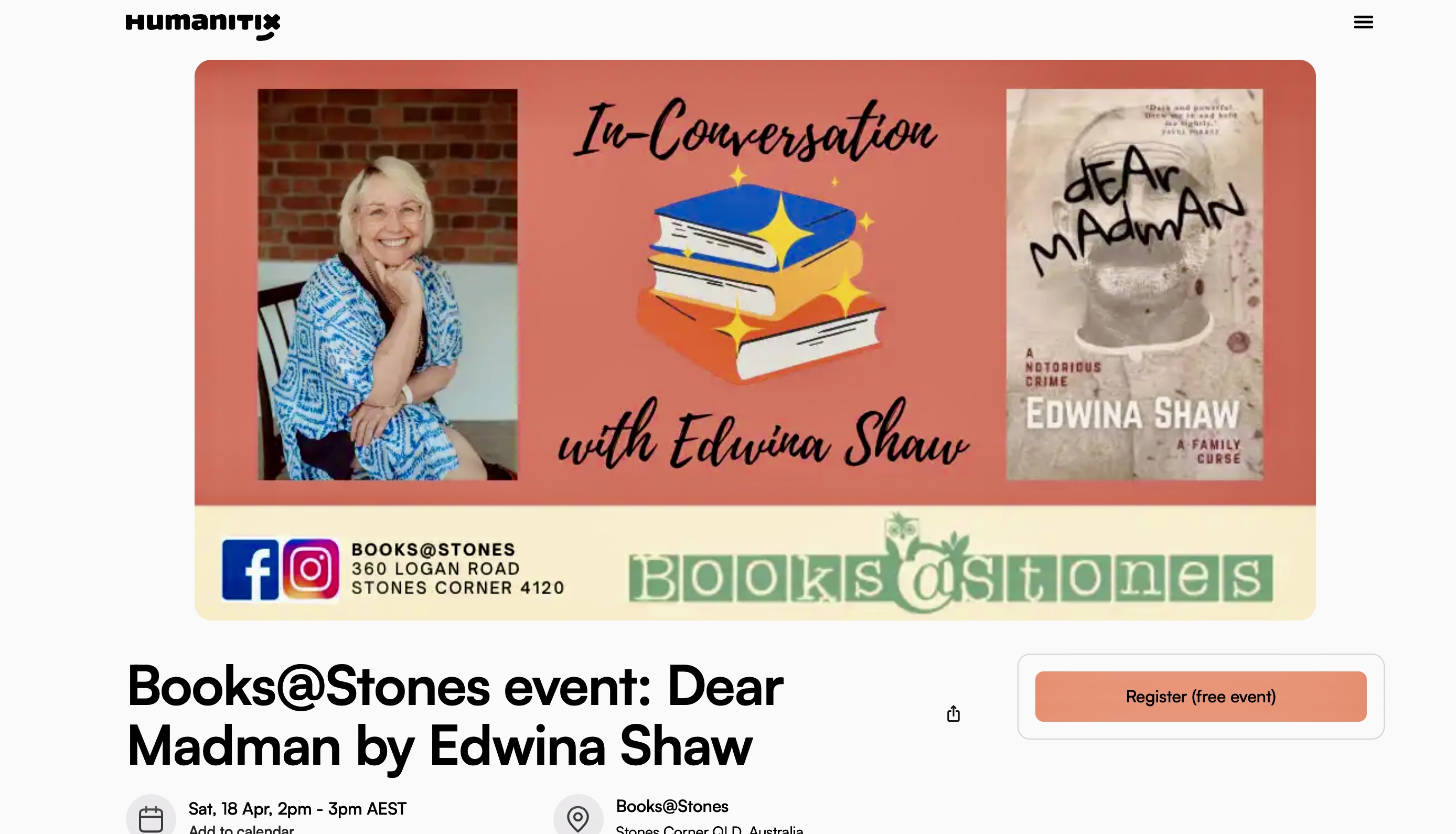
April 18 – 2pm- 3:30 pm – Books@Stones BOOK HERE – In conversation with the incredible Fiona Robertson, author of If You’re Happy and a dear friend who knows the book very well. FREE – But do book in.
April 26 Sunday – 11am – 12 midday – Queensland Police Museum – Roma Street I don’t have a link yet but will add it as soon as I do. I’m excited about this one because I can delve into the real nitty gritty of the case with crime experts!
May 2 – 10:30am – 11:30am – The Book Bouquet here in Ipswich, Queensland. I’ll be joined by the lovely Gay who also knows this book almost as well as I do. Beautiful new bookstore here in Ippy. Come along local friends! No link to book yet but coming!
May 9 – 10:30am- 12 midday – Rosetta Books in Maleny for the Sunshine Coast hinterland crew 🙂 Joined once more by long time Maleny local and much loved features writer for The Hinterland Times. No link yet but put it in your calendar.
If your local bookstore would be interested in hosting an event, or you’d like me to come and visit your bookclub, just drop me a line! (I love signing books!)
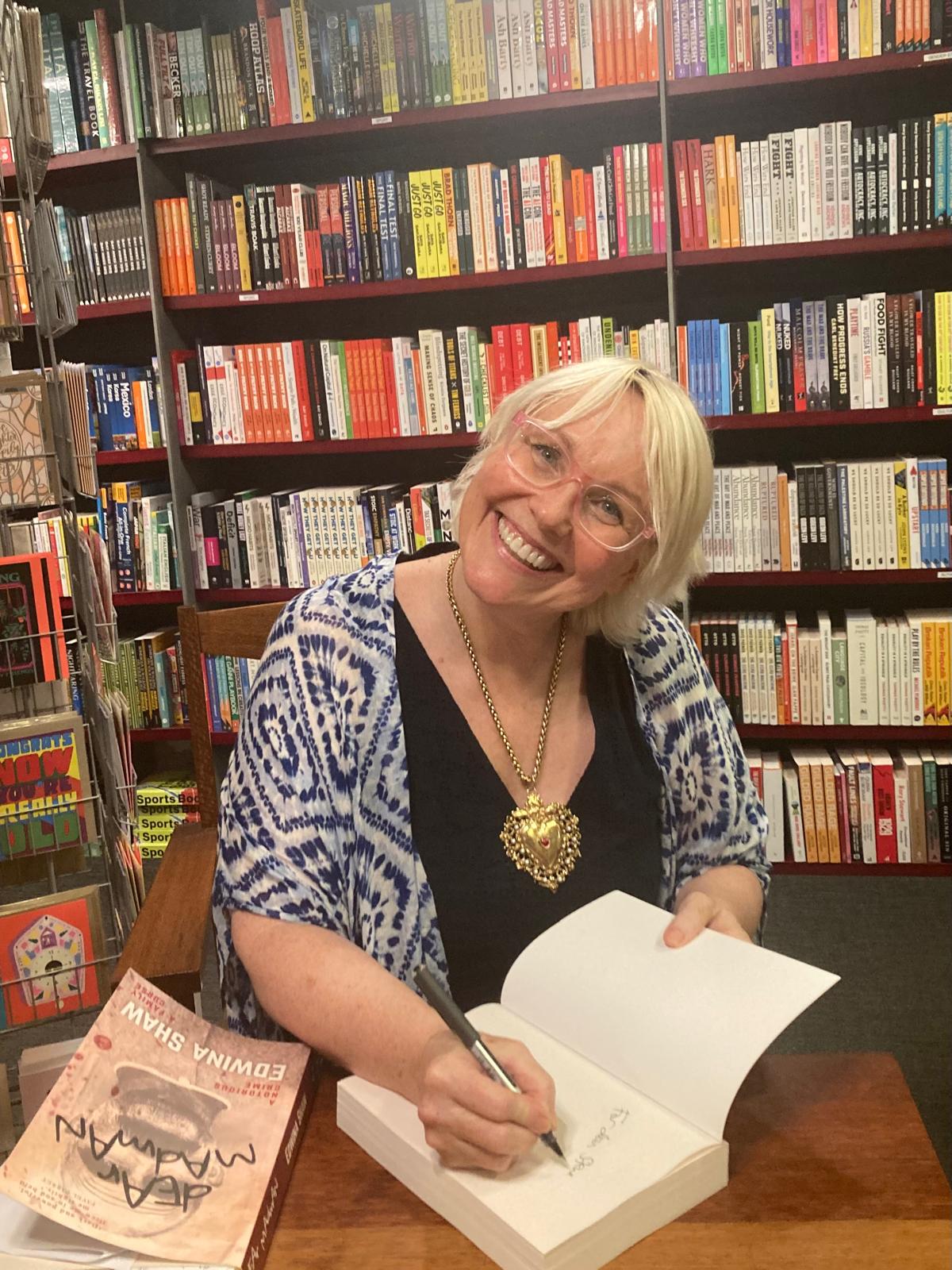
REVIEWS
Vivienne Wynter, dear friend and editor of the very fine online magazine The Pineapple has written a fabulous review. You can read the whole review HERE.
And here’s another beauty from critically acclaimed author and all round beautiful person Cass Moriarty. READ HERE.
Lots of wonderful reviews are going up on Goodreads too. READ HERE
Every review helps make the book more visible.
Every time you tell a friend about it helps too.
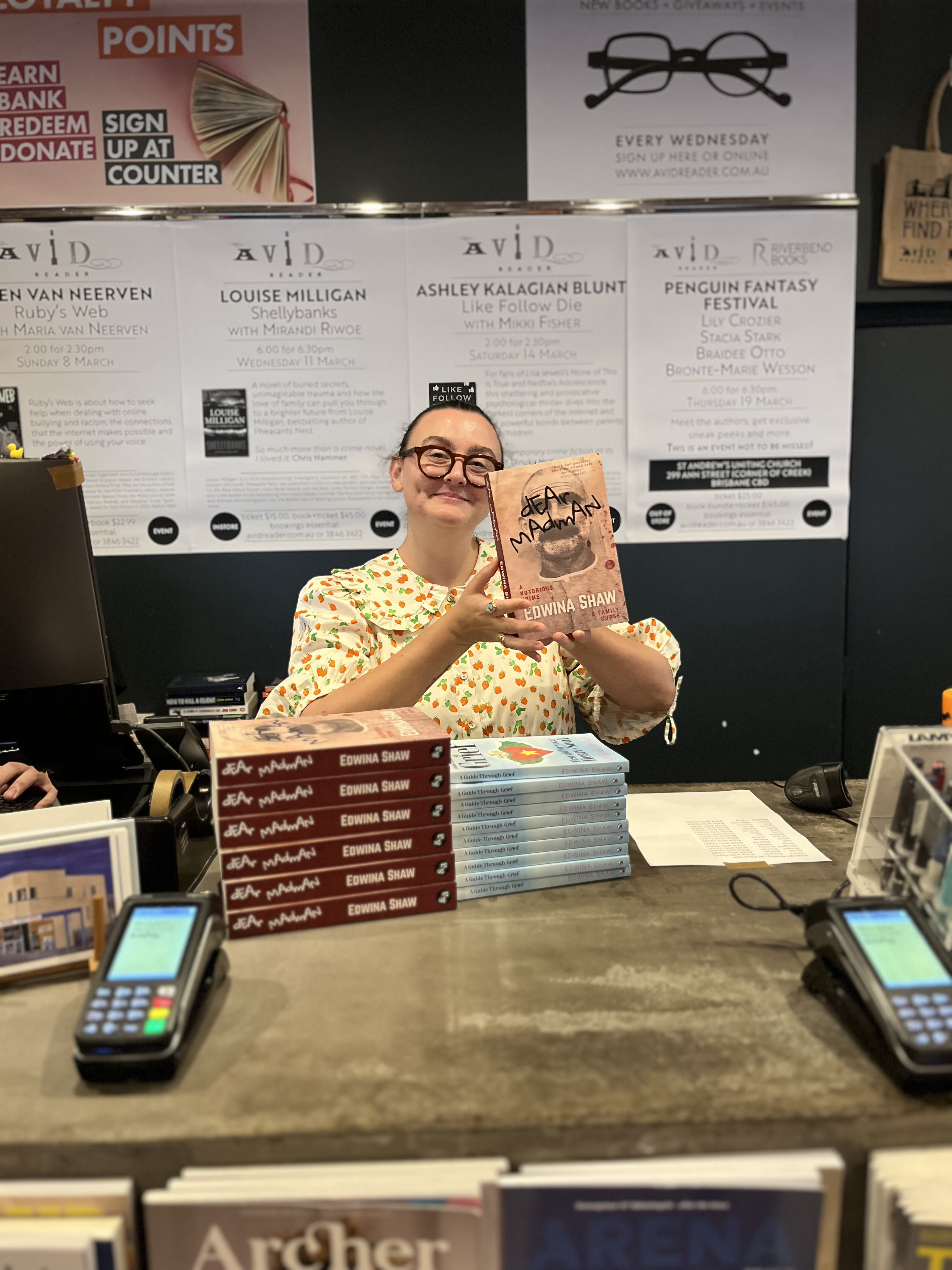
Lovely Eleanor at Avid Reader would love to sell you a copy!
Huge big hugs and thank you’s to all of the lovely people doing reviews and spreading the word, helping me get Dear Madman in front of the people who will get most from it. LOVE YOU GUYS!
A book, not just about murder, but about forgiveness and healing through compassion. Let’s make forgiveness and healing viral!
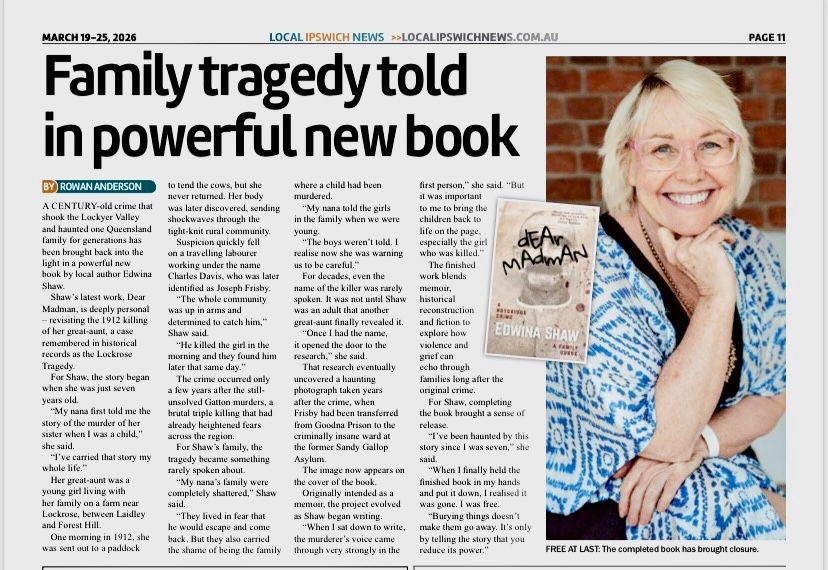
Hope I get to see your smiling face at a Dear Madman event soon. Think of a question to ask me!
With lots of love and best wishes for your own writing projects finding their way in the world,
Edwina 🙂 xx
PS. We still have 2 rooms left for our Blissful Bali Retreat June 24 – July 2, 2026, including a private bungalow! Does it have your name on it? Let me know!

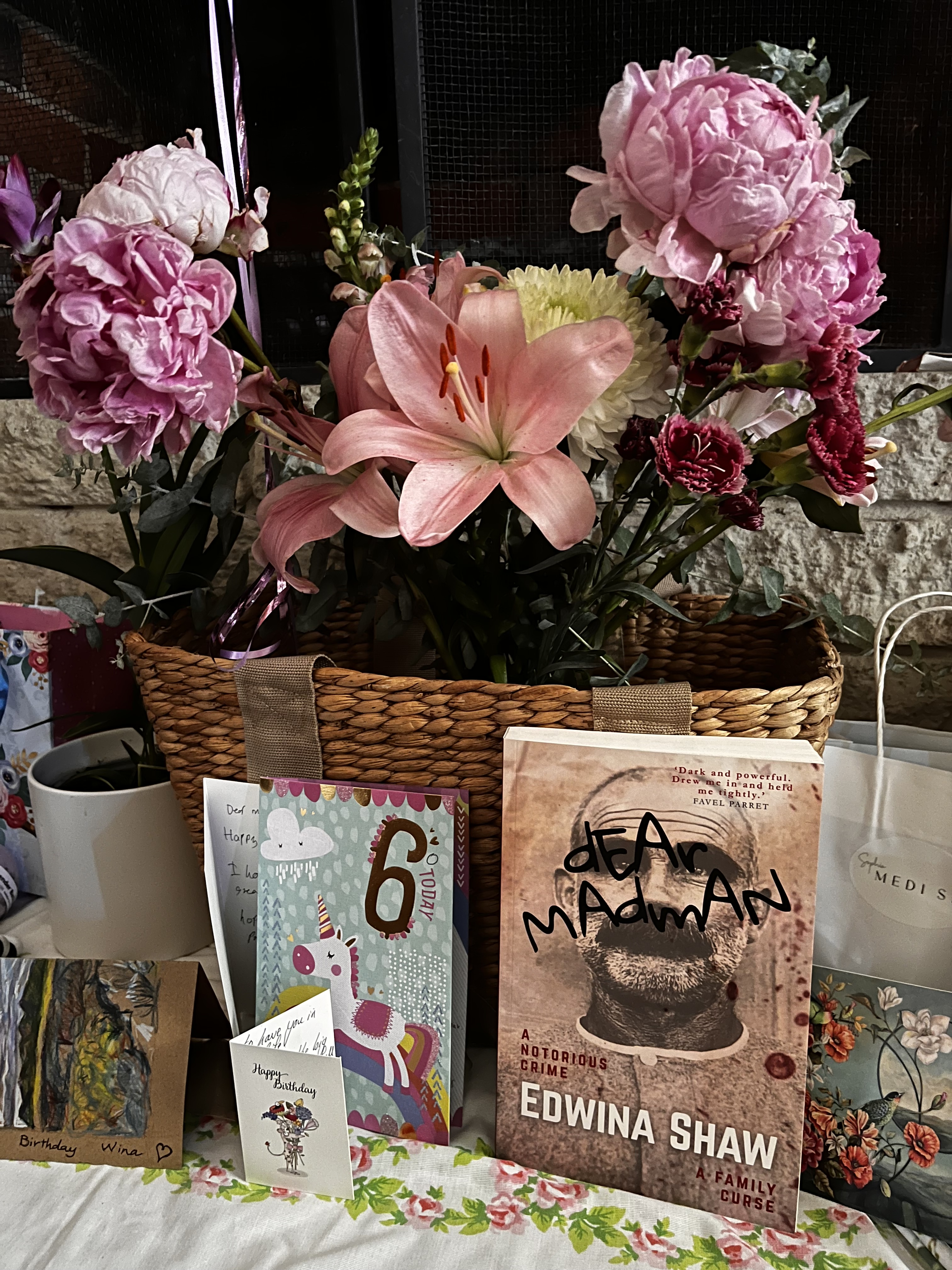

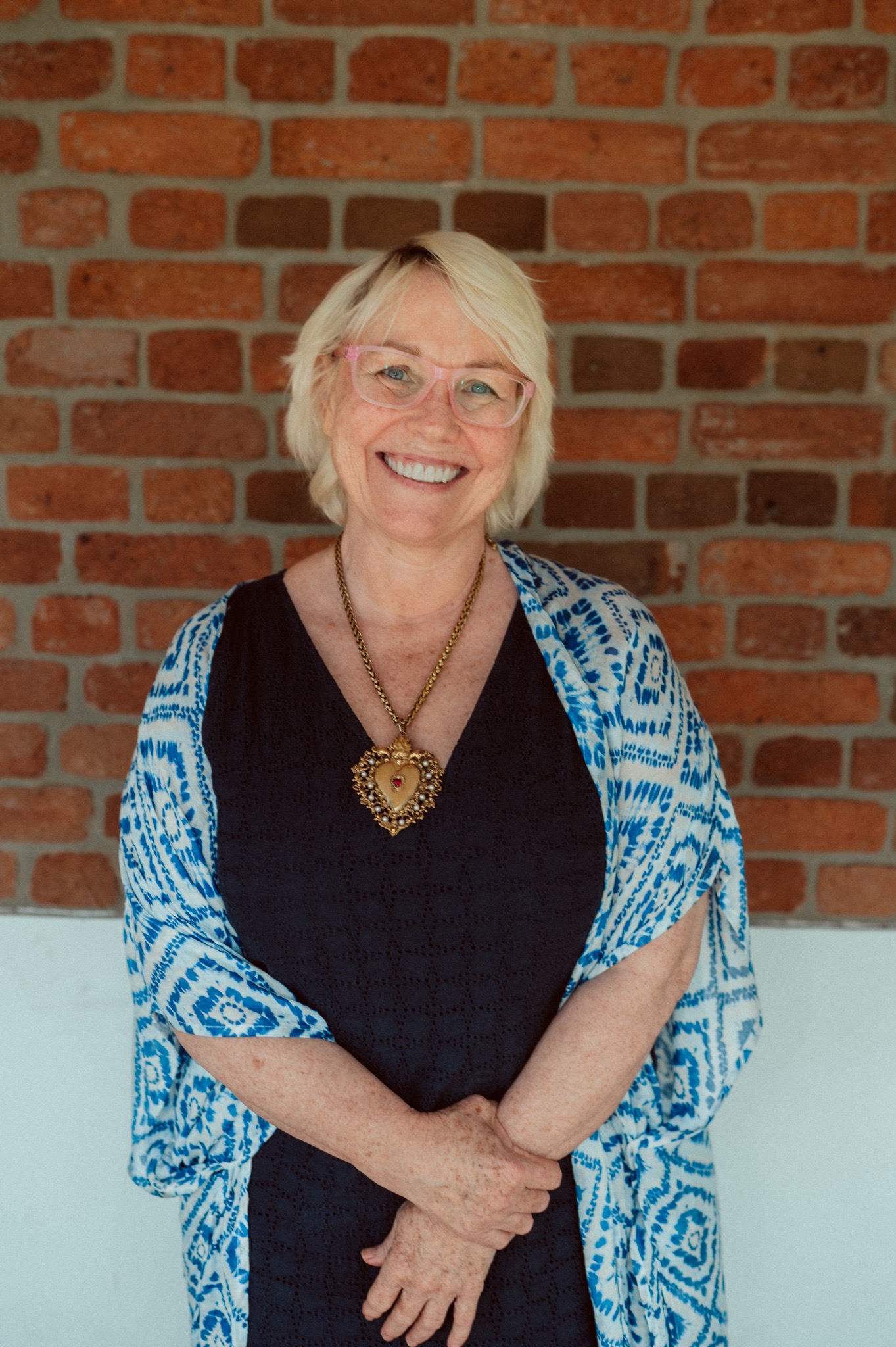
 Edwina Shaw