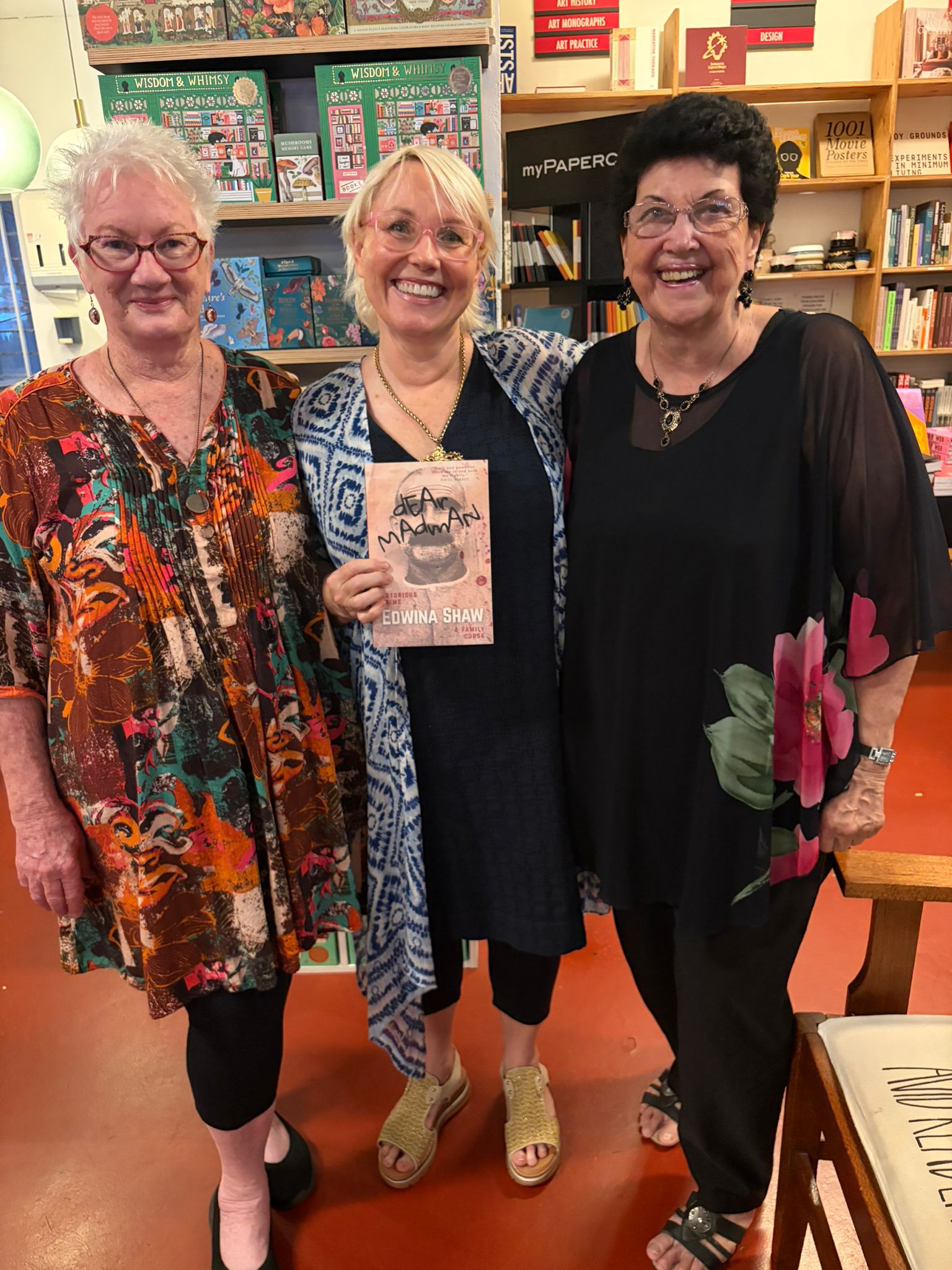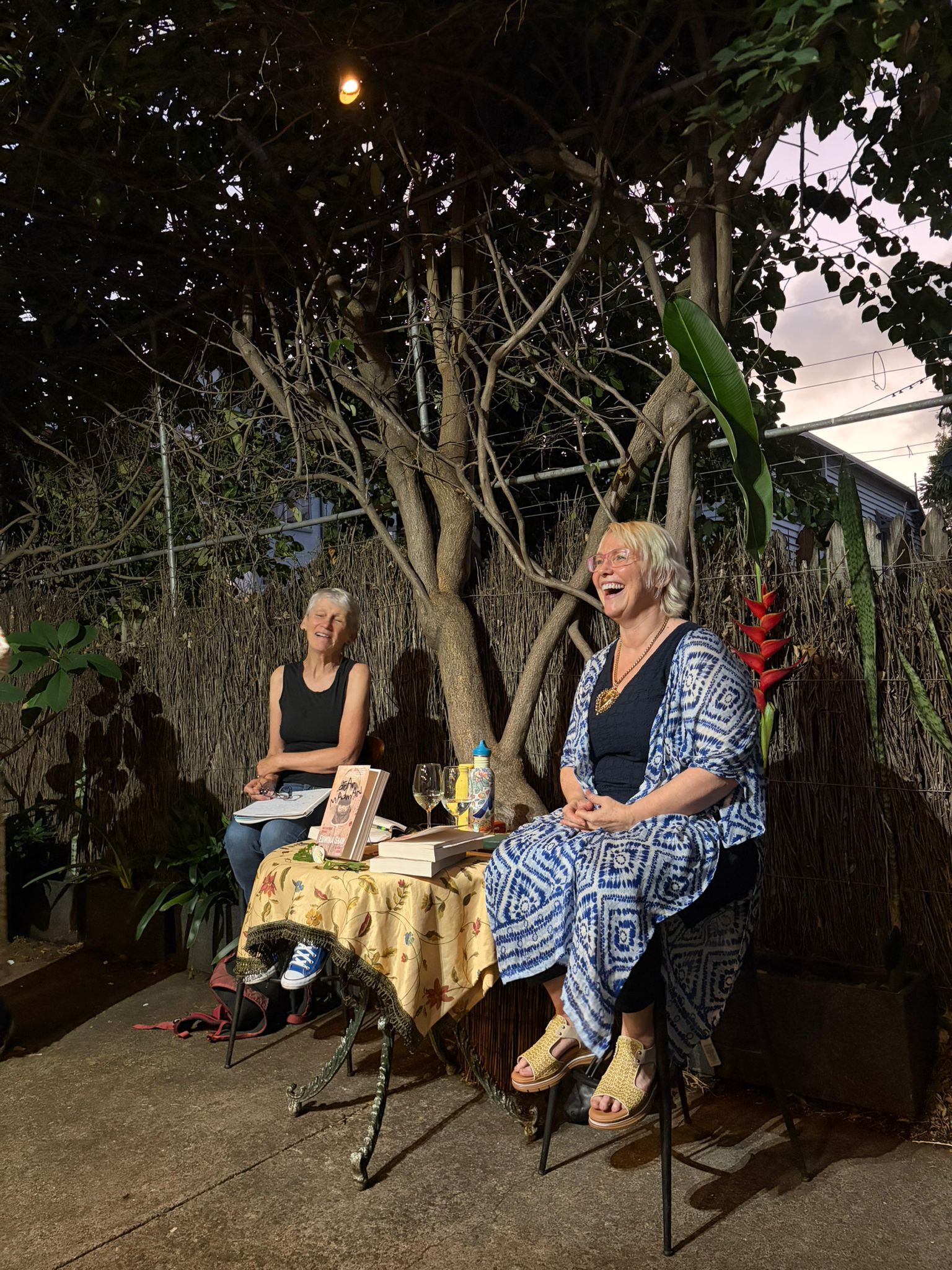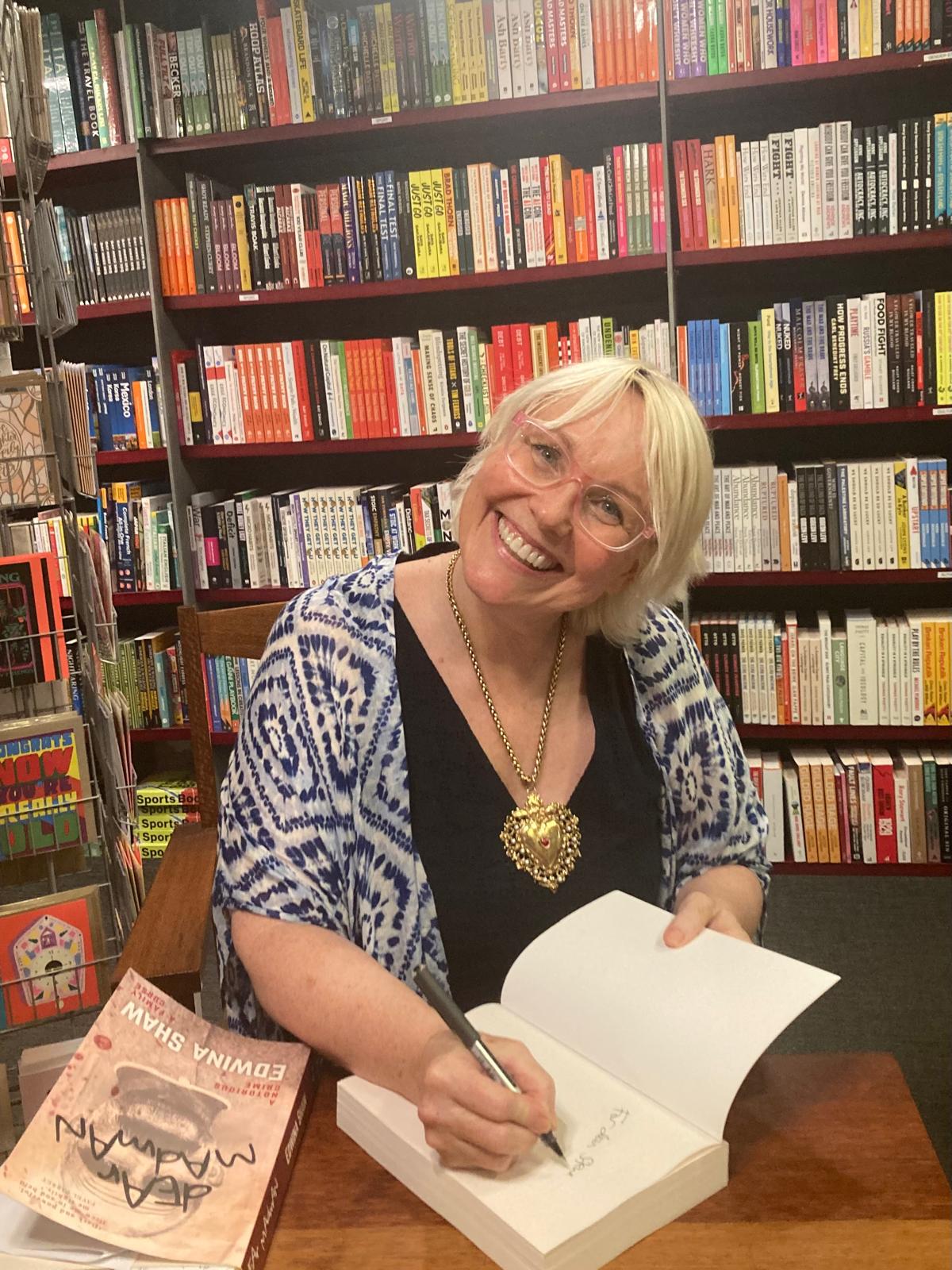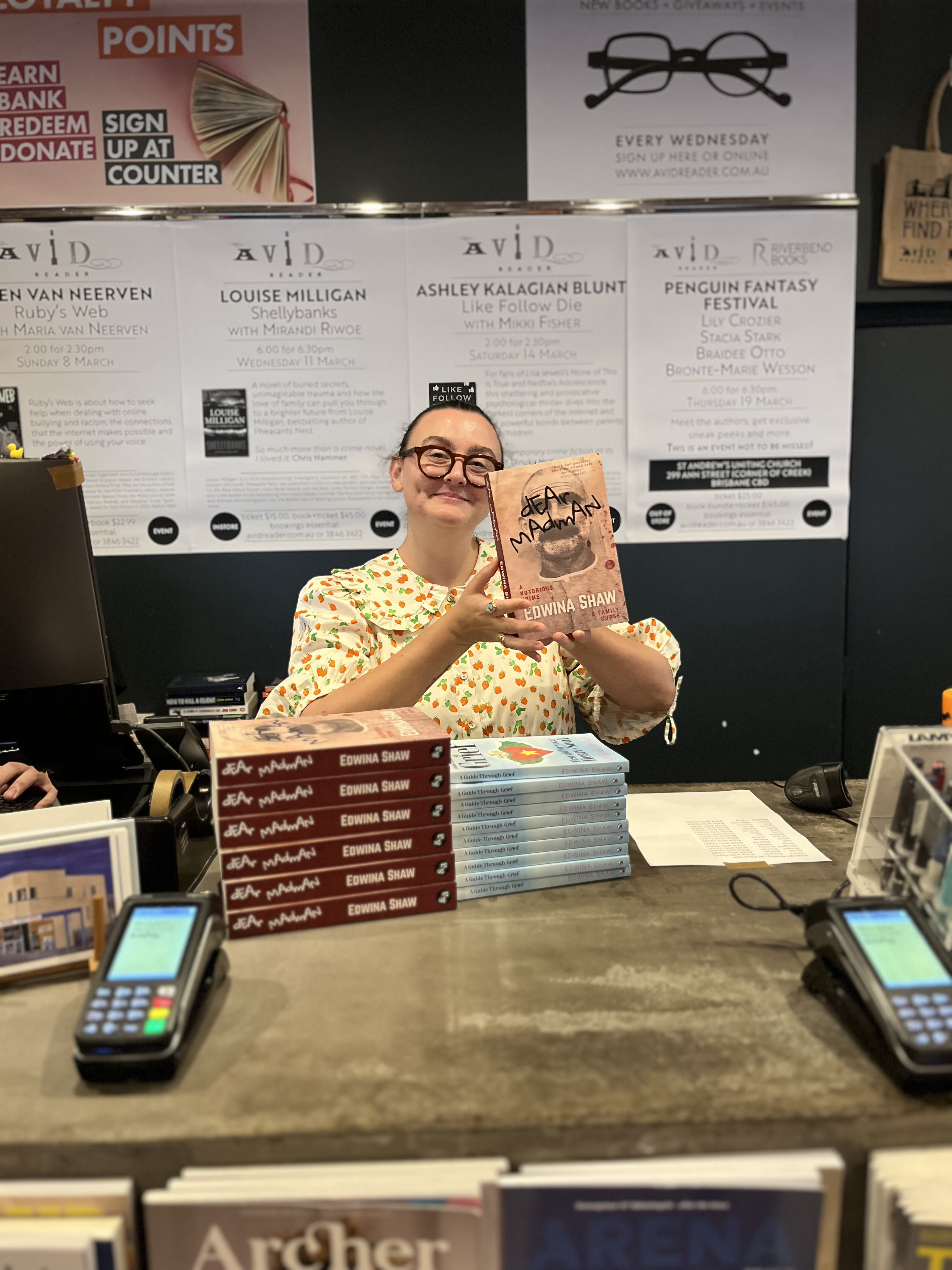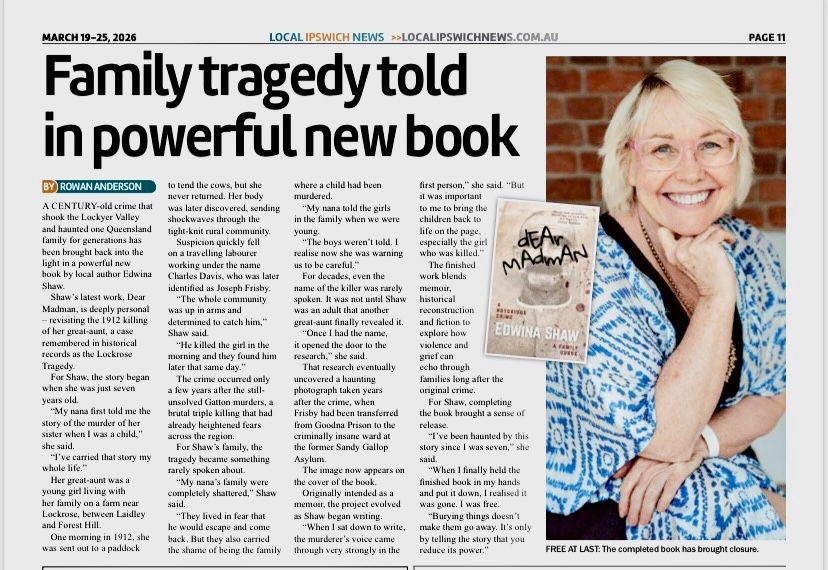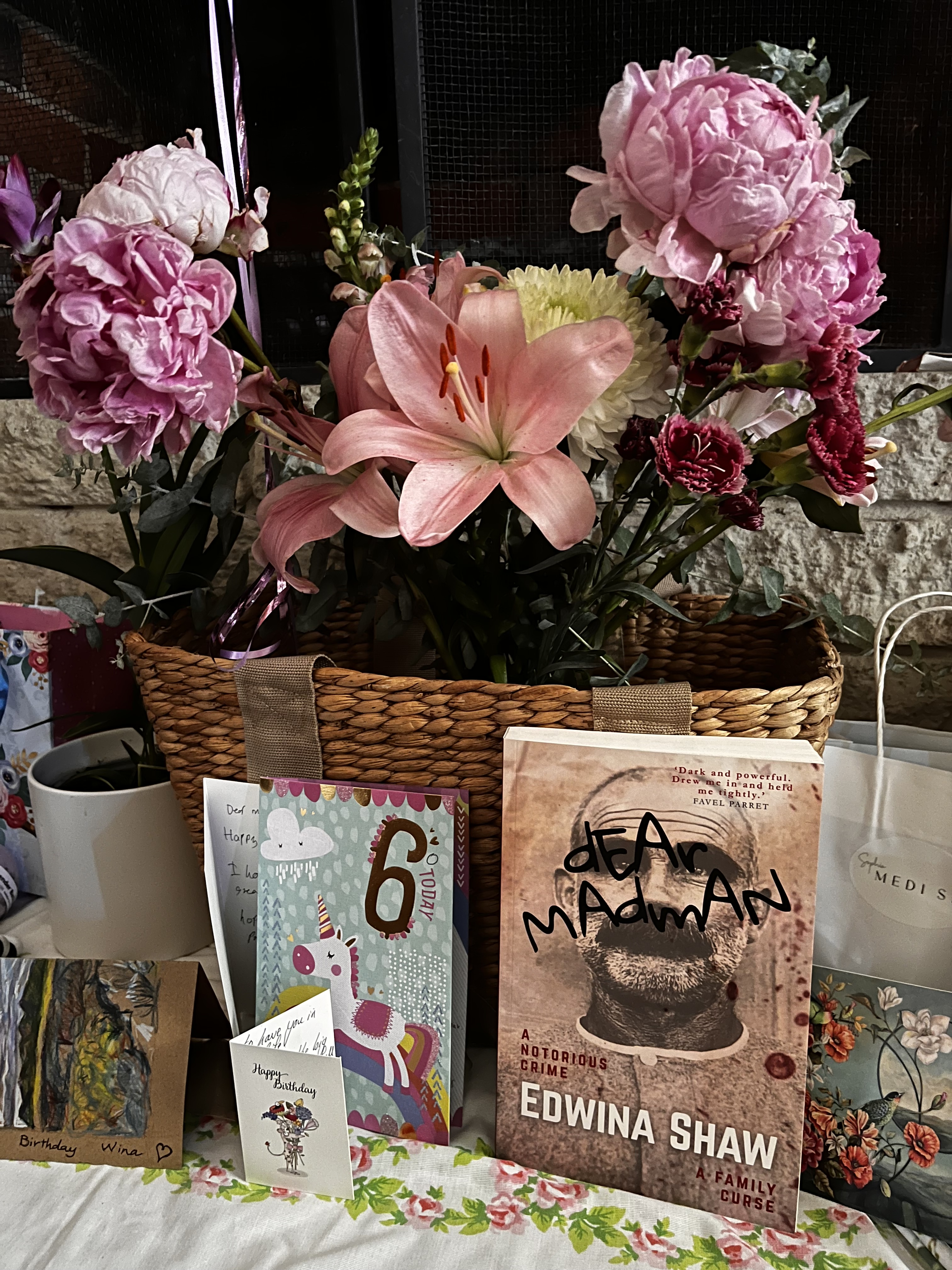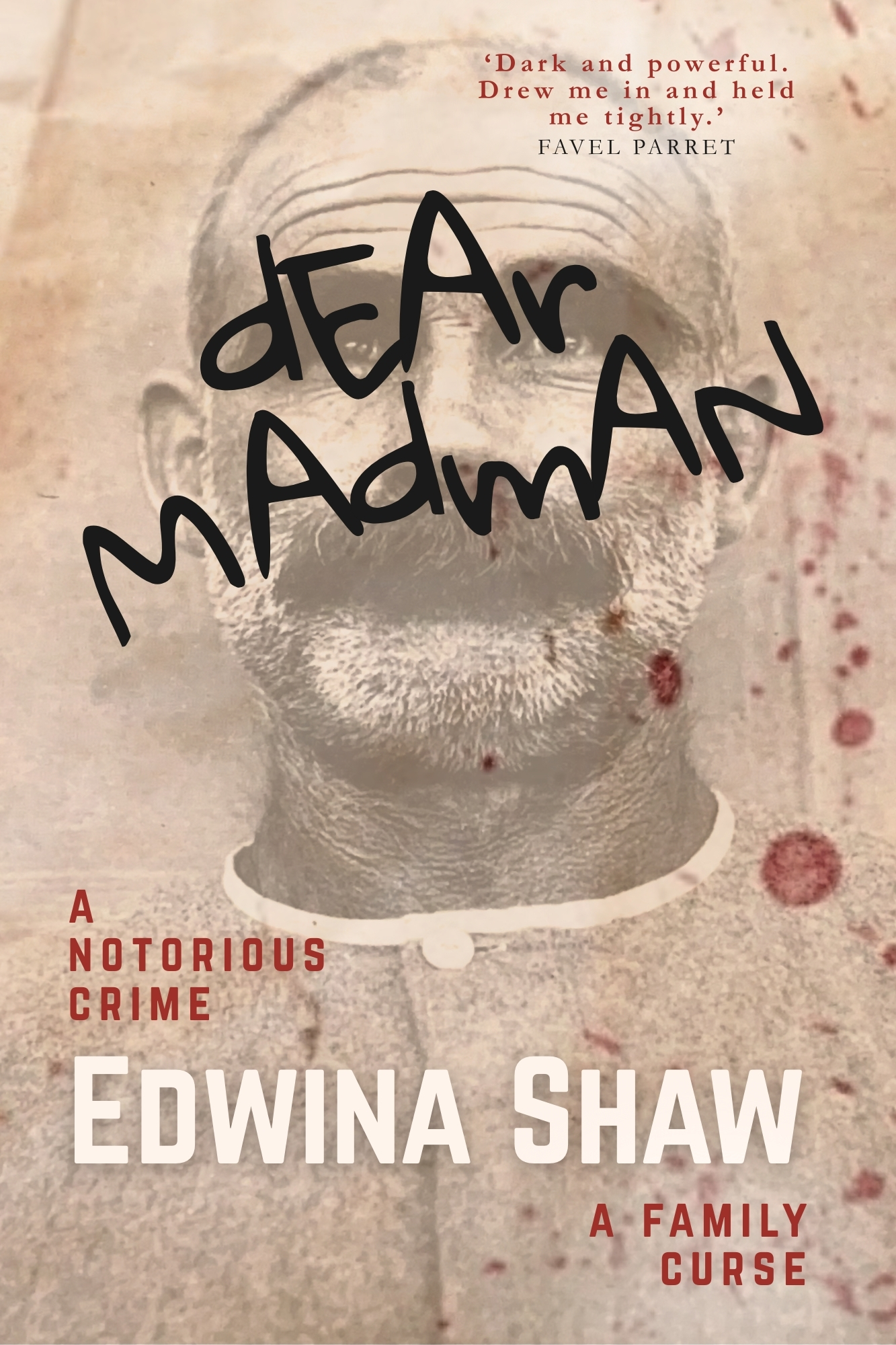
PUTTING THE ME IN MEMOIR – Dear Madman is coming soon!

a woman writer - vintage

Are you writing a memoir? Read on!

Memoirists are the bravest of writers. They must dig deep into their experiences and hearts to create meaning from the stories of their lives, then expose that tender belly to the world. Publishing a memoir is like stripping off all your clothes, even your skin, and running naked, vulnerable and raw in front of everyone you’ve ever known and lots of people you don’t. It takes guts! Writing of any sort is an act of courage – see my post The Courage to Create, but memoir and all writing inspired by our own emotions and deepest secrets, takes the courage of a child facing a nightmare monster. 

Do it anyway!

The world needs more truth. In this age of lies and AI fabrications and hallucinations, only the truth of lived human experience has weight and import. We are all so similar, humans haven’t changed much in what we need and feel in millennia, and yet each of us, like every blossom or leaf on a tree, is different. Unique and original, shaped by all who came before us and every moment that has impacted upon our life stories. 

A woman struggles to sleep

Don’t stay awake all night thinking about your story! Get it out of your head and onto the page 🙂

Capturing that unique spirit and experience of life to share with others is a precious gift. Through sharing the truths of our lives in writing, we connect heart to heart, mind to mind, in a way that can reach across generations and time itself. 

Write! Write your truth and don’t be afraid.

Over my work with many memoirists over the past two decades of writing and editing, I’ve learnt I’m not the only one who finds putting my deepest heart on display in my work difficult. I’m essentially an intensely private person. Only a very few of my oldest friends and my siblings, really know all of me. In my writing, I’ve always preferred the disguise of fiction – I like to think of it as a cloak of invisibility. Thrill Seekers is autobiographical fiction, or really, thinly disguised memoir. And most of my writing has followed that same method. I call it the “chicken’s way out”. My Guide Through Grief has snippets of memoir, but mostly I am telling the reader I’ve been through stuff too, so I know what grief feels like. I didn’t write in scenes. I wasn’t brave enough to force myself and my readers to experience those losses again in real time. 

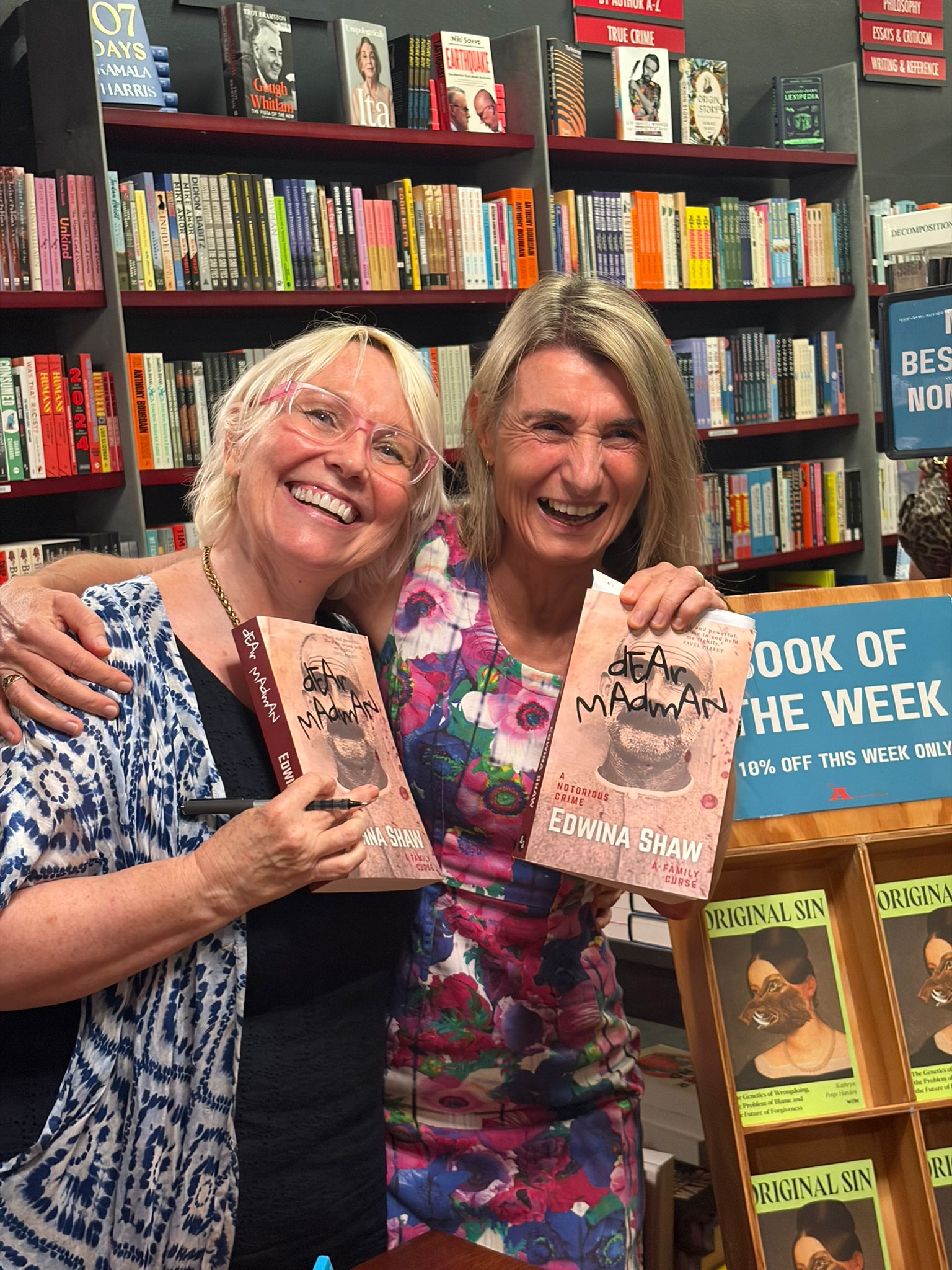
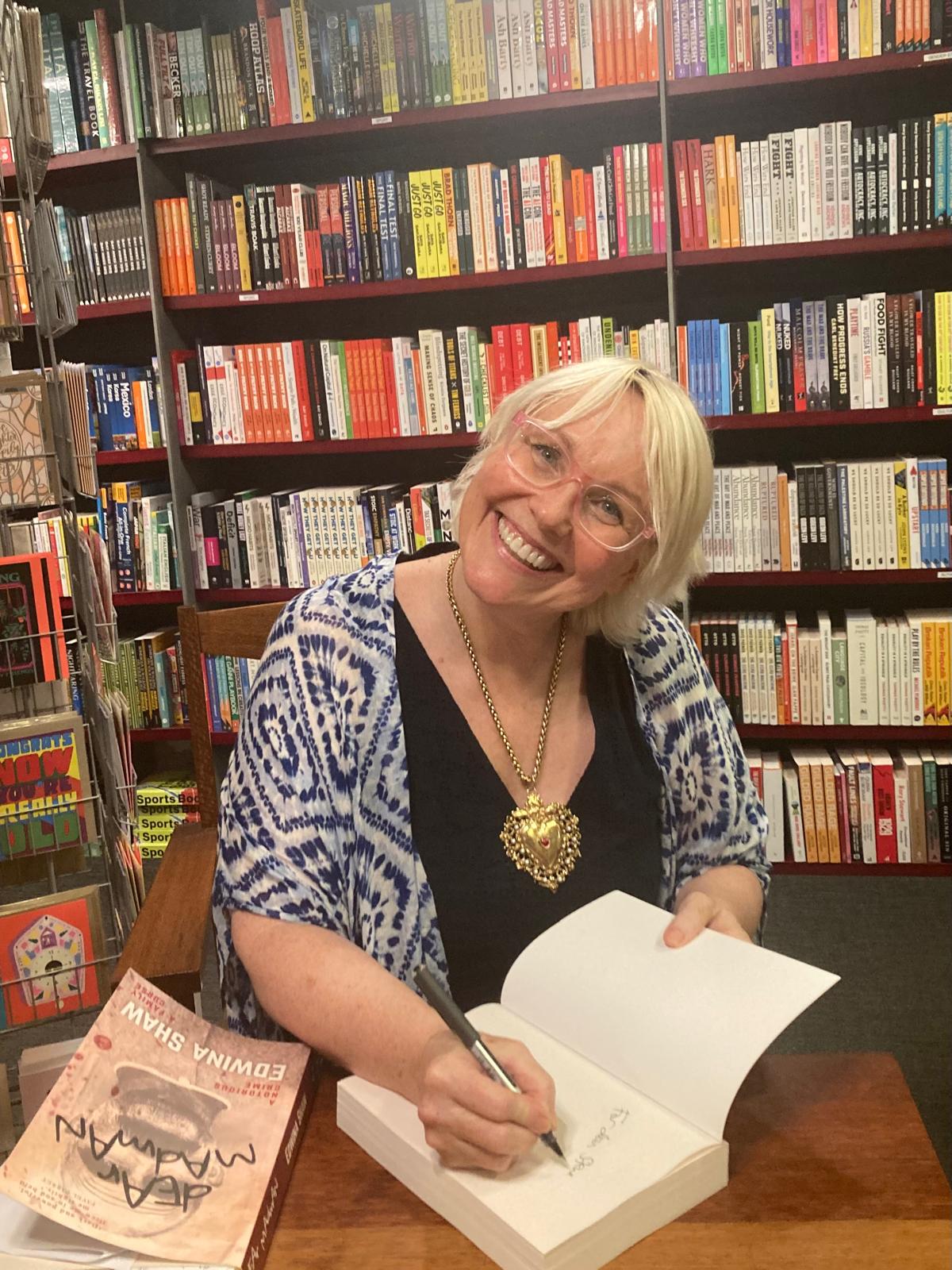
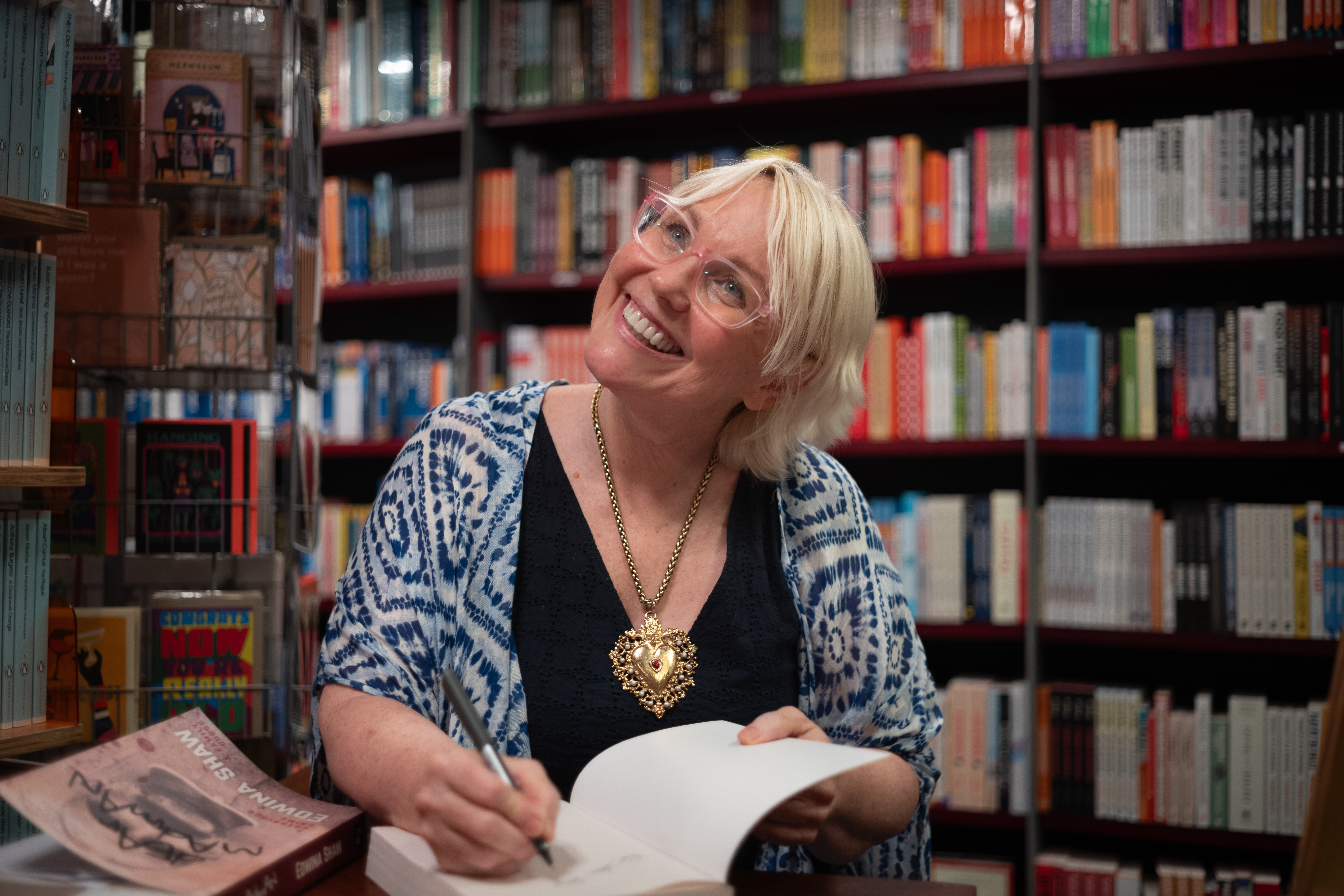
You can purchase a copy directly from me HERE – let me know if you’d like me to sign it for you, or someone else.

Writing in scenes allows the reader to feel and experience life events just as you lived them. The imagination is powerful and can’t distinguish between reality and the imagined. Every time we read and feel the emotions stirred in us by a book, we are partaking in the life of those characters. Living other lives than our own. How exciting! 

But another aspect to the ‘I’ voice in memoir plays an important role – reflection in hindsight, creating meaning from the chaos of life’s random rollercoaster ride. Both scenes and reflection from ourselves looking back at that scene and creating meaning, seeing patterns, asking questions, examining and releasing, are essential components of memoir writing.

THE TWO ‘ME’s in MEMOIR

a little blonde girl on an old fashioned TV set
  1. PREVIOUS ME – When writing scenes, we must go back and see ourselves as separate from who we are now. Who were you when this experience happened? Can you see yourself from the outside? Often photos are a good way to ease into seeing your past self more objectively. Then we need to create a character from our previous selves, warts, beauty spots and all. A character that is as well painted as every other in our story. More so, as the writer is the protagonist. 

Exercise: Close your eyes and remember a scene where you are sitting around a table, eating dinner or breakfast or playing a board game, or having a family or house meeting. Previous You interacting with others. What are you doing? What are you wearing? How do you fit in with the group? Are you speaking? What are you saying? How do you act?

Now try writing that scene in third person, treating yourself as the protagonist. 

Glamorous woman showing off her watch - vintage

A glamorous version of wise me now 😀

  • WISE ME NOW – This is the voice of the writer as you are now, looking back, examining yourself and situations with the benefit of hindsight, creating meaning from the chaos. After writing a scene where you SHOW us exactly what happened and who you were in the past, even if your actions were shameful, then take a pause and shift into Wise You Now to reflect upon the scene, and how it impacted upon you. What questions does it raise? What behaviours do you now see the reasons for? What patterns did this scene create in your life? How does this scene feed into the greater narrative you’re creating? What meaning can you glean?

Exercise: Write a short piece of reflection – a paragraph or two, reflecting on the scene around the table you’ve just written. What did it make you think? Feel? Understand? How did this experience shape you? Can you see a greater pattern? Find some meaning? Ask yourselves questions on the page too. Is this really how it was? How could it have been different? How am I different?

These TWO MEs interweave throughout a memoir and together they create not just a story of your life, but a way of interpreting that life and sharing your hard-won wisdom with others. Vivian Gornick talks about this in her book The Situation and The Story. She says that The Situation is the events of the past we recreate in scenes, but that The Storycomes from the writer’s choice of those events, reflection and meaning creation. See also my post The Benefit of Hindsight.

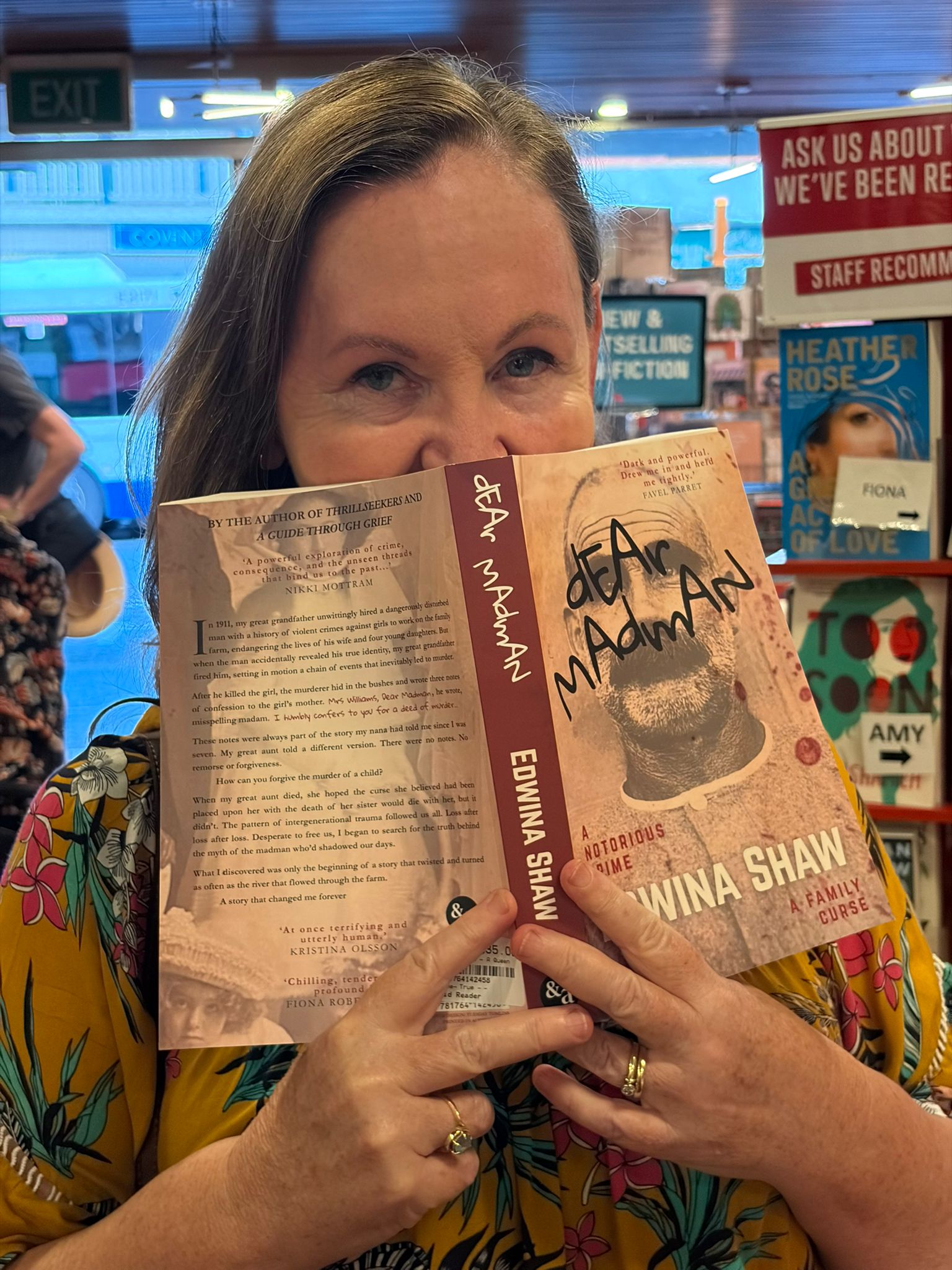
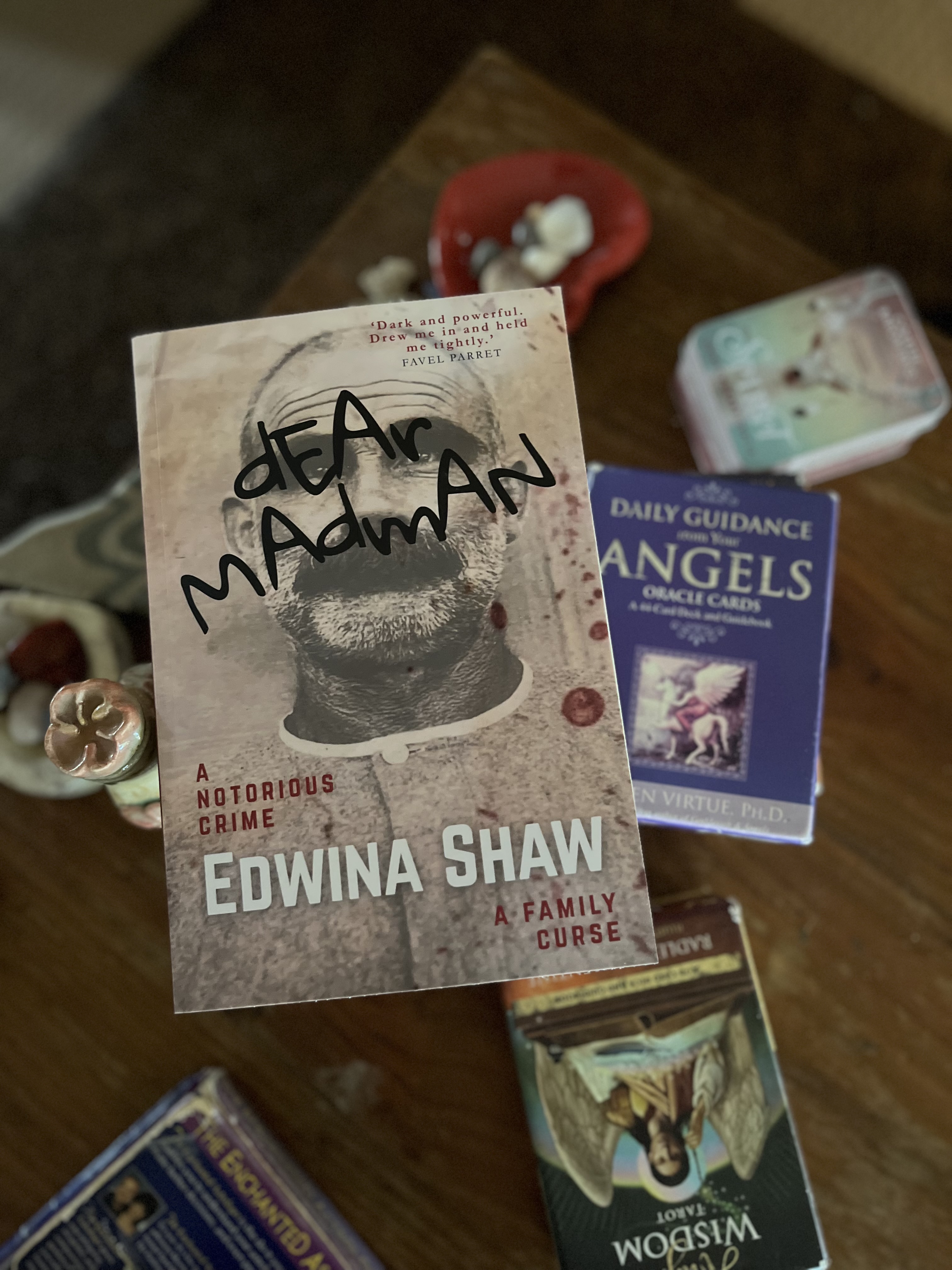
Back cover of Dear Madman

DEAR MADMAN

When I first started researching and writing Dear Madman (my forthcoming historical true crime memoir) my intention was for it to be a memoir. But once I started writing, the voice of the murderer demanded to be heard, and what I wrote that first draft, was a novel recreating the events leading up to the crime and its aftermath. I’d tried to hide myself once again, the old “chicken’s way out”.

But after attending workshops with the brilliant, generous and talented Susan Johnson and Kris Olsson, I realised that my Wise Me Now voice was essential to interpret and create meaning from the meaningless murder. In order to share all I’d learned in my research and through the process of writing the recreation, and to reflect upon the intergenerational impact of violent crimes, I needed to be there. Me. No chickening out! Bugger it!

Who me? No chickening out?

At first, I wrote a separate text – an essay titled “In Search of the Shadow Man and the Nature of Forgiveness”, but eventually I realised the essay needed to be a part of the main story. That I was a character in my book, as much as the murderer was. So I interwove my reflections and insights throughout the fictionalised recreation of events and took the path of courage.

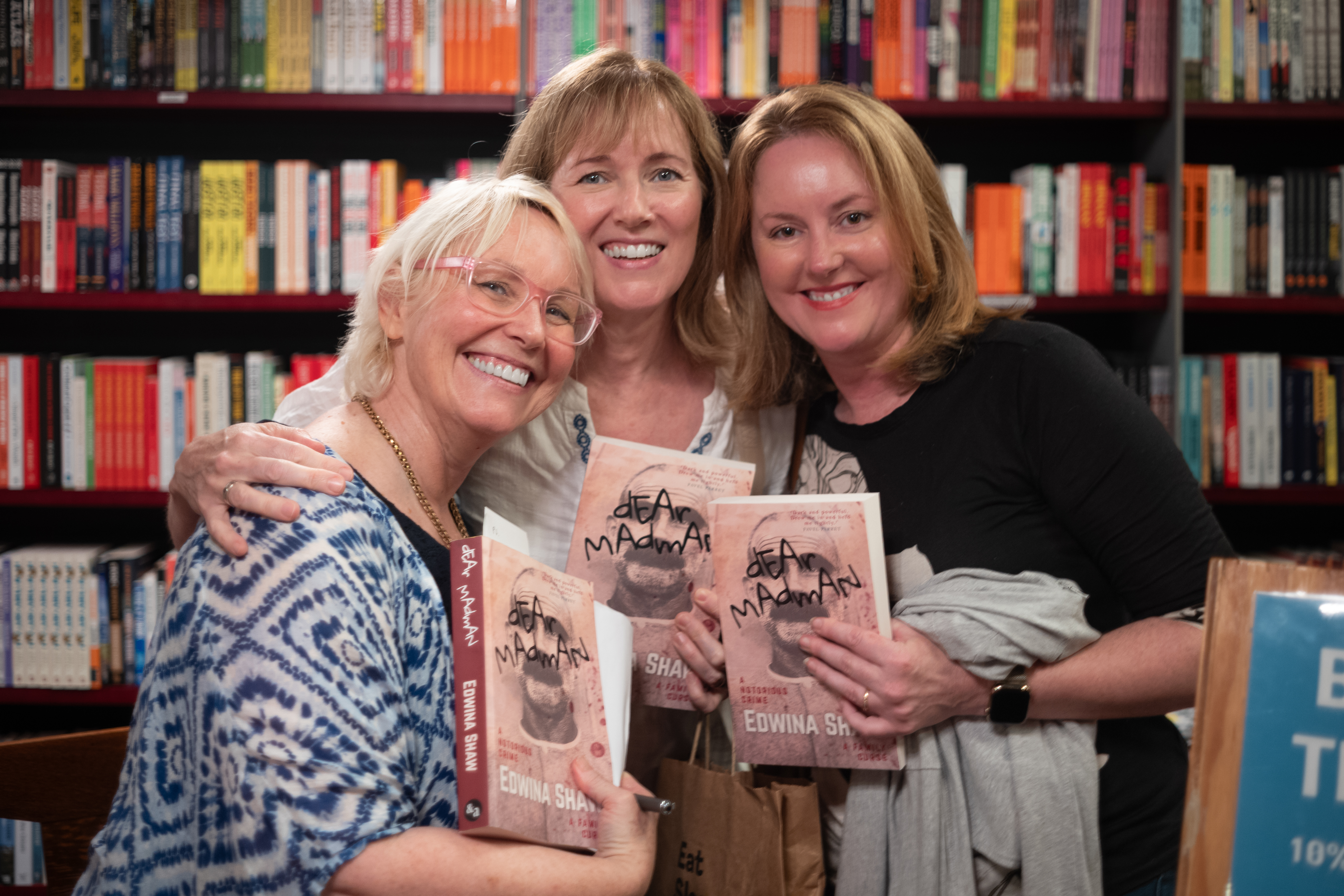
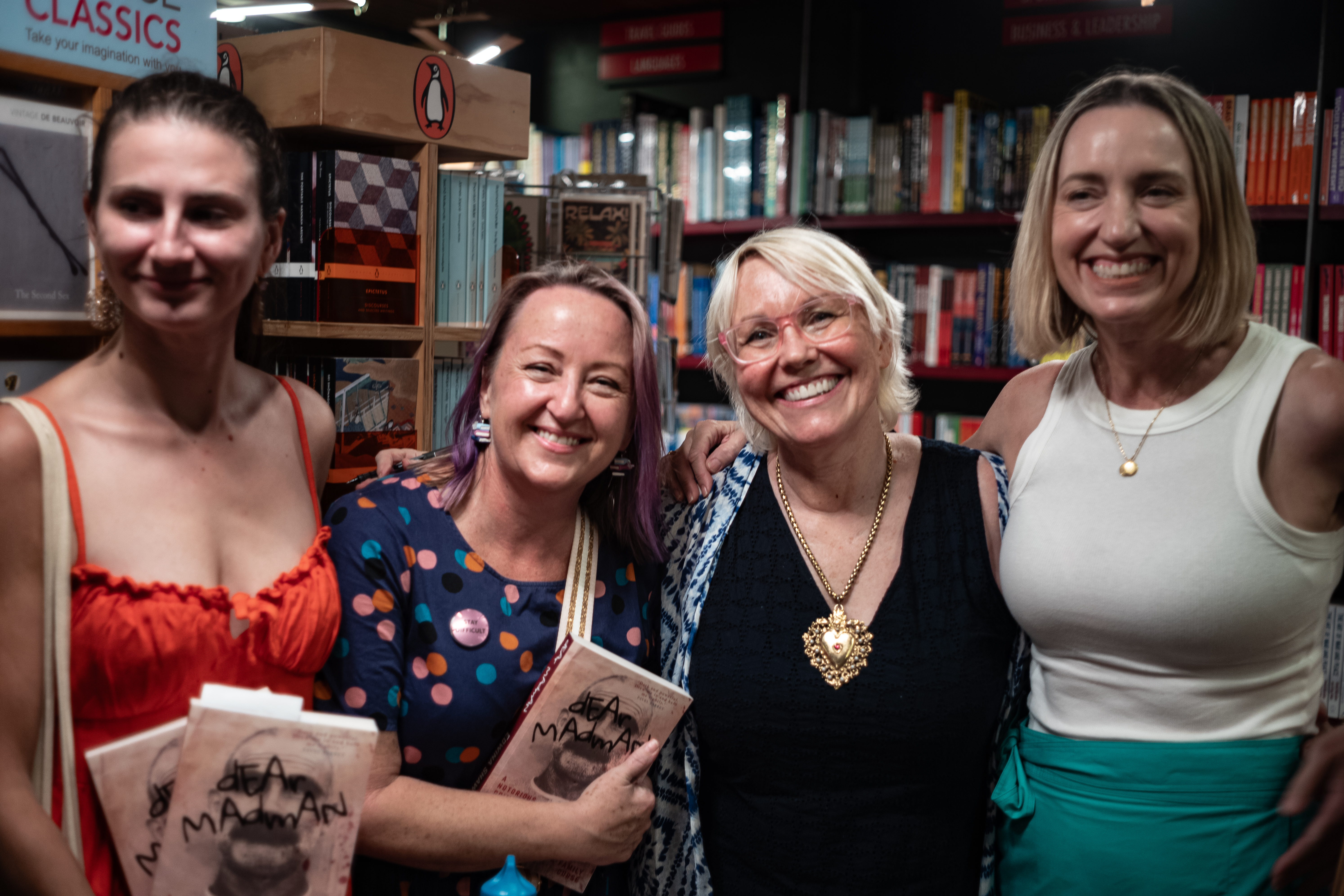
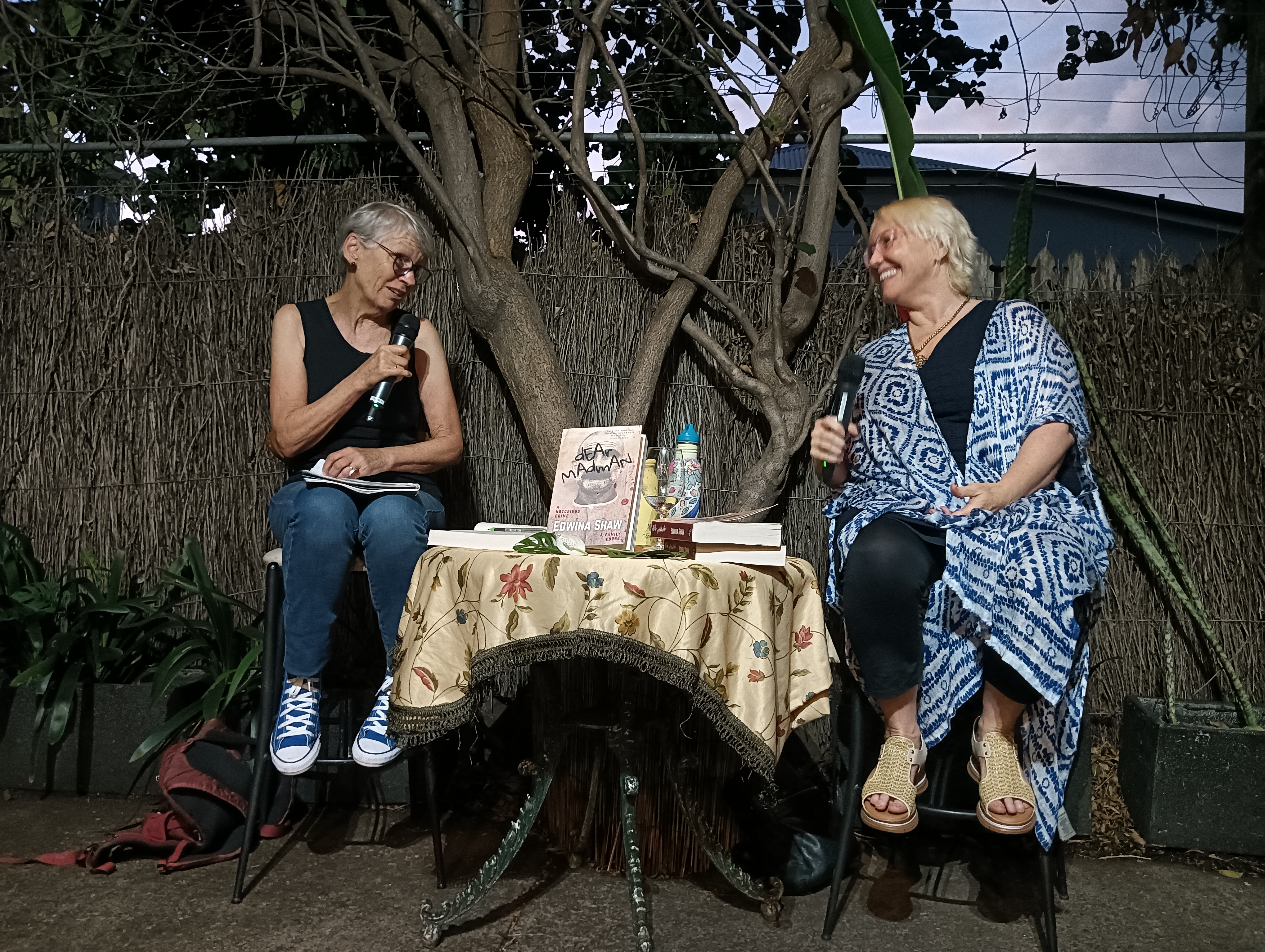
Writing this book has almost killed me. I have carried the story of the murder of my Nana’s sister since I was a child, trying to make sense of it, to find a way to understand why such an awful thing would happen. I am beyond excited that finally this story is written and is being published by AndAlso Books in March 2026. YAY! At last. After beginning to write this book in earnest back in 2010, I can now give this story to others and free myself from it, forever.

So dear, brave memoirist, I understand your hesitance about putting yourself into the story, but you need to be there.

Soon you’ll be off and flying – writing your truth and feeling free!

Have courage. Speak your truth. Write your story!

Have you got any tips for memoir writing and creating a character from yourself? Do share them in the comments. I love hearing from you.

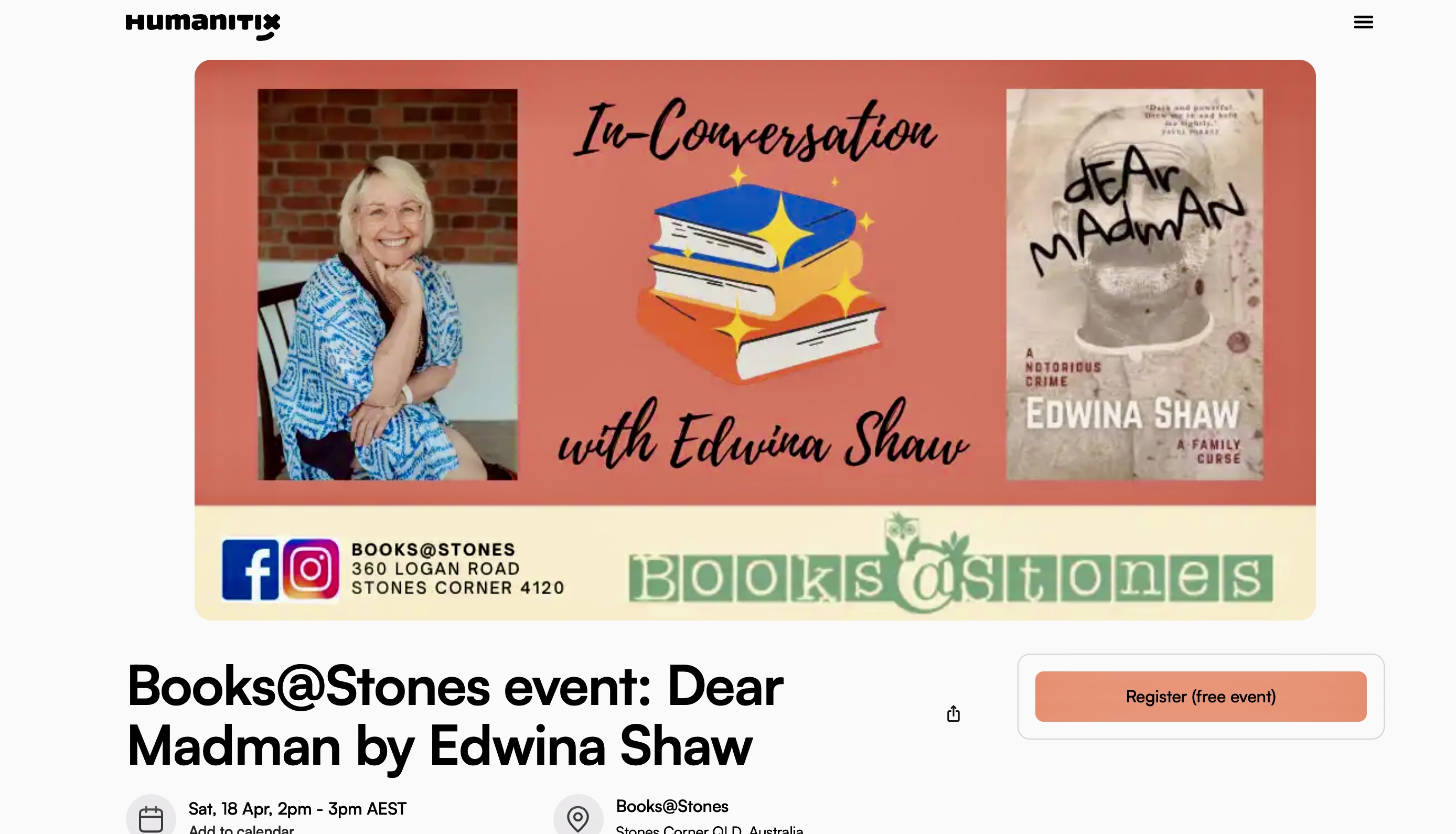
Hope to see you at the launch! (subscribe to my newsletter for more launch details)

Lots of love

Edwina  🙂 xx

Edwina Shaw, writer and editor.

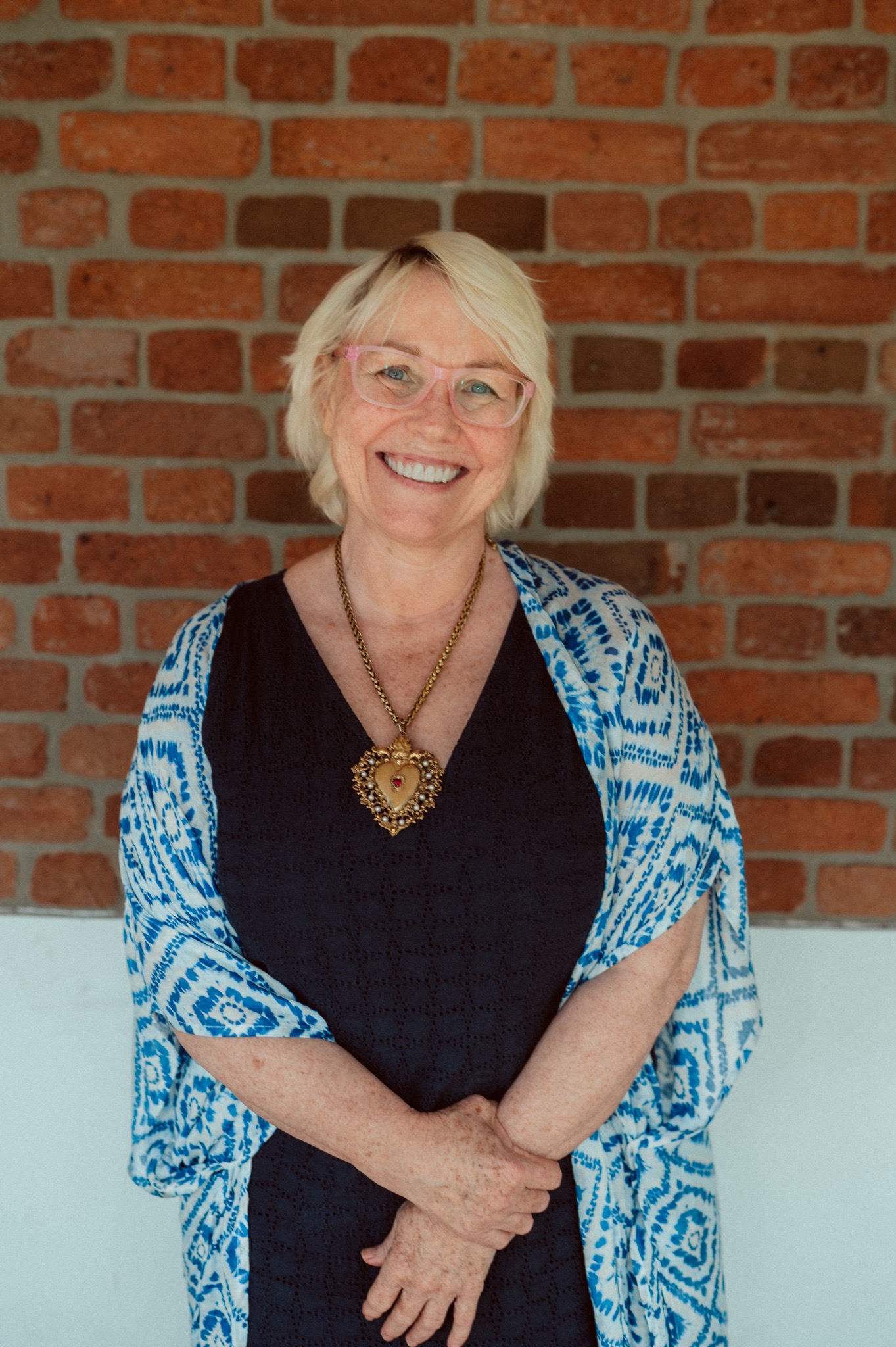
My new headshot for the book! What do you think?

RESURRECTING THE DEAD – Opening the Bottom Drawer

I don’t know about you, but I have a bottom drawer full of old manuscripts. Actually, I have a whole chest full. The first novel I ever wrote, “A Lesson in Darkness” will never see the light of day, it was my real training ground. It’s never even had a second draft. But I have three other projects that were precious book babies at some point but then, because of rejections real or imagined, became too hard to look at and were relegated to the bottom drawer.

What I’ve learnt over my twenty years of writing practice is never ever to give up on a piece of writing. Short pieces that were rejected for years, even decades, suddenly find the prefect home in better places than I’d ever dreamed of. “Mrs Sunshine” had done the rounds of many literary journals and competitions and then finally found a place in Best Australian Stories 2014. Other stories too, battle worn and bruised have risen to be published and paid for.

Even Thrill Seekers was resurrected from the dead after Barbara Mobbs, my then agent, told me to forget about it, put it in the bottom drawer and move on, after it was rejected by only one publisher. I wasn’t going to give up on it that easily. I submitted it to a worldwide call out and scored a contract with Ransom Publishing UK. It then went on to be shortlisted for the NSW Premier’s Awards. It wouldn’t have, if I’d taken Barbara’s advice and let it perish unseen.

It takes courage to resurrect old writing, especially when it’s done the rounds a few times and faced a lot of rejection. “Remember,” I have to tell myself, “rejection doesn’t mean the work is bad, only that it hasn’t found the right home, or the right shape yet.”

I am not short on courage. I feel the fear and do things anyway. You have to be a risk taker to be a writer. But reviving “Dear Madman” and starting to work on it again after a break of some years has taken all my strength. When a book has been rejected, it’s not just the book that’s bruised, but the writer (actually, the book probably feels okay!). Sometimes you’ll have a loving spouse to drag the manuscript out of the rubbish bin, as Stephen King’s wife famously did for Carrie, his first breakthrough hit. But sometimes you have to be your own loving friend and do the same.

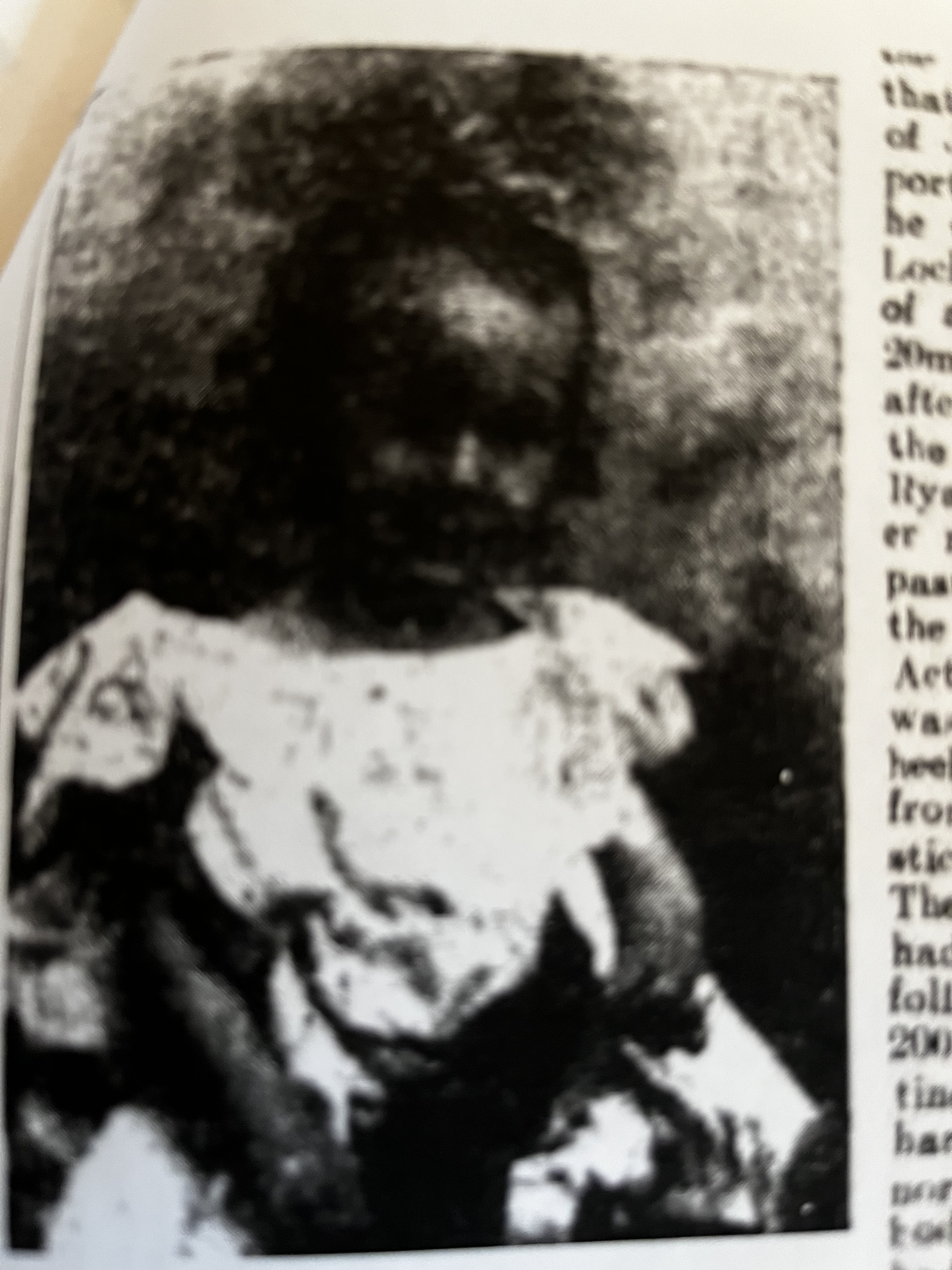
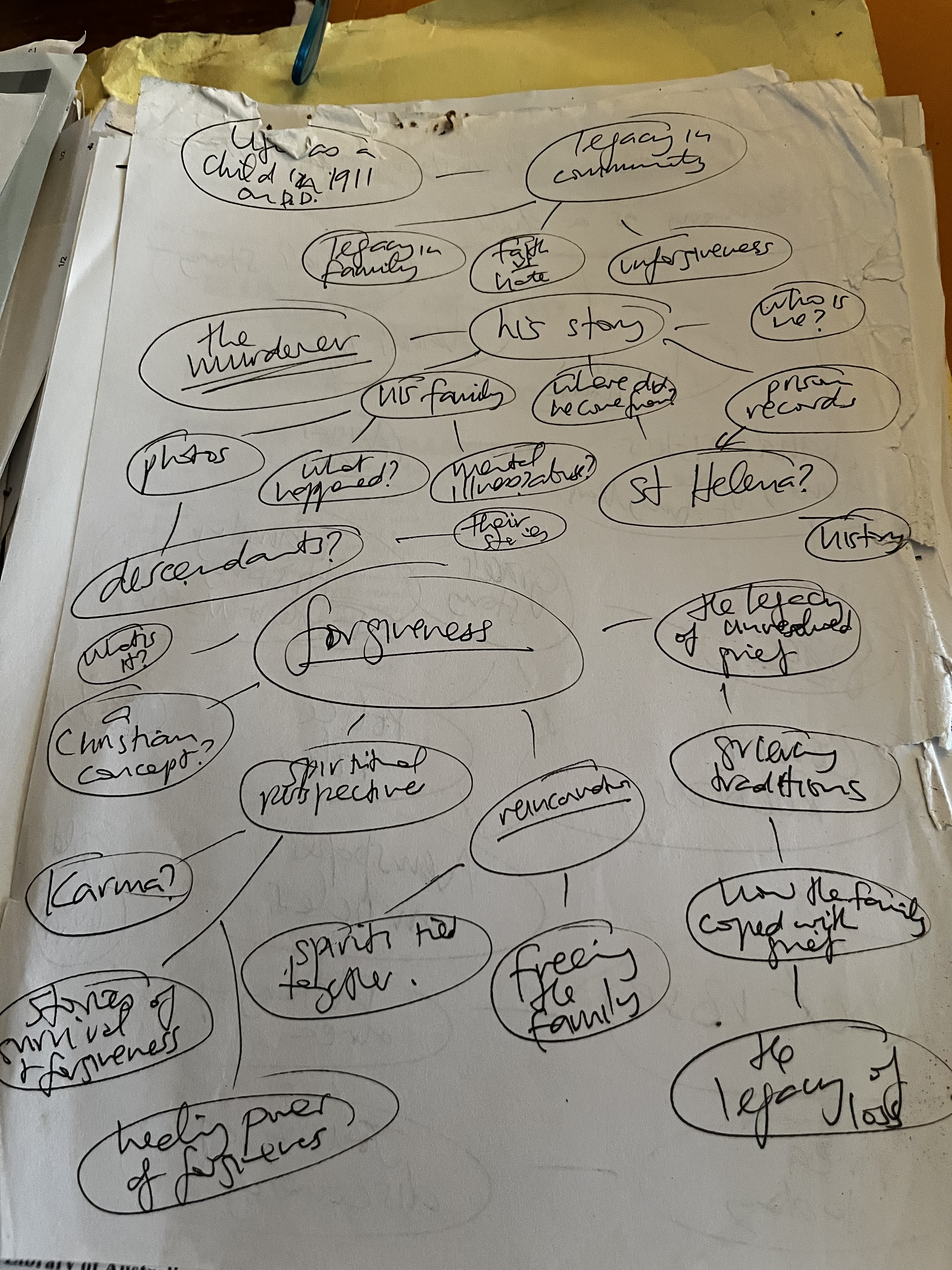
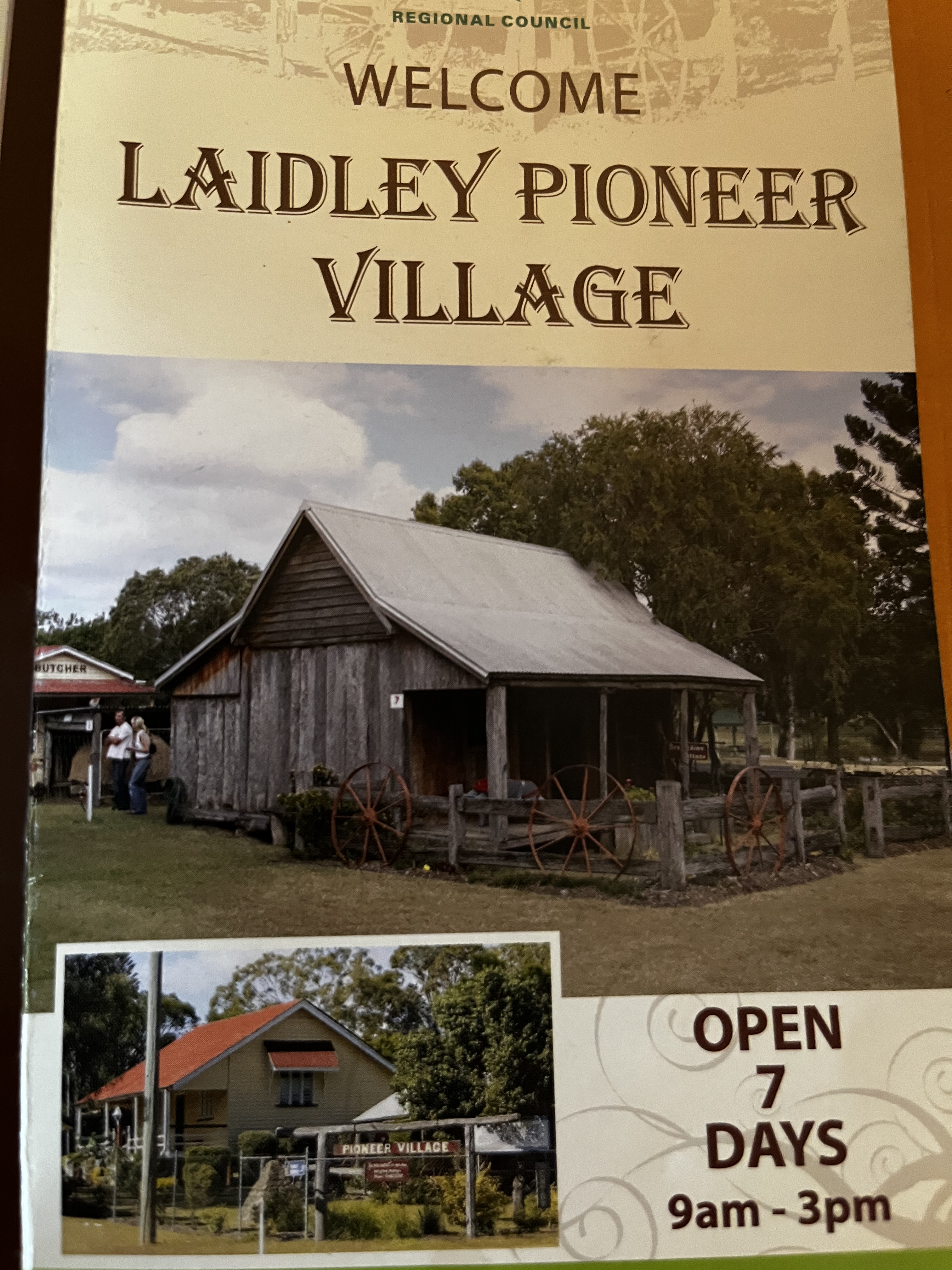
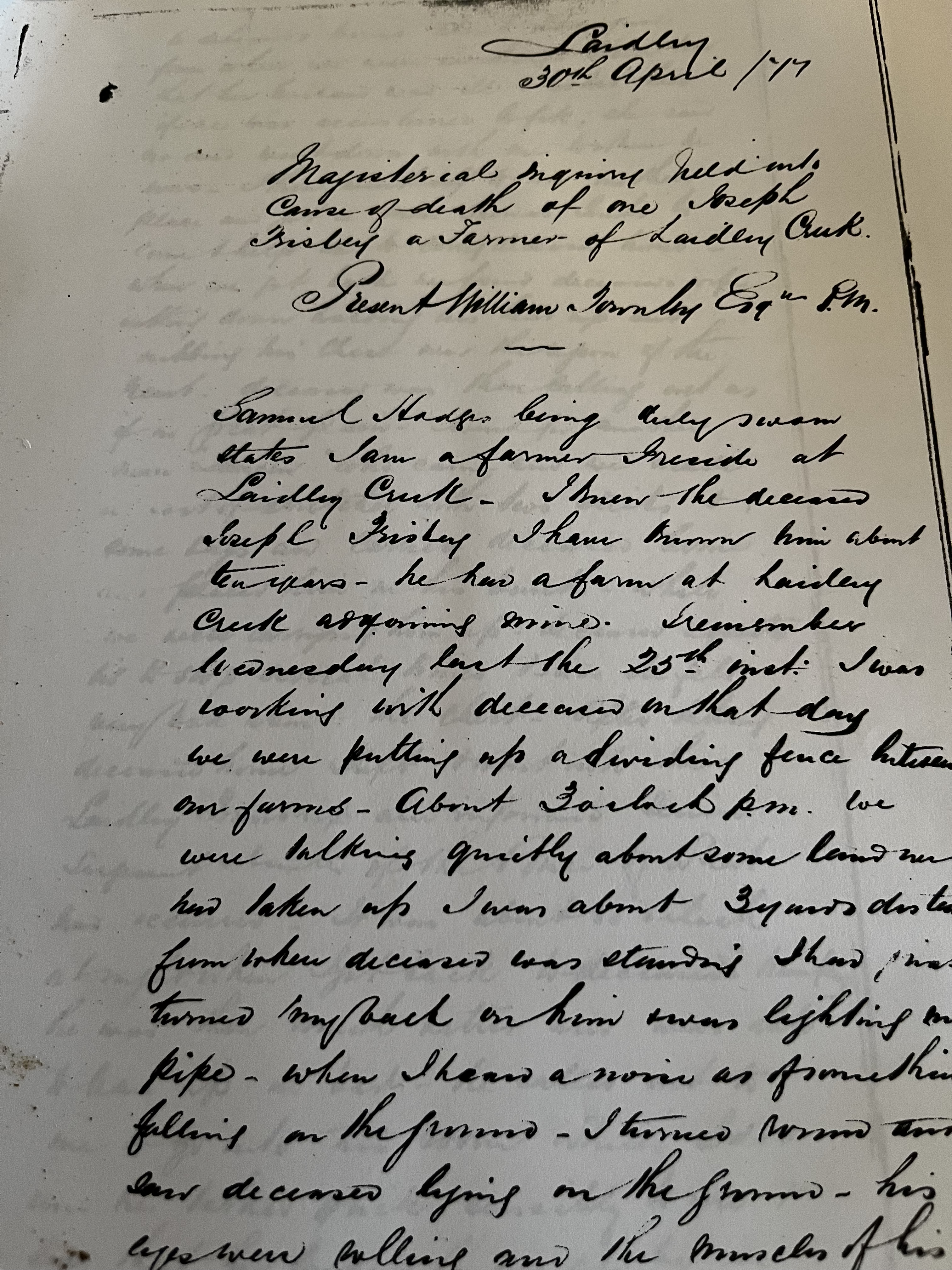
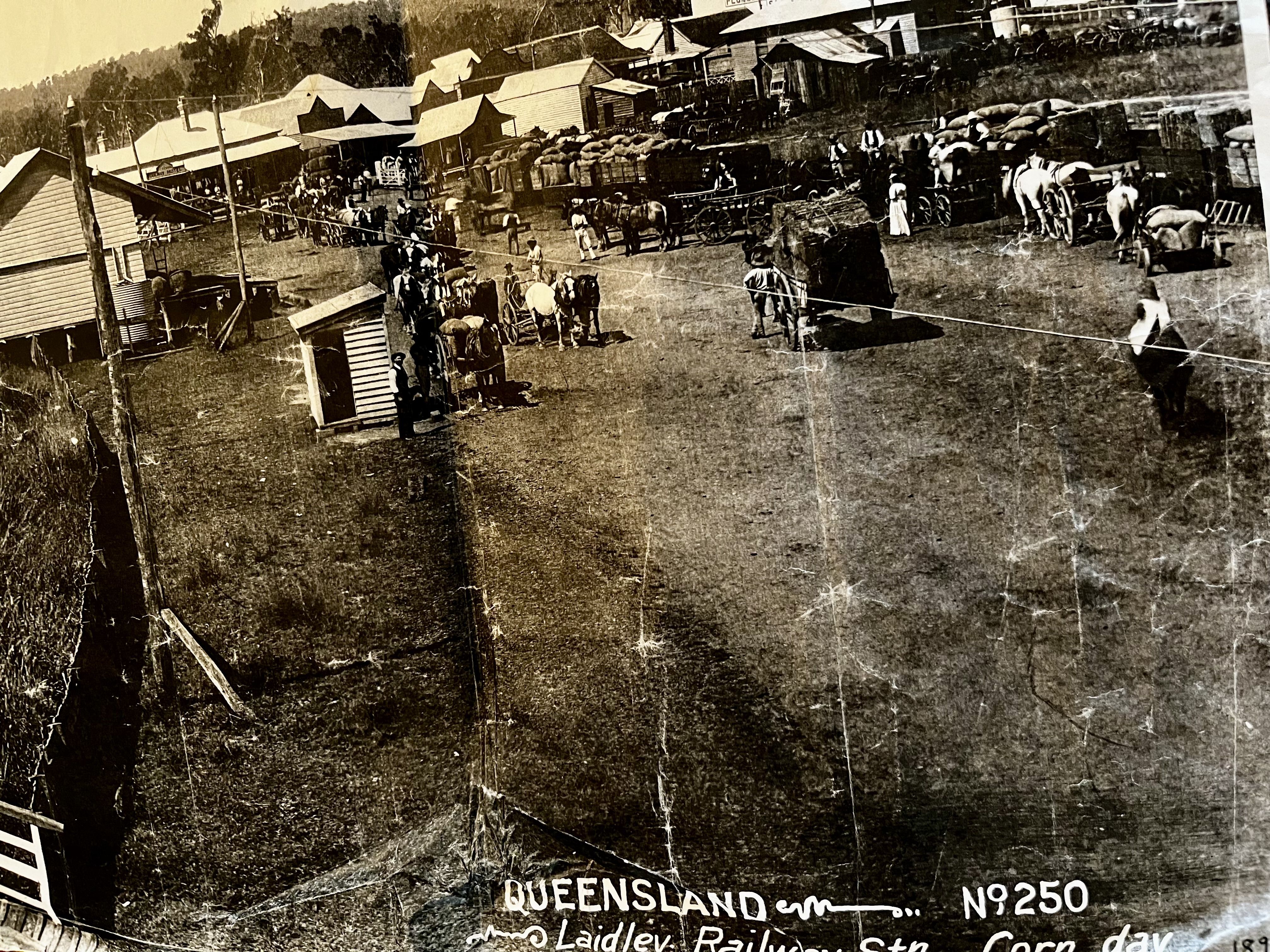
I have been working on “Dear Madman” on and off for over ten years. Yes, that long. This project is dear to, and deep inside, my heart. It began life as a memoir about the murder of my maternal grandmother’s sister as a child in the Lockyer Valley in 1912 but then evolved into a novel. The characters demanded it. I couldn’t shut them up. Besides, I felt the story was best portrayed as I saw it playing out in my mind – in scenes. I thought it worked well, but publishers didn’t agree. My agent at that time, Zeitgeist Media Group, were tireless in their efforts but couldn’t get it over the line. The rejection of this manuscript broke my heart. I started to believe it was cursed. That I was. And that’s never a good idea.

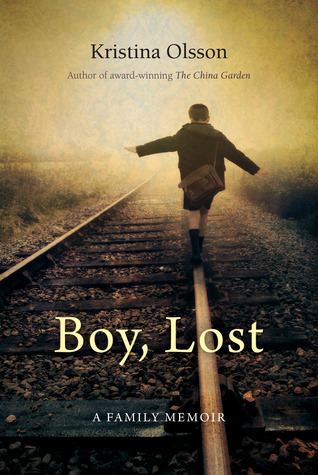
Recently, I attended Kris Olsson’s Memoir Bootcamp at the QLD Writers Centre with more recent memoir projects on my mind. However, once I started doing some of the preliminary exercises, I knew that the ghost of “Dear Madman” had called me there. Kris inspired me to take another look, to redo it as the memoir I’d originally intended, keeping the novelistic scenes if I wanted. That was weeks ago.

It took those weeks for me to gird my loins in order to tackle what seemed like a monumental task, the most difficult puzzle of my writing career. How to do it? The question loomed in my mind larger than the book itself. “Just do it!” I told myself like a sportswear commercial. “Feel the fear and do it anyway.”

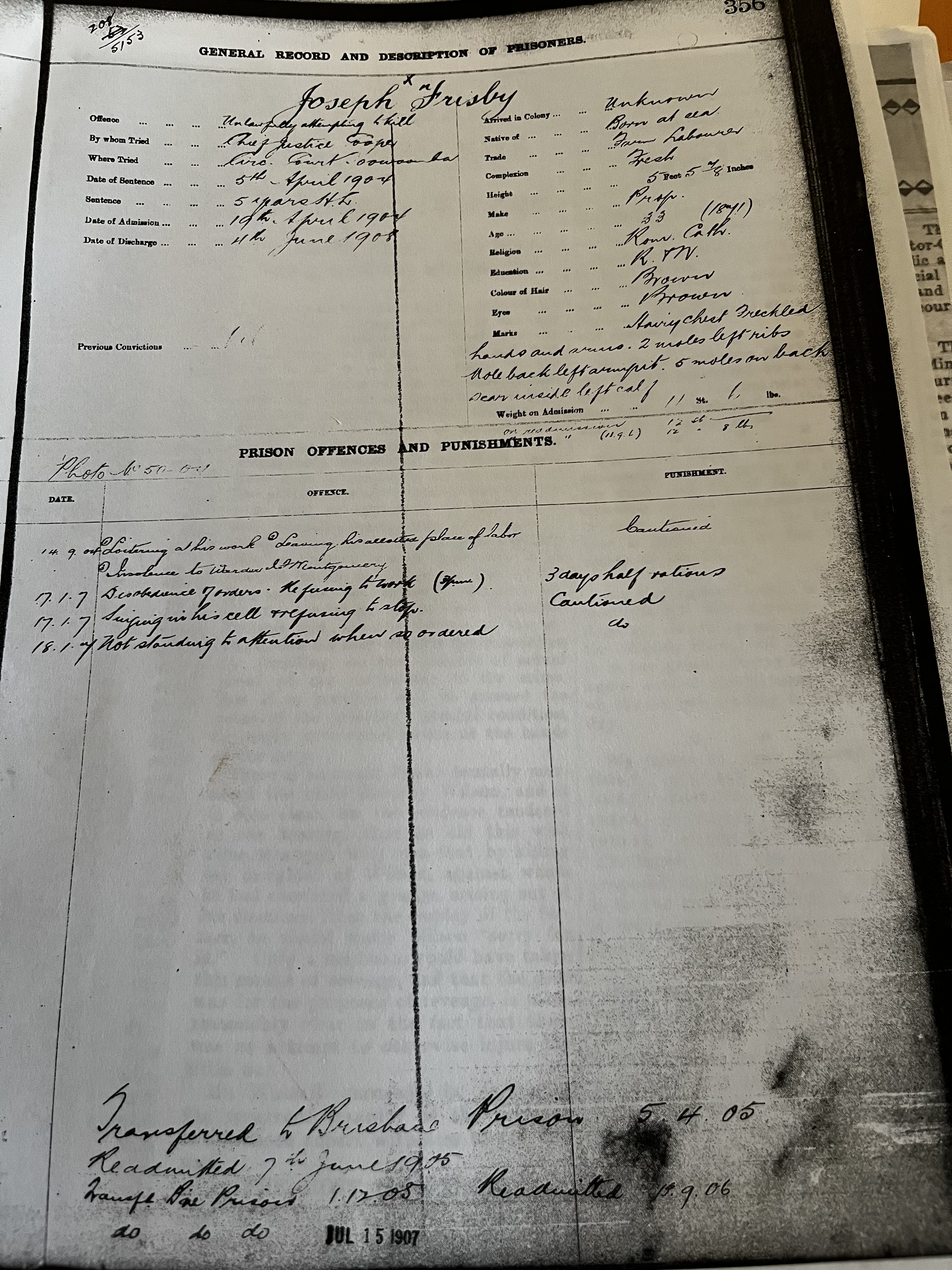
I dug up the old files, the original memoir strand of 24 000 words, journal extracts from the time of my researching and writing, and the novel it all morphed into. Then I started fresh. I opened a new document and called it, “Dear Madman 2022” (I know, I know, we’re not there yet, but I’ll still be working on it then I know). Most importantly I added ROUGH DRAFT in very big letters. “Just muck around with it and play,” I intoned like a mantra.

So I played. I’m still playing. Anything goes. I’m shoving bits in, weaving things together. Writing new bits, writing about the process. Talking to the reader as if they know how tricky it is to braid these disparate strands. And guess what? It’s fun! I’m enjoying myself. After the first few days of timidity and self-criticism, noticing where I’d overwritten and made things worse, I’ve reached a stage where I’ve regained my creative confidence and my belief in the project. YAY! It’s all a huge schmozzle right now, but I have faith that it is becoming more like it is intended to be. It’s finding it’s shape at last and I’m enjoying the challenge.

And, quite literally, I’m resurrecting the dead as I write, or at least giving them another life on the page. Through writing, I’ve given that little murdered girl the chance to laugh and play with her sisters one more time.

If you have stories or novels or memoirs clogging up that bottom drawer, especially those that hurt to look at, especially them, dig them out and expose them to the air. Gird your loins, put on your grown-up pants, and tell yourself you’re just going to play and see what happens. Start a new document and dive right on in. Anything and everything goes. You can do no wrong.

Repeat after me, “I am confident and capable in my creative work.” You can do it! Who knows? You may even have fun. 

What projects have you buried that deserve a second chance at life? What projects have you resurrected? Any success stories out there? I’d love to hear them!

Come and get it!

Lots of love,

Edwina xx