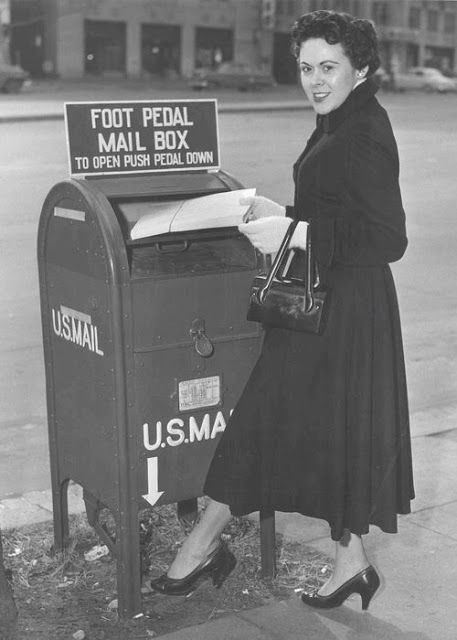
Whether you’re a writing newbie or an old hand like me there’s one rule that stays true – in order to get published you need to submit. Scary, but true.
You want someone to read them, right?
When I first started writing in earnest back in 2002, I wrote short stories while my young children were having their naps. I joined the QLD Writers Centre and formed a writers’ group with a few women I’d met in workshops. After they’d given me advice and positive feedback, I felt brave enough to send some stories out to competitions.
 It took guts. I know how scary it is to even have anyone else read your work, but then submitting to competitions or publishers can feel like you’re sending a newborn off to face the world alone, without even a blankey. I was filled with anxiety but also a trembling hope.
I was thrilled when I won the Avid Reader short story prize and was published in a free local newspaper. When I went to collect my $50 book voucher from Avid Reader bookstore, I felt as if I’d made the New York Times best seller list and was beaming ear to ear when Krissy Kneen helped me pick out a book. I chose Bird by Bird by Anne Lamott which is still one of my favourite books on the writing life.
It gave me the courage to send out more stories, and the following year I came runner up in the Josephine Ulrick Prize and had two more stories published! I was beside myself. This writing gig wasn’t as tough as I thought it would be.
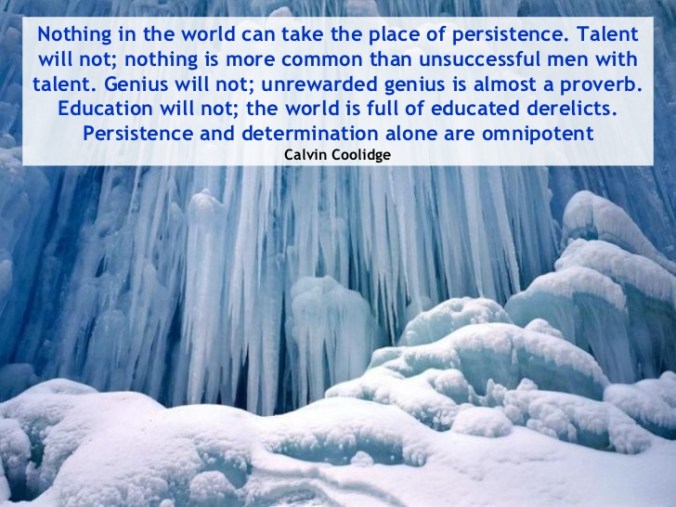
Then I started work on a novel and my publications list dried up. I was still writing but I’d forgotten I was supposed to submit stories as well. It felt like my beginner’s luck had dried up. I was yet to learn that the trick is to keep submitting anyway. Persistence is the key. Write, write, write. Submit, submit, submit!
Which brings me to THE 10 POINT PLAN!
My writing buddy Fiona Robertson first told me about the 10 Point Plan a few years ago, when I’d let my submissions dribble to just about nothing as I focused on full length works. She’d heard about it from someone at her writers’ group, who’d heard about it from someone else, and so on. If anyone knows who actually thought of it, please let me know because I’d like to give them the credit and thank them.
It goes like this.
Aim to have at least 10 points out in submissions at any time and you will inevitably get published. It may not happen straight away but keep on writing, redrafting and sending those stories out and I promise you that sooner or later IT WILL HAPPEN!
1 Point per story or essay/article/pitch.
3 Points per full length work or grant application
However, I’d still aim for 10 points worth of short pieces out at the same time, because they’re easier and those small wins feel really great.
If you’re starting out, it will take time to amass the number of pieces you need to have them to submit, but it’s a great motivator to do so. If you’re writing something longer, like a full-length memoir or a novel, think about whether there are sections you can excerpt and edit to create fully self-contained pieces.
A lot of journals and competitions these days ask you to either subscribe to their publication or pay a hefty entry fee. If you’re flash with cash go right ahead – it’s great to support small presses and literary journals. However, there are still places you can submit stories at a low cost or even for free. These are my favourites. Some journals will allow simultaneous submissions – this means submitting your story to other journals at the same time, but always check each publications requirements.

Keep an eye out in the Opportunities sections of your local writers’ centre and join online writing communities that share publishing opportunities and competitions. I belong to several and select the best of these to share with my writing friends.
If you’d like to be kept in the loop, join my writing gang HERE.
The 10 point plan keeps me on my game and makes sure I’m submitting stories, redrafting and resubmitting and best of all creating new content to send out – that’s the fun part. I write down everything I submit in a special hardcover book I keep at my desk and record when I sent it, and also when I should expect to hear back.
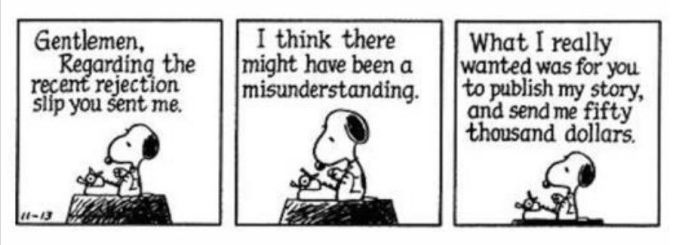
When I get a rejection, I cross it out – sometimes if I’m very disappointed, with lots of thick black scribble. Rejections aren’t personal, they’re stepping stones to success, I remind myself.
And sometimes I get a big fat glorious YES! When that happens, I highlight my entry in pink, draw stars all around it and dance like a happy fool.

Those emails you get accepting your work for publication are worth framing – well at least worth printing out and sticking to your wall for a while. Even the good rejections that come with a personal comment about how close you got, with advice on redrafting and asking for other stories feel like wins. And they are.
So hop to it and start submitting today. Think of it as a lottery. The more entries you have the better the odds.
I’ve just hit my 10 points for this year. How many points do you have out?
If you’d like to be kept in the loop about competitions and journals to submit to plus also get writing hints and tips, join up HERE to become a part of my writing community. I’ll do my best to help you succeed in your dreams to get published.
GOOD LUCK with all those submissions!
Lots of love
Edwina xx



 Edwina Shaw