Is this you? Scribbling away on your story surrounded by books? Photo by Maria Maria Acha-Kutscher from Womankind magazine
Uta Hagen, an acting coach, came up with the following approach for actors, based on the Stanislavski method of inhabiting characters, which we can apply to our writing. As in my recent freaky character exercise where we imagine ourselves being in our characters’ bodies, this time too we’re getting right into the character’s mindset, but also thinking about their place in the entire story.
Whatever stage you’re at in your story, and whether it’s fiction, or memoir, ask yourself:
What is the story about? What is it really about? Answering this pair of questions seven times will help you drill right down to the key message or themes at the heart of your story.
Another great photo from Maria Maria Acha-Kutscher.
What is the tone/genre of the story? Are you writing a light-hearted rom-com, or a dark supernatural thriller? Even if you know your genre – drill down deeper to find the right tone. EG: you can have a quaint historical murder mystery, or a grim political murder mystery. Once you have this clearly in your mind, apply it to your story throughout.
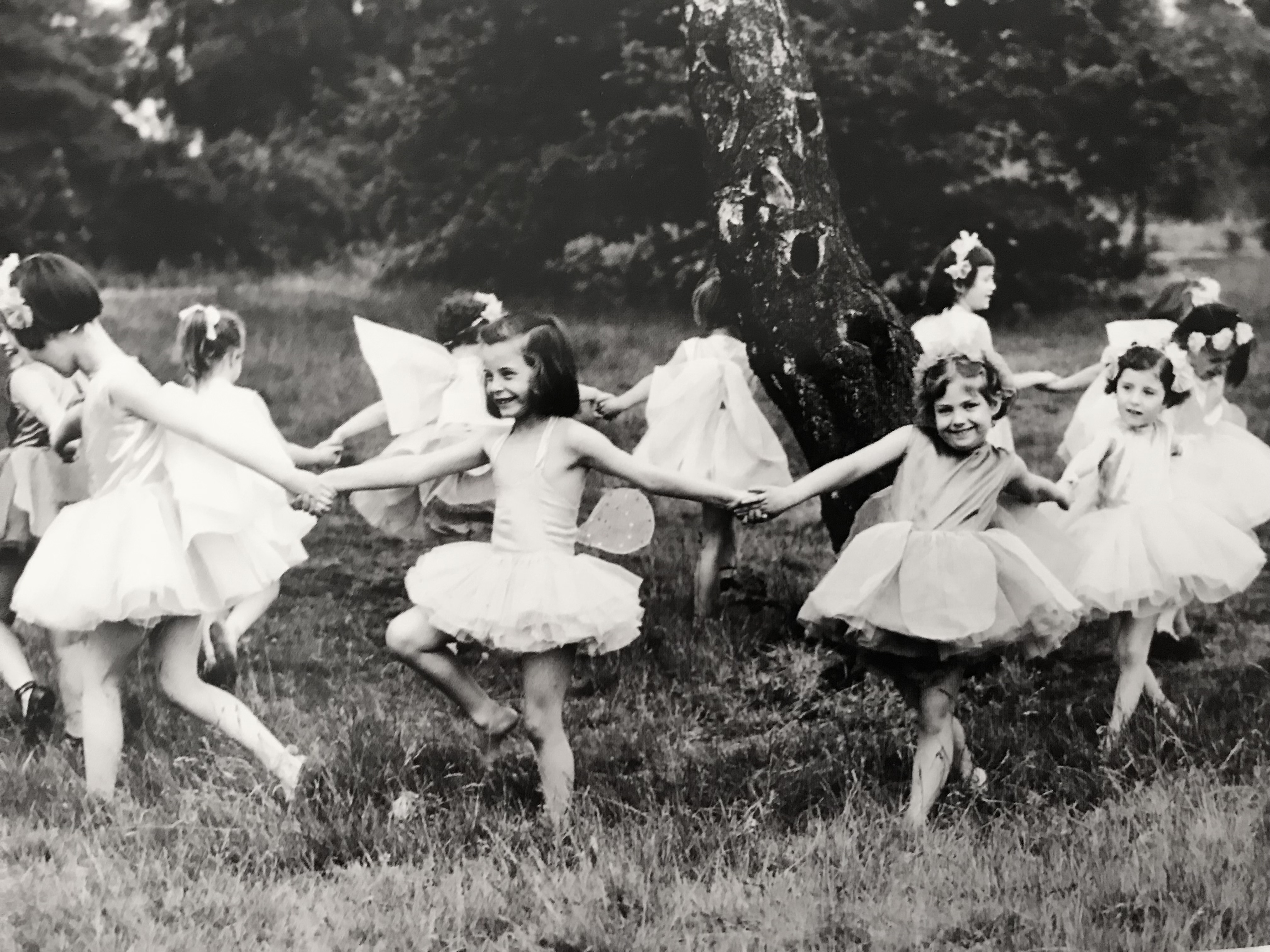
Depending on your tone or genre this tree could be a spooky evil spirit, or a kooky frog-like friend.
Whose story is it? Which character is your protagonist? Even if you have multiple protagonists, one character will have a little more power than the others. See my article on managing point of view for more on this. This character’s journey through the story is the most important.
What are the basic circumstances of the story (what has happened to the character, what is happening, and what will happen)? Remember your character must ACT! Action and movement, and character changes are not-negotiable if you want to write a story people will want to read.
What does your character want? What is your character’s main story goal? To save the world? To find her daughter? To become a movie star? What is the outward goal, manifested in the physical world?
What does your character need? What is their emotional or spiritual goal? On a deeper level, what is this character really yearning for. Often their physical goal will not bring them this. What will?
How does your character change? What is their story arc? How do they learn and grow through the story? How can you show them overcoming their fears or weaknesses, and transforming them into strengths?
What is the main conflict of the story? Put simply, what opposition is there to the character’s goals – both their conscious and sub-conscious goals. See Suspense = Hope + Fear for more on this.
What is at stake? If the character fails to achieve their goals, what’s the worst that can happen? It doesn’t have to be the whole world blowing up, but it does need to feel like that for your character. If they don’t destroy the comet the world will explode. If she doesn’t find her daughter, she’ll forever be heartbroken. If he doesn’t come out, he’ll live his whole life as a lie.
Nutting the answers to these questions out before you start in can really help you narrow your focus and concentrate on what is most important to get across in your writing.
But really you can apply these questions at any stage of writing, second draft, half way through, 10 000 words in. Make sure there’s enough at stake and that you’re continually moving your reader between the hope that the character will achieve their goals and be happy, or the fear that they will fail and everything will be ruined forever. Make sure your character is taking action, not just reacting and make sure that no matter how good their intentions, sometimes these actions backfire and make everything worse!
So, who IS telling your story? Whether you’re writing memoir, fiction or screenplay, you need to make important decisions about which characters you’re going to give a voice.
WHO IS YOUR PROTAGONIST?
Who is the main character in your story?
If you’re writing memoir, even though many writers try to avoid it, YOU are the main character.
If you’re writing fiction you need to decide whose story is propelling the overarching narrative – that character’s goals and battles to achieve them is what drives the story forward. They are your protagonist.
If you have multiple protagonists, one character must have slightly more say than the others – this is the character who begins and ends the story. Other voices can be almost as strong but the protagonist has the final say. In my book Thrill Seekers I have three protagonists, Brian, his younger brother Douggie, and Beck, their friend. Because it is Brian’s goal – to protect his brother – that propels the entire narrative, he is the protagonist. He has the first chapter and the last. So think carefully if you’re dealing with multiple character voices and decide which one is the main driving force.
If you’re not sure about who your main character is, ask yourself “WHO HAS THE MOST TO LOSE?”
HOW WILL YOU GIVE VOICE TO THESE CHARACTERS?
If you’re writing memoir, mostly you will need to write in first person, and learn to embrace sentences starting with “I” or learn to cleverly avoid doing so. However, you will also need to include a reflective voice that I like to call, “Wise you now”, between the scenes bringing to life the past, staring “previous you”. You could write the scenes from the past in past tense first person and the reflective sections in first person present tense, or past tense too, depending on how you feel about present tense.
Fiction can also be written in first person, past or present tense, but managing multiple voices like this can be tricky. Thrill Seekers is written this way, each character is in first person present tense. My Cambodian novel, Child of Fortune has two main characters – an Australian traveller and a Khmer survivor of the Pol Pot regime. Both of these women are written in first person, past tense. These days however, due to the Own Voice movement, I would recommend writing characters from other cultures only in third person. I also advise against having only two main characters given voice. This is difficult to manage and becomes a tennis match with one character often overpowering the other. To remedy this, add a third character voice to bring more balance, a plait rather than a ping pong match back and forth.
Most popular in modern fiction is writing in closed third person, past tense. This is the simplest way to manage multiple protagonists. In closed third person, you write using he, she or they in separate chapters that alternate. This method allows for multiple viewpoints and clashing perspectives that has lots of scope for adding interest to your story. However, with closed third person, as with first person, you are confined to what that character has seen and heard and cannot stray outside this perspective.
My latest story, “Shadowman” (Dear Madman in a different incarnation) a literary true crime memoir/novel hybrid, is told in three alternating sections in three different perspectives. The first section is the first-person voice of “the writer”, the second voice is the Shadowman – also in first person. The third section is told in omniscient third person, with the voices of multiple characters, members of the Williams family. Omniscient voice is the “God” voice, enabling the writer to move between character’s points of view within chapters, though I keep them in separate scenes. Modern audiences find this voice confusing, and I must say I found it difficult to manage as well, though I got there in the end.
You can choose to write a character in second person too – the “you” voice – but eventually it becomes synonymous with first person, so is best left to short stories or short sections within your longer piece. It can be used effectively in memoir to give another’s perspective, eg You didn’t say anything. You walked away.
MANAGING POINT OF VIEW
Now you have chosen your POV characters and the voices you will use and how you will animate them, you need to establish the structure and the voices you want within the first section of your book. If you have three POV characters, and you want these voices to interweave (not have separate sections of the whole book – eg Part 1 – Anne, Part 2 – Bob, Part 3 – Grace) you need to set this up right from the start.
For example, Shadowman starts with a chapter from the writer, which establishers her as the main protagonist. The second strand belongs to the Shadowman, and the third strand is the omniscient voices of the family. All three voices have a chapter within the first 10 pages. This lets the reader know what’s going on, who is telling the story, and the pattern to expect right from the start.
AVOID INTRODUCING NEW POV CHARACTERS AFTER THE FIRST ACT
All rules are made to be broken and you can find many examples of characters joining the fray in the second act, or even third, but it is best to avoid doing this. Set up your POV characters in those first 10 pages and then stick with these characters all the way to the end – well one or two may get knocked off!
Avoid introducing new POV characters after act one, this only confuses readers. If you want to bring in a twist that introduces this new POV character, then at least foreshadow this possibility in the first act. Give us a hint that this may happen, mention their name, make them a part of the story in some way, even if they aren’t yet in the action.
Point of view is important to establish early, so the reader knows which characters they are following. Introduce important characters first up so we know whose side we’re on. Keep the number of characters manageable or add a glossary. But who wants to be checking a glossary all the time – except maybe Tolkien fans!
And if you’re writing short stories keep the number of characters low. The lower the wordcount, the lower the character count.
Introduce all characters and the way you will be telling their side of the story early. If you’re a new writer, stick to one voice, at least to start with. If you want to include other voices, closed third person in alternating chapters is easiest to manage, but all this needs to be set up right from the start. Build trust with your reader by showing them your plan and sticking with that plan.
No randoms! No slipping between points of view without intention. Flag all changes in point of view so we know they’re intentional.
Image by Jana Shannon.
Managing POV can be tricky, so think about it before you rush in, and have a rough plan about how you think it will work. It can be lots of fun writing in a few different voices, but make sure they are balanced, that they are each different and that your one main character has first say and the final word.








 Edwina Shaw