How many drafts it takes to get your story to publishable standard?
As many as it takes!
One thing I know for sure after over two decades in the business as both writer and editor is that it is never just one!
If you’ve just written “The End”, congratulations on finishing your first draft. Books are huge projects that often take years of dedicated work. This can be less if you are writing genre fiction with established characters and story world, but if you want to make a work of heart-aching beauty, then it will take time.

The very messy first draft of 49 is a Dangerous Age! with some feedback from Vahida and my own scribbles!
Many new writers reach the end of their first draft, write “The End” and think they’re done. And of course, completing a first draft is an important and huge achievement. But it is not really the end. In fact, it’s more like the beginning. Sorry!
When you write the first draft, you’re creating the stone from which you will carve your beautiful piece of art. My old writing teacher, Amanda Lohrey, used to say the first draft was all about “excavating”. You are mining your life, your imagination, the story, for every little bit you as the writer need to know to create the book. But like a mine site, the excavation pile is a big ungainly mess – maybe a little less of a mess if you’re a meticulous planner, but it’s certainly not the polished gold or intricately cut diamond we envision as the final product.

A writing friend of mine, multi-award winning, published author, Kris Kneen, recently posted about cutting her first draft of over 100 000 words down to 30 000 for draft two. Yes, it’s true. Even a highly respected and experienced writer like Kris! But don’t worry. No writing is ever wasted because every word is necessary to bring us a thorough knowledge of the story and what it will become.
Many of my manuscripts have also been through the same procedure. The first draft was big and baggy, over 100 000 messy words, which then got chopped right down to a third of its original size after rethinking and discovering what the story was really about. If you can think through your plot a little before you start writing, you may be able to keep more of that first draft. But leave your mind and heart open to letting the book become what it wants to be. Each book has its own process and path. Trust in the drafting process to bring that book to life.

Here are some general guidelines about the drafting process. These are not hard and fast rules, but don’t send anything out to publishers/agents or competitions or self-publish without doing at least three drafts, two of your own and one with input from another writer.

Find a writing buddy to share the ride – read and give feedback on each other’s work like Alina and Jen!
DRAFTING PROCESS:
- Draft 1 – excavating the story, everything goes in, go off on tangents, let characters have their way. Make a big, baggy, messy – keep writing forward till you reach the end. CELEBRATE ! Put the draft away and don’t look at it for at least a few weeks.
- Draft 2 – get out draft one, and read through it carefully. I like to print it out at this stage and read in hard copy, circling bits that are working, scribbling in the margins for possible additions, crossing out all those long boring stretches of introspection or repetition. Cut at LEAST 10 %. Then sit down and ask yourself, “What is this story about? What is it really about?” Once you know, write yourself a list of changes, possible new scenes, perhaps a whole new plan and start again. Yes, you’ll be doing a lot of new writing – but this time it will be more focused. That’s Draft 2. When it’s done – CELEBRATE! Draft 2 is the toughest and now you’ve done it.
- Draft 3 – once you’re happy with the latest draft send it to a writing friend or a professional structural editor/manuscript assessor. You can send it to more than one, but don’t overwhelm yourself. Three is a good number. When you receive their feedback, thank them, then sit with their responses for a while. Your gut will tell you what is right for you. Then go back through and redraft according to the feedback and do a thorough copy edit looking closely at every sentence as you go. Editor Judith Lukin-Amundsen once told me to cut the first and last sentence of every paragraph. Before you run wailing to the hills, you don’t actually have to do this. But do look closely at every paragraph, every sentence, every word. Does it need to be there?
Once you’ve done that draft you can start looking at sending to potential publishers, agents, competitions or other publishing pathways.

This process can be repeated multiple times – except the first draft, you only get to do that freewheeling fun once. The rethinking, getting feedback and redrafting can be done over and over again. Sometimes I feel as if I’ve done thousands of drafts of a story or scene – but I am prone to exaggeration!
How do we know when the MS is ready?
A good sign for me is when I feel sick at the thought of redrafting anymore or when I’m afraid I’ll make it worse instead of better, and most of all when the feedback I’m receiving from writing friends is consistently positive. Friends and family members who aren’t writers don’t count, they’ll just tell you it’s “jolly good” or dismiss it because they don’t understand the work of each sentence. Find writing buddies whose writing you respect. People with experience who know the craft of creating good stories.

Don’t make the mistake I did early in my career of sending out uncooked manuscripts, fresh from draft one with a redraft checking the spelling. No no no! Give your story the best possible chance in this competitive marketplace by polishing it until it shines.
For more tips on self-editing SEE HERE and HERE.
GOOD LUCK with the next draft! Let me know how you go.
And wish me luck with Draft Two of “49 is a Dangerous Age” my coming of middle-age comedy. Gearing up to tackle that over the festive season!

As many drafts as there are mushrooms!
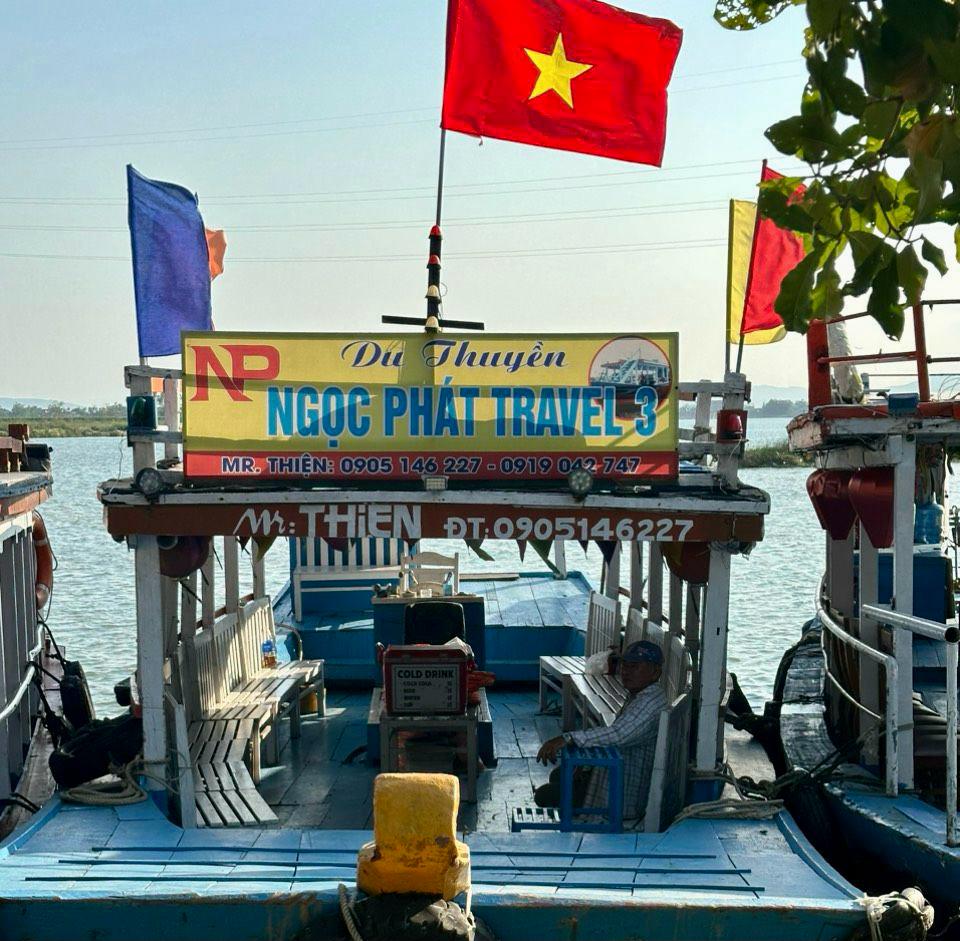
In other news we have only 2 ROOMS LEFT for our Heavenly Hoi An Writing Retreat – February 10 – 16/2025. Beautiful private rooms sharing a deluxe bungalow on the river with your own living spaces, including outdoor area plus kitchen and shared bathroom. NOW $500 off for our Black Friday sale! All the info HERE. Bring your writing buddy or come on your own and share with a new writing friend who’ll become a buddy! Come and join us for a comprehensive writing course in a beautiful location. Small group so you’ll get heaps of individual attention and feedback. Great Xmas present for yourself! We always have a wonderful time!
Lots of love,
Edwina 🙂 xx



















 Edwina Shaw