Retreataholics Write up a Storm! April Retreat Rundown

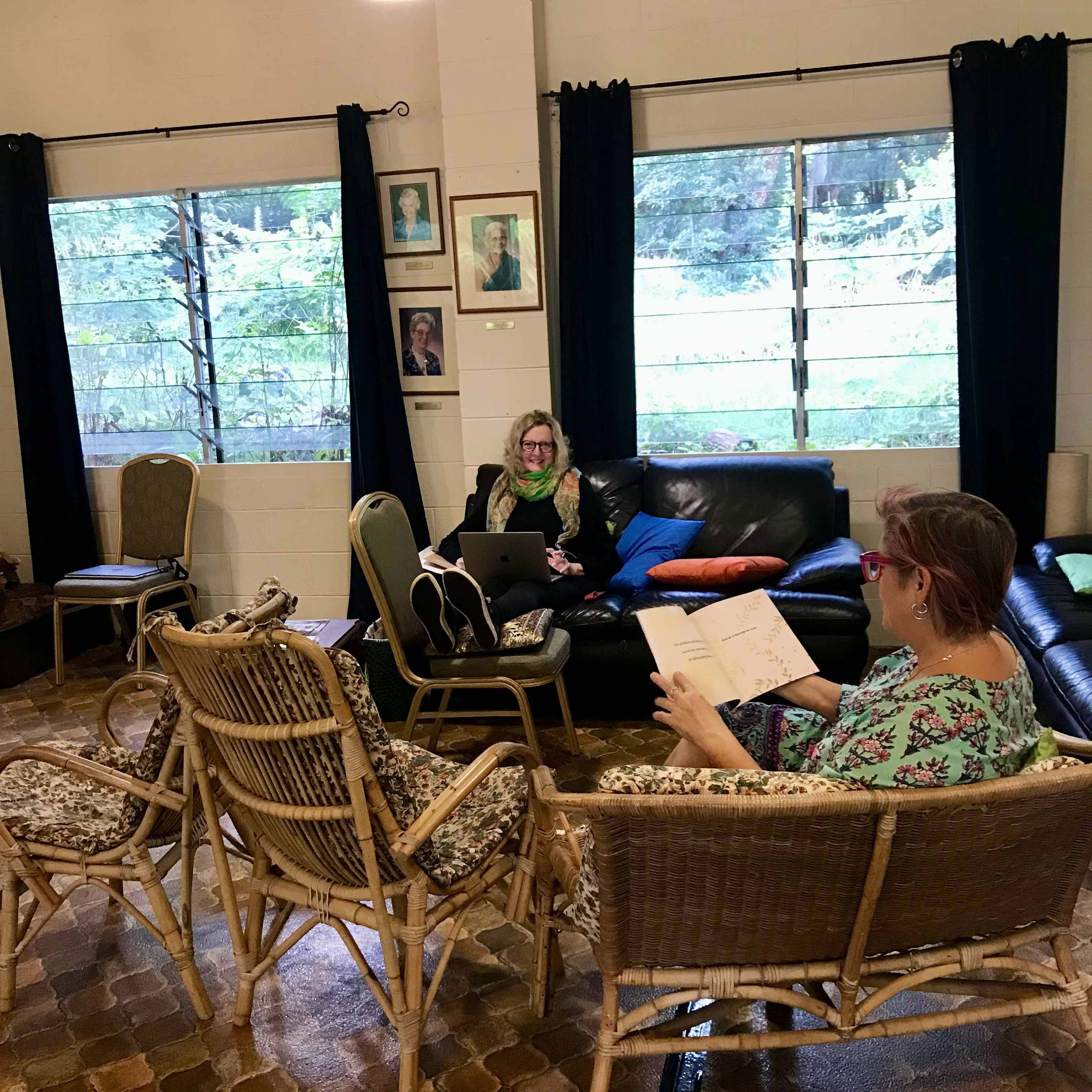
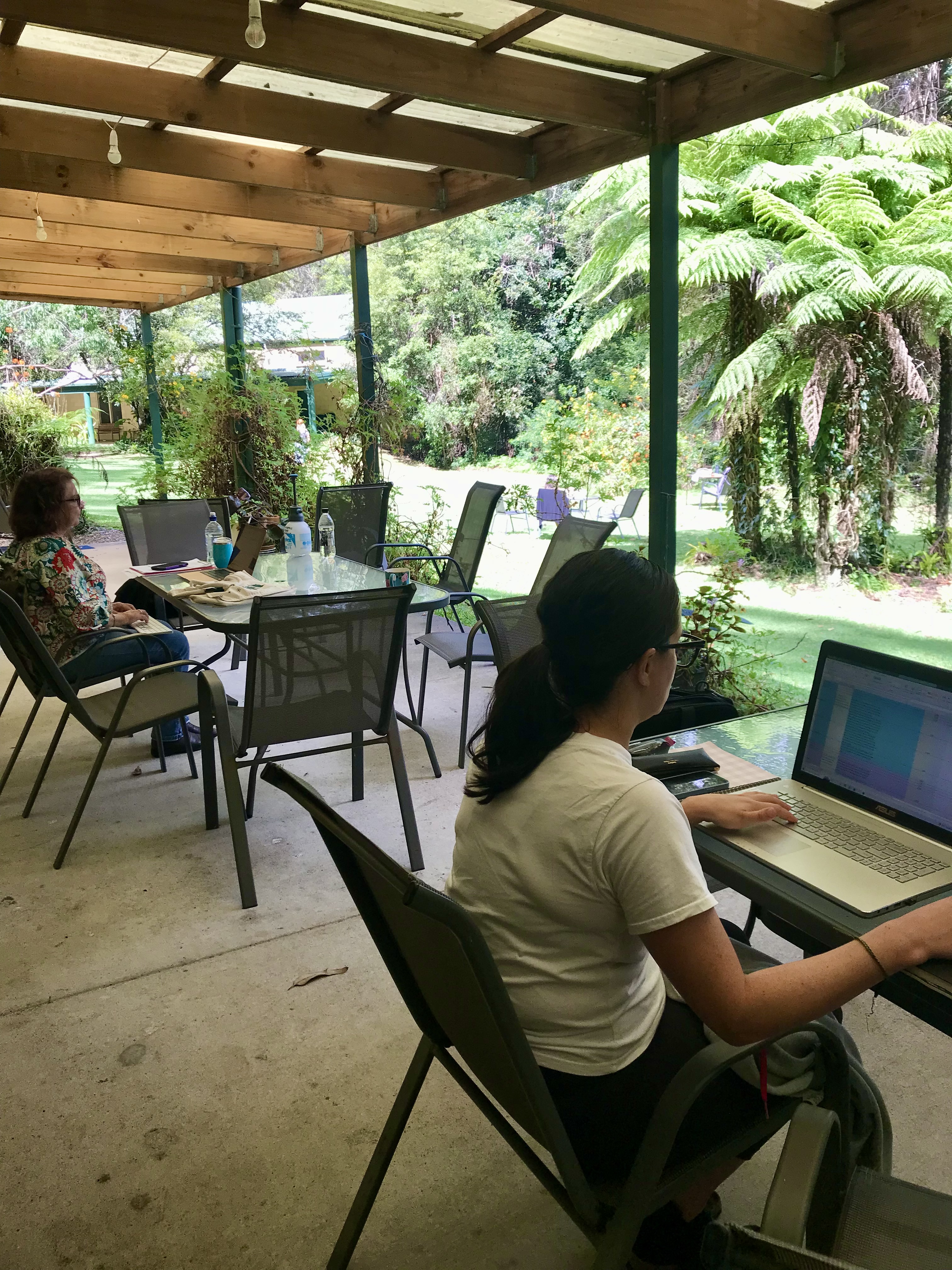
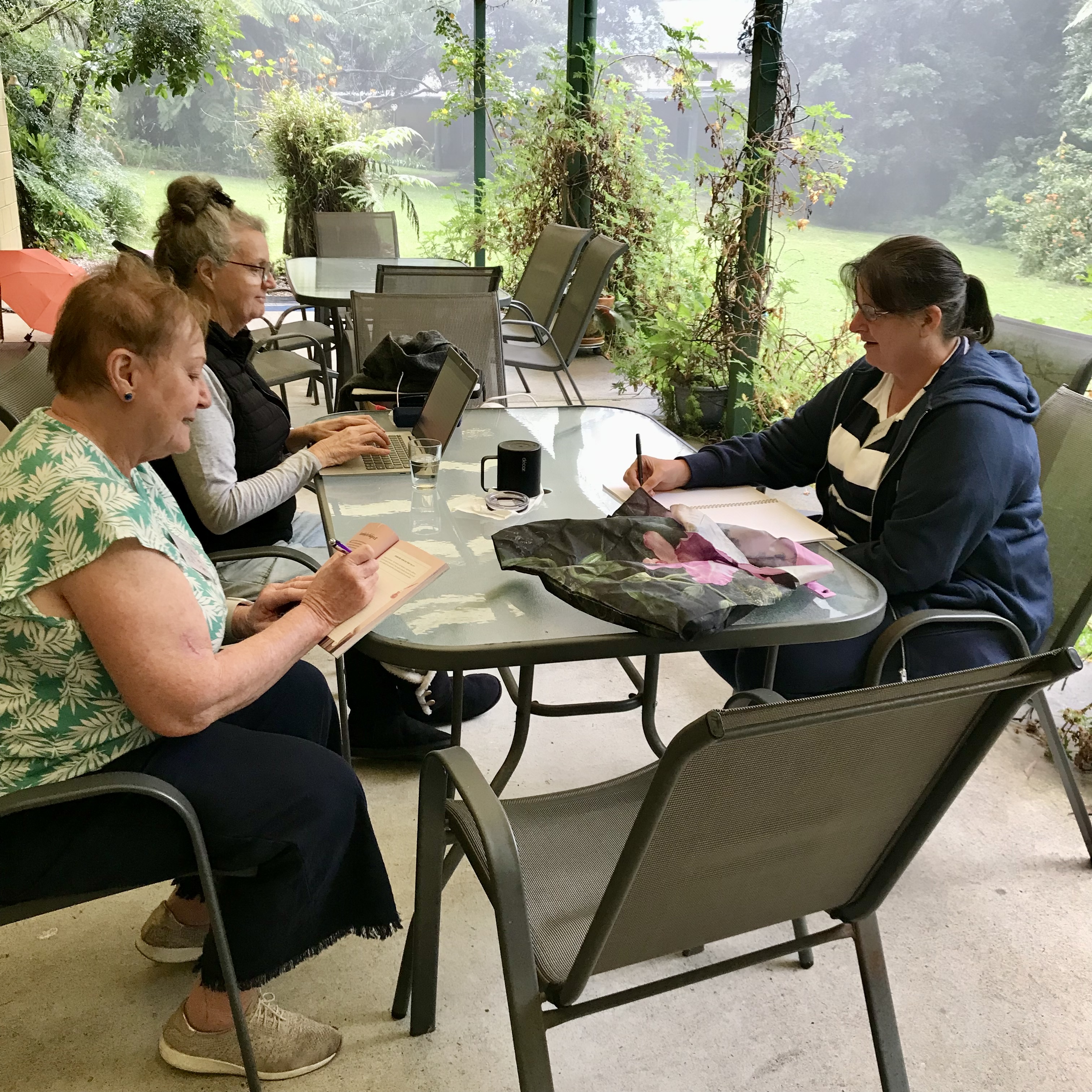
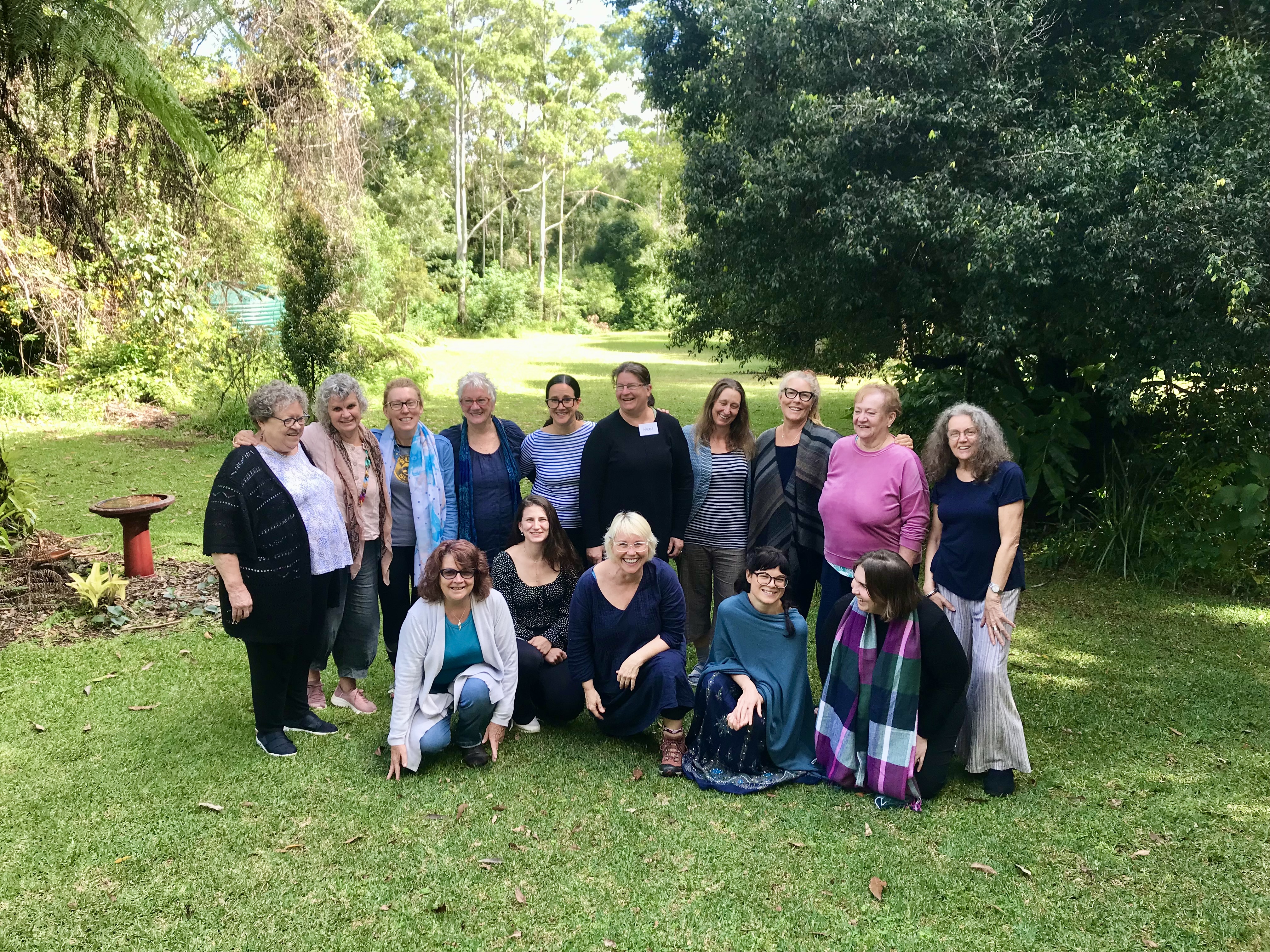
Our fabulous writing gang at the first ever Just Write Retreat, Springbrook April 4- 8 2024

Well this retreat had it all, pouring rain, pademelons, bursts of spectacular sunshine, bush walks, new friends, writing buddies, glowing fires and our new cosy “Gay’s Corner” for writing chats, feedback, workshops, ritual burnings in the sacrificial salad bowl, tarot readings, Persian love cakes, 4 am arrivals, leeches (YUCK!), fun and laughter and lots and lots of writing. Just watch them go!

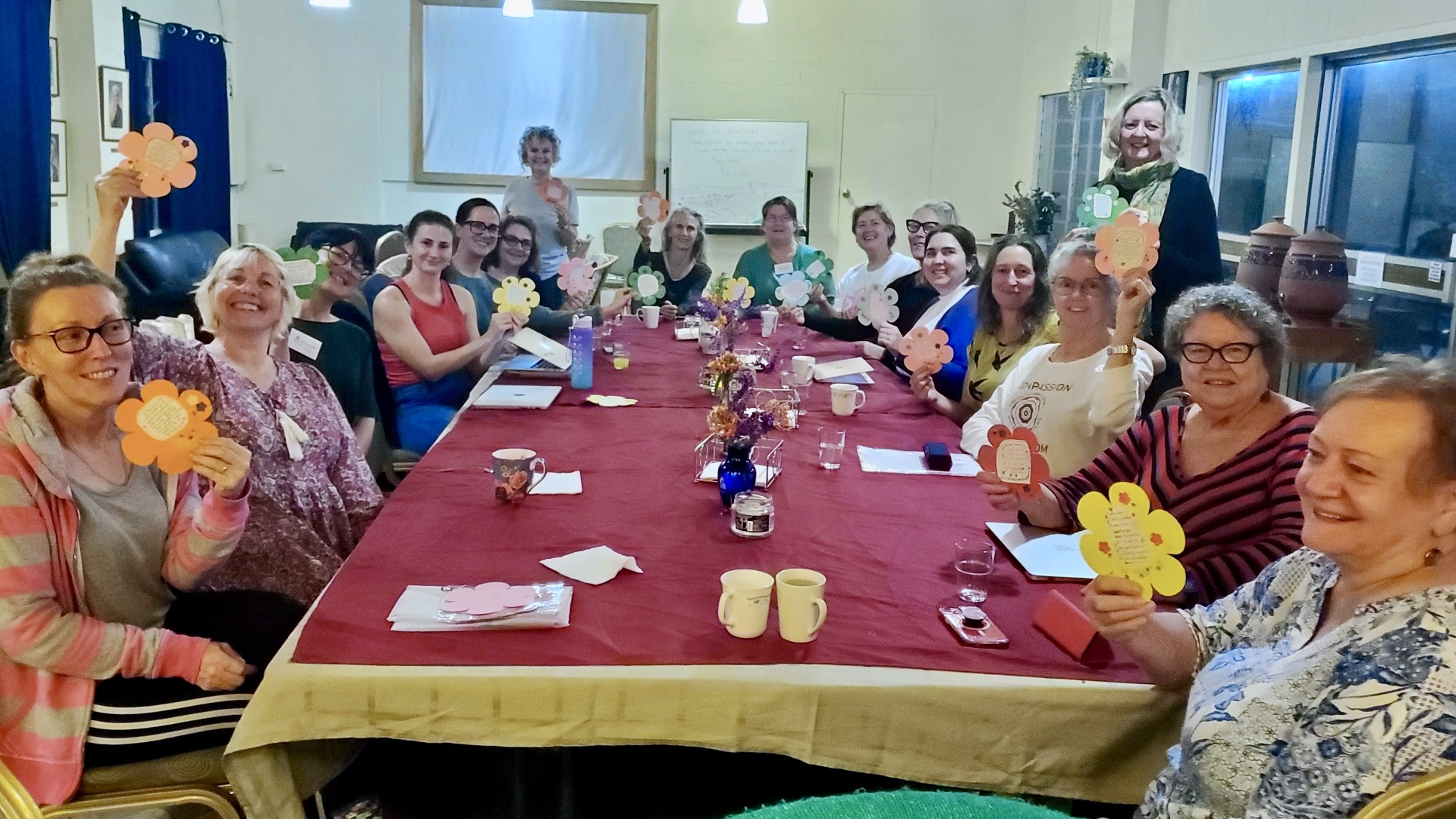
“A beautiful environment to share and inspire creativity and story.” Retreater Just Write April 2024

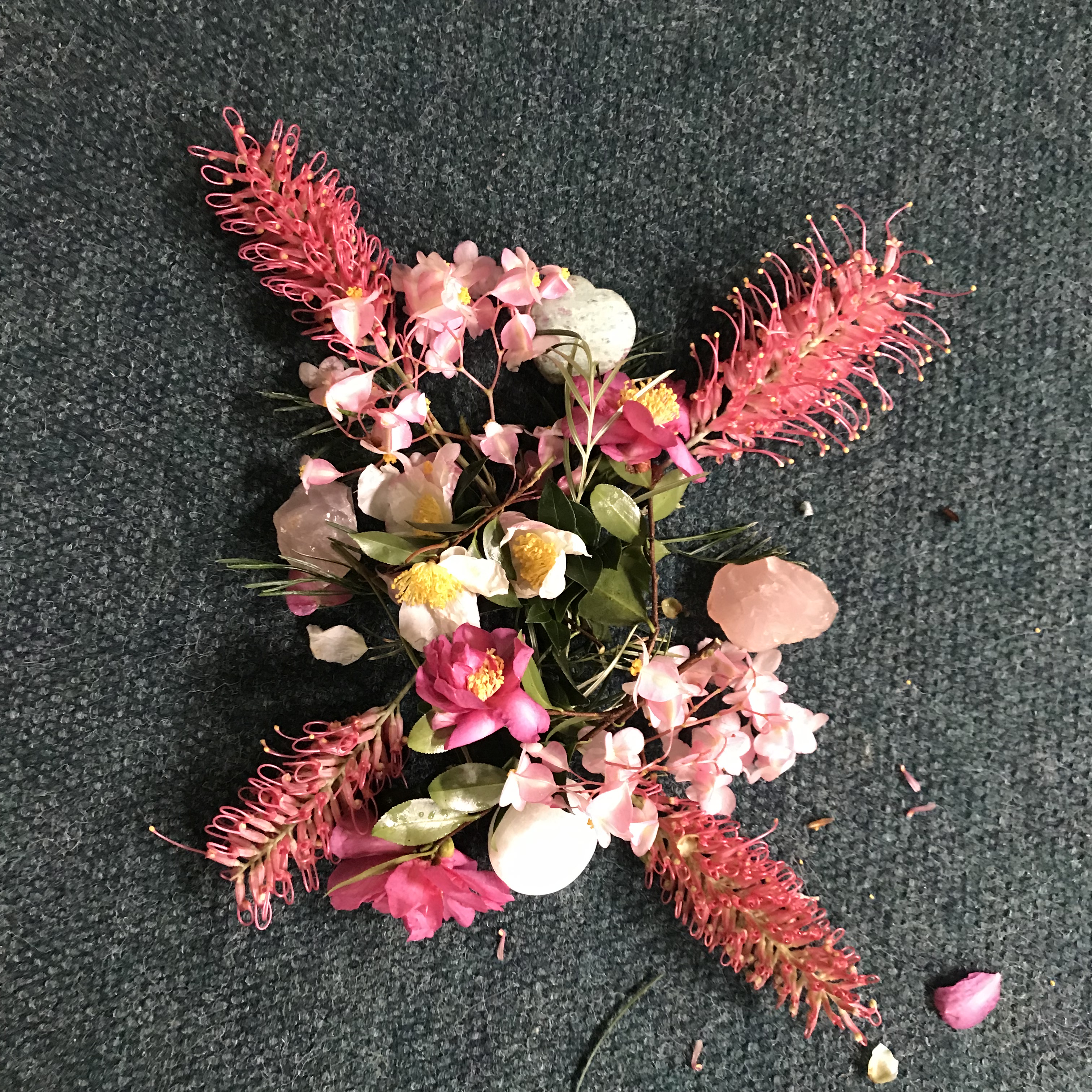
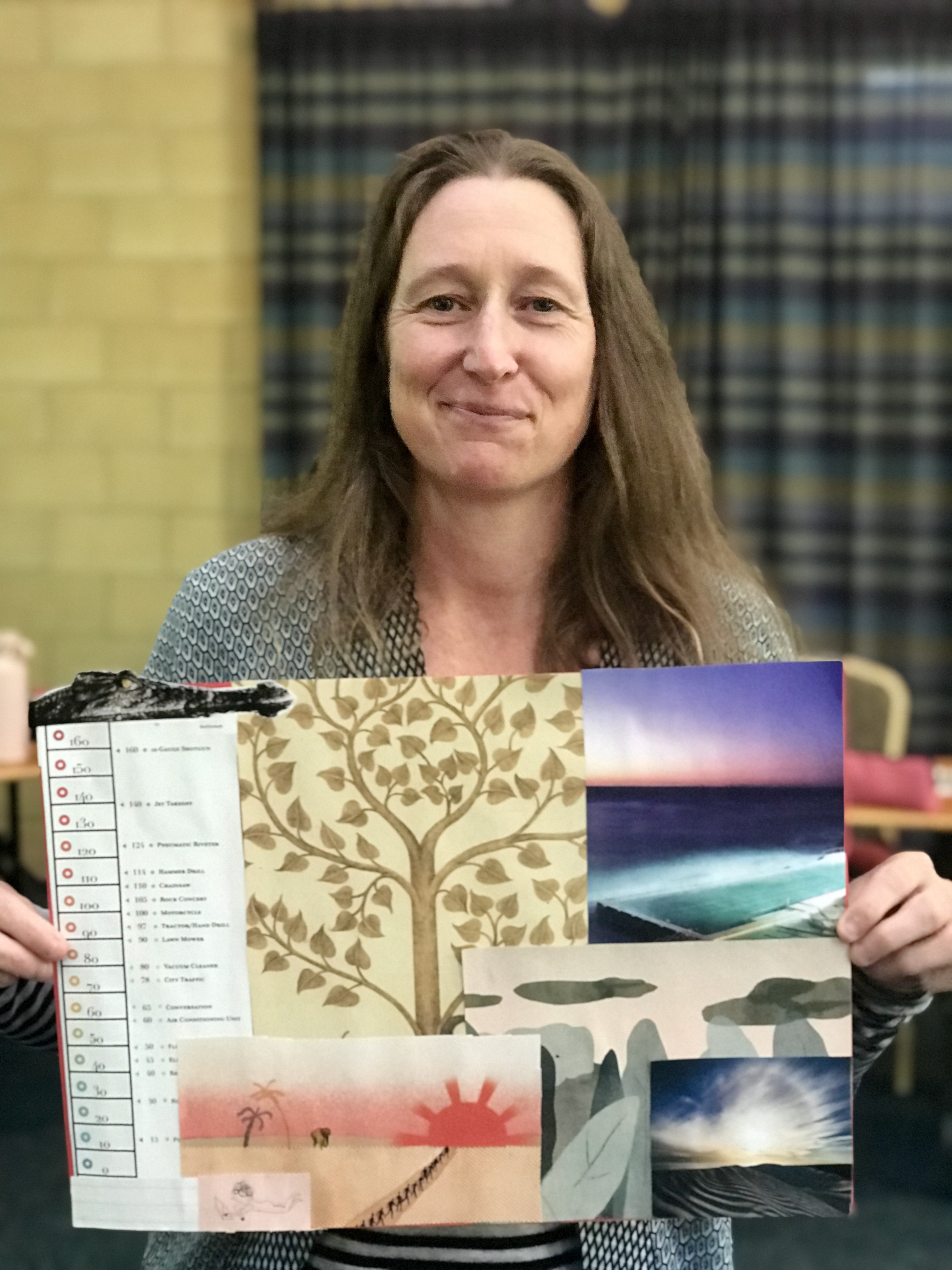
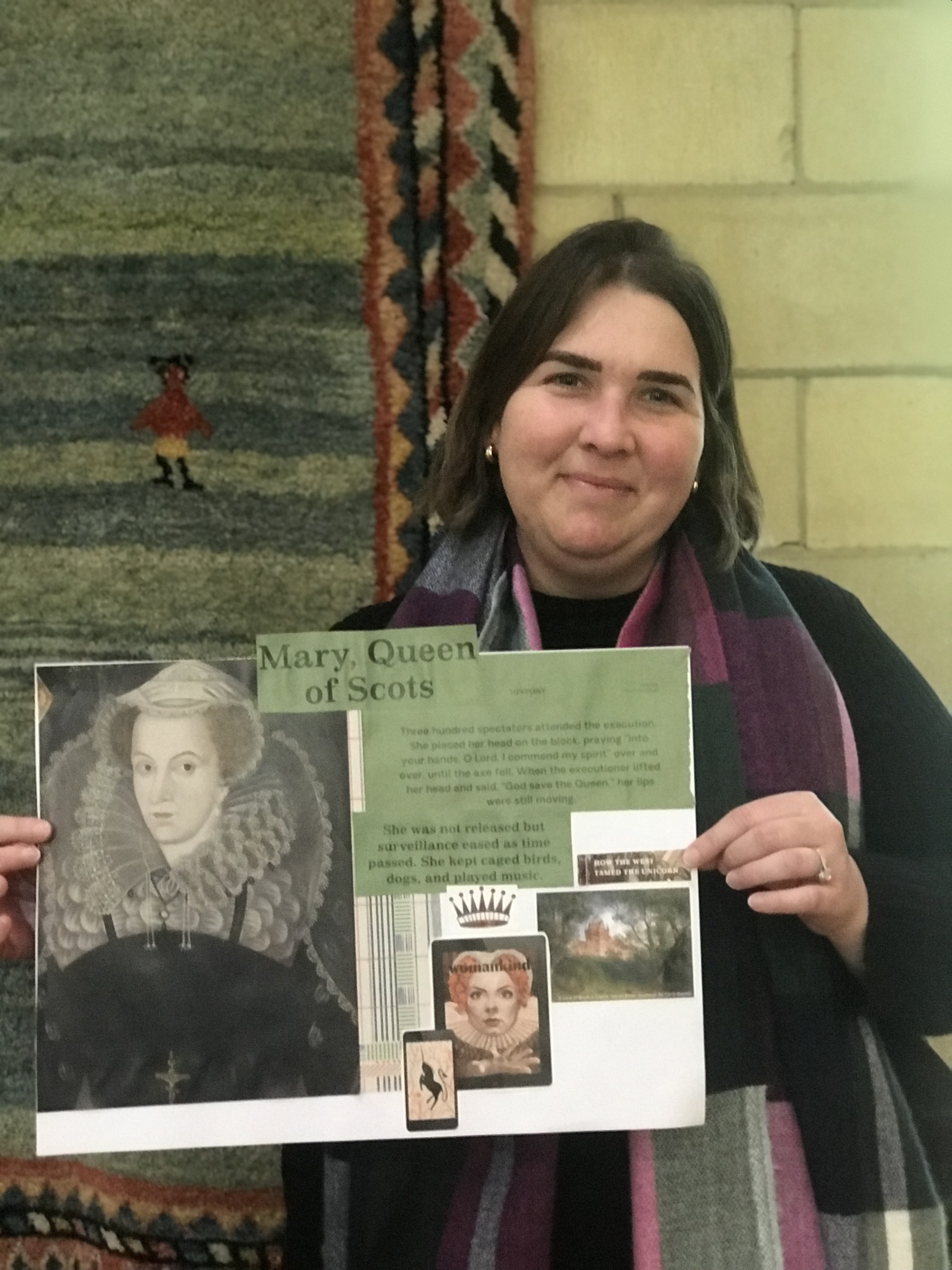
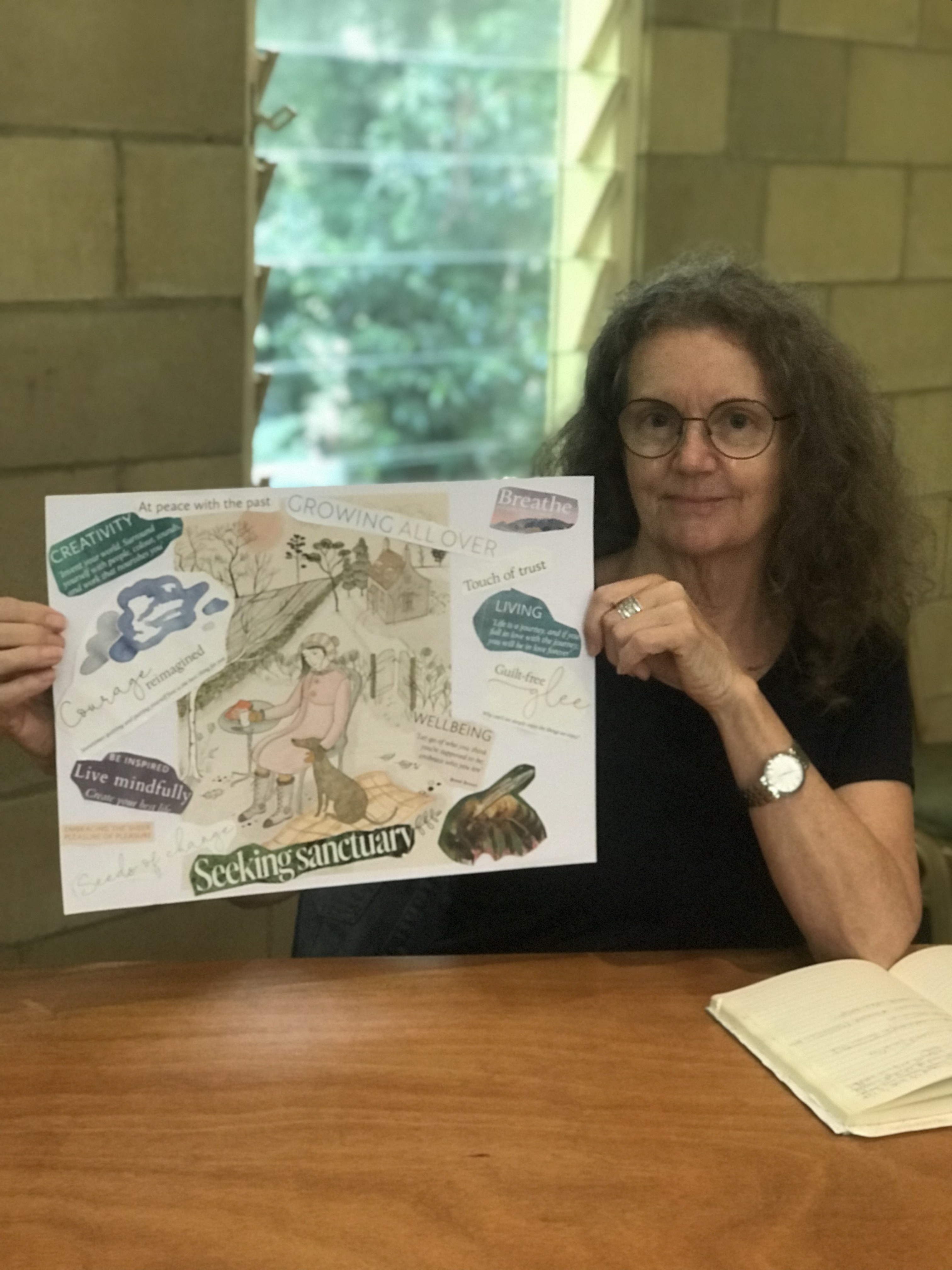
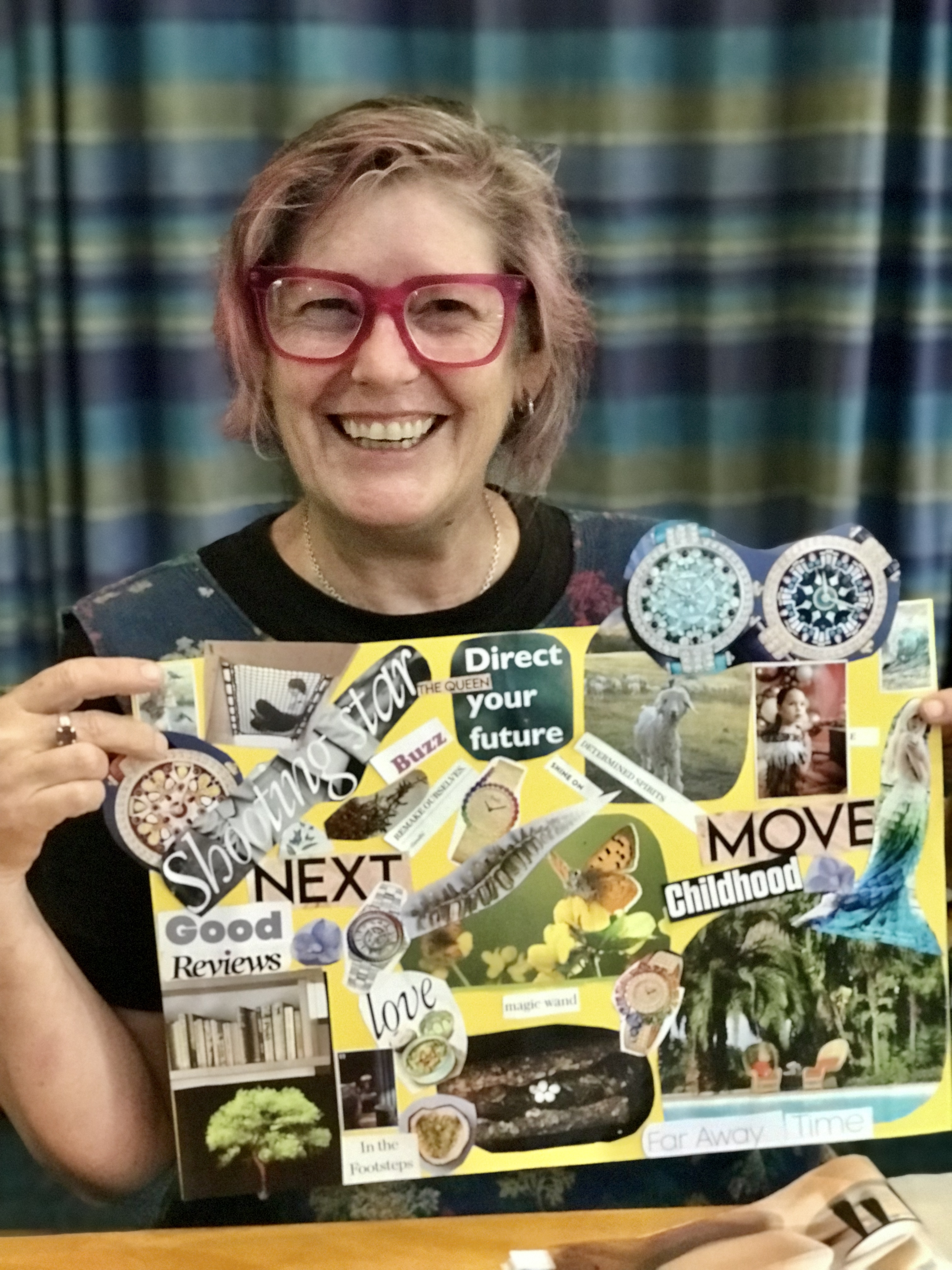
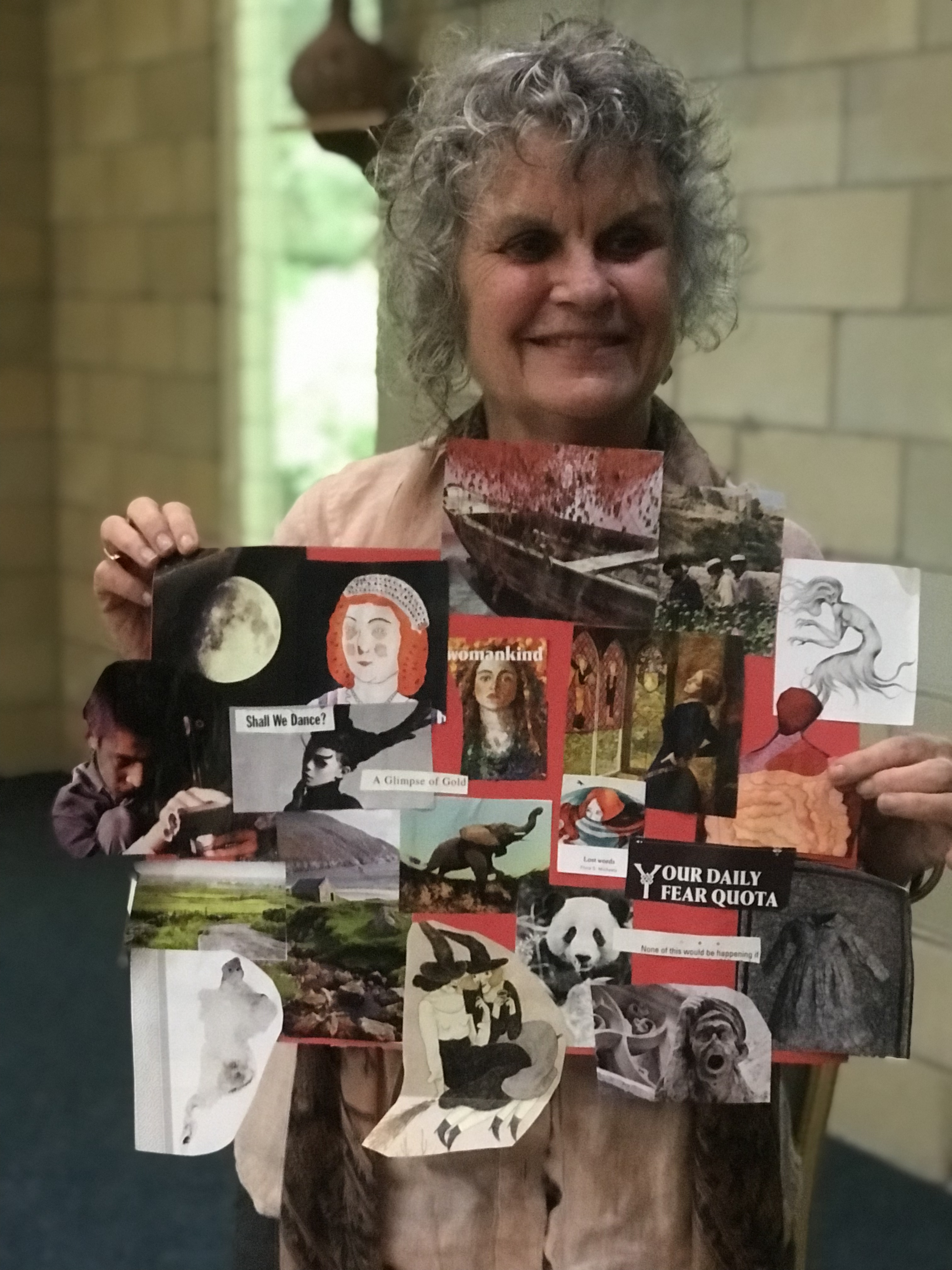
Repeat Retreaters far outnumbered newbies this time but by the end of the retreat it felt as if we’d all been friends since preschool. A new term has been coined, RETREATAHOLICS, for those who just can’t get enough of these special events bringing women writers together to be inspired and get their dream projects happening. We had impressive word counts rising higher ever day, complete newbies working their way through writing exercises at the rate of knots, more experienced writers sharing work and getting back on track with their labours of love, new ideas hatching, tarot readings, rituals to help free us from all we wanted to leave behind and collages to help usher in all the good stuff.

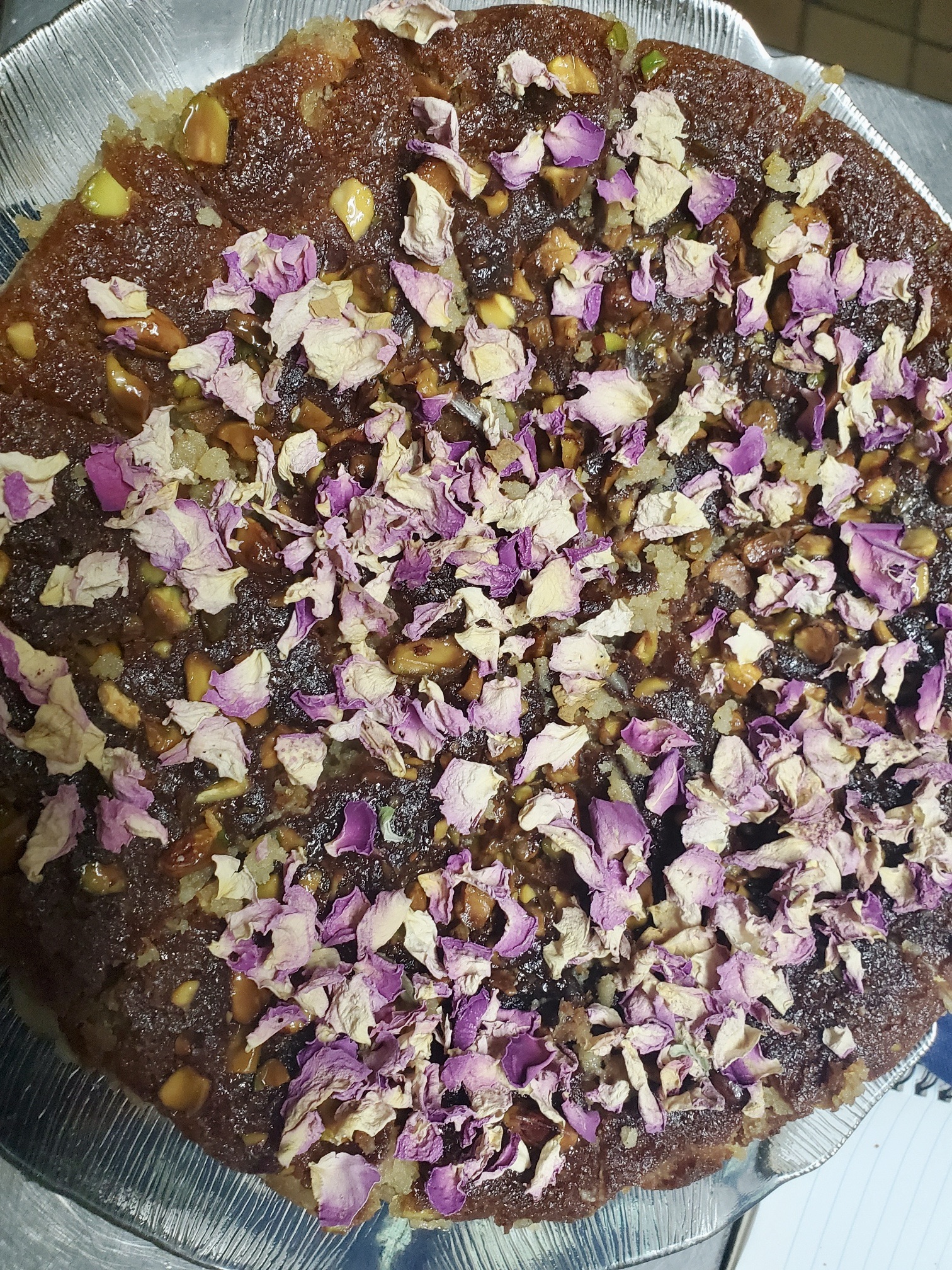
“A perfect opportunity to meet writing buddies to share and learn with in future. Practical tools enabled me to focus on specific writing goals and pursue my writing project. As well as food for the writing soul there were delicious wholesome home-cooked meals, and meditation and yoga which opened up spaces for writing.” Annie Kemp Retreater Just Write April 2024

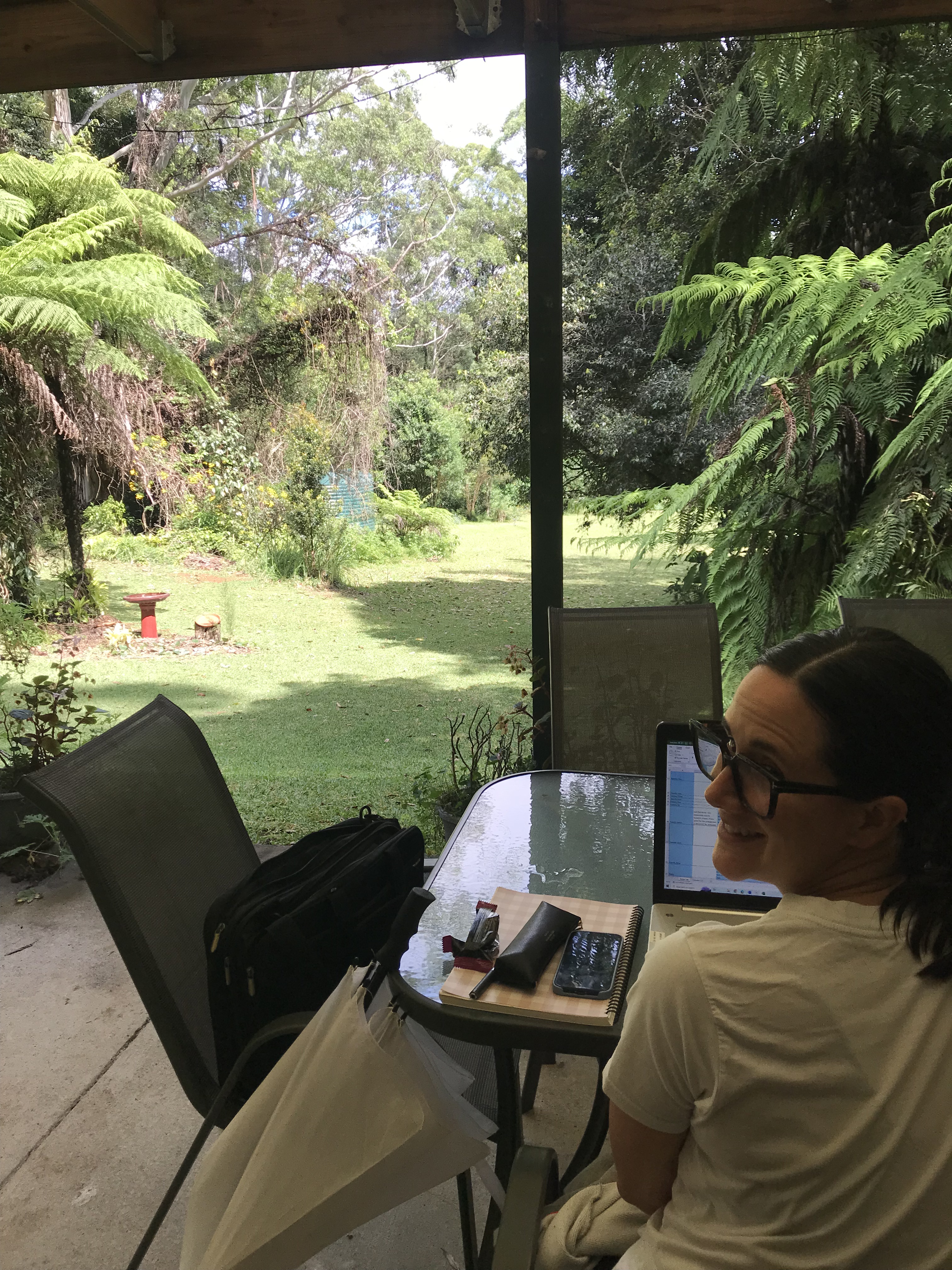
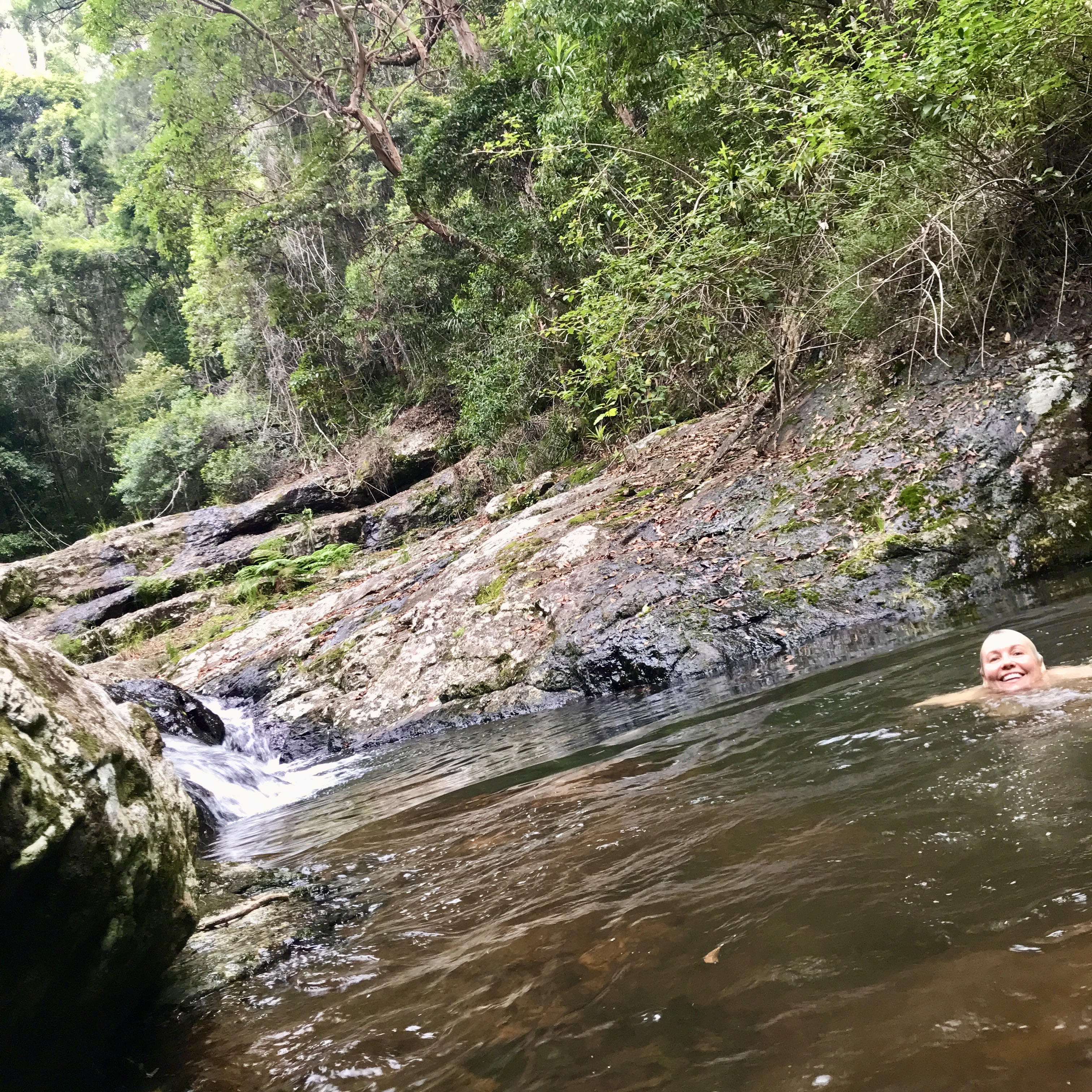
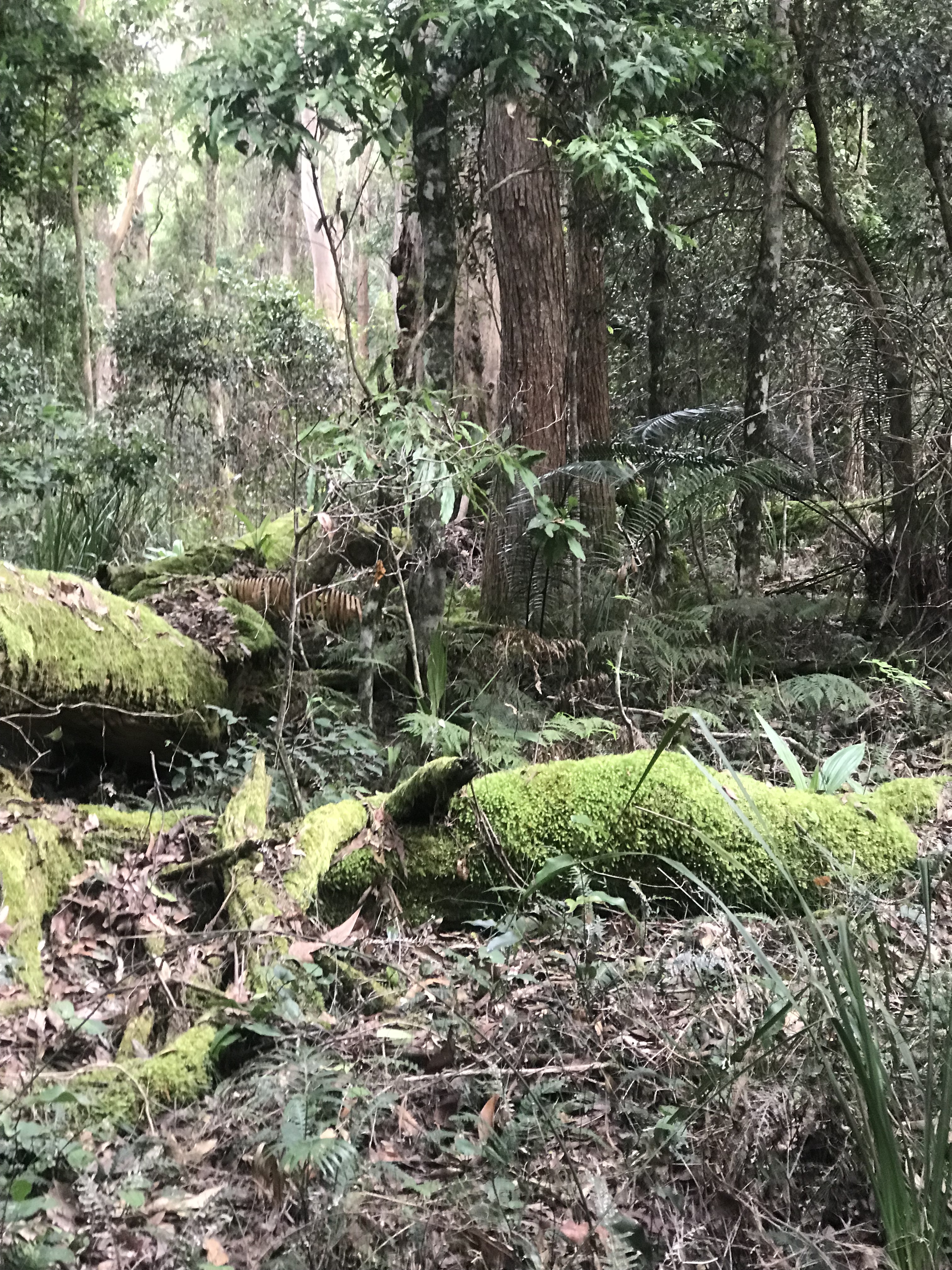
Four nights and five days of writing time in a glorious location, most of it raining, which as we know is perfect weather for writers and ducks. When the sun shone we were outside quick smart, sitting in the glorious gardens and exploring the protected forest and our nearby stream and 100 metre waterfall. The water was up, and before everyone arrived I snuck in a fabulous swim! So refreshing – cold water can work miracles!

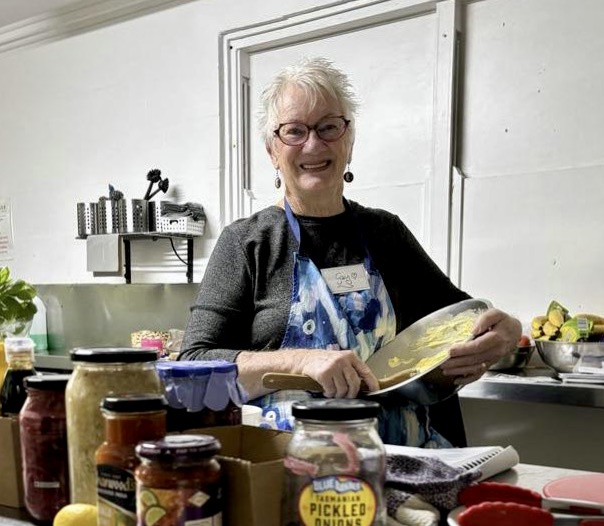
We feasted on, Chief Cookie and almost published author, Gay Liddington’s delicious homemade meals, with Annie’s scrumptious Persian Love Cake a special treat, and the vegetarian nachos and stuffed zucchinis making everyone’s favourites list. Gay makes everything from scratch and is the wicked Mummy in the kitchen taking care of us all and stuffing us to the gills. Coconut and almond cake? Macadamia Anzac cookies? Homemade baked beans and cheesy corn muffins? Walnut and veggie curry? Sound yummy? We’re going to have to do a new version of the retreat cookbook soon!

“How wonderful to be able to sit and write without the drama of preparing meals and cleaning up afterwards. The atmosphere was calm and nurturing and inspiring. All the women have a chance to read their work, showing parts of themselves. The tarot reading and massage were the cherry on top of a fabulous retreat” Sally Mansfield Retreater Just Write April 2024

The fire was glowing in the hall as writers typed or scribbled in notebooks, and our daily Q & A sessions with the brain trust provided lots of information and fuel for thought. With two lawyers in our troupe we had a very interesting discussion on ethics for memoirists. Every evening we had readings from whoever wanted to have a turn, discovering new and intriguing voices and stories. So proud of everyone for having a turn, it takes a lot of courage to share your work in progress, especially for newbies.
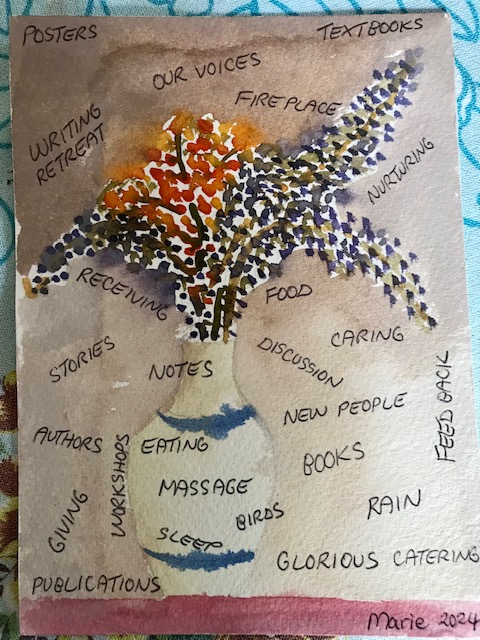
Artwork and words by Marie Seeman, First Time Retreater Just Write April 2024

As always, it is the women who come along to these retreats that make them so special. Women together nurture and support each other and I am so grateful for the lovely people who supported and looked after me as well as others in the group. Just love you girls! Some kind of magic is at work when we all come together. I love watching new writing friendships form, the sudden epiphanies that make a writing problem miraculously easy to solve, the new ideas that spring from random conversations and the total relaxation that sinks writers deep into their chairs to gaze into the distance.
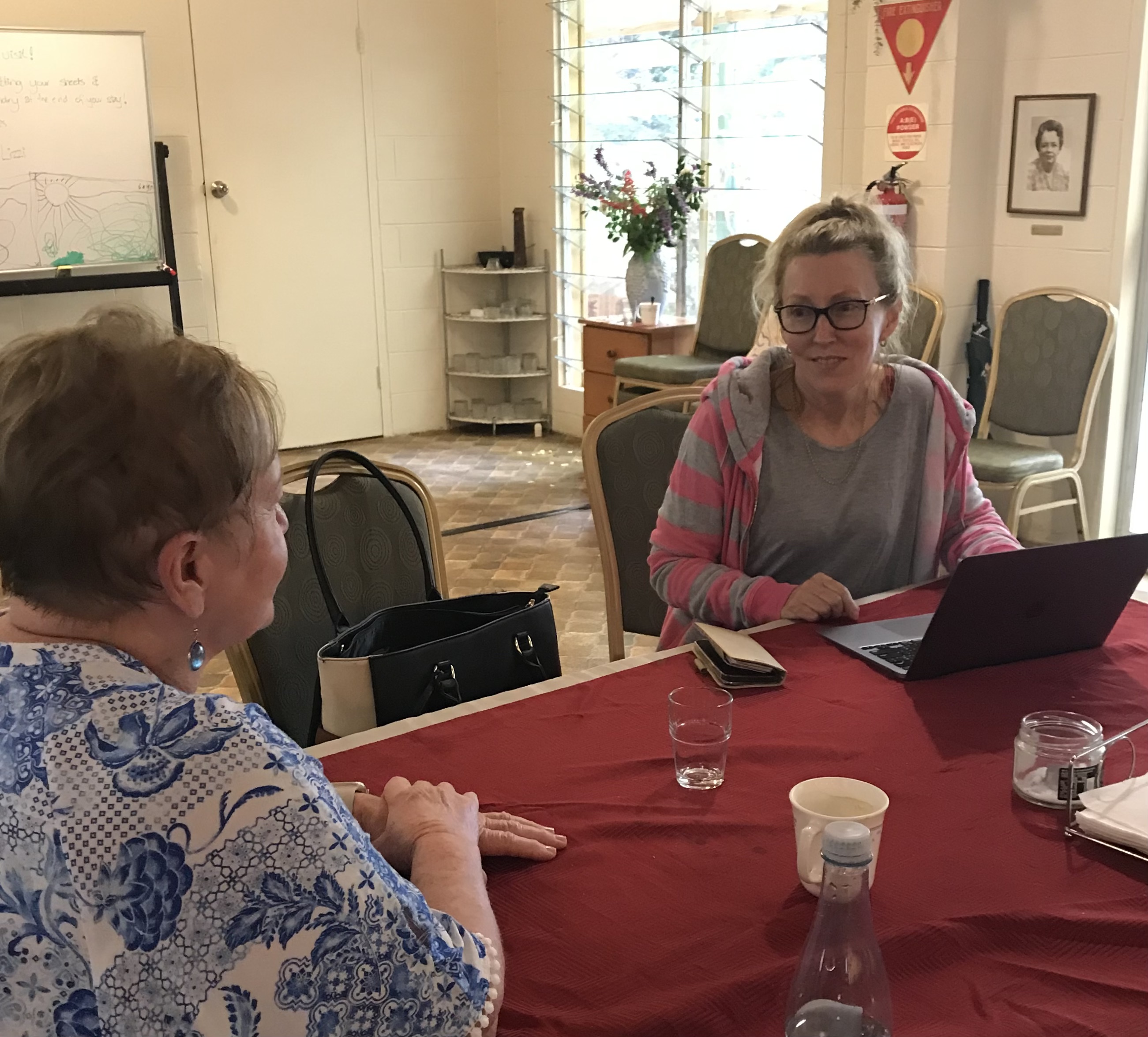
“This retreat has made so much difference to me physically and mentally.” Retreater Just Write April 2024

A wonderful feature of these local retreats are the unique body-work treatments offered by Monique De Goey. Retreaters emerge from the massage room, hair askew, eyes slightly crossed, looking like they could happily float away on a rainbow cloud. Monique’s body wisdom is unbeatable and we were super lucky that she also ran a couple of movement sessions for us focusing on releasing our necks and shoulders. If you’re in need of a good untangling of your neck and shoulders or any other bits BOOK A SESSION WITH MONIQUE.

WHAT’S NEXT?
In July I’m off to Bali for our Blissful Bali retreat 10 – 17 July, (wait list for Bali 2025 filling – bags a spot HERE) but then in August I’m back in Queensland for the next RELAX AND WRITE FEEDBACK AND REVISION RETREAT, SPRINGBROOK 9 – 11 2024. This retreat features workshops focusing on self-editing, redrafting, refining your prose and preparing pitch materials like your synopsis and bio. Sound like something that would work for you?

“These retreats are warm (though maybe not literally) and inviting and your creative energy will flow. A must-attend for any writer, aspiring or otherwise. You’l leave with a sense of reinvigoration and accomplishment.” KIMBERLEY COLLESS Retreater Just Write April 2024

If you’re almost at the end of your first draft, or if you’d like a deadline for your next draft, use this retreat to spur you on to write THE END, then come along and learn how to tackle draft two, and perhaps even share your work with other writers, or get professional feedback from yours truly. ALL THE INFO HERE. Still some places available but watch out! Retreataholics are likely to fill spaces fast. They’re taking over the world! BOOK HERE – Don’t miss out!

These retreats are dear to my heart. They have been such a blessing in my life and I’ve made so many wonderful friends through them. I may not have a best selling book yet, but my heart is full with the love of my fellow writing women and the stories that they write, turning pain into something beautiful. I’m so very proud of you all!

“Edwina’s retreats always nourish my creativity and I come away feeling inspired and motivated with new ideas for my current projects.” Barb Hunt Retreater Just Write 2024

Come along on a retreat and join our wonderful tribe of writing women. It could very well change your life. They’ve sure changed mine!

Lots of love

Edwina xx

“Edwina certainly knows how to bring together a dynamic writers’ retreat. The combination of subject matter, breathing techniques, tarot readings, spiritual practices and a great environment all contribute to a great place to learn, to feel safe and to grow our skills.” Vicki Bennett Retreater Just Write 2024

Got my swim in! 🙂

WHO IS TELLING THIS STORY? Managing Point of View

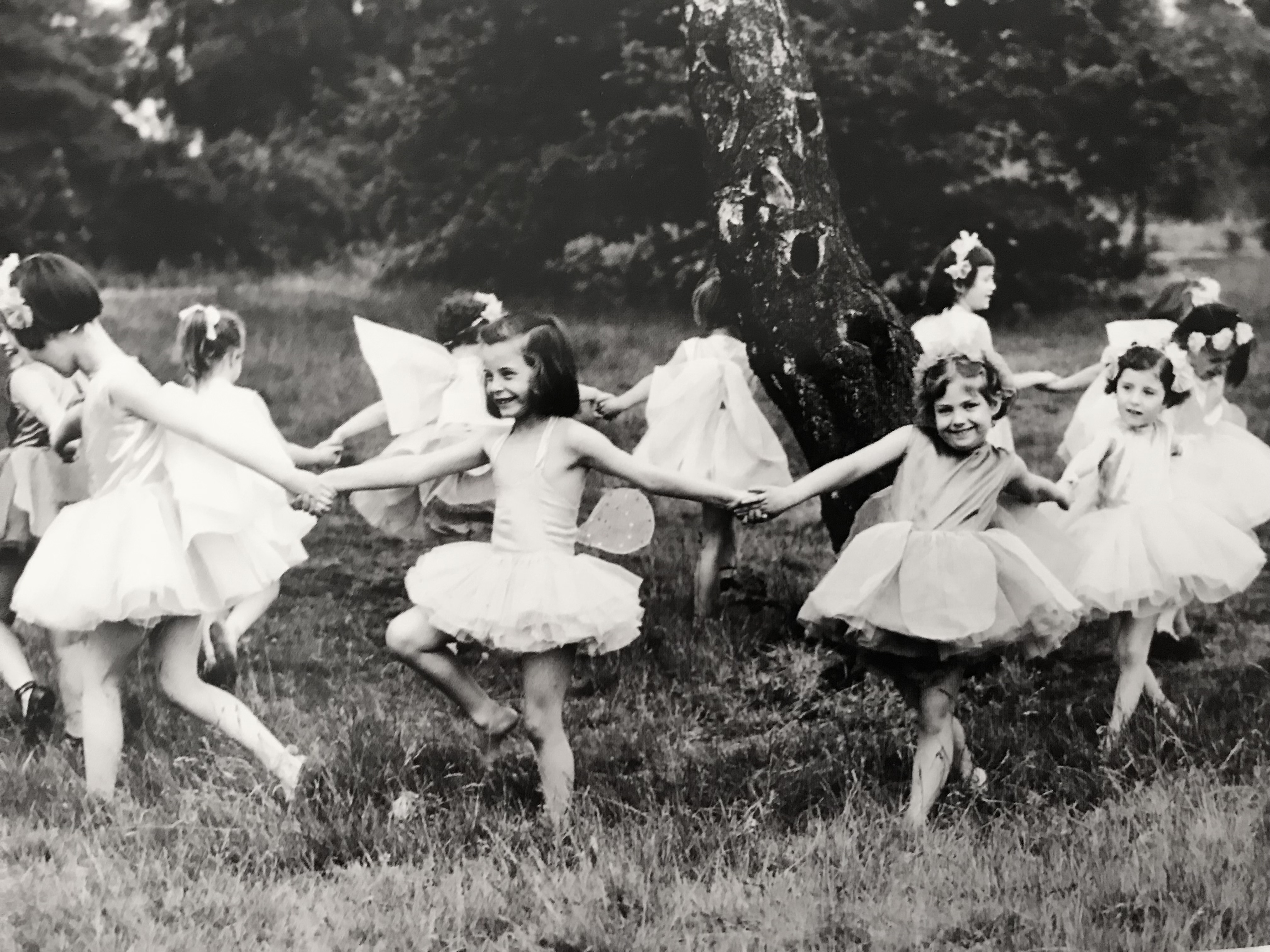
But whose dream is it?

So, who IS telling your story? Whether you’re writing memoir, fiction or screenplay, you need to make important decisions about which characters you’re going to give a voice.

WHO IS YOUR PROTAGONIST?

Who is the main character in your story? 

If you’re writing memoir, even though many writers try to avoid it, YOU are the main character.  

If you’re writing fiction you need to decide whose story is propelling the overarching narrative – that character’s goals and battles to achieve them is what drives the story forward. They are your protagonist.

If you have multiple protagonists, one character must have slightly more say than the others – this is the character who begins and ends the story. Other voices can be almost as strong but the protagonist has the final say. In my book Thrill Seekers I have three protagonists, Brian, his younger brother Douggie, and Beck, their friend. Because it is Brian’s goal – to protect his brother – that propels the entire narrative, he is the protagonist. He has the first chapter and the last.  So think carefully if you’re dealing with multiple character voices and decide which one is the main driving force.

If you’re not sure about who your main character is, ask yourself “WHO HAS THE MOST TO LOSE?”

HOW WILL YOU GIVE VOICE TO THESE CHARACTERS?

If you’re writing memoir, mostly you will need to write in first person, and learn to embrace sentences starting with “I” or learn to cleverly avoid doing so. However, you will also need to include a reflective voice that I like to call, “Wise you now”, between the scenes bringing to life the past, staring “previous you”. You could write the scenes from the past in past tense first person and the reflective sections in first person present tense, or past tense too, depending on how you feel about present tense.

Fiction can also be written in first person, past or present tense, but managing multiple voices like this can be tricky. Thrill Seekers is written this way, each character is in first person present tense. My Cambodian novel, Child of Fortune has two main characters – an Australian traveller and a Khmer survivor of the Pol Pot regime. Both of these women are written in first person, past tense. These days however, due to the Own Voice movement, I would recommend writing characters from other cultures only in third person. I also advise against having only two main characters given voice. This is difficult to manage and becomes a tennis match with one character often overpowering the other. To remedy this, add a third character voice to bring more balance, a plait rather than a ping pong match back and forth.

Most popular in modern fiction is writing in closed third person, past tense. This is the simplest way to manage multiple protagonists. In closed third person, you write using he, she or they in separate chapters that alternate. This method allows for multiple viewpoints and clashing perspectives that has lots of scope for adding interest to your story. However, with closed third person, as with first person, you are confined to what that character has seen and heard and cannot stray outside this perspective.

My latest story, “Shadowman” (Dear Madman in a different incarnation) a literary true crime memoir/novel hybrid, is told in three alternating sections in three different perspectives. The first section is the first-person voice of “the writer”, the second voice is the Shadowman – also in first person. The third section is told in omniscient third person, with the voices of multiple characters, members of the Williams family. Omniscient voice is the “God” voice, enabling the writer to move between character’s points of view within chapters, though I keep them in separate scenes. Modern audiences find this voice confusing, and I must say I found it difficult to manage as well, though I got there in the end.

You can choose to write a character in second person too – the “you” voice – but eventually it becomes synonymous with first person, so is best left to short stories or short sections within your longer piece. It can be used effectively in memoir to give another’s perspective, eg You didn’t say anything. You walked away.

MANAGING POINT OF VIEW

Now you have chosen your POV characters and the voices you will use and how you will animate them, you need to establish the structure and the voices you want within the first section of your book. If you have three POV characters, and you want these voices to interweave (not have separate sections of the whole book – eg Part 1 – Anne, Part 2 – Bob, Part 3 – Grace) you need to set this up right from the start.

For example, Shadowman starts with a chapter from the writer, which establishers her as the main protagonist. The second strand belongs to the Shadowman, and the third strand is the omniscient voices of the family. All three voices have a chapter within the first 10 pages. This lets the reader know what’s going on, who is telling the story, and the pattern to expect right from the start.

AVOID INTRODUCING NEW POV CHARACTERS AFTER THE FIRST ACT

All rules are made to be broken and you can find many examples of characters joining the fray in the second act, or even third, but it is best to avoid doing this. Set up your POV characters in those first 10 pages and then stick with these characters all the way to the end – well one or two may get knocked off!

Avoid introducing new POV characters after act one, this only confuses readers. If you want to bring in a twist that introduces this new POV character, then at least foreshadow this possibility in the first act. Give us a hint that this may happen, mention their name, make them a part of the story in some way, even if they aren’t yet in the action.

Point of view is important to establish early, so the reader knows which characters they are following. Introduce important characters first up so we know whose side we’re on. Keep the number of characters manageable or add a glossary. But who wants to be checking a glossary all the time – except maybe Tolkien fans!

And if you’re writing short stories keep the number of characters low. The lower the wordcount, the lower the character count.

Introduce all characters and the way you will be telling their side of the story early. If you’re a new writer, stick to one voice, at least to start with. If you want to include other voices, closed third person in alternating chapters is easiest to manage, but all this needs to be set up right from the start. Build trust with your reader by showing them your plan and sticking with that plan. 

No randoms! No slipping between points of view without intention. Flag all changes in point of view so we know they’re intentional. 

Image by Jana Shannon.

Managing POV can be tricky, so think about it before you rush in, and have a rough plan about how you think it will work. It can be lots of fun writing in a few different voices, but make sure they are balanced, that they are each different and that your one main character has first say and the final word.

Hope that’s useful! GOOD LUCK!

Let me know how you go managing POV.

Lots of love

Edwina xx