RELAX AND WRITE IN PARADISE: Magnetic Island Retreat June 2- 4 2023

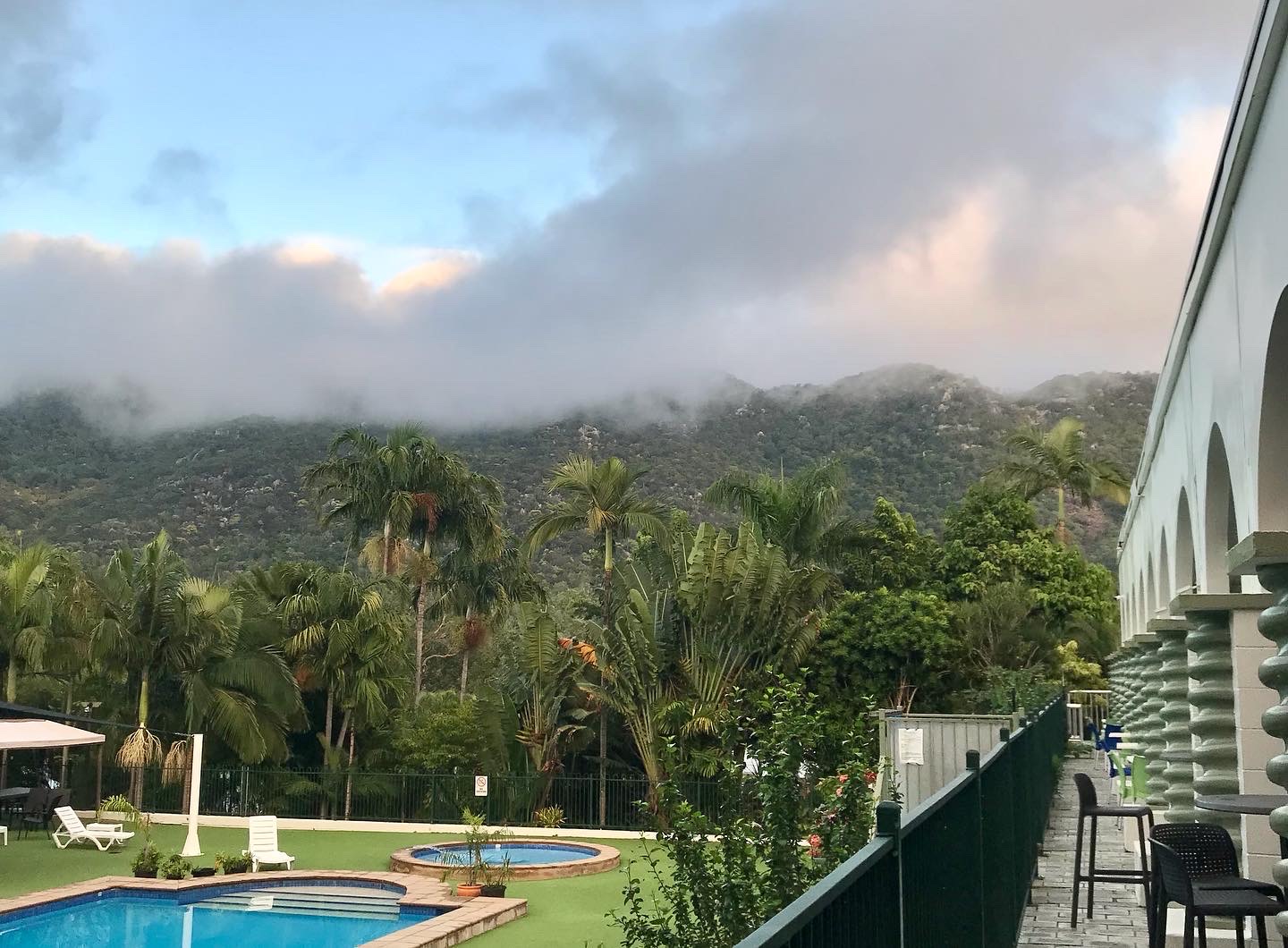
Magical Magnetic Island! You can’t get much better than this beautiful tropical island off the coast of Townsville in North Queensland.

Escape the winter blues and reboot your writing mojo at RELAX AND WRITE IN PARADISE 2023. Immerse yourself in the beauty of the island’s many secluded beaches, reignite your creative self, indulge your inner writer and learn from one of Australia’s most experienced writing teachers (yes, that’s me 🙂 )

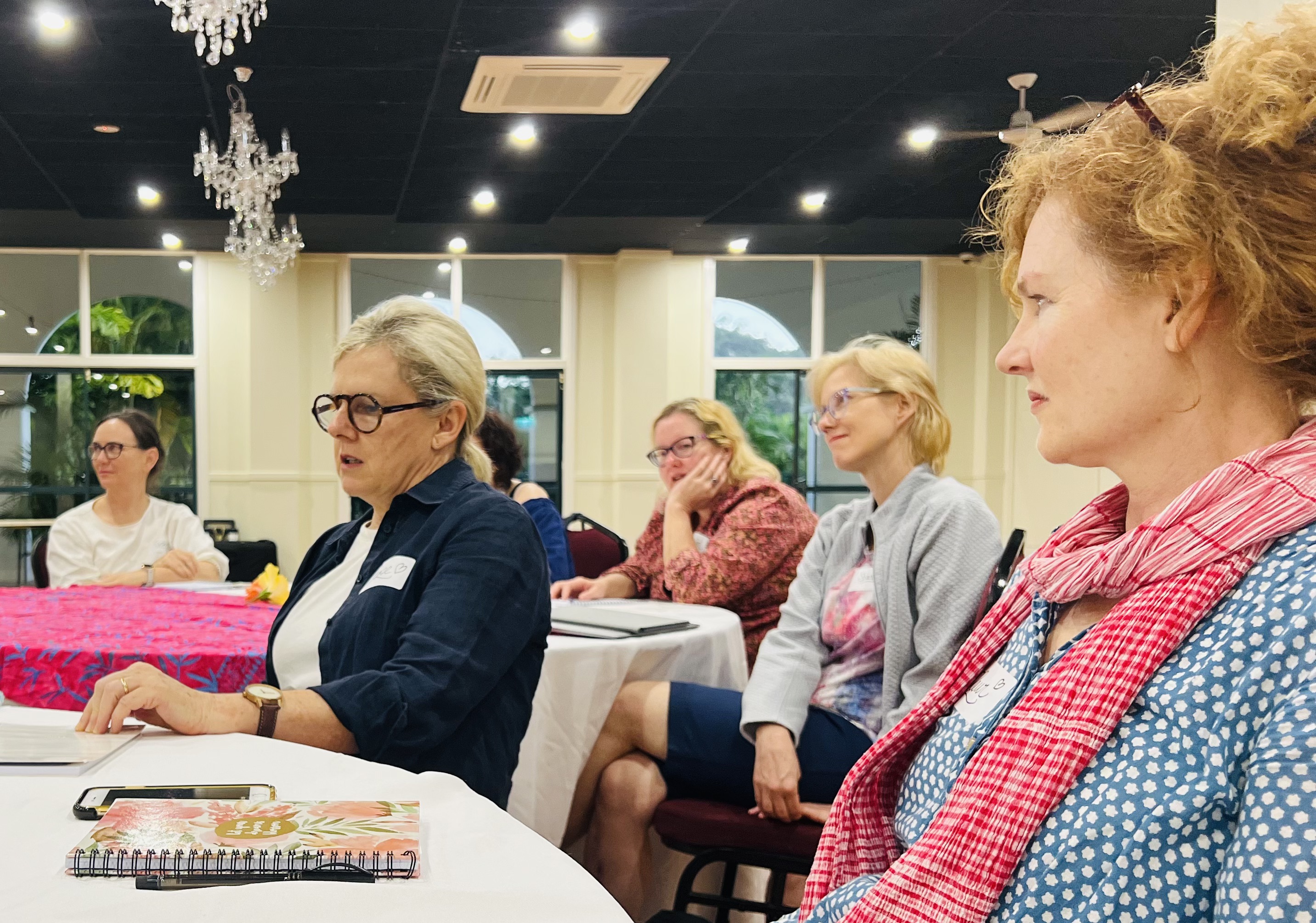
Connect with other writing women and write up a storm!
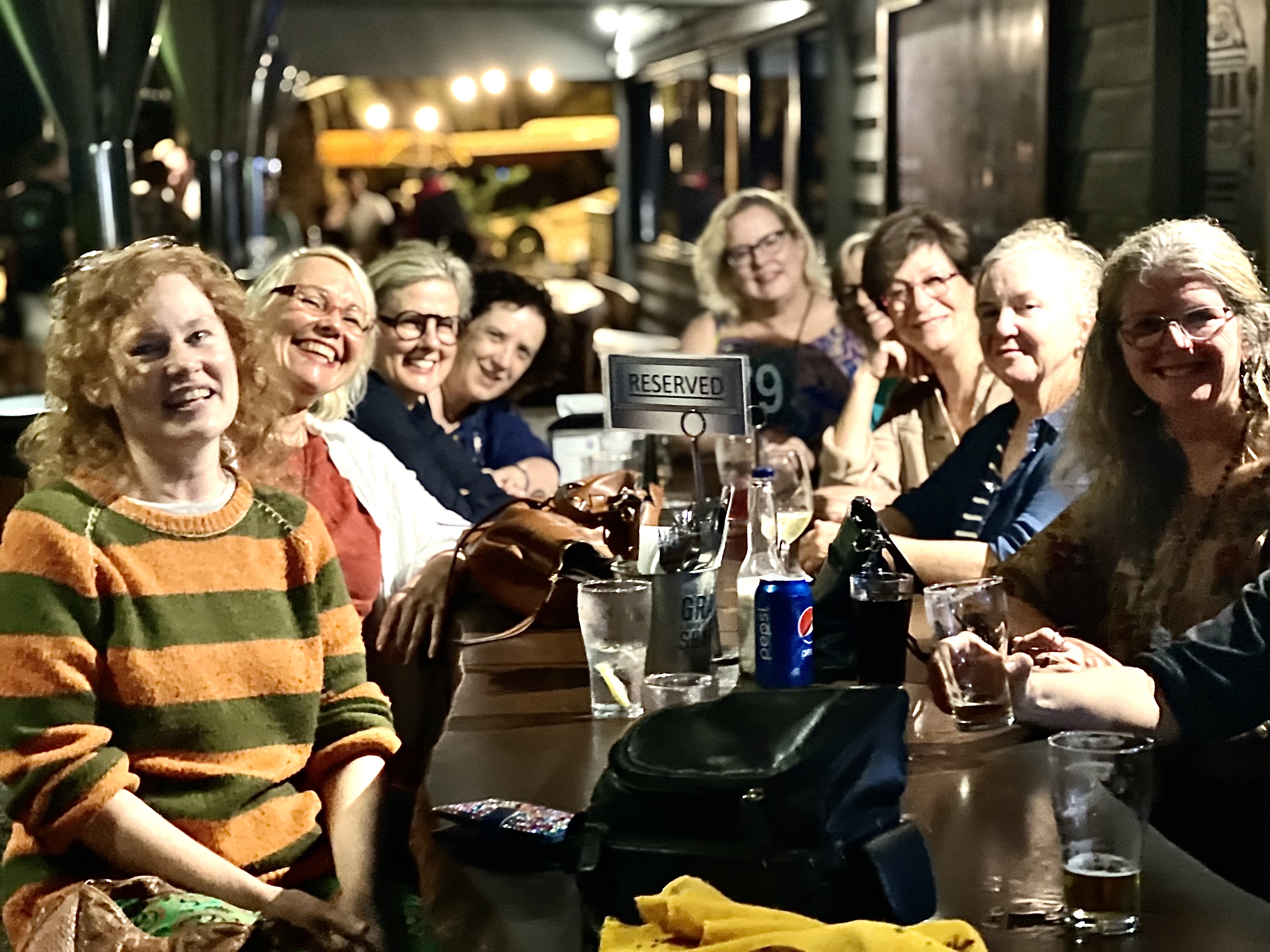
Is your creative spirit crying out for a little TLC? Come along and regain your love of writing and life at the next Relax and Write Retreat on Magnetic Island in tropical Far North Queensland at Amaroo on Mandalay

From FRIDAY 2 JUNE – SUNDAY 4 JUNE 2023

Join like-minded women in a fun and supportive environment discovering just how much some deep relaxation can ignite your imagination and get you writing again. Relax and unwind with gentle morning yoga sessions and get writing with innovative workshops that use yoga, and drama techniques to help move those stories out of your head and onto the page. 

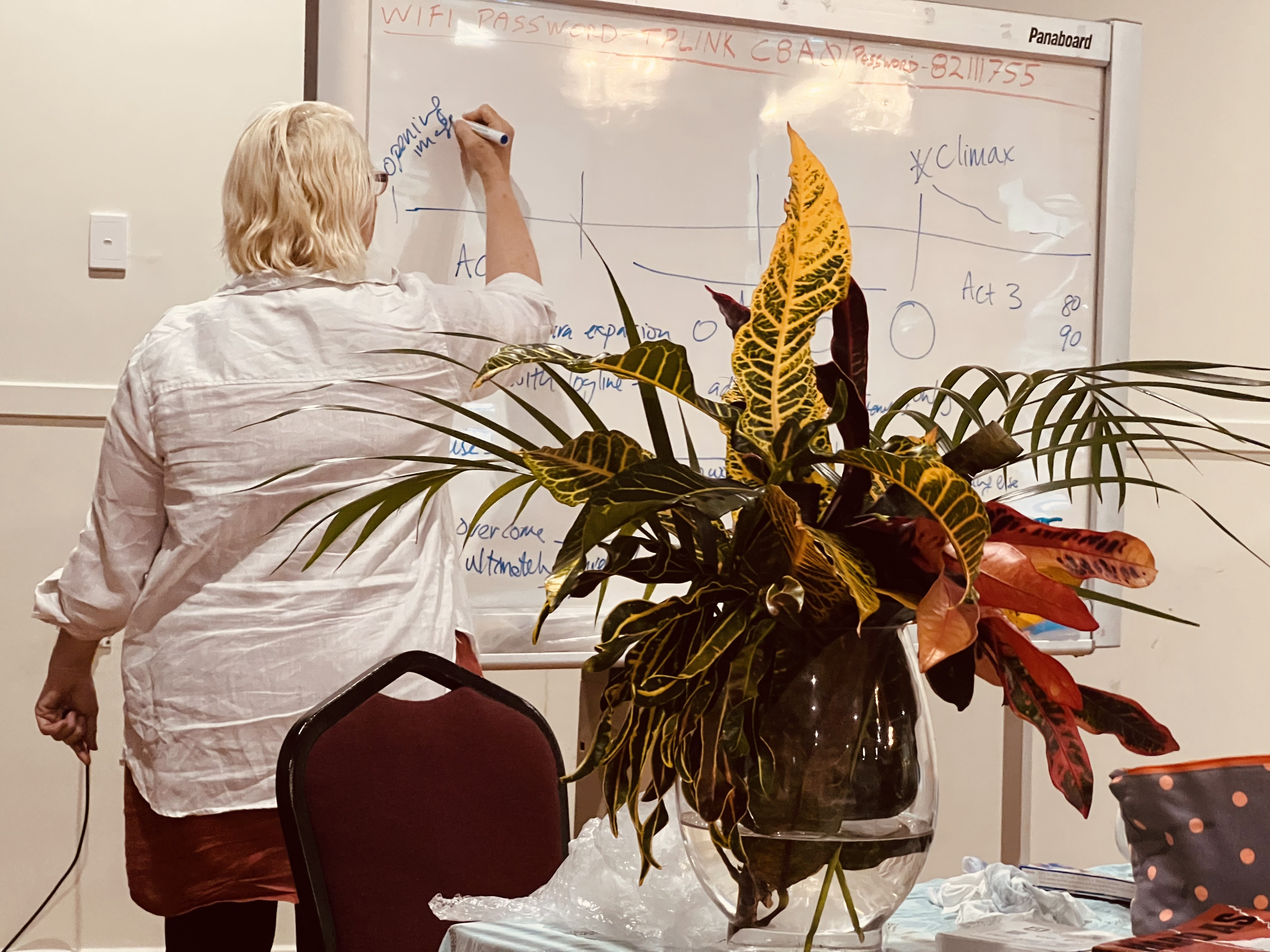
The program includes two yoga sessions, feast night and four informative and inspiring creative writing workshops. Whether you’re writing memoir, fiction or screenplays, these sessions cover the basics of character, dialogue and story development, as well as a special introduction to screenwriting and advice on editing and submitting your work.

Two nights comfortable, airconditioned accommodation plus delicious breakfasts and dinners are all included in the cost.

PRICES START at only $580 twin share but only if you’re an early bird or repeat retreater!

Photo by Pineapple Supply Co. on Pexels.com

INCLUDED is the whole three day, two night weekend of writing, fun and feasting, including comfortable accommodation, breakfasts and dinners, 2 yoga  sessions, 4 creative writing workshops and a feast night. Transport not included.

AFTER EARLY BIRD PRICES END: Twin Share $620 Single $750

Or pay your $200 deposit here before 31 March 2023 for

EARLY BIRD $580/$700

BUT HURRY! EARLY BIRD PRICES END MARCH 31!!

Come along and join the fun, make new writing buddies and renew your love of writing. Contact me before you book to make sure places are still available. PLACES ARE STRICTLY LIMITED TO ONLY 15 WOMEN with half of those places already taken. BOOK YOUR PLACE NOW

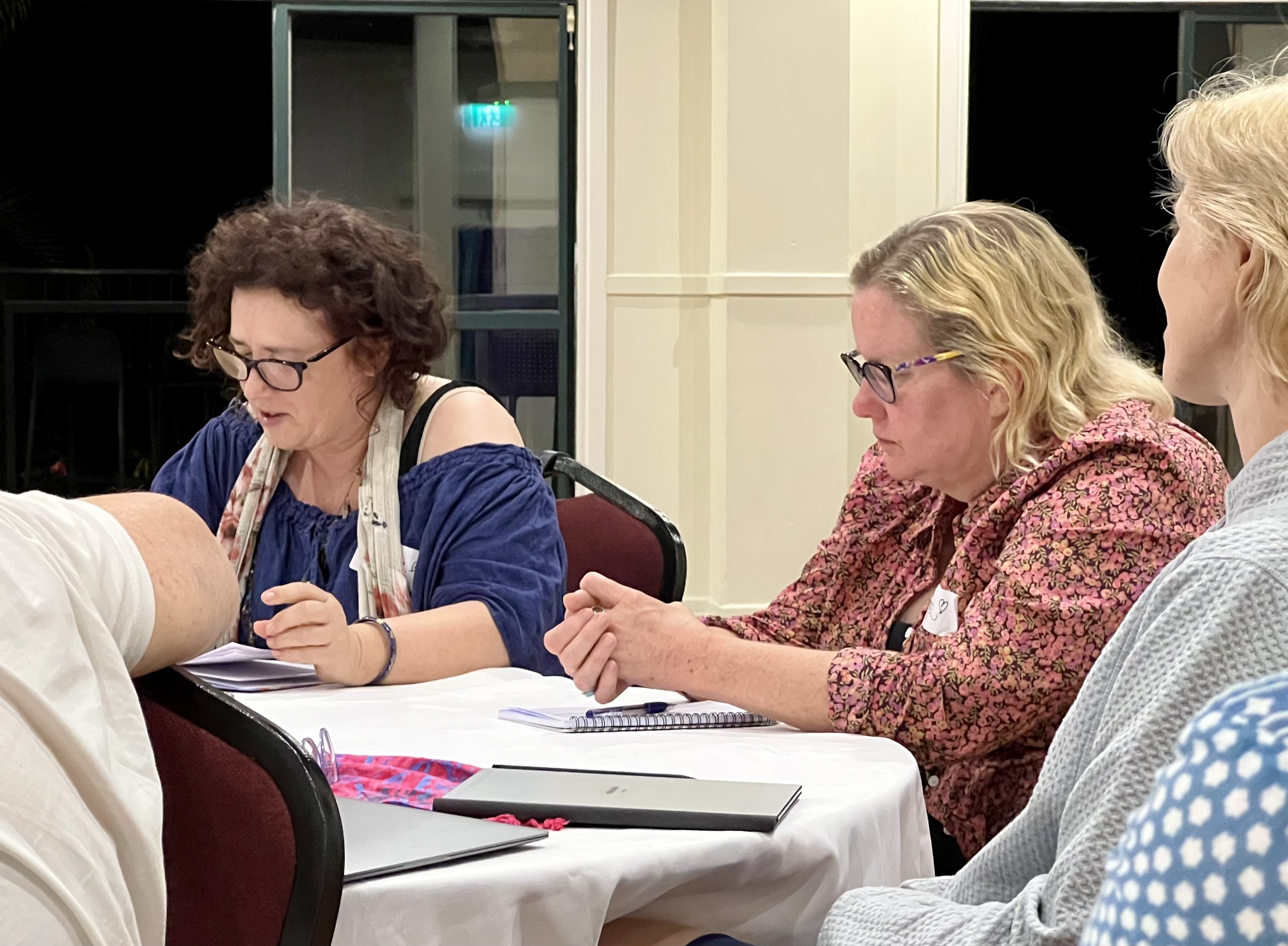
RETREAT PROGRAM

FRIDAY 2 JUNE

ARRIVAL from 2 pm 

4:30 pm – Meet and Greet with drinks and nibbles 

5:30 – 7pm WORKSHOP 1– WRITING YOUR WAY INTO A CHARACTER

Great stories spring from great characters.

7pm –DINNER

SATURDAY 3 JUNE

7:15 am – 8:30 –YOGA  

8:30 – BREAKFAST

10 – 12:30 pm – WORKSHOP 2 – DIALOGUE AND PLOT

Developing your story from start to finish

12:30 – LUNCH and FREE TIME 

3:30 – 6:00 pm – WORKSHOP 3 – INTRODUCTION TO SCREENWRITING – PLOT PLOT PLOT! 

6:30 pm –FEAST at Barefoot restaurant

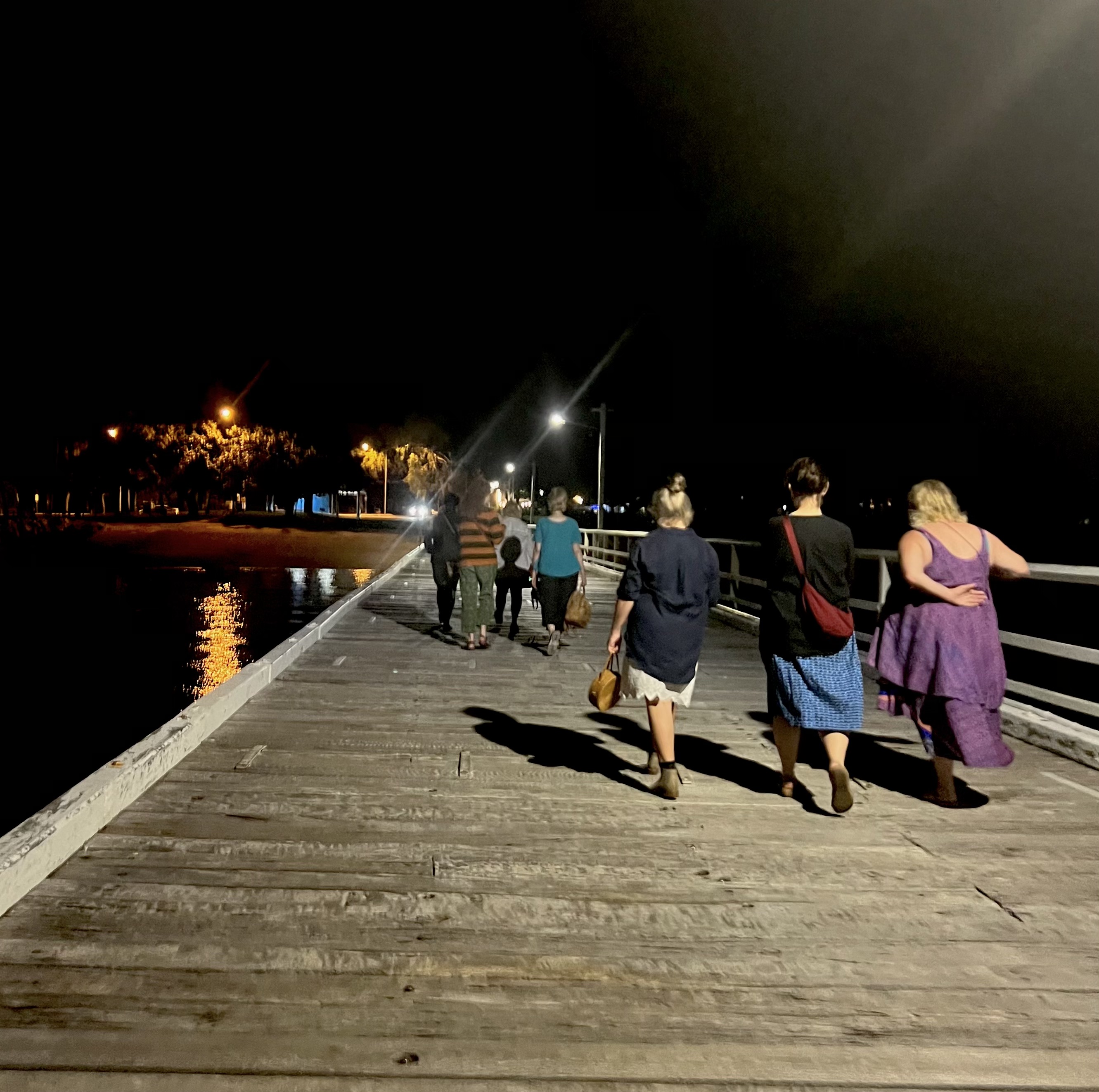
7:15– 8:15 pm – Night beach walk 

SUNDAY 4 JUNE

7:15 am – 8:30 –YOGA

8:30 – BREAKFAST

9:30 – 12:00 – WORKSHOP 4 – WHERE TO FROM HERE? Publishing pathways, building your writing CV,

creating space for creativity in your life. Collage

MIDDAY— PICNIC AT ALMA BAY

3 pm DEPARTURES with option to stay on for sunset
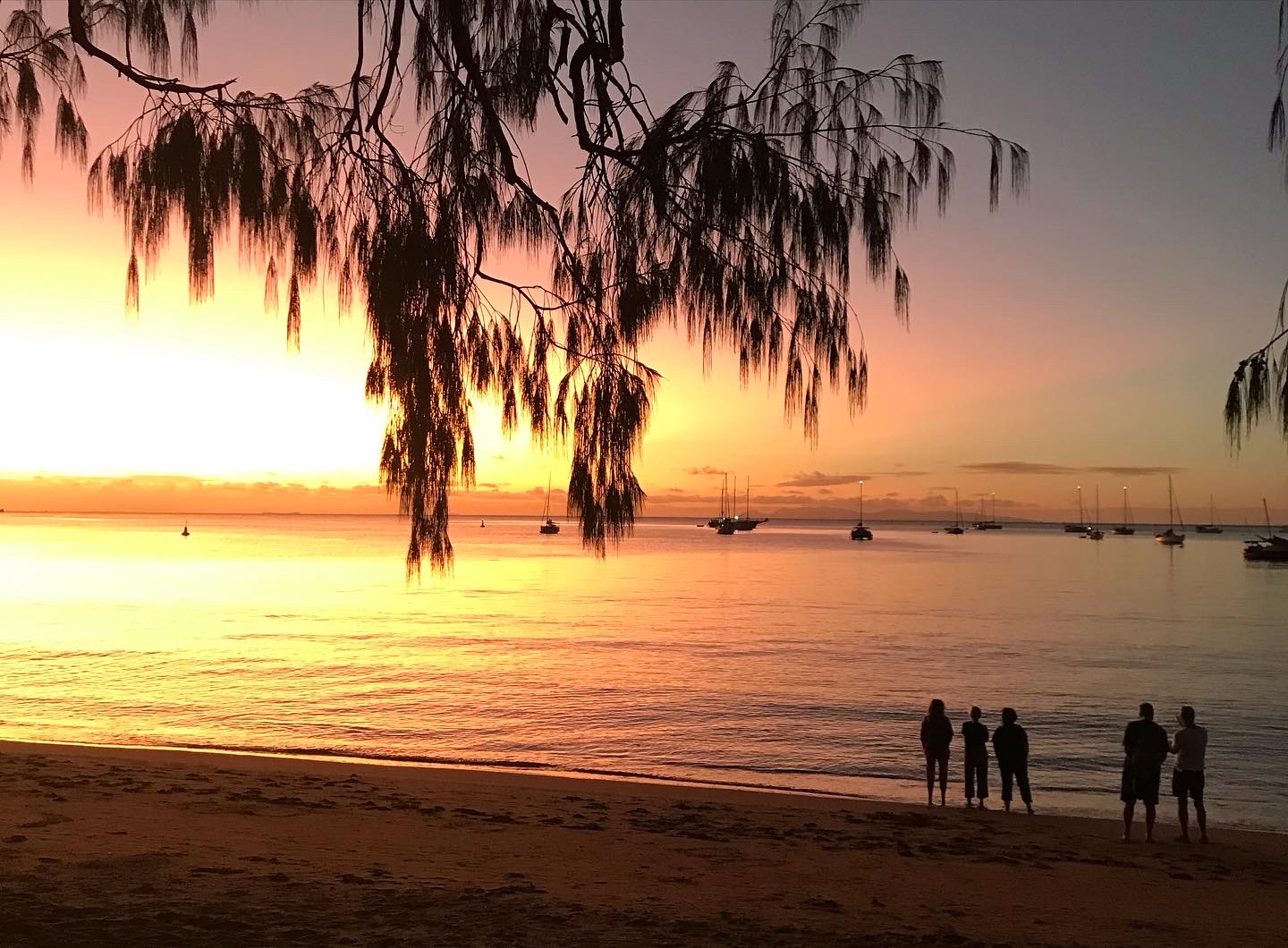
Come and join me for a weekend of warmth, sunshine, inspiration and writing fun with wonderful women who share your love of story. CONTACT ME for more info or BOOK HERE.

MASSAGES will also be available with a handpicked masseuse at an affordable price for those after some extra TLC.

See you there!

Lots of love

Edwina xx

SETTING – more than just the scenery! 

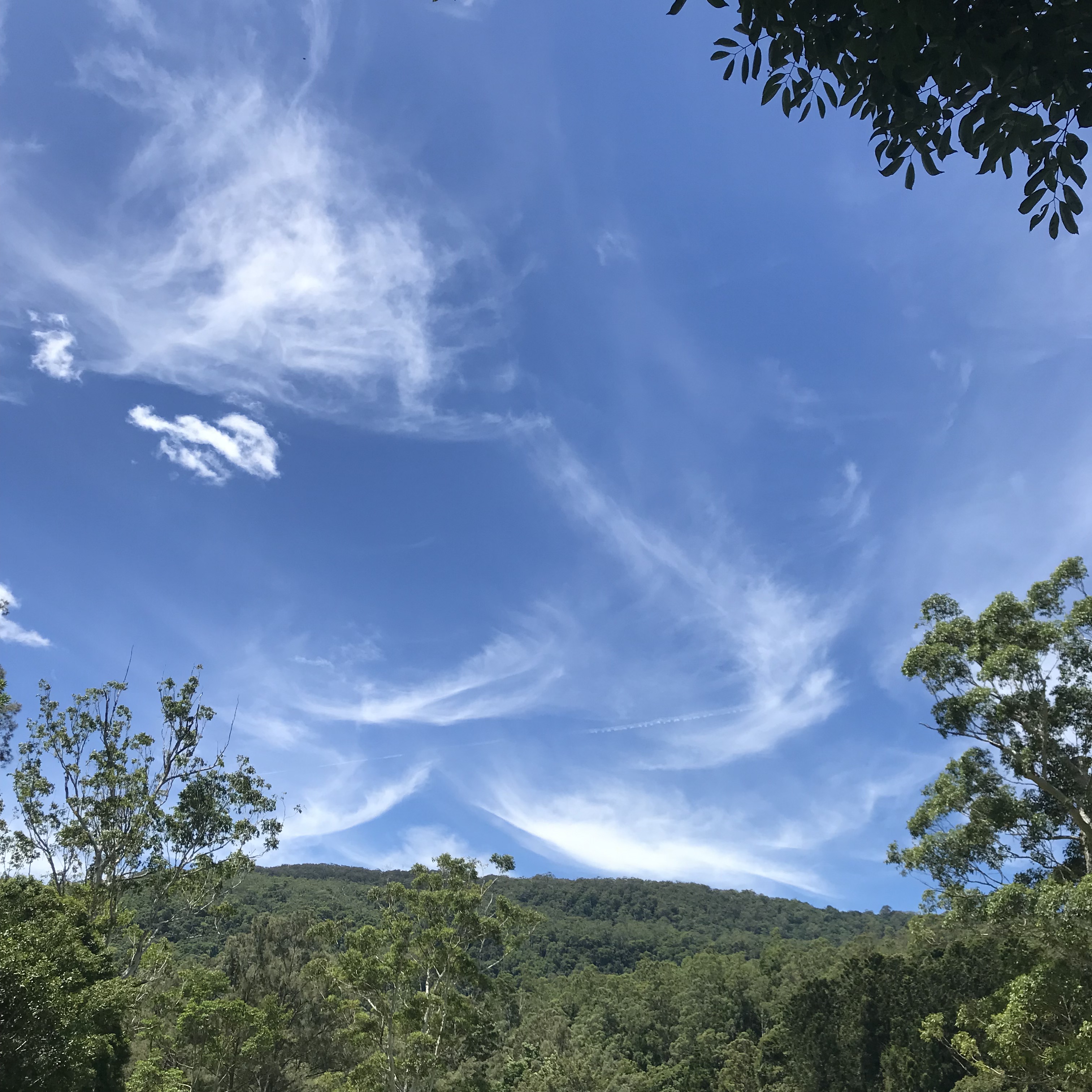
Find yourself writing in this setting! Bali retreat 2025 soon opening for bookings.

I’ll admit I haven’t always found writing setting easy. As I wrote my books I could see scenes playing out clearly in my head and thought the reader would somehow also see it the way I did by osmosis or some other magical device, because I wasn’t giving them much in the way of setting detail. These days I’ve come to realise just how important setting is, and the load it carries, not only in establishing our story worlds and grounding the reader in that world, but also the essential role setting plays in developing the tone of a piece of writing and in illustrating emotional undercurrents. 

Writers of fantasy, sci-fi, magic realism and historical fiction take note – worlds that are not easily imagined by a modern audience demand that the writer spend more time and page space on developing their story setting. This story world needs to be placed in time and space with key sensory physical and cultural details described so the reader is able to visualise where the story action is taking place and is familiarised with the mores and ethical laws of this new world. 

For example, a sci-fi novel set on a planet controlled by women where there are three moons but no sun, with trees as tall as skyscrapers and all dwellings are within the trunks of those trees, needs much more description than a story set in a modern shopping mall. A fantasy medieval world with modern gender sensibilities also needs greater description – not only of the physical but also of the societal aspects of the world. We need to give the reader enough clues about the story world, and demonstrate consistency in this world, both physically and culturally, so that they can relax and not have to strain over imagining where the action is taking place. When we are writing a piece based on a modern, familiar setting we don’t need to fill in as much detail, but we still need to use a few telling clues to establish where and when we are. See GROUNDING YOUR READER for more.

SPECIFIC UNEXPECTED SENSORY DETAILS

Artwork by Karla Dickens, photo by me.

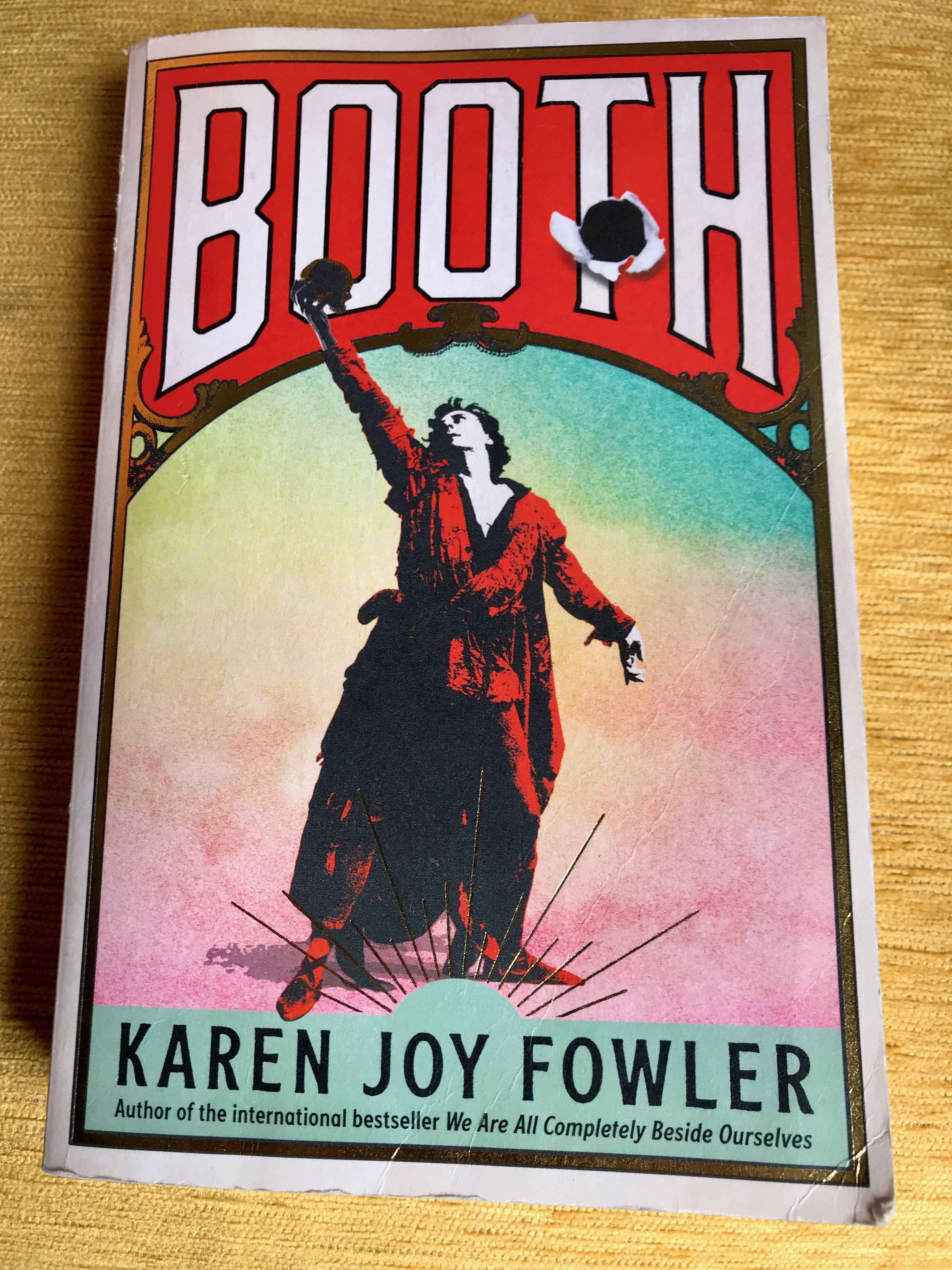
One of my favourite writers, Karen Joy Fowler, author of Booth and We Are All Completely Beside Ourselves, once shared with me her tips for writing, and using these specific unexpected sensory details was one of the best. When we write prose rather than screenplays, we have the advantage of being able to use all of our senses, while screenwriting is confined to only what we can see and hear. So USE ALL FIVE SENSES in your writing. Show us the shapes and colours and give us the sounds but also include smells, and taste if you can, and the visceral experience of the body. The key is to make these details interesting. Choose the unexpected

For example, if you’re describing a teenage boy’s bedroom, we expect to see piles of dirty sports clothes, and some band posters on the wall, but we don’t expect to see a frog halfway through dissection and a collection of taxidermy projects lining the shelves. The cave dweller who had a crooked little finger that showed up every time she did a handprint is instantly recognisable through this one unexpected detail. Use the power of the unexpected in your setting descriptions!

Setting is not just the house or room or forest or sea or ship or castle or dungeon, it also includes what I call the “props” – furniture, decorations, contents of fridges or bags or other items in that setting. By choosing what you want the reader to focus on through your description of these specific unexpected details you can illustrate their personalities before they even appear on the scene. 

TRY THIS!

Describe a character through the contents of either their pockets, handbag or fridge. What clues can you give us about this character by what you choose to show us?

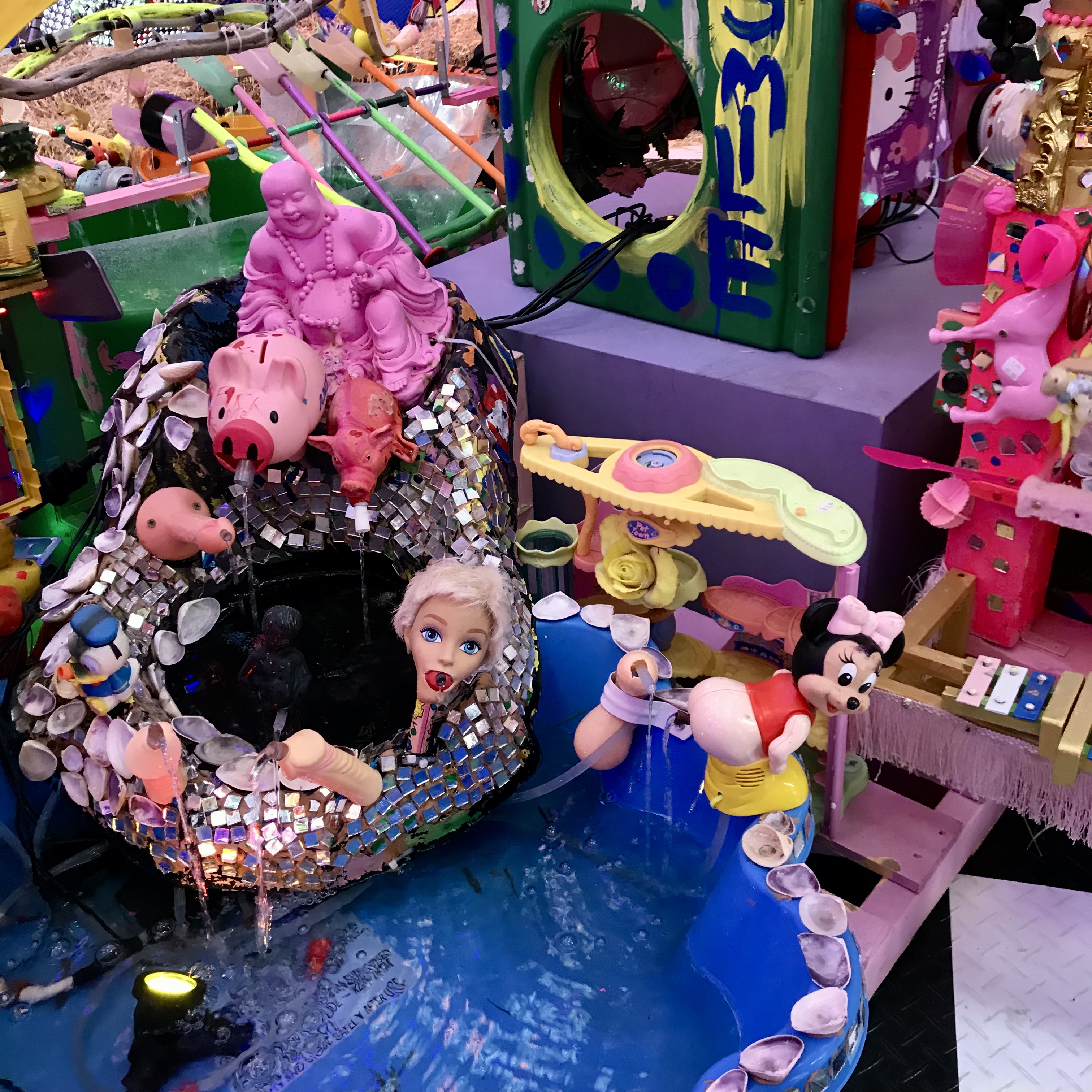
Artwork by Paul Yore, photo by me 🙂

T. S. ELIOT’S OBJECTIVE CORRELATIVE

The poet T. S. Eliot famously wrote about using objects to illustrate character emotions instead of baldly stating the feeling. For example. Instead of saying: Pam was totally frazzled, we could show Pam packing an overnight bag in a rush, but forgetting to close it properly so when she goes to leave everything falls onto the floor. Think of that old song “My Grandfather’s Clock” – the clock stops short, never to go again, when the old man dies. 

TRY THIS!

  • Use an object to illustrate emotion in your story.

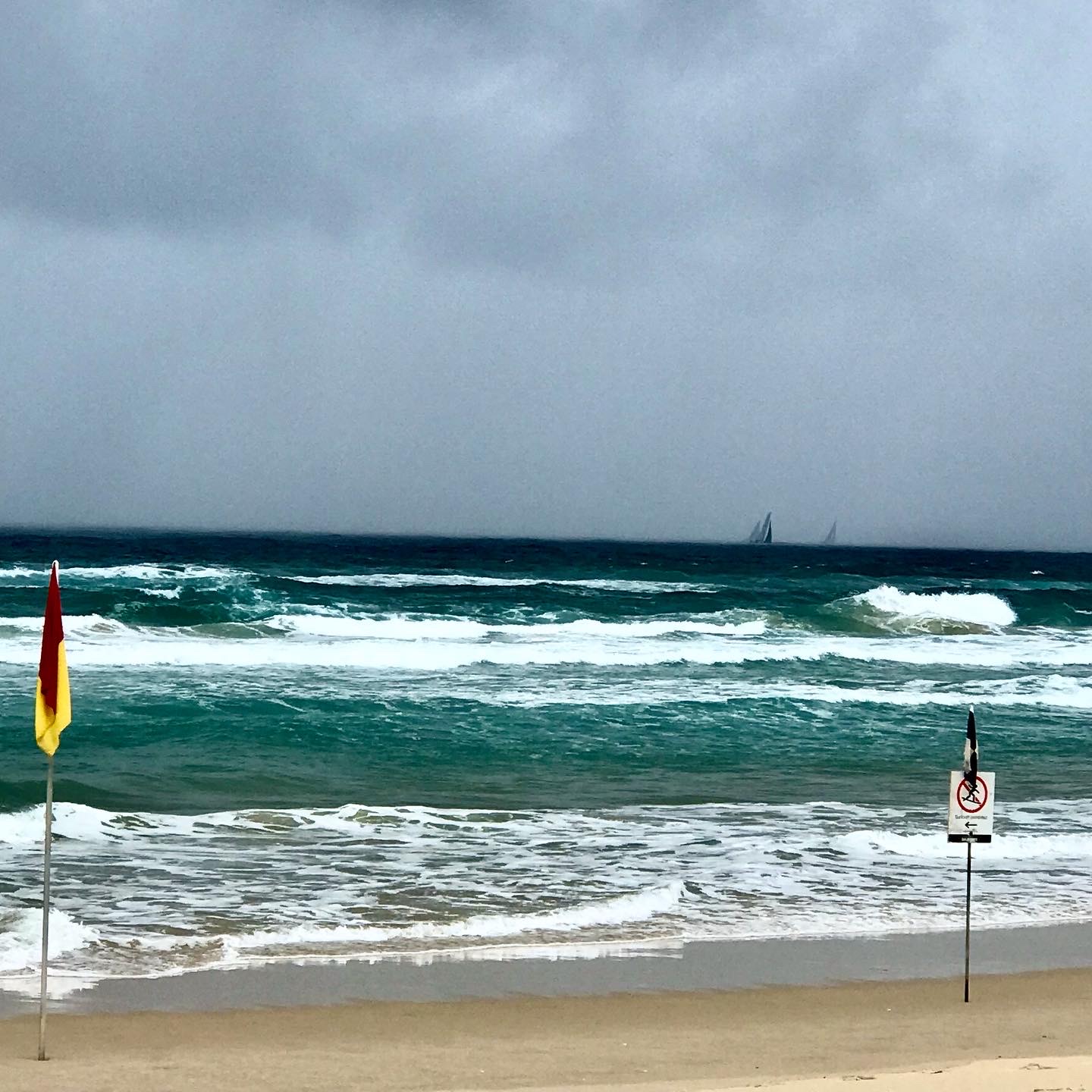
Setting details can also reveal emotional undercurrents to a story and set the tone of the whole piece. Shakespeare often uses the weather to illustrate the emotional turmoil of his dramas. Storms and droughts and wild winds or gentle rain can all play a part in establishing the emotional setting of a scene. 

TRY THIS:

  • Add drama to a scene of conflict through using weather details – a blazing sun hammering down, a torrential downpour about to wash the hut away?

In a similar way, setting details used well in dialogue, can completely change the meaning behind the spoken words. There’s a big difference between “What time is it?” Rosie squints and slowly lifts her head from the pillow. And “What time is it?” Rosie hurls the cold saucepan full of soup at Bob’s head. 

Remember the key to good setting is the use of SPECIFIC UNEXPECTED TELLING DETAILS.

Have you got any tips for writing setting? Do let me know in the comments!

Lots of love

Edwina xx