
Recently I attended my third ASA Literary Speed Dating pitching event. This great initiative by the Australian Society of Authors brings writers face to face with publishers and agents to pitch their work. For $27 or so per pitch you get three minutes to sell your book to trade publishers or agents. YAY! These opportunities are the best way to get your work noticed by the publishers or agents you’re aiming for, and I highly recommend you give it a go once your MS is ready. Here’s more info on LITERARY SPEED DATING. Next sessions are in July.

But you don’t need to do the Speed Dating to pitch. You can still submit your pitch online to most trade publishers or agents through their slush piles, or directly to any publishing contacts you may have, if they’re happy for you to do so.
Here are a few Australian publishers accepting direct submissions right now – no agent needed.
PAN MACMILLAN AUSTRALIA Open for submissions
HACHETTE AUSTRALIA – ONLY ACCEPTING Children’s, YA and non-fiction (As at end April 2023)
UQP looking for Literary fiction, non-fiction and Stories for the Future
ALLEN AND UNWIN – Friday Pitch! Submit your pitch on a Friday!
TEXT PUBLISHING – 6 months wait here
PENGUIN RANDOM HOUSE AUSTRALIA Currently closed for submissions but opening up for children’s books in August.
You don’t need to limit your pitching to Australian publishers either – my first two books were published by a small UK press – so do your research and find a publisher that feels like the right fit for your book. Follow their submission guidelines to a tee.

A general rule I follow when submitting is to AIM HIGH – GO FOR GOLD! Start with the big guns – those dream publishers or agents. If you don’t hear back or get a rejection (gird your loins – you’ll be facing a few of these. All badges of honour!!) then send out your next round of pitches to smaller trade presses, and so on, until you’re left with hybrid publishers or independent publishing. Independent publishing isn’t tricky and is very empowering. All you need is a good book designer to do the interior and cover for you and a printer to create the books. And now with the ASA DISTRIBUTION SERVICE for Independent Authors our books also make it to bookstores. Plus of course, make sure it’s been properly edited! Essential. There’s no use having the fanciest cover in the world if your story doesn’t make sense.
So onto – THE PITCH.
If you are pitching in person or in an email you only have a bare minimum of space and time, so it’s essential you cover all the most important elements quickly. We want our pitches working perfectly to hook the interest of our targeted publishers.
OPENING
Start with the TITLE of your book, the GENRE you’re writing, the WORD COUNT and the LOGLINE ( a sentence or two that gives the essence of your story in a nutshell – think of the movie descriptions on movie streaming apps) plus some COMPARATIVE TITLES (these are important as they automatically give the reader an idea of the flavour of your work). You can also include your target audience – Eg Women readers from 30 to 50 or in my case Readers of true crime searching for more depth and meaning.
Here are my opening paragraphs:
TITLE Shadowman is GENRE literary true crime (88 000 words WORD COUNT) based on a tragedy that has haunted my family for generations. Think Garner’s search for meaning This House of Grief meets Schmidt’s first person murderer narrator in See What I Have Done. COMPARATIVES
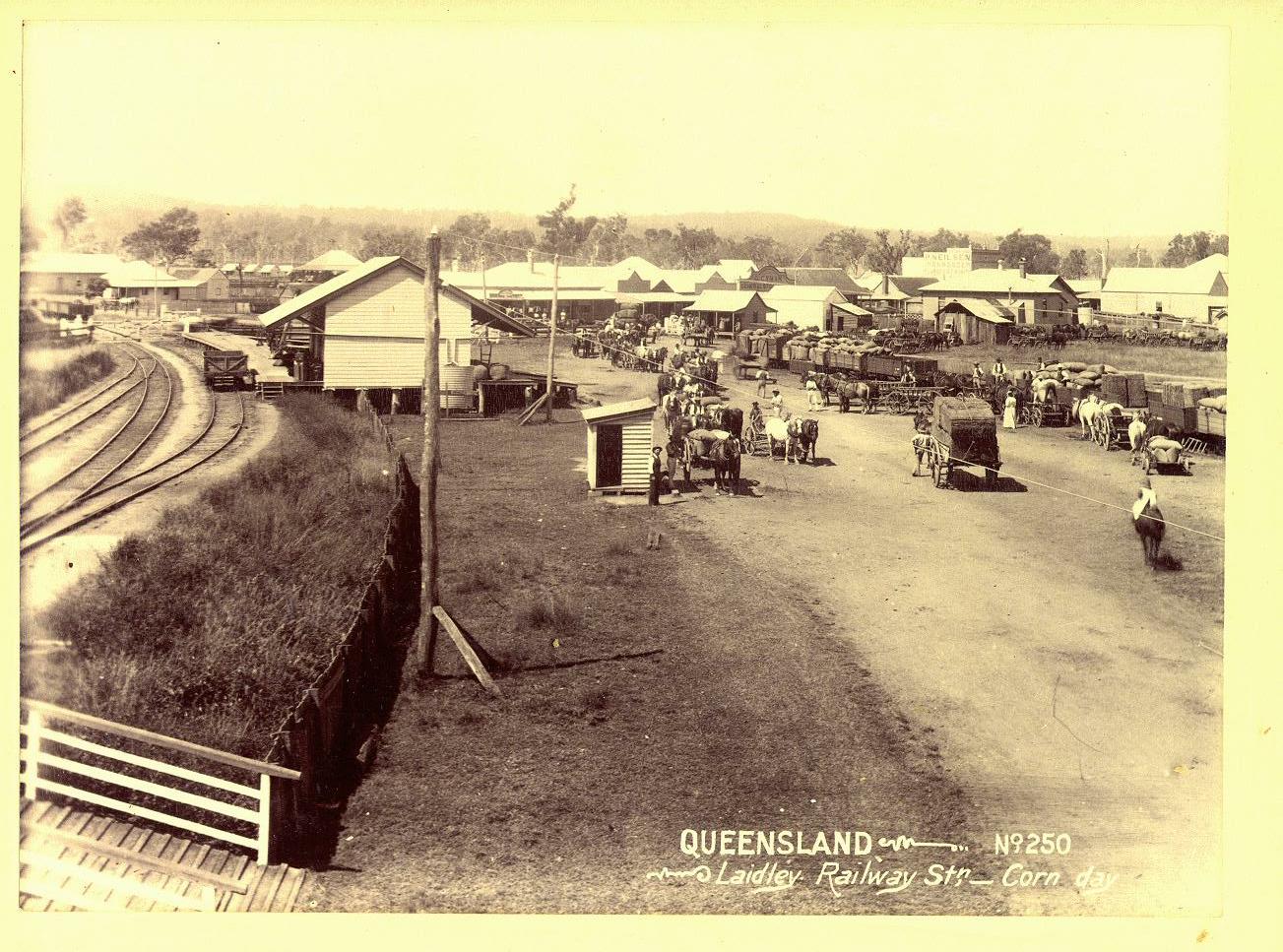
In 1911 my great grandfather, Bill Williams, unwittingly hired a dangerously disturbed man with a history of violent crimes against girls to work on the family farm, endangering the lives of his wife and four young daughters. LOGLINE

LOGLINES
The logline needs to identify the protagonist, why they are of interest, their main story goal, and what is at stake if they fail to achieve it.
Here’s a simple template to help you write your logline
An ADJECTIVE, CONTRASTING ADJECTIVE OCCUPATION (describe the character through contrasting traits and their job if relevant) must DO SOMETHING OR STRUGGLE AGAINST SOMETHING or else RISK – WHAT IS AT STAKE?

SYNOPSIS
After the logline you need a greater explanation of your plot in a paragraph long synopsis. This is tricky! How do you take 80 000 words and shrink it to one paragraph? For a pitch synopsis you don’t need to include the ending so you can leave the reader with a hook. You need to include at least a couple of actions that the protagonist takes in pursuit of their goal and show the tension and stakes rising. If you can, inject some of the tone or style of your book. Eg, if you’re writing a comedy make it funny, a thriller? – make it suspenseful.
Here’s my SYNOPSIS
The farmhand, Joseph Throsby, suffered horrific ongoing abuse in an orphanage as a child and this combined with untreated epilepsy has resulted in a vulnerable but violent man who has only recently been released from jail. Rejected by his family and the community and desperate to create a new life for himself, he gives a false name to secure the job, but when he accidentally reveals his true identity, Williams fires him, setting in motion a chain of events that leads to murder. Not long afterwards, Throsby attacks the eldest Williams girl, Grace, in her bed. She bravely fights him off and Throsby is imprisoned, but only for six months. In court, he swears his vengeance. True to his word, as soon as he’s released, he returns to the farm and lies in wait where Grace always takes the cows out. That day however, she sends her younger sister in her place.
After we’ve got the main gist of the story across, we then need to add another paragraph about ourselves as writers. This can be the trickiest part! How to not sound like a wanker?!!
Here is where we show off about any previous publications or prizes or courses we’ve done, any manuscript development we’ve undertaken or professional edits of the work etc. MOST IMPORTANTLY though is to state why you are so passionate about this topic you had to write a whole book about it! You can also make a note about HOW you have written it, to give the publisher an idea of the style and tone of the book.
Here’s my WHY ME, WHY NOW or ABOUT THE AUTHOR section.
The story is told in 3 interwoven sections, the first-person colloquial voice of the murderer, the omniscient voice of the Williams family, and the contemporary voice of the writer herself, reflecting on the echoes of violent crime and her attempts to break the family curse.
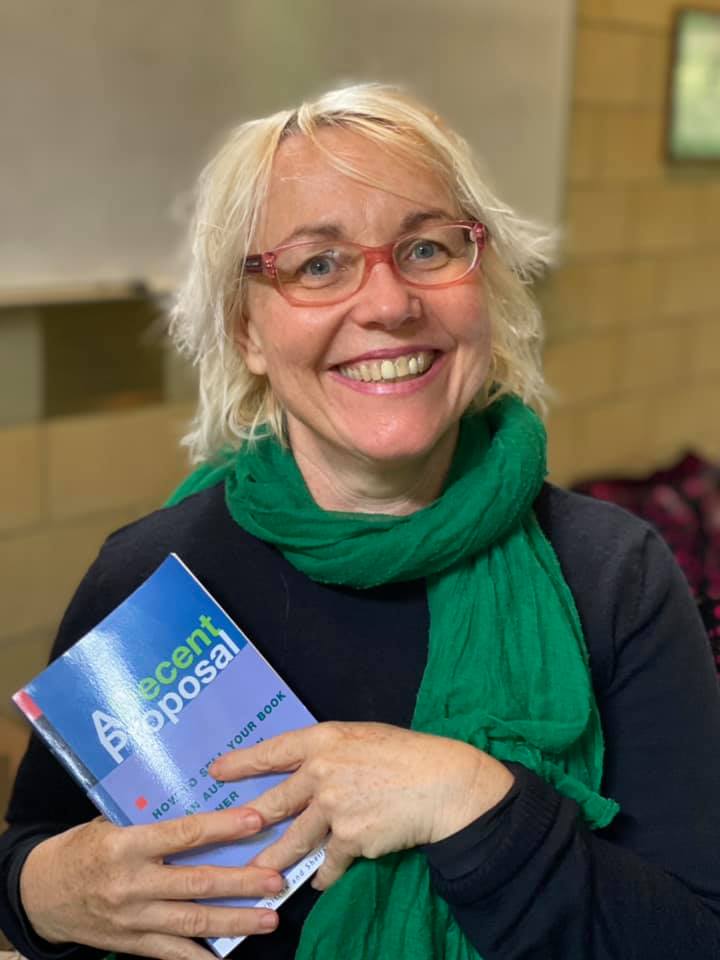
I’ve been writing and publishing for over 20 years. My first book Thrill Seekers was shortlisted for the 2012 NSW Premiers Awards and since then I’ve published another 4 titles as both author and editor. I teach Creative Writing at UQ and to adult survivors of institutional abuse whose experiences have informed Shadowman. This MS has undergone multiple drafts with support from a Varuna Residency award and an ASA mentorship award.
That’s it for your elevator pitch! Keep it as short as possible – under 300 words if you can. Remember to leave time for questions if the pitch is in person and to research where you submit your pitch. There’s no use submitting a rural romance to a military history publisher or vice versa.
So, what do you think of my pitch? I was very lucky to get requests for materials from both an agent and publisher. Now comes step 2 – THE WAIT! Please cross your fingers for me, a little luck can go a long, long way in this crazy business. And when we finally get our chance let’s all party by the light of the moon!

I hope you’ll find this article helpful when you write your pitch. If you’d like me to give it the once over just drop me a line!
GOOD LUCK PITCHING!
Lots of love
Edwina xx





 Edwina Shaw