WHO IS TELLING THIS STORY? Managing Point of View

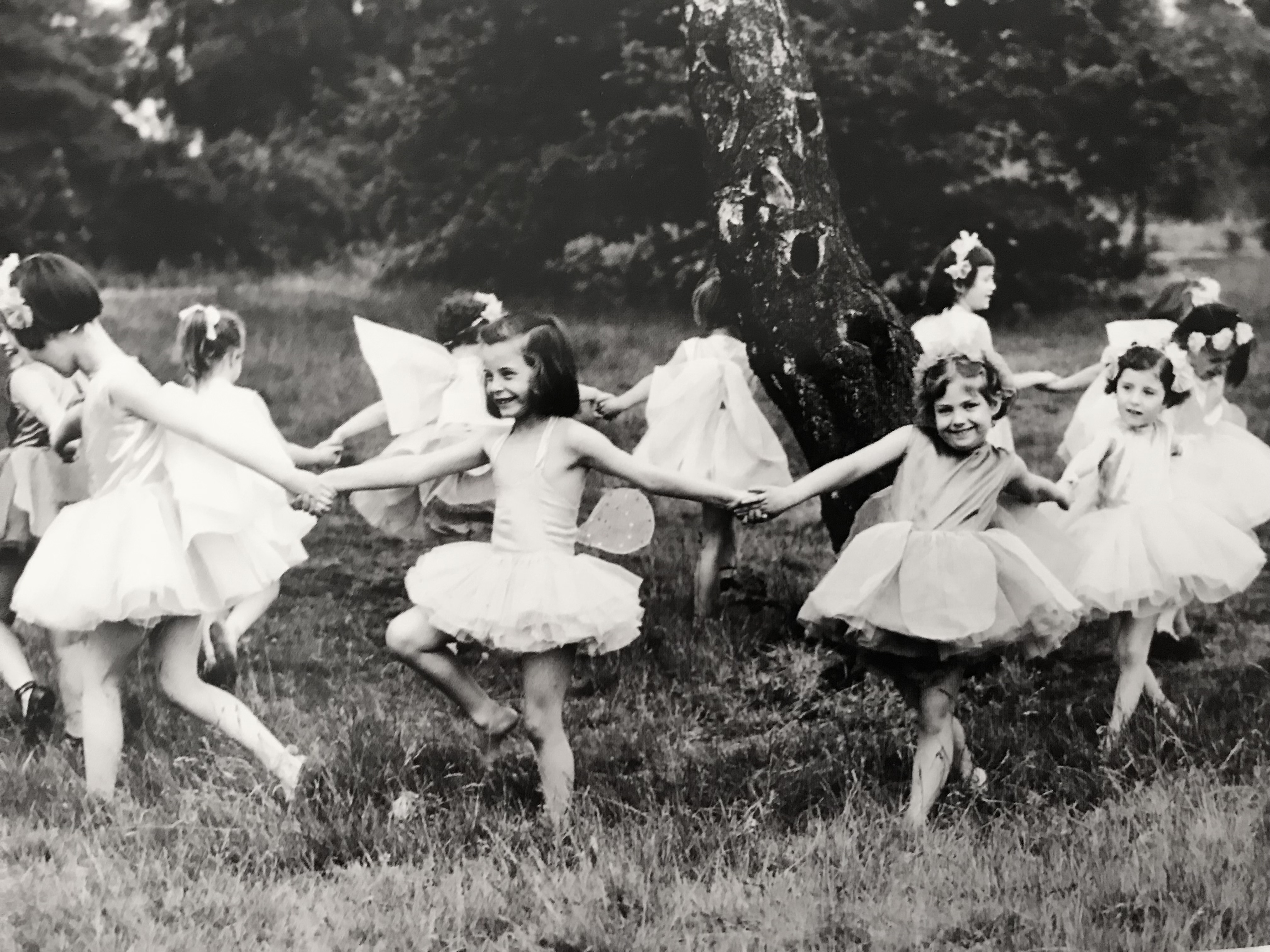
But whose dream is it?

So, who IS telling your story? Whether you’re writing memoir, fiction or screenplay, you need to make important decisions about which characters you’re going to give a voice.

WHO IS YOUR PROTAGONIST?

Who is the main character in your story? 

If you’re writing memoir, even though many writers try to avoid it, YOU are the main character.  

If you’re writing fiction you need to decide whose story is propelling the overarching narrative – that character’s goals and battles to achieve them is what drives the story forward. They are your protagonist.

If you have multiple protagonists, one character must have slightly more say than the others – this is the character who begins and ends the story. Other voices can be almost as strong but the protagonist has the final say. In my book Thrill Seekers I have three protagonists, Brian, his younger brother Douggie, and Beck, their friend. Because it is Brian’s goal – to protect his brother – that propels the entire narrative, he is the protagonist. He has the first chapter and the last.  So think carefully if you’re dealing with multiple character voices and decide which one is the main driving force.

If you’re not sure about who your main character is, ask yourself “WHO HAS THE MOST TO LOSE?”

HOW WILL YOU GIVE VOICE TO THESE CHARACTERS?

If you’re writing memoir, mostly you will need to write in first person, and learn to embrace sentences starting with “I” or learn to cleverly avoid doing so. However, you will also need to include a reflective voice that I like to call, “Wise you now”, between the scenes bringing to life the past, staring “previous you”. You could write the scenes from the past in past tense first person and the reflective sections in first person present tense, or past tense too, depending on how you feel about present tense.

Fiction can also be written in first person, past or present tense, but managing multiple voices like this can be tricky. Thrill Seekers is written this way, each character is in first person present tense. My Cambodian novel, Child of Fortune has two main characters – an Australian traveller and a Khmer survivor of the Pol Pot regime. Both of these women are written in first person, past tense. These days however, due to the Own Voice movement, I would recommend writing characters from other cultures only in third person. I also advise against having only two main characters given voice. This is difficult to manage and becomes a tennis match with one character often overpowering the other. To remedy this, add a third character voice to bring more balance, a plait rather than a ping pong match back and forth.

Most popular in modern fiction is writing in closed third person, past tense. This is the simplest way to manage multiple protagonists. In closed third person, you write using he, she or they in separate chapters that alternate. This method allows for multiple viewpoints and clashing perspectives that has lots of scope for adding interest to your story. However, with closed third person, as with first person, you are confined to what that character has seen and heard and cannot stray outside this perspective.

My latest story, “Shadowman” (Dear Madman in a different incarnation) a literary true crime memoir/novel hybrid, is told in three alternating sections in three different perspectives. The first section is the first-person voice of “the writer”, the second voice is the Shadowman – also in first person. The third section is told in omniscient third person, with the voices of multiple characters, members of the Williams family. Omniscient voice is the “God” voice, enabling the writer to move between character’s points of view within chapters, though I keep them in separate scenes. Modern audiences find this voice confusing, and I must say I found it difficult to manage as well, though I got there in the end.

You can choose to write a character in second person too – the “you” voice – but eventually it becomes synonymous with first person, so is best left to short stories or short sections within your longer piece. It can be used effectively in memoir to give another’s perspective, eg You didn’t say anything. You walked away.

MANAGING POINT OF VIEW

Now you have chosen your POV characters and the voices you will use and how you will animate them, you need to establish the structure and the voices you want within the first section of your book. If you have three POV characters, and you want these voices to interweave (not have separate sections of the whole book – eg Part 1 – Anne, Part 2 – Bob, Part 3 – Grace) you need to set this up right from the start.

For example, Shadowman starts with a chapter from the writer, which establishers her as the main protagonist. The second strand belongs to the Shadowman, and the third strand is the omniscient voices of the family. All three voices have a chapter within the first 10 pages. This lets the reader know what’s going on, who is telling the story, and the pattern to expect right from the start.

AVOID INTRODUCING NEW POV CHARACTERS AFTER THE FIRST ACT

All rules are made to be broken and you can find many examples of characters joining the fray in the second act, or even third, but it is best to avoid doing this. Set up your POV characters in those first 10 pages and then stick with these characters all the way to the end – well one or two may get knocked off!

Avoid introducing new POV characters after act one, this only confuses readers. If you want to bring in a twist that introduces this new POV character, then at least foreshadow this possibility in the first act. Give us a hint that this may happen, mention their name, make them a part of the story in some way, even if they aren’t yet in the action.

Point of view is important to establish early, so the reader knows which characters they are following. Introduce important characters first up so we know whose side we’re on. Keep the number of characters manageable or add a glossary. But who wants to be checking a glossary all the time – except maybe Tolkien fans!

And if you’re writing short stories keep the number of characters low. The lower the wordcount, the lower the character count.

Introduce all characters and the way you will be telling their side of the story early. If you’re a new writer, stick to one voice, at least to start with. If you want to include other voices, closed third person in alternating chapters is easiest to manage, but all this needs to be set up right from the start. Build trust with your reader by showing them your plan and sticking with that plan. 

No randoms! No slipping between points of view without intention. Flag all changes in point of view so we know they’re intentional. 

Image by Jana Shannon.

Managing POV can be tricky, so think about it before you rush in, and have a rough plan about how you think it will work. It can be lots of fun writing in a few different voices, but make sure they are balanced, that they are each different and that your one main character has first say and the final word.

Hope that’s useful! GOOD LUCK!

Let me know how you go managing POV.

Lots of love

Edwina xx

SUNSHINE SMILES ON SPRINGBROOK

The retreat gang – August 2023

Yes! We’ve been holding retreats in the misty mountain rainforest of Springbrook for several years now, and it’s always been cloudy, if not pelting down rain. But this time for our latest retreat, the sun shone bright and beautiful for our whole weekend for the annual FEEDBACK AND REVISION SECOND DRAFT RETREAT– a special blessing!

How wonderful it was to see new writing buddies clustering together on blankets out in the sun, writers propped up against tree trunks scribbling in journals, others basking on rugs dozing and daydreaming of their stories. 

We started early on Friday for this retreat, with more time for solo writing in the afternoon before our welcome and first workshop where we drilled down into the heart of our stories and worked on our story premises and the all-important central quest or question. A delicious home cooked dinner, provided by our unstoppable Chief Cookie and talented writer Gay Liddington, filled our bellies, followed by fireside chats and early to bed. The mountain was chilly once the sun went down but we were cosy and warm with our electric blankets and the fire in the hall.

Saturday on these weekend retreats is always busy, packed full of workshops, individual and group feedback sessions and yoga. Early birds started with yoga to calm and centre ourselves and prepare for creative outpourings. The workshop focused on structure and how to create narrative drive, because if we can’t keep readers turning pages, we’re not doing our job as writers. We brainstormed ideas as a group and in smaller feedback buddy gangs and learnt about how to use sequences to break the huge jigsaw puzzle of full length MSs into smaller more manageable sections. 

After Gay’s amazing Cauliflower Bake for lunch, we had excursions to the waterfall lookout, individual feedback sessions and feedback groups, and miraculous and deeply healing bodywork treatments by Monique De Goey who sorted us all out and tended to problem areas. 

In the evening, we wound down and got out of our busy heads with some yoga breathing exercises – pranayama – that had us all floating over to the hall for dinner. Indian feasting was in order, followed by chocolate brownies for dessert, readings around the fire and for the night owls a bonfire with ghost stories that had them all planning to sleep in the same room! Sausages!!

Sunday started with yoga, with guest teacher Monique showing us ways to release tension through our shoulders and arms – much needed for those of us typing away all day, every day. Sunday’s workshop covered Publishing Pathways, writing a synopsis and a pitch, goal setting and my favourite – collage! My phone battery died on camp so I don’t have the traditional collage photos, but we have lots of laughing group shots instead.

I love hosting these retreats. I am always reminded that it’s the process not the product that’s most important. Repeat retreater and talented prose writer, Liana Brown, wrote her first poem, which flicked the switch in my head from despairing over a recent rejection to relishing the joy of being a writer, a creative artist surrounded by and assisting other artists, to create our best work and live our best lives. Here’s Liana’s poem. I hope it inspires you too.

Liana busily writing and planning. Index cards anyone?

UNFINISHED

By Liana Brown

I am a work of art, only unfinished.

I am a block of marble at which to chip way

I am the dawn, noon, and dusk of another day

I am spinning on a potter’s wheel, a curvaceous vase of clay

And you may look upon me, a work in progress, and say:

‘Who do you think you are?’

And I will reply:

I am a work of art, only 

Unfinished

I am a sonnet, an aria, a love story untold

I am the red pen, strikethrough, italics and bold 

I am a hit Broadway play without a ticket yet sold 

And you may hear me, a 27th draft, and scold: 

‘Who do you think you are?’

And I will reply:

I am a work of love, only

Unfinished

I am a canvas on which paint will never dry

I am a one-woman tango where I will stumble on every try

I am a plane out of gas writing in the sky

And you may roll your eyes, and ask why I even try

And I’ll reply:

I am unfinished.

Finished, never will I be.

And for all of us unfinished

The beauty is that we are free

Free to crack the marble, warp the clay

Free to fail, to learn, to go on day after day

Free to toil, to our hearts’ content

Until our writing is backwards and paintbrushes are bent

Because I am exactly what I want to be:

I am unfinished. 

Beautifully, magically, ravenousl-.

We are writers, published or not. It is the act of writing that makes us so. Our desire to examine life and the human condition more closely and make sense of it all through words. Our capacity to create beauty from even the greatest pain is what makes us all artists/writers, finished or not!

Feedback from retreaters:

“Edwina creates amazing writing and creative experiences. I’m proudly a repeat retreater and will be back again. I feel refreshed and ready for the next stage of my writing journey.” Karina Ames

“A luscious and rejuvenating retreat. Thoughtful workshops, yoga and nourishing food. Thank you!” Naomi Alexander

“Edwina has a wonderful ability to create a safe, creative space to learn, laugh, be nurtured and inspired to step into our individual writer’s voices.” Dolores Cummins

The memoir retreat is in Springbrook again – Come on Sunshine! – October 20 -22. It is almost totally full but if you’re super keen drop me a line and pay your deposit ASAP to take the very last spot.

Gay and other retreaters reminded me that these retreats are much more than just “writing retreats”.

They are holistic, restorative retreats for writers, a place where your writing is important but nurturing you as a person is equally so. 

Photo by Pixabay on Pexels.com

BUT WAIT, THERE’S MORE! HEAVENLY HOI AN!!

Are you ready to reboot your writing and your whole life? The adventure of a lifetime? Join my talented friend, Kerstin Pilz and me in VIETNAM in February (cool season in Vietnam) for a week-long rejuvenation of your writing and your creative soul. From February 2 – 7 in beautiful Hoi An, a delightful, ancient, seaside town, far from the madding crowds of the major centres, Kerstin and I will be hosting a small group retreat with yoga every morning, workshops covering all aspects of writing – whether memoir or fiction, providing feedback, winding down with pranayama, leading excursions down the river to the markets, divining the future with tarot, cooking up a Vietnamese storm with cooking classes, reading, relaxing and exploring and writing writing writing. COME AND JOIN US! Your creative spirit deserves this special treat

Not only that, plans are underway for a small group to travel together after retreat. So if you’ve always wanted to see Vietnam but didn’t want to go on your own, then join us for the inspiration and nurturing of retreat then join our group of participants traveling onwards in company. Sound like the answer to your prayers? It is!! Check out all the info HERE and book in soon. Early bird prices end in September.

Kerstin and I are the perfect team, and you’ll benefit from two experienced, published authors, fun facilitators and insightful yoga teachers. Don’t wait too long, places are already filling fast. You deserve this treat. Put yourself top of your TO DO list for once and book in now.

These week-long retreats are open to all 🙂

Don’t keep saying, “One day”. This is your day. Your life. Enjoy the ride!

Lots of love

Edwina xx