THE (not so) MYSTERIOUS MIDPOINT!

Suffering from mid-book sag? Is your story slumped in a sofa hole, not going anywhere? Don’t worry, rescue is at hand. Welcome to the mysterious midpoint and the miracles it will work for your book.

First things first, where does the midpoint fall? Right in the middle of your book, that’s where! So, if you’re planning to write a novel or memoir of 80 000 words then around the 40 000 word mark (adjust the maths to suit). To discover the midpoints of your favourite novels, flick the book open to halfway and you’ll see the midpoint unfolding.

Your midpoint is the tentpole which will hold up the centre of your story. Midpoints change things up, and most importantly make things worse. Much worse. 

Think back to your inciting incident or call to adventure, the external event that forces your character to take up the quest or challenge of the story. The inciting incident falls within the first quarter of your book and starts the story action properly. Before then your character is quite happily (or unhappily) plodding along in their everyday world, until BAM, the inciting incident sets them off on a course of action which they have no choice but to pursue. 

Once we’re into the body of the story, most of the plot points are based around actions that the protagonist decides upon and takes. They make plans, sometimes sensible, sometimes not, and carry out those plans. Unfortunately for them, they’re book characters, so mostly these actions only make things worse. 

Then we hit the MIDPOINT. Like the inciting incident, this is another external event – the character does not choose this event, in fact they’d have run a mile if they’d seen it coming. 

EXAMPLES

In Gone with the Wind, Scarlett has escaped the war in Atlanta and faced all sorts of dangers to make her way back to the family mansion. She arrives only to find it stripped by the Yankees, broken down and bereft. Not only is her home destroyed and the peace and plenty she’s hoped to shelter in gone, but her beloved mother has died. All the good and beauty has gone from her world, and she can no longer be the pampered princess she once was. She is being forced to change.

Sometimes the midpoint is where we realise that everything we thought was true has changed. The plot is flipped on its head and suddenly we’re in much deeper water than we thought. 

In Titanic, for example, we’ve had plenty of tension and conflict with our star-crossed lovers from the start, but what happens at the midpoint? Can you guess? Suddenly we go from a troubled cross-classes love story to a story of survival when The Titanic hits the iceberg. We are in deep, cold water, literally.

In Gravity, the astronaut who’s been sent spinning into space after an asteroid shower finally reaches the ship, only to find it is out of fuel. In Fatal Attraction, Glenn Close tells (the happily married to someone else) Michael Douglas, she’s pregnant and is keeping the baby.

Look for midpoint examples in the books you’re reading. In Thrill Seekers, the boys mucking about and drug taking suddenly gets serious when one of them is killed. In Hard As, Bryan is transferred to a youth detention centre after voicing concerns about girls at the orphanage being molested. In Pride and Prejudice, Lizzie’s youngest sister runs off with the despicable Wickham and the whole family is thrown into disrepute and turmoil.

The protagonists don’t choose for these things to happen to them, but they do and suddenly all their old ways of acting are redundant. The enemy is much worse and much stronger than they thought. The protagonist is going to have to change and make new and better decisions. This is perhaps the point where one of their strengths proves to be a weakness or a weakness becomes a strength. Things are turned around. 

If you are writing a novel, imagine some external event, perhaps exacerbated or in some way triggered by the actions of your protagonist, that you can insert that will ramp up the tension and put your character under pressure. For example: Let’s say you’re writing about a troubled detective who has to solve a crime before another murder is committed. They have imprisoned who they thought was the killer, but while that person is in jail, another similar murder takes place.

If you’re writing a memoir, have a look at your key Heart Clutching Moments and see if you can find an external event that threw a big spanner in the works, or something that turned your life upside down and made the problem even worse. For example: Let’s say the memoir is about a woman searching for a child she’s given up for adoption. She’s been following all the clues, and finally tracks down her son, only to discover he’s dying.

Keep an eye out for midpoint moments in every book you read and every film you watch. It’s always right in the middle and even though the action may be small, like the young men kissing in Moonlight, it makes everything much worse and forces change and action.

Prop up that sagging centre of your project with a miraculous midpoint that will bring a whole new boost of energy to your book! 

What’s your favourite midpoint moment? Need help talking through possible midpoints for your project? Just leave a comment!

Keep going! Let the midpoint escalate your book. Go crazy and have fun! Writing is a crazy business, we may as well have fun playing with characters while we’re at it!

Lots of love

Edwina xx

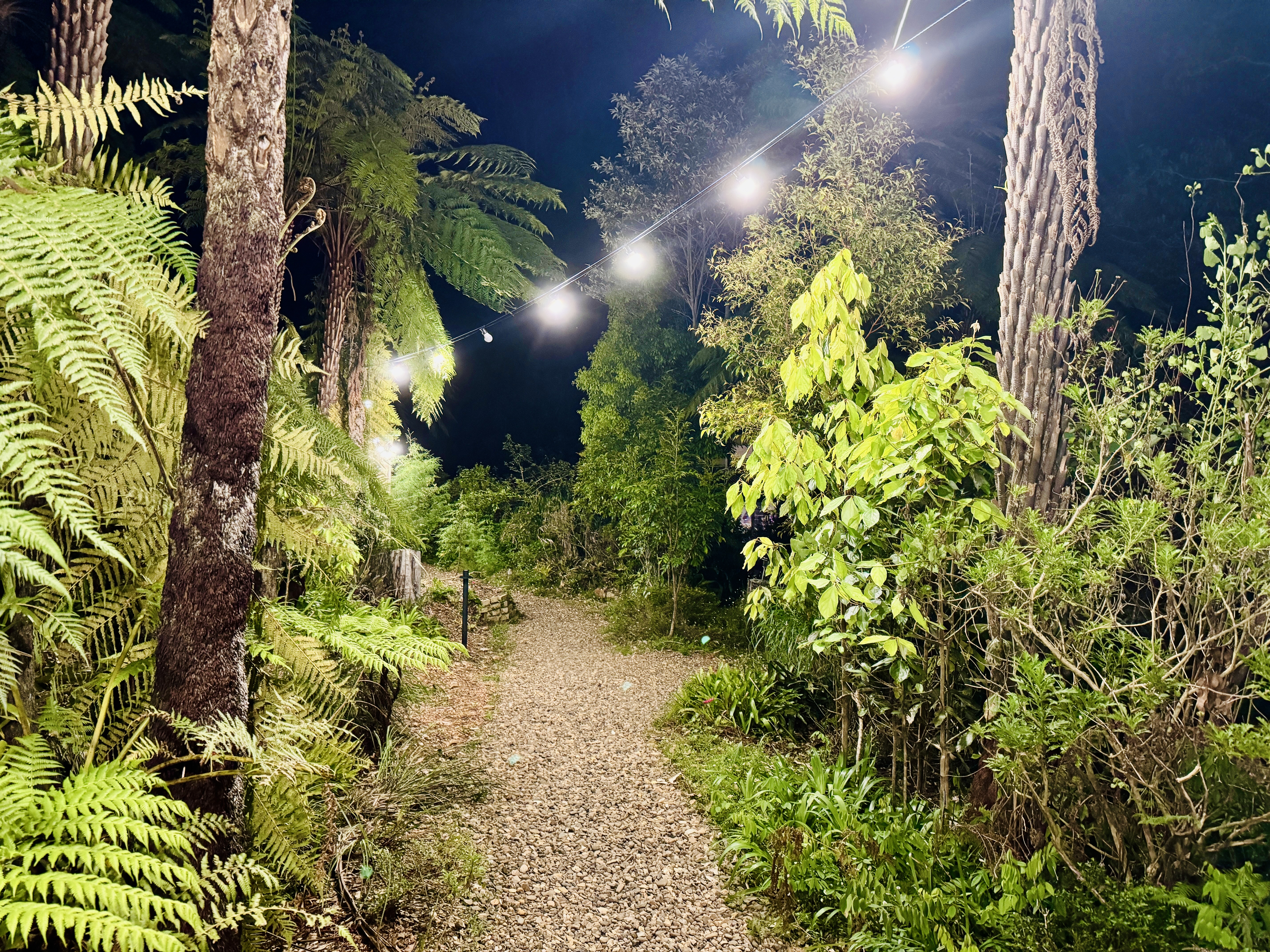
PS. These images have been generated with AI. Kind of fun to play with too 🙂

WRITING PLACE – SETTING THE SCENE!

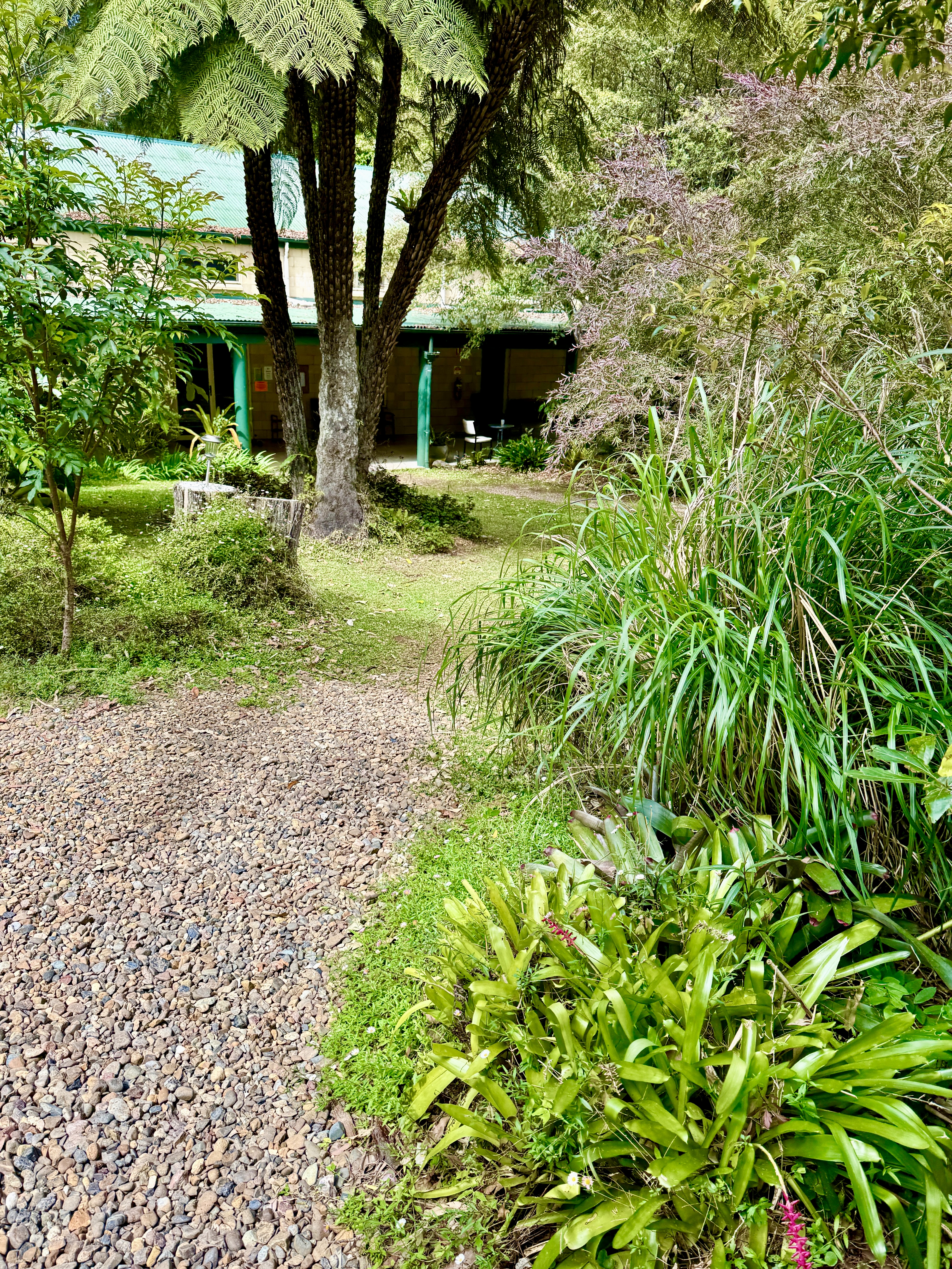
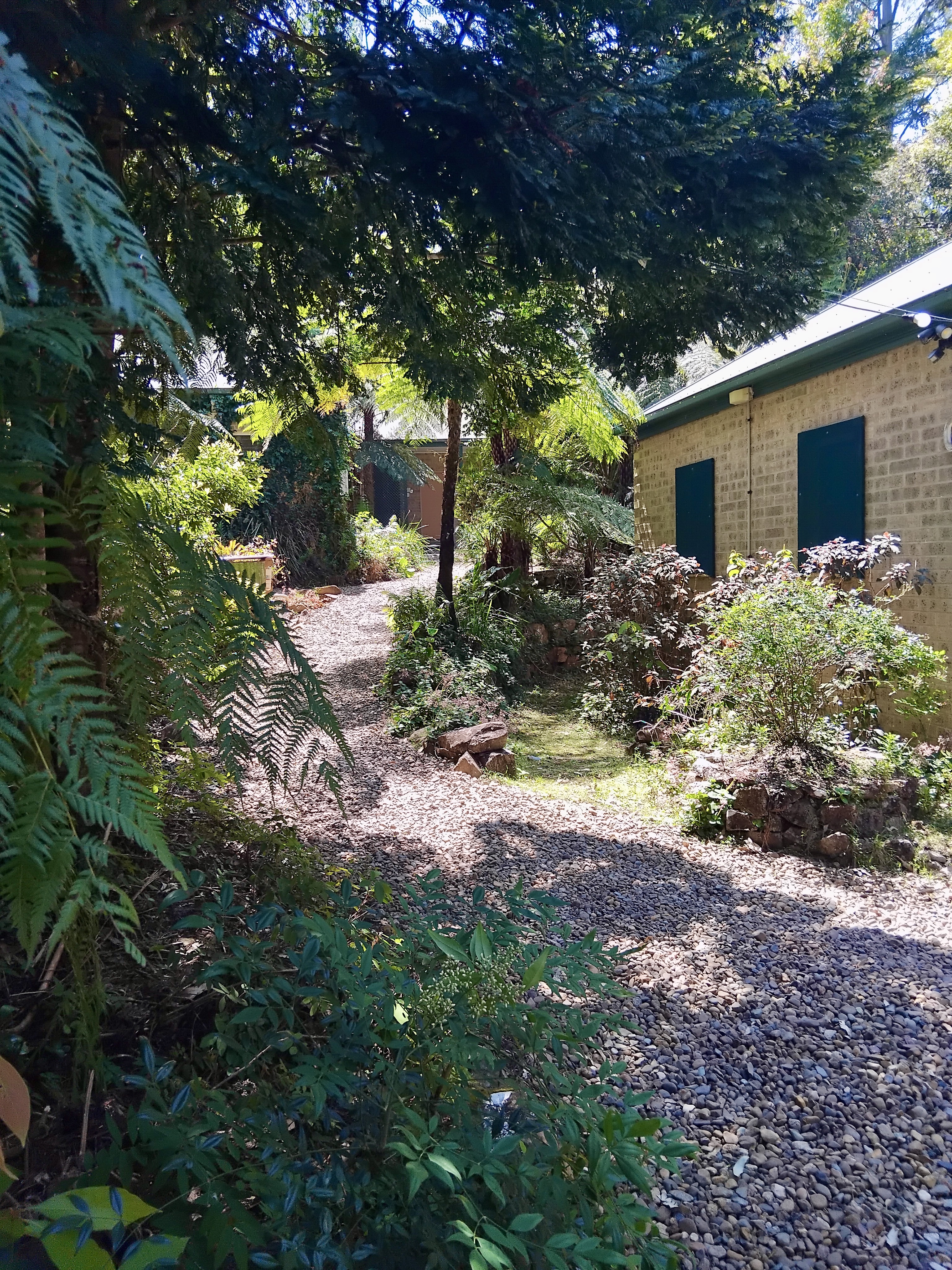
What kind of a story could happen in this setting?

The more I write, the more I realise the importance of setting to the whole story. Characters are important, yes. Plot and structure – of course. But getting your setting working and functioning in all its capacities is also vital. 

Why?

  1. Setting the Scene: Grounding your reader:

The number one reason setting matters is that readers need to feel grounded in the world of your story. 

Fantasy writers mostly understand the need to create the world they envision and translate it to the page so the reader can share this world and imagine their characters within it. However, establishing setting isn’t only important for magical realms, fantasy writers just need to spend more time developing the world on the page than the rest of us, as their worlds are unfamiliar.

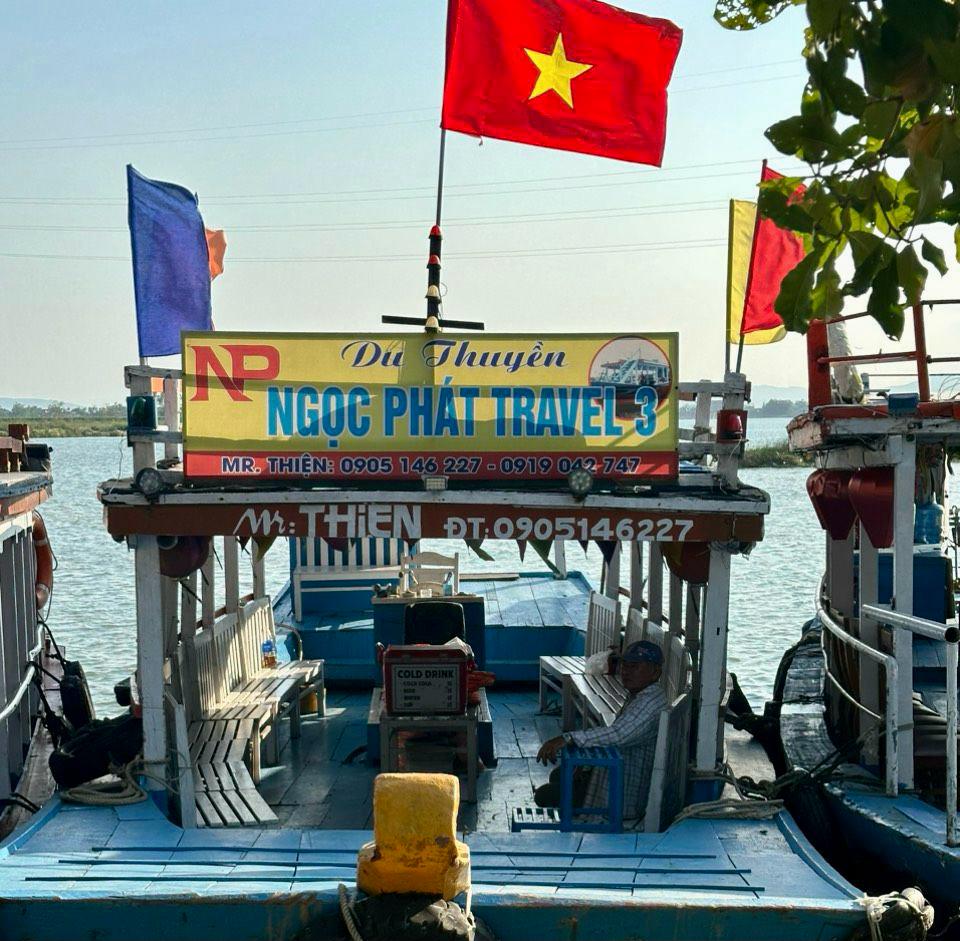
What clues would you write to set this scene?

Writers of historical fiction also need to spend time giving the reader enough clues so they too can envision this other world, set back in time. These days we don’t have the luxury of page after page to do this like Henry James and other 19th century writers. 

Writers today need to choose the very best, most telling details that will set the scene, and then continue to include setting snippets throughout the action, seeding in clues, rather than giving us all the details one big chunk.

Even if you’re writing a story set this year, you always need to establish the setting where the action is taking place – at the start of your story and at the opening of each scene. 

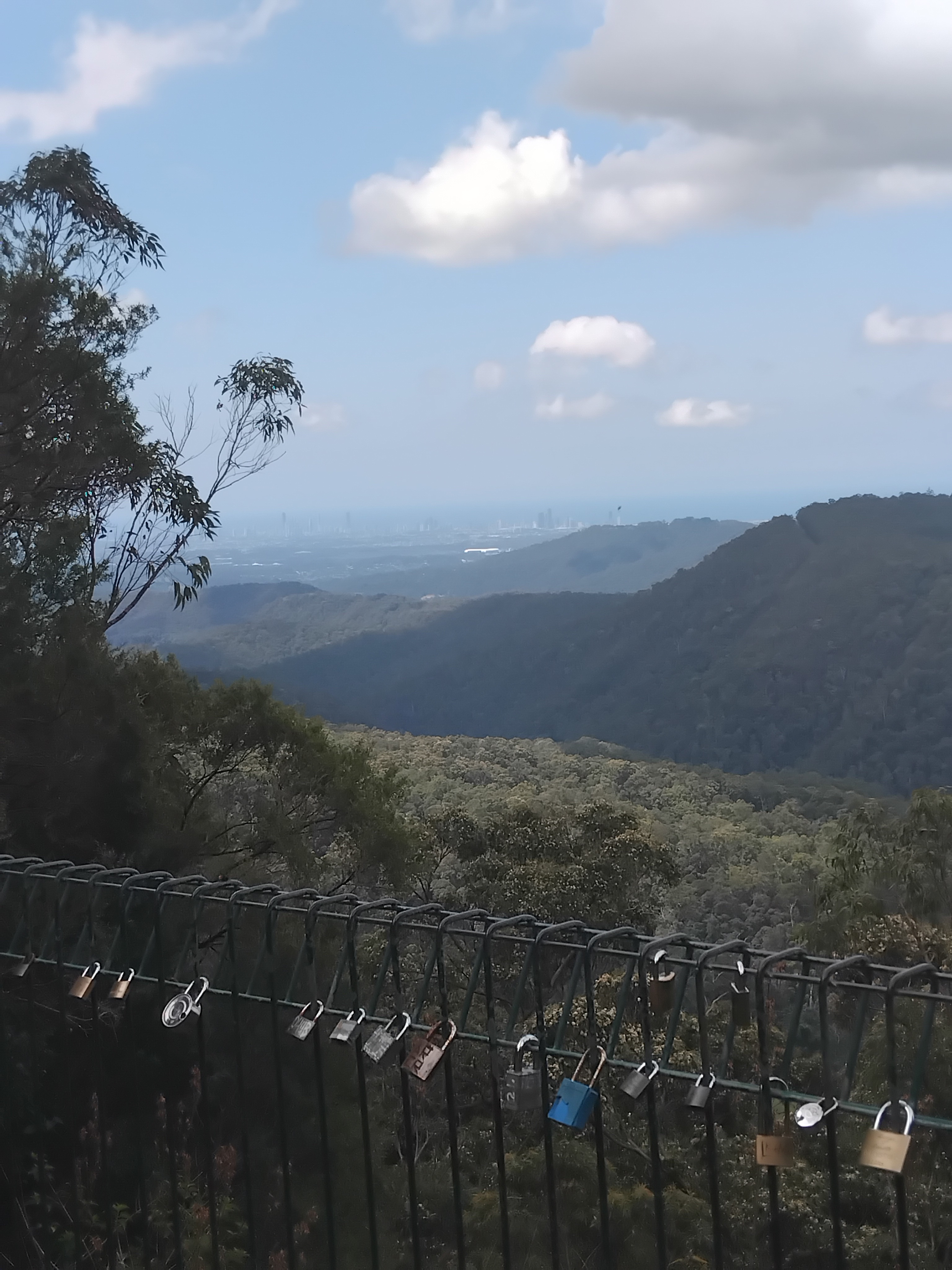
What story lurks in this setting? How would you paint a picture of it with words?

In this era of visual storytelling through film, many new writers assume that, as in the movies, readers can see where the action is happening without being told. But they can’t. 

Unlike in film, we have no visual clues other than those the writer provides. So drip feed in those unexpected, telling, specific sensory details. Without them the reader can’t see where your stunning dialogue is taking place and quickly loses interest because envisioning the conversation is too difficult without enough information. 

Choose the right clues so the reader can easily envisage where the action is taking place. You need to do this with every scene. See also GROUNDING THE READER for more information on how to do this and why it’s important.

2. The Objective Correlative

T. S. Eliot talks about the difficulty of bringing deep emotions to the page and the need to use elements within that environment to illustrate the emotional undercurrents being experienced by the characters. He calls this – the objective correlative, using objects in the setting as symbols of the emotional undercurrent, to illustrate what remains unspoken. The clock that stopped working when the old man died. The tree the couple planted when they were first married, withering and dying as their marriage crumbles. The new seed breaking through the drought cracked earth after the first rain.

Shakespeare knew about the power of setting. He even called one play, The Tempest! The storm in the natural world reflecting the storm in the human story. In King Lear the climactic scene plays out with the background of another violent storm. So don’t underestimate the power of the weather.

Set your story of a country family hitting hard times during a drought, with animals dying, creeks drying up, earth cracking. Set your light-hearted rom com among rolling hills and babbling brooks. And of course, your horror story just won’t work if you set it on a sunny day at the beach – or – think again – Jaws! Maybe it can?  A great juxtaposition – a sunny summer holiday and a killer shark.

Photo by mali maeder on Pexels.com

Use the setting to show us what the emotional undercurrent is, even if the surface dialogue is all playing nice. 

In The Spare Room Helen Garner’s protagonist, Helen, is pruning roses while a friend tells her she thinks she’s doing too much for her dying friend, and with every clip, clip, clip of the secateurs we know she’s getting angrier and angrier.

How can you use setting details to show what’s really going on emotionally? You can choose one element of the setting to act as a symbol or use different elements of the setting throughout to add that extra layer of meaning and emotional depth. See also Setting – More than Just the Scenery. And for using setting in dialogue see HERE and HERE

3. Setting as a character

Sometimes place becomes more than just the stage where the action is set, and becomes a character in its own right with its own arc and changes. If the setting is forcing characters to take action, it is a character itself. Think of 1984 by George Orwell and that dark grimy bureaucratic world of Big Brother, the situation, society and politics, shape the action of the story.

In my own book Thrill Seekers, the dirty mangrove creek I grew up on and the Brisbane River/Meanjin, which it feeds into, help shape the narrative.

Here’s an example from early in the story, before the shit hits the fan. 

“The creek flooded over the mud and lapped at the mangroves, washing away the oil slicks and covering the black. The current sure was strong. Soon I couldn’t see any mud at all, just water racing past like it was going somewhere and needed to get there in a hurry. Like it wanted to take us all on that raft and make us ride with it, faster and faster, wherever it wanted to take us.”

From the middle:

“Empty goon bladders and rumpled cigarette packets slosh around my feet as the dinghy speeds down the middle of the river towards home. The water looks like milk with the full moon shining on it, almost beautiful when you can’t see the dirt.”

And from the ending:

“I stand like a crusty old seadog at the wheel of my ship, feet wide apart to keep my balance, my hands steady. Looking down the river I steer a straight course, right down the middle. Feeling ten feet tall with a chest as wide and strong as a bear’s, I roll with the movement of the boat. Salty water sprays my face, and my cheeks stretch into a mighty grin.”

The Bremer River/Urarra that runs through Ipswich my new hometown.

These are only a few of the descriptions of the river and creeks throughout the story, but you can see through these short examples how they are used to illustrate not only the emotional undercurrents of the character, but also show development and change in the river itself. You can buy Thrill Seekers HERE

At the beginning of Gone with the Wind by Margaret Mitchell, Scarlet O’Hara’s family property, Tara, is lush and richly opulent (on the back of the slave trade sadly) then at the middle of the story, Tara is a burnt out ruin. By the end Tara is returned to a semblance of its former glory, but forever changed.

Dawn Rote Island, Indonesia – a new story begins?

Can you think of ways to make your setting more of a character? 

How does your setting change and grow? 

Do you have multiple settings? What does each of these bring to the story? 

How can you make better use of your settings to ground your reader, illustrate emotional undercurrents or have their own arc?

I’d love to hear your ideas! Let me know what you think in the comments.

Hope this has been useful.

In other news:

A couple of last minute spots still available to our October Relax and Write Memoir and Life Writing Retreat – All the info HERE.

Remember to sign up for my Newsletter for our FREE WORKSHOP on WRITING SETTING! Monday 2 September 2024. Newsletter subscribers only! 

PLUS subscriber only huge discounts on our international Transformational Writing Retreats – Vietnam, Bali and Italy!!

Lots of love

Edwina xx