NINE QUESTIONS FOR STORY SUCCESS

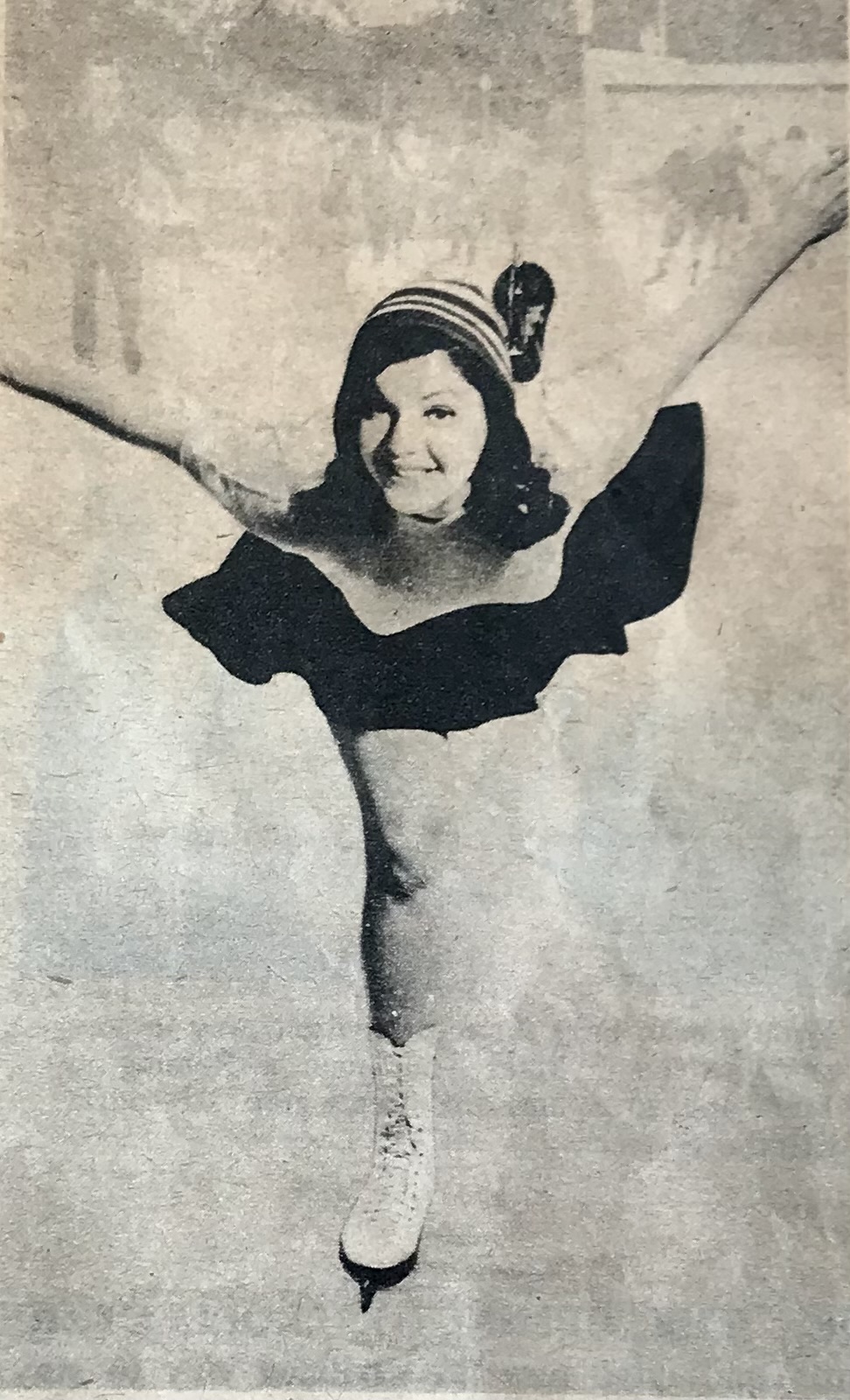
Is this you? Scribbling away on your story surrounded by books? Photo by Maria Maria Acha-Kutscher from Womankind magazine

Uta Hagen, an acting coach, came up with the following approach for actors, based on the Stanislavski method of inhabiting characters, which we can apply to our writing. As in my recent freaky character exercise where we imagine ourselves being in our characters’ bodies, this time too we’re getting right into the character’s mindset, but also thinking about their place in the entire story.

Whatever stage you’re at in your story, and whether it’s fiction, or memoir, ask yourself:

  1. What is the story about? What is it really about? Answering this pair of questions seven times will help you drill right down to the key message or themes at the heart of your story.
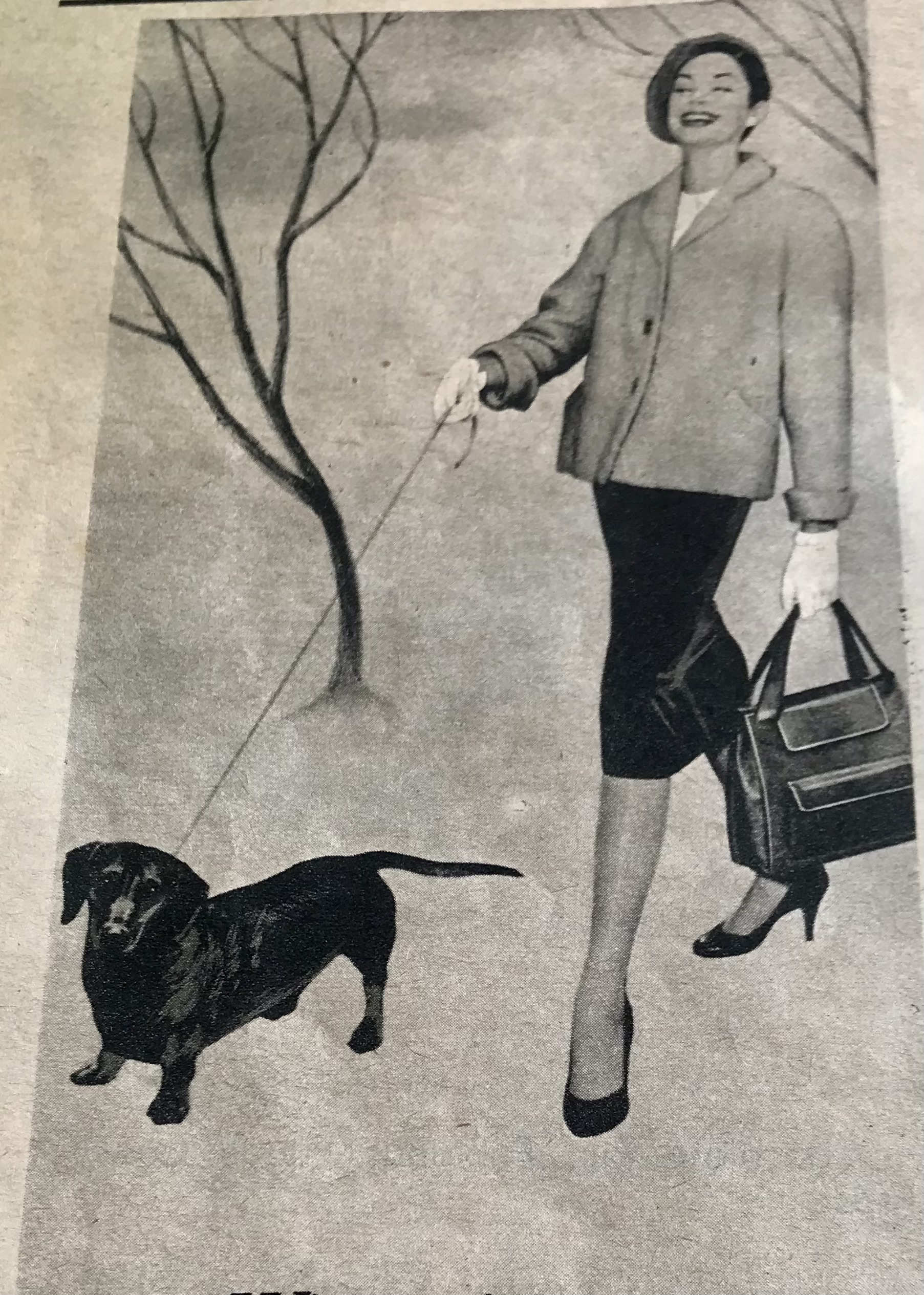
Another great photo from Maria Maria Acha-Kutscher.
  1. What is the tone/genre of the story? Are you writing a light-hearted rom-com, or a dark supernatural thriller? Even if you know your genre – drill down deeper to find the right tone. EG: you can have a quaint historical murder mystery, or a grim political murder mystery. Once you have this clearly in your mind, apply it to your story throughout. 
Depending on your tone or genre this tree could be a spooky evil spirit, or a kooky frog-like friend.
  1. Whose story is it? Which character is your protagonist? Even if you have multiple protagonists, one character will have a little more power than the others. See my article on managing point of view for more on this. This character’s journey through the story is the most important.
  1. What are the basic circumstances of the story (what has happened to the character, what is happening, and what will happen)? Remember your character must ACT! Action and movement, and character changes are not-negotiable if you want to write a story people will want to read.
  1. What does your character want? What is your character’s main story goal? To save the world? To find her daughter? To become a movie star? What is the outward goal, manifested in the physical world?
  1. What does your character need? What is their emotional or spiritual goal? On a deeper level, what is this character really yearning for. Often their physical goal will not bring them this. What will?
  1. How does your character change? What is their story arc? How do they learn and grow through the story? How can you show them overcoming their fears or weaknesses, and transforming them into strengths? 

Photo by David Radomysler on Pexels.com
  1. What is the main conflict of the story? Put simply, what opposition is there to the character’s goals – both their conscious and sub-conscious goals. See Suspense = Hope + Fear for more on this.
  1. What is at stake? If the character fails to achieve their goals, what’s the worst that can happen? It doesn’t have to be the whole world blowing up, but it does need to feel like that for your character. If they don’t destroy the comet the world will explode. If she doesn’t find her daughter, she’ll forever be heartbroken. If he doesn’t come out, he’ll live his whole life as a lie.

Photo by Shahadat Hossain on Pexels.com

Nutting the answers to these questions out before you start in can really help you narrow your focus and concentrate on what is most important to get across in your writing.

But really you can apply these questions at any stage of writing, second draft, half way through, 10 000 words in. Make sure there’s enough at stake and that you’re continually moving your reader between the hope that the character will achieve their goals and be happy, or the fear that they will fail and everything will be ruined forever. Make sure your character is taking action, not just reacting and make sure that no matter how good their intentions, sometimes these actions backfire and make everything worse!

Have fun playing with these! More next time.

Until then! Write like the wind!!

Lots of love

Edwina xx
GETTING INTO CHARACTER! A freaky exercise to discover your characters from the inside out.

Here’s an interesting character!

GETTING INTO CHARACTER!

As a teenager I wanted to be an actor and did lots of drama classes where you inhabited a character’s body and became them, to really understand what they were about and become them on stage.

I’ve adapted these theatre exercises to help me get inside the heads, and bodies of my characters. I’ve used this practice for over a decade myself and used it in workshops on my retreats, with really great results for my participants’ stories.

LET’S DO IT!

  1. Sit quietly, feet on the floor with a pen and paper or your computer ready to go. But not yet. Hands in your lap, eyes closed, take some deep breaths or do one of my Youtube meditations to get into your “creative zone”. 
  • Once you’re relaxed and that shitty inner critic has shut up, imagine you are inviting your character to come and say hello. Some will appear in front of you quickly, keen to have their say. Others can be reluctant (they’re usually the ones that really need help to come alive on the page) so tempt them with their favourite treats. Eg: Beer for a footy-player, lollies for a kid, a cup of tea for a grandma. This can work for fictional characters and those in your memoir – particularly useful for family histories where you’d love to get inside Granny’s head.
  • When they’re standing in front of you, get a good look at them, what they’re wearing, the smell of them, any unexpected clothing details, what kind of shoes do they wear, etc. After the pleasantries, ask their permission to enter their body. (I told you this exercise was freaky!) In your minds’ eye, step forward and into the body of your character.
  • Once you’re imaginatively inhabiting them, FEEL what it’s like to be in their body. How is it different from yours? How do they breathe? How do they move? Where are their aches and pains? How do they walk? Talk? Eat? Think? How busy is their mind? What are their predominant thoughts? Their self esteem? Their self talk? Their thoughts about others?
  • Then feel deeply into their heart centre. What is their predominant emotion? When I did this with my castaway cabin boy character, I was surprised to learn he was filled with rage, more than fear, which was what I had thought. Don’t be afraid, you are still you and don’t have to be stuck in their bodies and feelings forever.  What are they FEELING?
Photo by RDNE Stock project on Pexels.com
  • To finish put a hand in their pocket, or handbag, or under their hat, and pull out a talisman, lucky charm or other special object that they hold dear. What is it? A photograph, old and worn? A love note? A broken watch? A ring?
  • Still inhabiting the character, get them to write a monologue in first person about that talisman, telling the story of why it’s important to them. Free-write for as long as it takes to get that story told.
  • Once they’ve finished, come back into your own body. Visualise stepping back out and into your own body, then tap your heart centre several times, also stamping your feet on the ground to make sure you’re back grounded being you!

What’s her lucky charm? What’s in that handbag?

This talisman story should give you vital clues, not only to the character’s emotional goals, but also to their voice. We need each of our characters to have a clearly individual voice and getting them to tell a story in first person is the best way I know to find their unique traits.

You don’t need to include the story in your book, but it will give you great clues to the character’s motivations and how to use their unique voice in dialogue and point of view chapters. You can easily change the monologue into third person if necessary.

Want more tips on character development? Try these extra articles:

CREATE COMPLEX CHARACTERS IN 5 EASY STEPS

And THE C WORD METHOD FOR CREATING CHARACTER DRIVEN NARRATIVES

Let me know how you go with this freaky, but fun, exercise of the imagination.

What works best for you when developing characters? I’d love to learn.

Lots of love

Edwina xxx

PS. Early bird prices for our fabulous Heavenly Hoi An Retreat Feb 2- 7 2024 end on 30 September. Don’t miss out!