FINDING THE HEART OF YOUR STORY – GO DEEPER

What is your story about?

What is it really about?

These are the important questions, writer and teacher of writing, Robin Hemley  gets writers of memoir and non-fiction to ask themselves. Seven times. Each.

So, what is your story about? What is it really about? Write your way down to find the hidden depths and themes of your work. It’s not just for non-fiction writers either, fiction writers benefit from exactly the same process. If you ever get the editorial comment, “Go deeper”, you need to ask yourself these questions and delve into the emotional and spiritual heart of your story.

Dig deep!

You can try doing this before you’ve written a first draft but for me it always works best once that crappy first draft is on the page. 

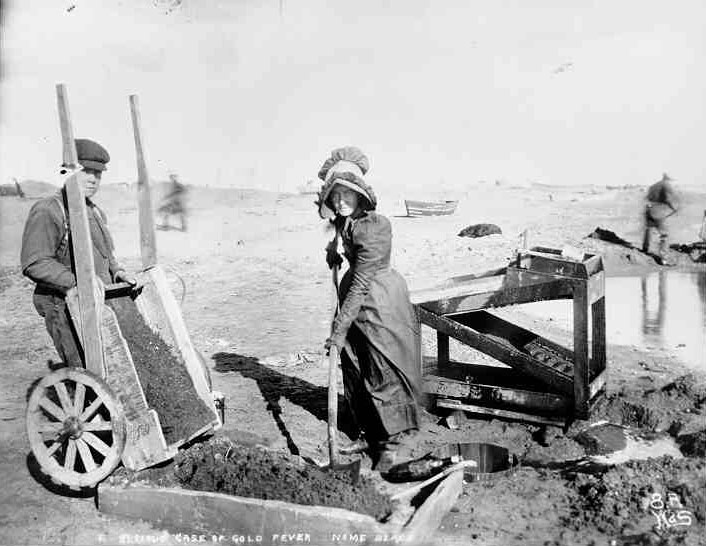
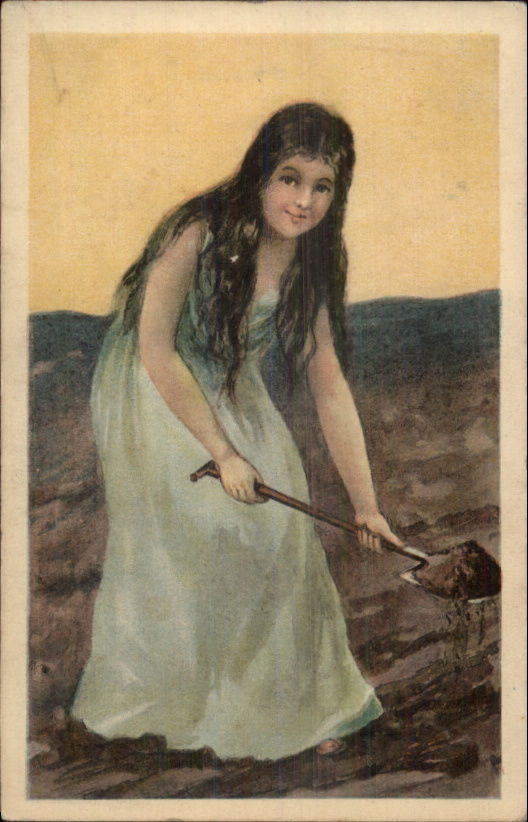
Amanda Lohrey, esteemed Australian author, who I was lucky enough to have as an advisor for my Masters Degree in Creative Writing at the University of Queensland, calls this initial stage of writing, that shitty but all important first draft, EXCAVATING. And that’s just what we’re doing, digging around, digging deeper and wider, throwing everything in until somewhere along the line, maybe two or three drafts later, we strike gold. But we can’t find that gold until we do the messy work of delving deep.

It’s messy work!

For me this process works best if I sit and focus first, clear my mind and send that troublesome inner-critic from the room. See my guided meditation on how to do this.

Once you’re centred and settled, tune into your body and the emotions that are stirring and wanting to be expressed in your story. Sit with that story or scene or section, FEEL it, then plunge into a big free write around it. Throw in everything that floats to the top of your consciousness. Anything. Everything. Write fast and furiously until you have exhausted the topic.

Keep digging!

Usually I’m a big believer in less is more, but in this case more and more and more is better. Sometimes there’s a whole mountain of scrap metal, rocks and dirt that has to be cleared away before you strike that shining vein of gold. 

Find your vein of gold

Write your way deeper and deeper, right around it and through it and you’ll eventually find your gems. Then you extract your precious jewels from all the detritus and insert only the very best, polished stones into your story. 

Don’t worry about all those wasted words. I keep files of offcuts, just to soothe my anxious self, and though most of the time all that trash stays in the trash, sometimes I fossick out another hidden gem to use in a different story.

Are you shying away from the emotional heart of your story? Don’t. Dig deep. Mine your body and life for feelings and meaning and allow them space in your writing. 

Find your gold and jewels then go and celebrate with your writing buddies 🙂

After all, what are we writing for? I don’t know about you, but I write to move people. To make them feel something. To give them a chance to walk in someone else’s shoes. As writers we have the greatest tool for spreading compassion at our fingertips. Through story we get as close as is possible to the world experience, life, and heart of another human.

That is a great gift.

Don’t be afraid to write your heart onto the page. It is what creates connection. And in these challenging times, we need connection more than ever.

So, what is your story about? What is it really about?

Have a go and let me know what you come up with!

Our Inside Voices launches this weekend!

In other news, we’re launching Our Inside Voices, this Sunday 23 August 2020 10:30 – 12 at Orleigh Park West End, opposite the entrance to Montague Rd. Come along and say hi. I’ll be doing a reading along with a few of my fellow contributors.

Take care and keep smiling through all this madness. The world is still a beautiful place full of joy and wonder.

Nasturtiums and Hibiscus

Lots of love

Edwina xxx

WILL SHE OR WON’T SHE? – SHAPING PLOT THROUGH CHARACTER DECISIONS

Recently I attended a Screen Queensland, Wendall Thomas screenwriting workshop on developing plot through decisions.

Wendall’s main message was this – Structure your plot through character decisions.

As we know the very best plots spring from the intrinsic motivations and flaws of our characters. Their goals, hopes and weaknesses create meaningful plotlines that are compelling because we are invested in the characters. Alternatively, plots that are imposed on characters can feel contrived and don’t have the same emotional drive that keeps us reading.

According to Wendall, each decision has three elements.

MOTIVATION – what situation/idea/goal/event forces a decision upon this character?

DECISION – what choice do they make in response to that motivating factor?

And finally

CONSEQUENCES – what events does the characters decision set in motion?

These elements remind me of my days teaching kids with behaviour disorders in juvenile justice centres. On every wall were posters proclaiming a very similar process to get them to reflect before they took rash actions that could potentially land them in even deeper trouble. STOP. THINK. OPTIONS. CONSEQUENCES. ACTION.

Stop and Think before you act!

A character has to act not just react. This process of shaping the plot through their decisions forces them to take active responsibility and turns a sappy passive protagonist into a vital force in your story, novel or screenplay.

In all forms it’s important to transform these internal decisions into external actions. To not just say, Bobby realised that killing the cat would get him in trouble, but to show Bobby, swinging the cat by the tail until it shrieked, but then stopping, holding the cat to his chest, wrenching its face up to look in its eyes, then setting it free.

Dora Marr – Boy with Cat

Each decision has its consequences. Some good, some bad. As Wendall kept saying – every decision takes your character one step forward and then two steps back.

Let’s just say Bobby made that decision to set the cat free, but it was wounded and someone had already seen him with it. When it limped home, the owners called the police and Bobby was arrested. As the police approach him Bobby starts throwing punches, swearing and reacting as he’s always done, but one of the officers speaks kindly to him and Bobby thinks better of it and calms down. Goes with them peacefully. 

After the inciting incident that sets up our story, the protagonist must decide whether or not to take up the challenge it presents. Once they do, they are propelled into the second act and continue to make decisions that move them one step forward and two steps back all the way through to the climax. Some decisions seem sensible, but others, motivated perhaps by their fatal flaw or a deep-seated weakness, we know from the start are only going to make things worse, much worse.

At the watchhouse, Bobby is taken aside by a corrupt officer who tells him he’ll let him go if he becomes an informer and feeds him information about the drug running bikie gang Bobby’s violent uncle heads. Bobby shakes the corrupt officer’s hand, puts the cash in his pocket and we know things are only going to get a whole lot worse from here.

So remember, MOTIVATION, DECISION, CONSEQUENCES and show us those decisions in ACTIONS that manifest the characters feelings and realisations.

As we hurtle towards the climax of our stories, propelled by decisions that really aren’t going so well, the decisions become increasingly reckless as the character is put under more and more pressure. Consequences get more and more dangerous.

Let’s say after informing a couple of times, Bobby sees Uncle Roger stash a couple of gym bags full of cash under the house before he heads out on his Harley. Bobby gets his phone and clicks on the police officer’s number. But then, just as the officer answers, Bobby shoves the phone back in his pocket, and scrambles under the house, emerging with a bag full of cash.

Then he turns up at his young girlfriend’s place and tells her to pack a bag. They’re both heading off down the street when the cat he hurt crosses their path. His girlfriend stops to pat it and they waste precious time. The bikie gang roars around the corner.

UHOH!

Decisions that your character makes early on in the story manifest themselves in consequences in the final act. Bobby’s decision to become an informer brings him into all sorts of dangerous circumstances he could have avoided. Even the cat plays a role in delaying his escape.

In every book you read and every film or TV show you watch, keep an eye out for how those character decisions are shaping the story.

And if in your own story your character isn’t making any decisions of their own, but is only reacting to external forces, give them some backbone and get them making decisions to give your plot a whole lot more OOMPH!

Start making history with your stories

Hope that helps you whip your stories into shape.

Keep smiling and keep writing through all the madness now surrounding us.

All is well. 

Lots of love

Edwina xx