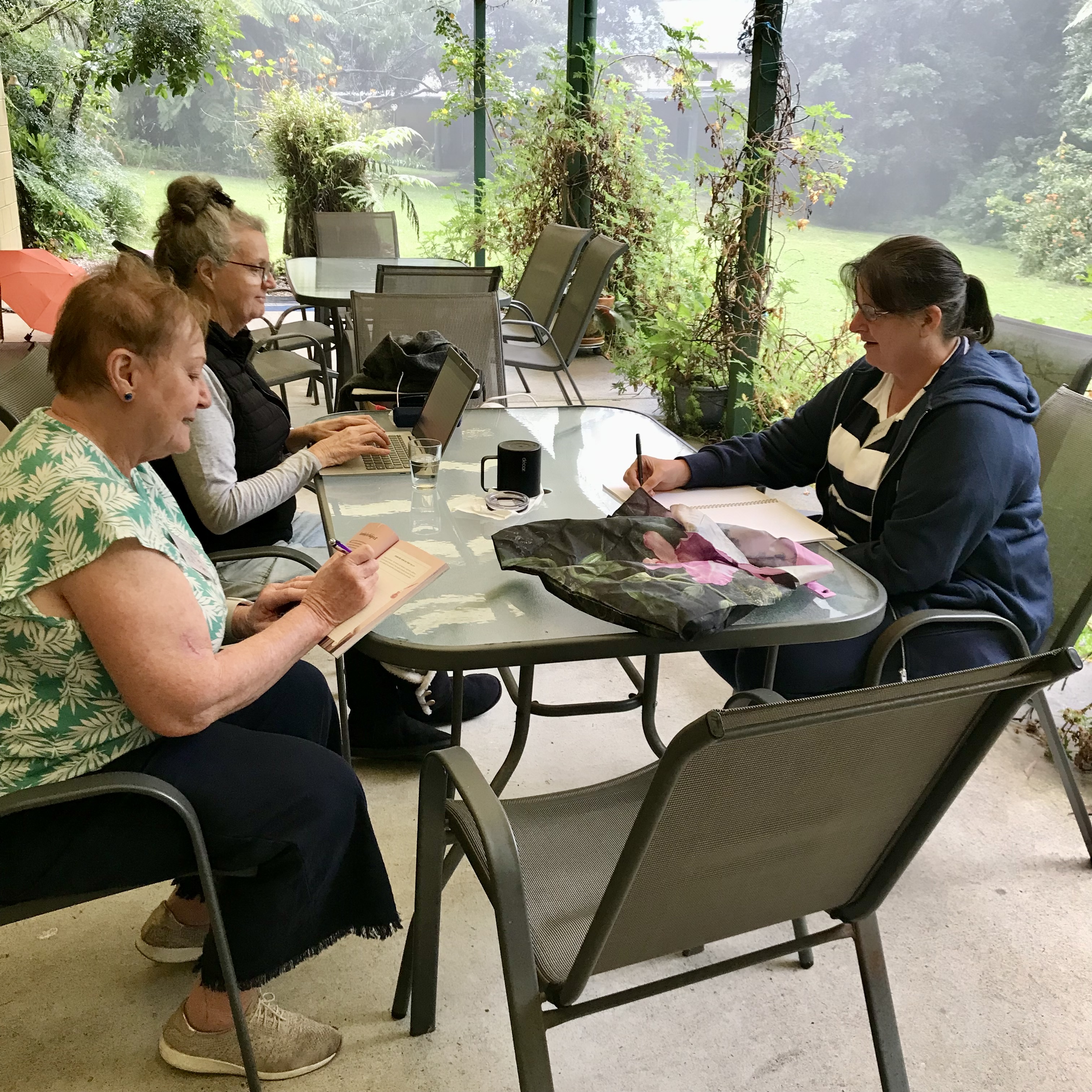
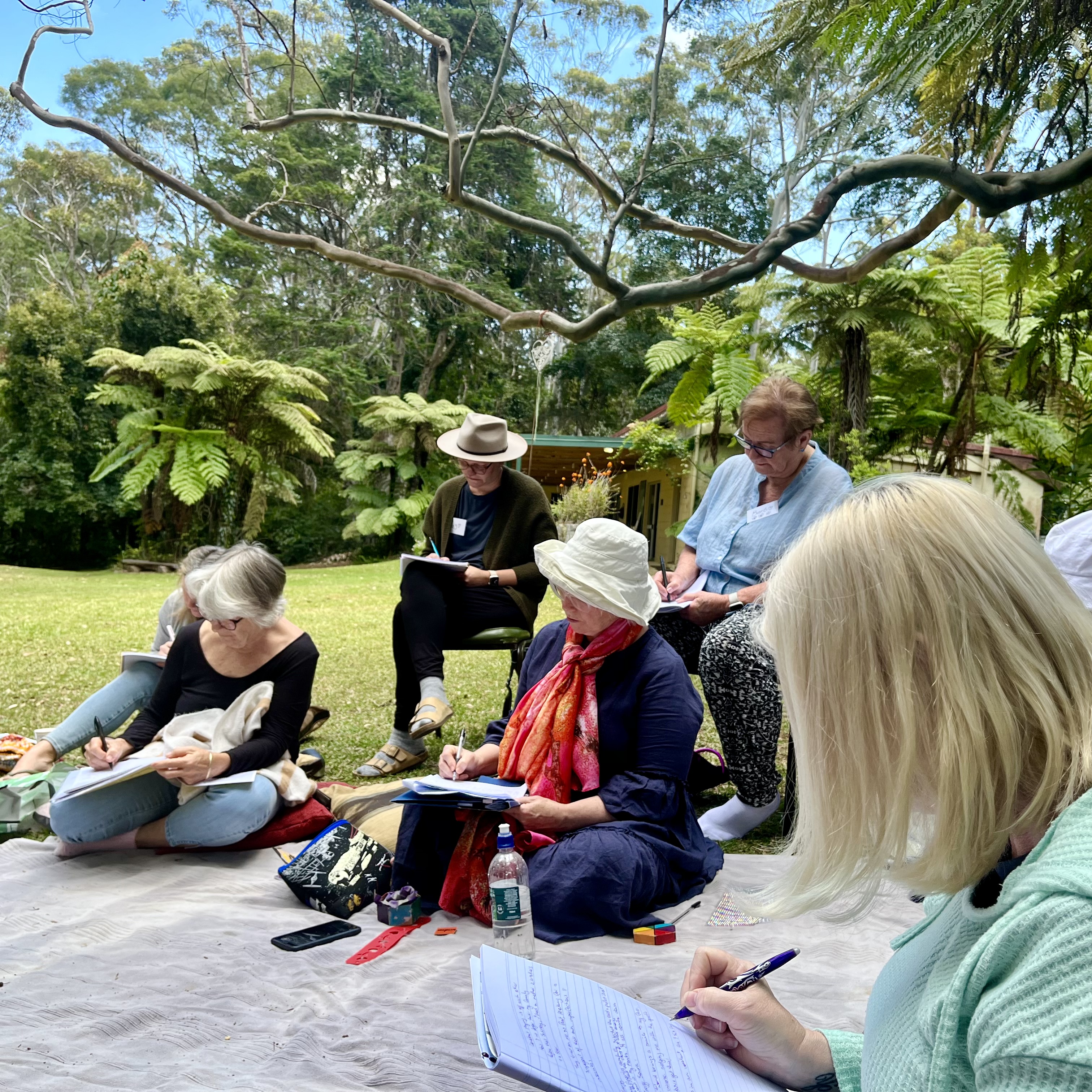
Retreaters writing and giving and receiving feedback at our April Retreat.
When we are working on a story we can get lost in the forest of words and can’t see a way through. Other writers can help. And we can help them find a way out of their own dark woods.
One thing I know for sure is that I’ve learnt the most about writing from giving feedback on other writer’s stories. It’s so much easier to see where things are getting off track in someone else’s writing, than in your own.
Why?
In our own stories we live in that world we’ve created. We fill in all the missing gaps and plot holes that may be on the page with the thousands of extra unwritten pages in our heads. We know why that character is acting so strangely (it was their terrible battle for attention with their sister in childhood) but we can’t see that the reason hasn’t made it to the writing.
We sort of know when there’s a plot hole but think perhaps no one else will notice. Sorry to say, they do!
The same thing happens with proofreading, our eyes no longer see the words on the page, only the words we expect to be there. We need other eyes. Eyes that haven’t been living the story as we wrote it. Eyes that see only what’s made it to the page and what’s missing, or what can go. Yes, those bits, the darlings that have to go. All those extra trees, blocking our view of the path!

Don’t struggle on alone with your project, get some feedback from other writers who are kind and understand that writing a book is no easy task. Writers need each other. Yes, we mostly like to write alone, though all those people who produce great work at Writing Fridays in QLD and in other writing groups like company, but ALL writers need other writers to help them see their work more clearly and bring it to publication standard.
If you are searching for Beta Readers who are writers, then join or start a small writers’ group where you can exchange work and give constructive advice on how to fix any flaws.
I like to keep my writing groups small, four or five or even less will do. I’ve met my writing group buddies through attending retreats and workshops, writers’ festivals and even on buses.

Writing group meetings can be lots of fun!
Team up with a few like-minded people on the same writing path as they understand the Herculean task of writing a book and will be able to give you helpful feedback, not just the “jolly goods” from family.
Here are some simple tips to help you give and receive feedback on your writing.
HOW TO GIVE FEEDBACK
- First do no harm. Remember that writers are sensitive folk. Be gentle in your feedback but also helpful.
- The aim is to make the piece of work the best it can be, while keeping the writer’s heart and soul intact.
- When giving feedback keep the work as the subject. EG: This chapter isn’t working as well as others or This sentence is hard to understand. Avoid making anything personal by not using “you”. Eg: “You write like you don’t know that character at all”. Instead, “That character isn’t as fully developed as the others”.
- Give your emotional response as you read through. Are you feeling happy for the character here? Or afraid?
- Notice what’s working well, and what areas aren’t.
- Praise what is working – here you can be personal – You did a great job with that scene! – and gently point out areas that need more work.
- Give tips on how to remedy the problem.

WHAT YOU’RE LOOKING FOR
STRUCTURAL STUFF
- Is there a hook? What’s grabbing the reader’s interest and keeping them reading?
- What’s the central quest or question? – is there a through line that carries the piece?
- What’s at stake? Is enough at stake?
- Point of View – is the right person telling the story. If multiple POV characters, are the right ones telling the right bits. Is the writer head hopping rather than staying in the POV character’s voice?
- Is it starting at the right place? Where else could it start? Start with a hook!
- Does it end in the right place? Each chapter, each scene.
- Is anything slowing the story down? Is it compelling or are there a lot of scenes that aren’t really going anywhere or moving the story forward?
- Characters: Are they engaging? Do you empathise with them, or at least find them amusing if they’re not meant to be likeable? Is the main character making decisions and taking action, changing and growing?
- Are there SCENES? Or is the writer telling and not showing?
- Is it making sense?
- Setting. Can you clearly envision where action or dialogue is taking place?
- Is dialogue used? Is it working well? How can it be improved?
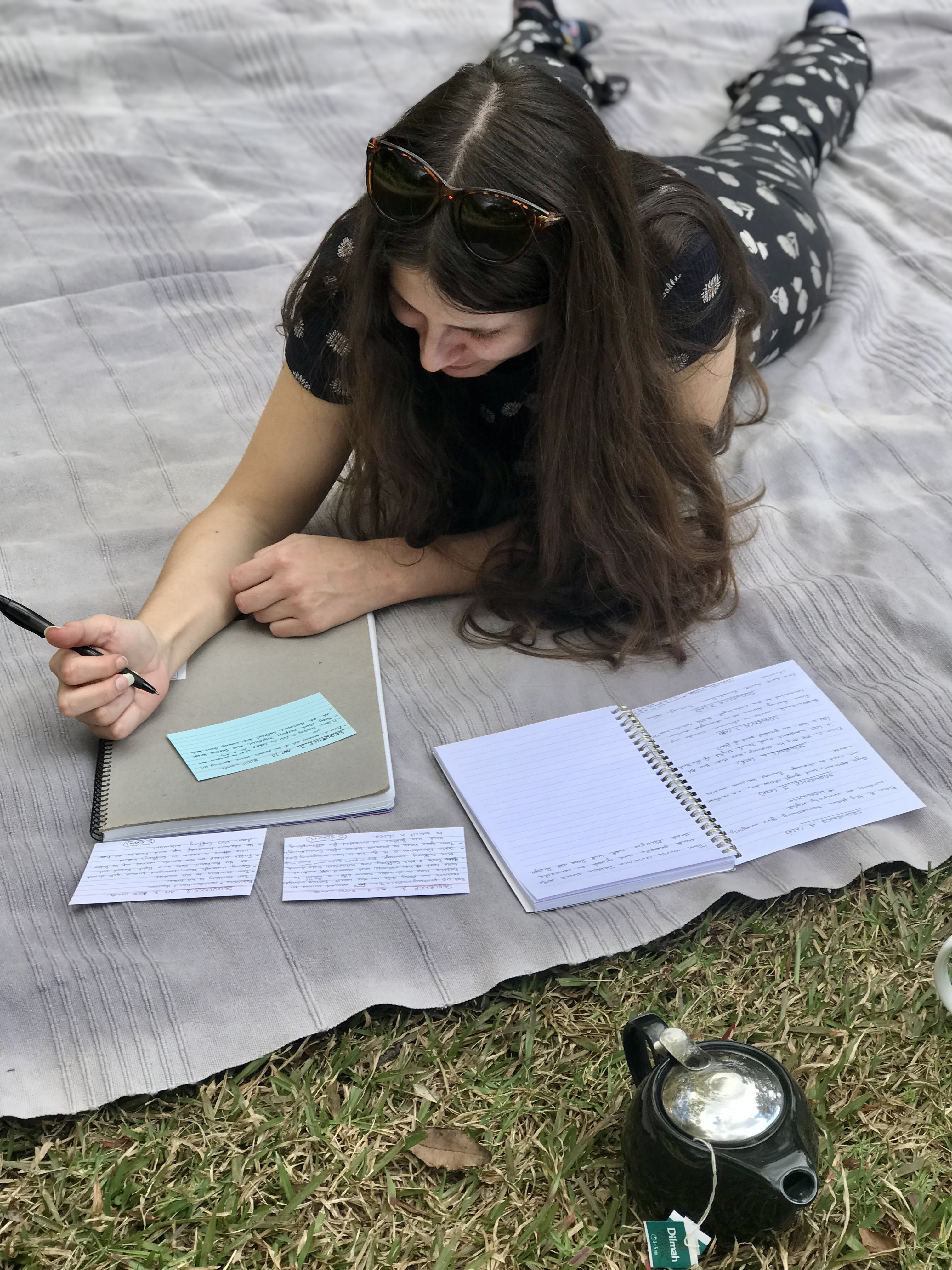
LINE EDITING
- Trim down unnecessary adjectives and adverbs
- Remove all extra padding from sentences. Each sentence should be easy to understand and get the intended meaning across clearly, without extra words getting in the way.
For more on line-editing see SELF EDITING 101.
The main thing to remember when giving feedback is that writers are sensitive souls, their writing is precious to them and they’ve worked hard on what you’re reading. Be gentle and encouraging, but also help them to improve their work with specific, story related and framed advice.
Keep your advice constructive. Not, “You suck at dialogue” but “The dialogue in this section doesn’t sound natural yet”.
Always find at least three good things in every piece to balance out the criticisms. Start and end with the positives – even if you have to repeat them.


HOW TO RECEIVE FEEDBACK
- First, get your story into the best possible shape you can and present it professionally. Then put on your big girl pants and send it out, knowing that this process will improve your story and help you to develop as a writer. I like to do direct swaps so both parties are going to be receiving critiques simultaneously – fair is fair.
- Ask specific questions about the advice you’re seeking – eg: Is this character working? or Tell me where it gets boring. Or Am I starting in the right place? Am I head jumping? Am I writing in scenes?
- When you get the feedback. Stay quiet. Just let the other person give their opinion and resist the urge to jump in straight away in defence of your work. Just listen to the critique all the way through. Say thank you.
- Remember people are taking the time to read your work and help you improve it. They are trying to be useful and to help you make your piece the best it can be.
- Don’t take critiques personally. Don’t react immediately and leap into a new draft.
- Let the feedback settle for a few days at least.
Most of all TRUST YOUR GUT. You’ll know what criticism feels right. “Oh yeah, I thought that character was kind of blah”, or “I knew I should’ve started there! YES!”.
You are the writer, and YOU HAVE TOTAL CONTROL OVER YOUR WORK. You make the ultimate decision over what feedback to accept and what to let go. Take your time and be kind to yourself.
BOTH PARTIES
- Be respectful and kind at all times.
- Have fun and enjoy helping each other.

Sharing our writing in this most intimate way, assisting our writing friends to polish their work to high standard and receiving their comments on ours with grace, is a great joy. Who else gets to sit around together talking about characters as if they’re real and then decide what we’ll do to them next?
SUBSCRIBE TO MY NEWSLETTER if you’d like to join our Writing Buddies Facebook Group and for other special retreat discounts.
My Feedback and Revision Relax and Write Retreat is coming up soon! We’re full to the brim with eager beavers ready to share their work with others and learn all the tricks for self-editing and submitting to publishers.

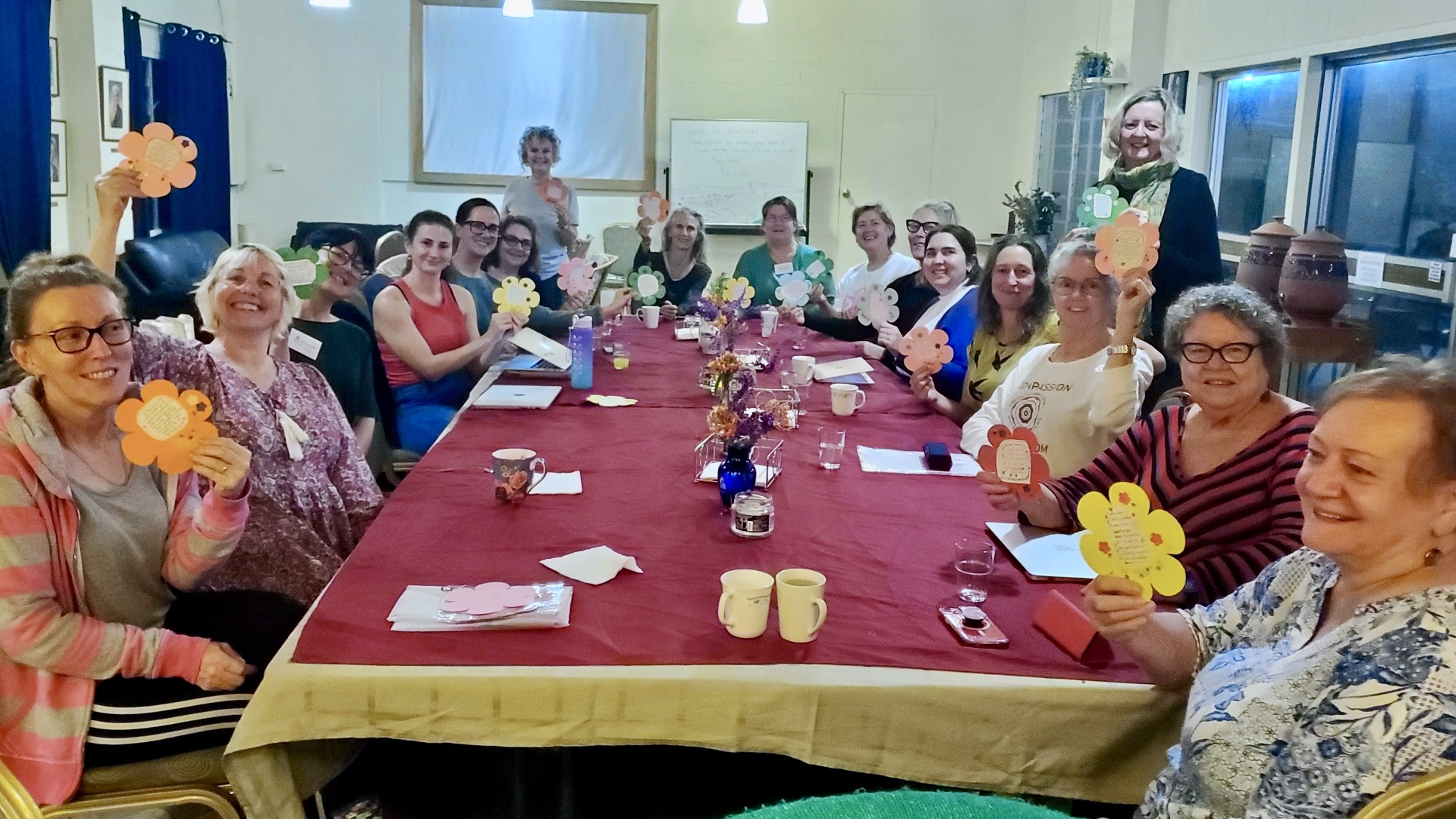

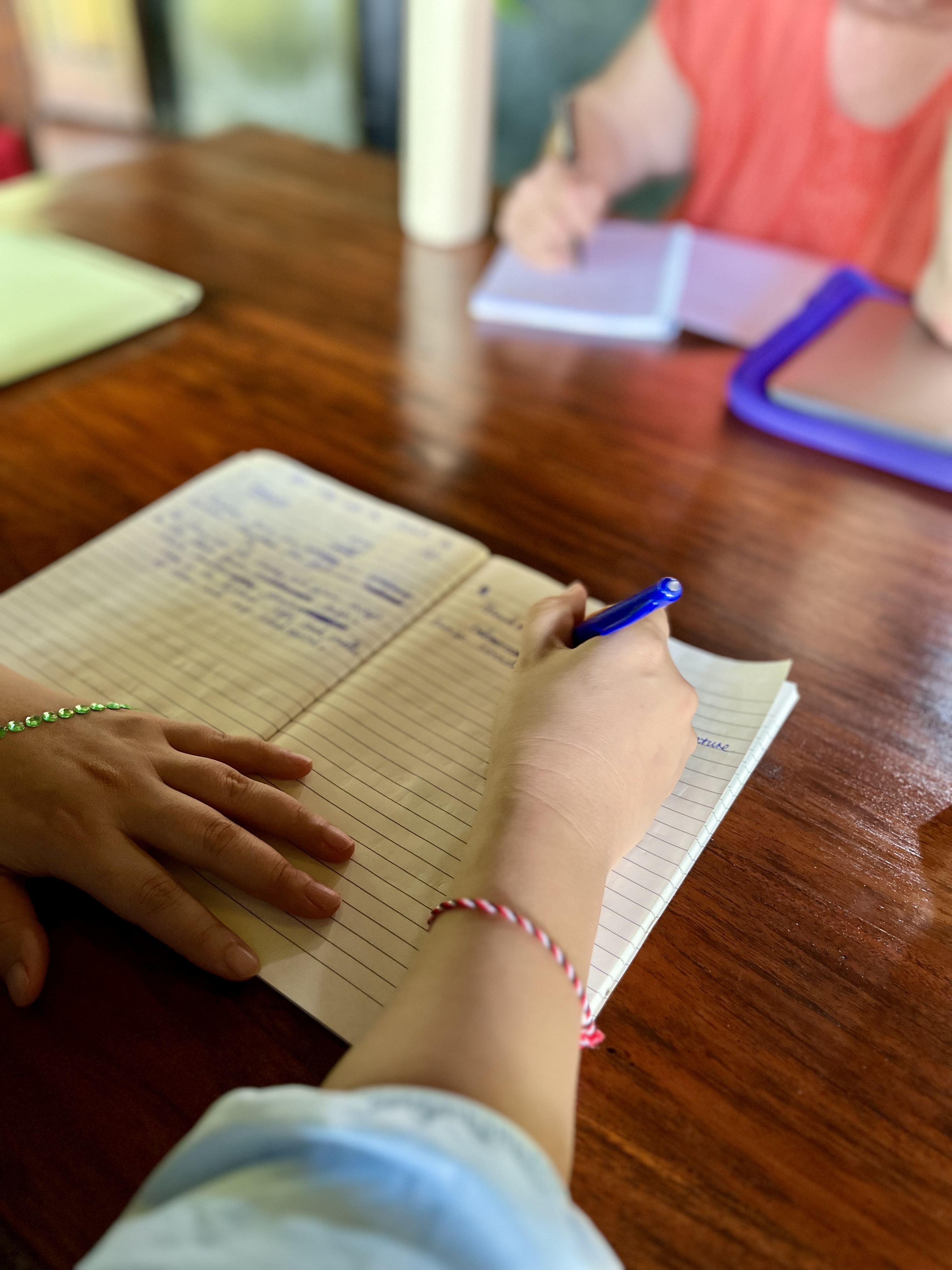


If you’d like to join us in August 2025 and set that as your date for finishing your first draft (or second or third or tenth) then just drop me a line!
Places are still available for our Memoir and Life Writing Retreat October 18 – 20 in beautiful Springbrook in the Gold Coast hinterland. Prices start at only $550!! Check it out HERE
Heavenly Hoi An (February 10 – 16 2025) and Blissful Bali (23 – 29 June 2025) are now open for booking. Are you ready for one of these grand and wonderful writing adventures? Hope so! I’d love to see you in one of these beautiful places writing up a storm. BOOK NOW and grab your spot.

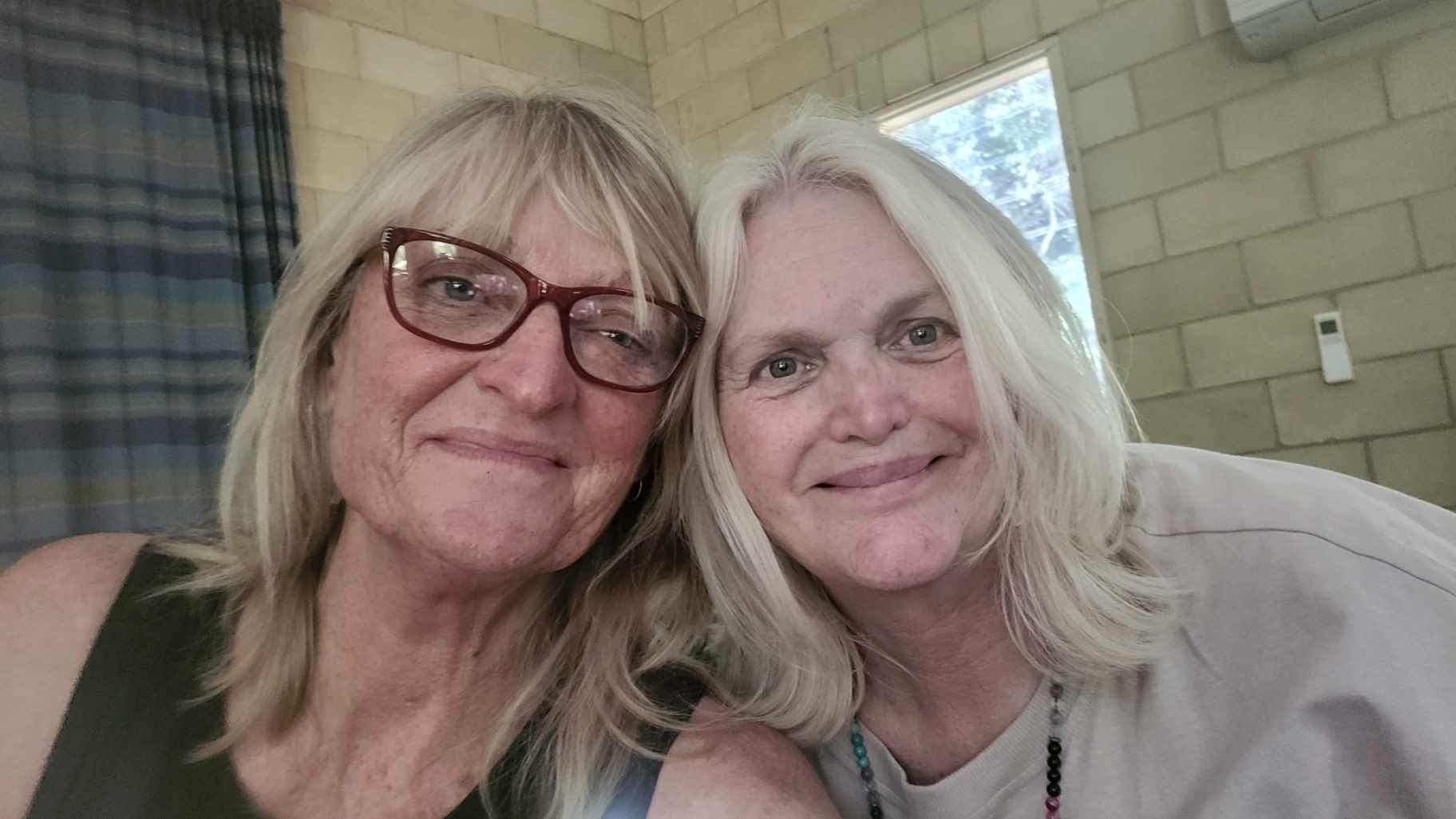
Me and the lovely Laurie checking out HOI AN old town at the Vietnam retreat earlier this year,
Do you have a writing group? A writing buddy? What works best for you and your stories?
Let me know. I hope these tips have been useful.
Have a wonderful writing day!
Lots of love
Edwina xx






 Edwina Shaw