WHO IS TELLING THIS STORY? Managing Point of View

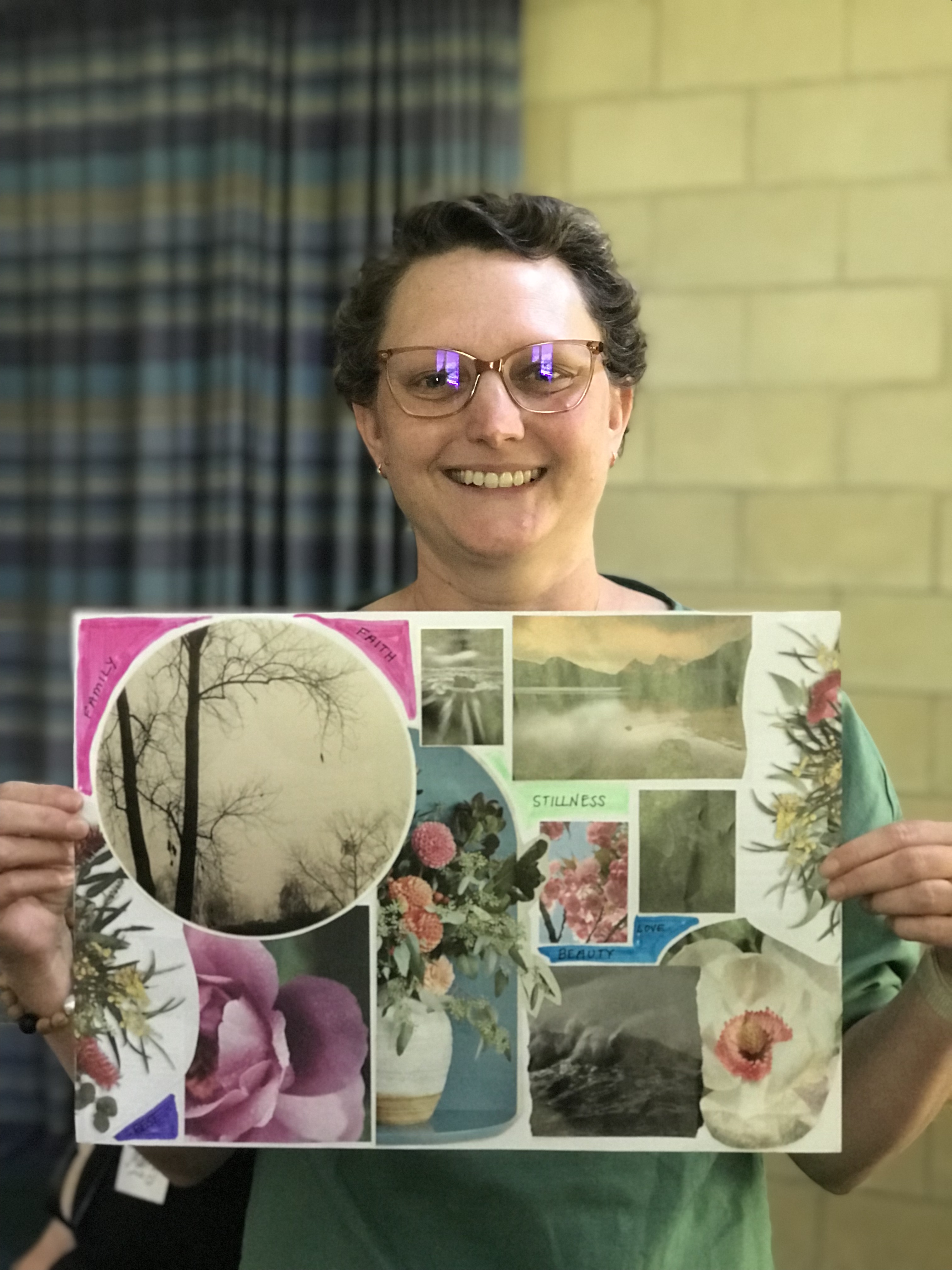
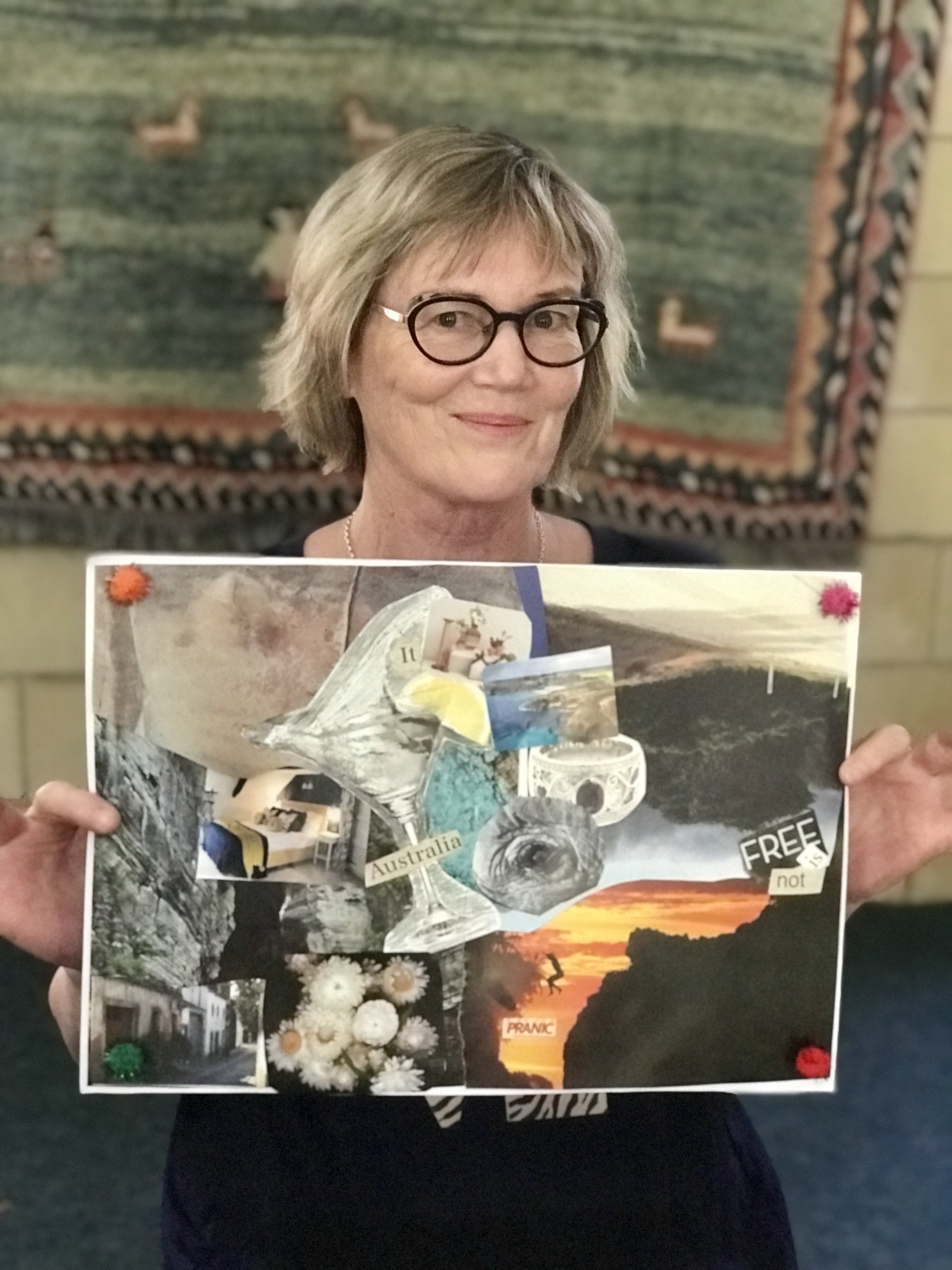
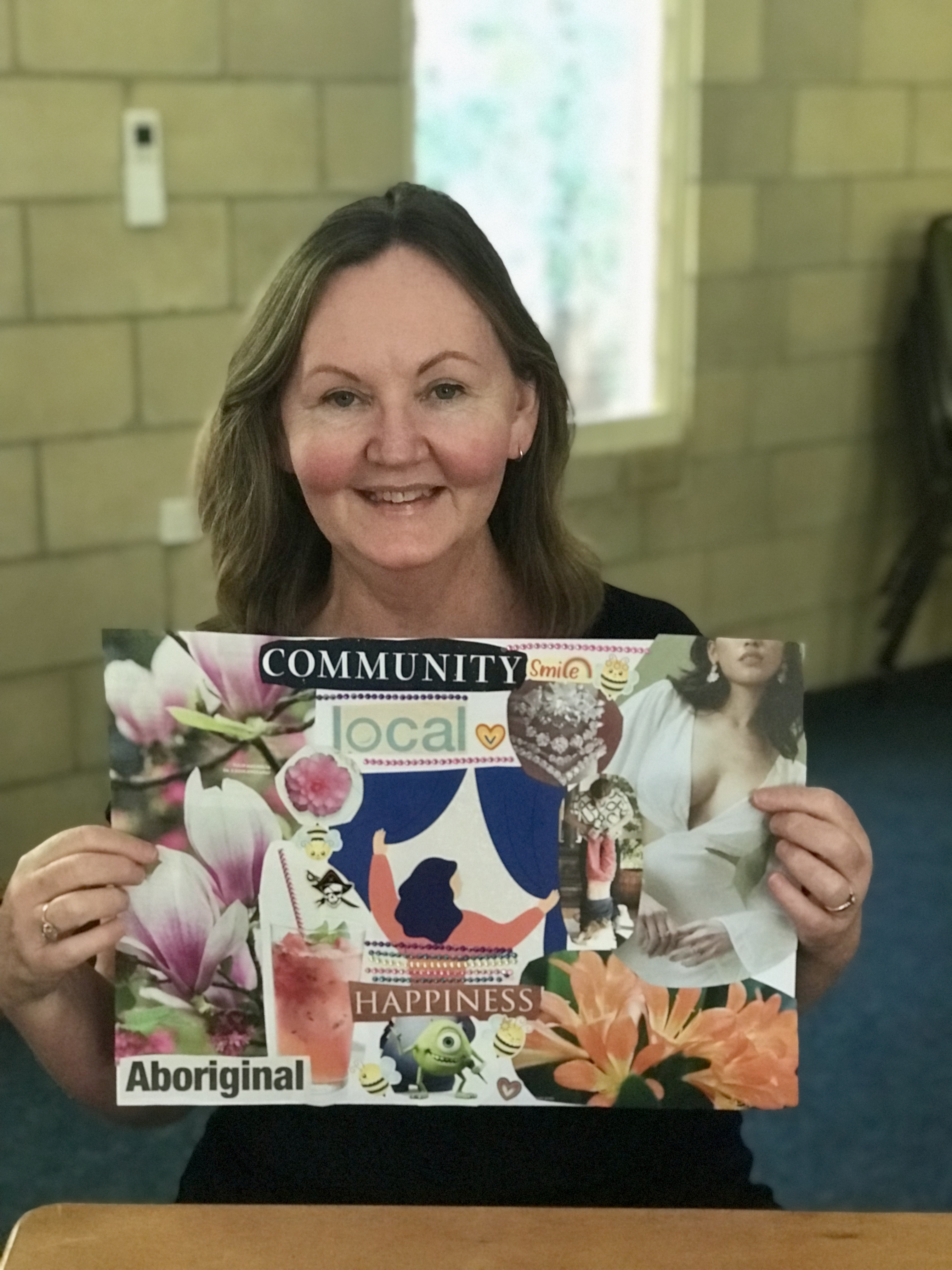
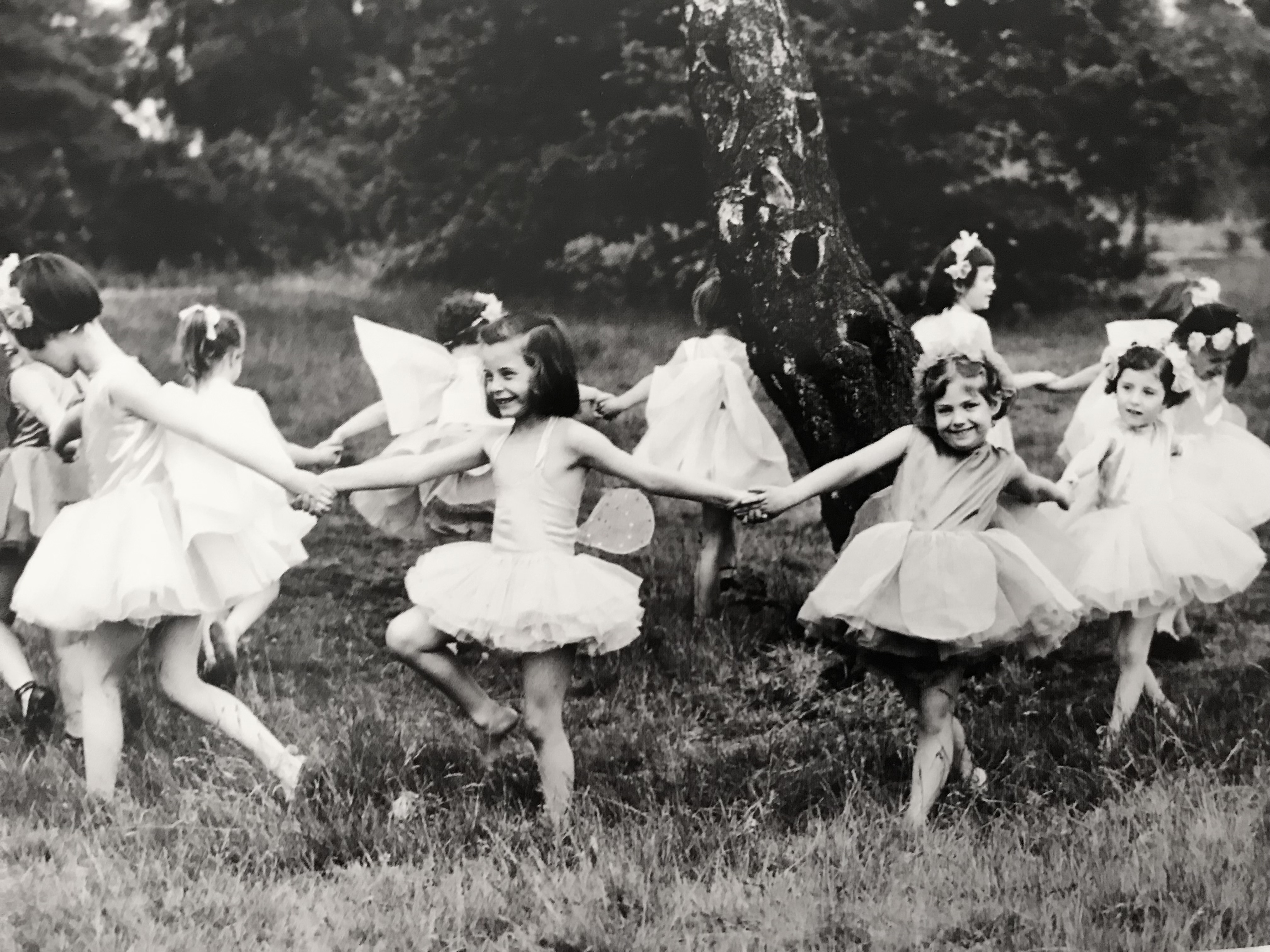
But whose dream is it?

So, who IS telling your story? Whether you’re writing memoir, fiction or screenplay, you need to make important decisions about which characters you’re going to give a voice.

WHO IS YOUR PROTAGONIST?

Who is the main character in your story? 

If you’re writing memoir, even though many writers try to avoid it, YOU are the main character.  

If you’re writing fiction you need to decide whose story is propelling the overarching narrative – that character’s goals and battles to achieve them is what drives the story forward. They are your protagonist.

If you have multiple protagonists, one character must have slightly more say than the others – this is the character who begins and ends the story. Other voices can be almost as strong but the protagonist has the final say. In my book Thrill Seekers I have three protagonists, Brian, his younger brother Douggie, and Beck, their friend. Because it is Brian’s goal – to protect his brother – that propels the entire narrative, he is the protagonist. He has the first chapter and the last.  So think carefully if you’re dealing with multiple character voices and decide which one is the main driving force.

If you’re not sure about who your main character is, ask yourself “WHO HAS THE MOST TO LOSE?”

HOW WILL YOU GIVE VOICE TO THESE CHARACTERS?

If you’re writing memoir, mostly you will need to write in first person, and learn to embrace sentences starting with “I” or learn to cleverly avoid doing so. However, you will also need to include a reflective voice that I like to call, “Wise you now”, between the scenes bringing to life the past, staring “previous you”. You could write the scenes from the past in past tense first person and the reflective sections in first person present tense, or past tense too, depending on how you feel about present tense.

Fiction can also be written in first person, past or present tense, but managing multiple voices like this can be tricky. Thrill Seekers is written this way, each character is in first person present tense. My Cambodian novel, Child of Fortune has two main characters – an Australian traveller and a Khmer survivor of the Pol Pot regime. Both of these women are written in first person, past tense. These days however, due to the Own Voice movement, I would recommend writing characters from other cultures only in third person. I also advise against having only two main characters given voice. This is difficult to manage and becomes a tennis match with one character often overpowering the other. To remedy this, add a third character voice to bring more balance, a plait rather than a ping pong match back and forth.

Most popular in modern fiction is writing in closed third person, past tense. This is the simplest way to manage multiple protagonists. In closed third person, you write using he, she or they in separate chapters that alternate. This method allows for multiple viewpoints and clashing perspectives that has lots of scope for adding interest to your story. However, with closed third person, as with first person, you are confined to what that character has seen and heard and cannot stray outside this perspective.

My latest story, “Shadowman” (Dear Madman in a different incarnation) a literary true crime memoir/novel hybrid, is told in three alternating sections in three different perspectives. The first section is the first-person voice of “the writer”, the second voice is the Shadowman – also in first person. The third section is told in omniscient third person, with the voices of multiple characters, members of the Williams family. Omniscient voice is the “God” voice, enabling the writer to move between character’s points of view within chapters, though I keep them in separate scenes. Modern audiences find this voice confusing, and I must say I found it difficult to manage as well, though I got there in the end.

You can choose to write a character in second person too – the “you” voice – but eventually it becomes synonymous with first person, so is best left to short stories or short sections within your longer piece. It can be used effectively in memoir to give another’s perspective, eg You didn’t say anything. You walked away.

MANAGING POINT OF VIEW

Now you have chosen your POV characters and the voices you will use and how you will animate them, you need to establish the structure and the voices you want within the first section of your book. If you have three POV characters, and you want these voices to interweave (not have separate sections of the whole book – eg Part 1 – Anne, Part 2 – Bob, Part 3 – Grace) you need to set this up right from the start.

For example, Shadowman starts with a chapter from the writer, which establishers her as the main protagonist. The second strand belongs to the Shadowman, and the third strand is the omniscient voices of the family. All three voices have a chapter within the first 10 pages. This lets the reader know what’s going on, who is telling the story, and the pattern to expect right from the start.

AVOID INTRODUCING NEW POV CHARACTERS AFTER THE FIRST ACT

All rules are made to be broken and you can find many examples of characters joining the fray in the second act, or even third, but it is best to avoid doing this. Set up your POV characters in those first 10 pages and then stick with these characters all the way to the end – well one or two may get knocked off!

Avoid introducing new POV characters after act one, this only confuses readers. If you want to bring in a twist that introduces this new POV character, then at least foreshadow this possibility in the first act. Give us a hint that this may happen, mention their name, make them a part of the story in some way, even if they aren’t yet in the action.

Point of view is important to establish early, so the reader knows which characters they are following. Introduce important characters first up so we know whose side we’re on. Keep the number of characters manageable or add a glossary. But who wants to be checking a glossary all the time – except maybe Tolkien fans!

And if you’re writing short stories keep the number of characters low. The lower the wordcount, the lower the character count.

Introduce all characters and the way you will be telling their side of the story early. If you’re a new writer, stick to one voice, at least to start with. If you want to include other voices, closed third person in alternating chapters is easiest to manage, but all this needs to be set up right from the start. Build trust with your reader by showing them your plan and sticking with that plan. 

No randoms! No slipping between points of view without intention. Flag all changes in point of view so we know they’re intentional. 

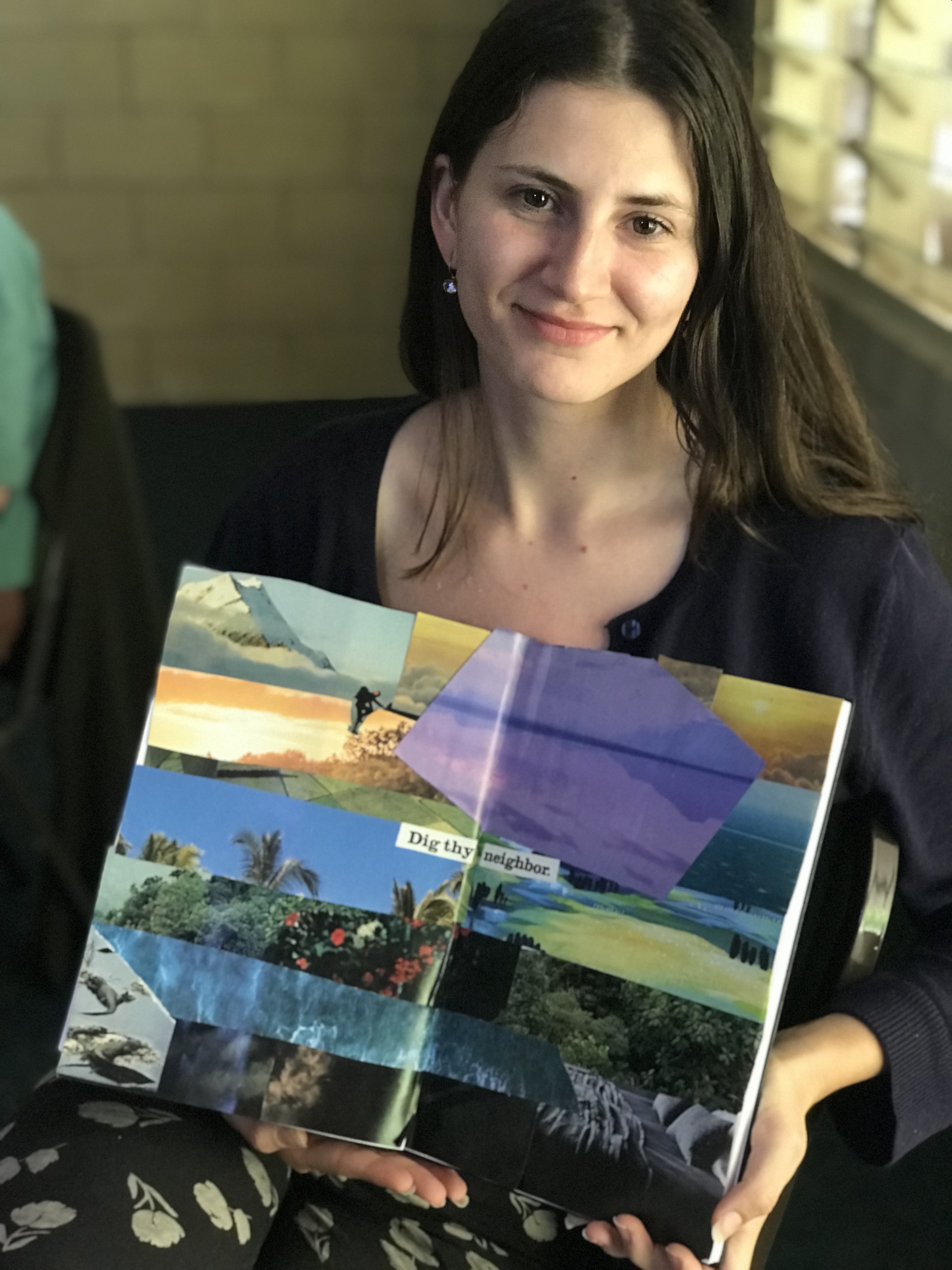
Image by Jana Shannon.

Managing POV can be tricky, so think about it before you rush in, and have a rough plan about how you think it will work. It can be lots of fun writing in a few different voices, but make sure they are balanced, that they are each different and that your one main character has first say and the final word.

Hope that’s useful! GOOD LUCK!

Let me know how you go managing POV.

Lots of love

Edwina xx

BLISSFUL BALI WRITING RETREAT: JUNE 15 – 20 2023

PUT YOURSELF IN THIS PICTURE 🙂

Oh yeah! It was when my lovely friend, and fellow yoga and writing retreat facilitator, Kerstin Pilz (see our Let’s Talk Writing episodes HERE) showed me this photo that I started to get very, VERY excited! I could see myself on that verandah, sitting on that bamboo daybed with my journal, the music of the stream washing away all the stress of the year, as I wrote freely and joyfully with a huge grin on my face. Oh yeah!

Can you feel it too? Is a retreat far from the busyness and bustle calling you? Is your creative spirit crying out for some loving care? Is it time to put yourself and your writing at the top of your priority list for once?

Do you deserve a really special treat, just for you? You know you do!

This retreat is super special : five nights, six days in the heart of rural Bali, staying at the amazing Bali Eco Stay resort with two excellent :), experienced, creative writing facilitators, published authors, and yoga teachers, gently guiding you back to full health and happiness, and rejuvenating your creative powers! Or you could just dream the day away on your daybed if you like! Beautiful open air bungalows and yoga shala with all equipment provided.

All fresh organic vegetarian meals, airport transfers, special guided tour, cultural activities, complimentary massage and tarot reading, chakra cleansing, one on one session with a facilitator, 6 writing workshops, 5 morning yoga sessions, 4 restorative yoga breathing classes, and your beautiful bungalow accomodation is included! It will be heavenly!

Blissful Bali Writing Retreat

With Kerstin Pilz PhD and Edwina Shaw

Unleash your wild mind and heart

& write your life back into balance

So why don’t you join us at our Blissful Bali Writing Retreat and set your stories free!? 

Get your stories out of your head and onto the page and feel the joy of creating beauty of your own in the peace and tranquility of Bali. Whether you have an established writing practice or have always wanted to write but never had the time, this retreat is for anybody in need of some quality nurturing of their creative spirit.

Every day begins with gentle yoga, followed by breakfast and an inspiring writing workshop to get those creative juices flowing. The afternoons are free for your own adventures and explorations, naps, or 1:1 sessions with Kerstin & Edwina, a complimentary massage and tarot reading, and a guided writing group for those who like to write in company. At the end of the day, we come together again for some gentle yoga breathing exercises to help clear your mind and revitalise your energy. Every evening we share incredible dinners and relax with conversation and readings.

All activities are optional.

This is your retreat. Our aim is to nurture your body, mind, and creative spirit so you leave feeling renewed, both as a writer and as a human being, with a whole lot of new writing; and bright, exciting ideas and refreshed energy to take home with you.

See HERE for more information. Come along and join in the Bliss of this once in a lifetime experience!

Not flash with cash right now? A $450 deposit will secure your place and you have until April to pay it off – payment plans available. Or save up for Bali in 2024 as I’m sure this will become an annual event.

Want something more affordable and closer to home? Check out my popular, lower-priced weekend retreats HERE.

Oh gosh I hope you can come. Check it out here and dream a little! You can make it happen if you really want it!

Lots of love

Edwina xx