
Writing can be a lonely business but it needn’t be! The greatest joy of my writing life is connecting with other writers, through my workshops, editing and retreats, but even more so connecting with other writers who help me iron out the problems in my own work – my writing buddies!
Over the years I’ve had several different writing buddies and some that have lasted the whole long way. These writing friends hold a special corner of my heart. A unique trust develops as we share often deeply personal work and help each other figure out how to make the words sing, how to get the message across more clearly, or how to fix that awful character you just can’t figure out.

Can’t see the forest for the trees?
When we’re writing, especially longer works, it can be hard to see whether the structure is working or if our characters are likeable for all the words in the way. We can’t see the forest of our book for the trees of our laboured-over words. This is where the eyes of another kind writer can help. Another writer can stand above our forest and show us the way through. They can say, “Hey, you’ve veered off to the left here, away from the main story, time to get back on track,” or “Hmmm, seems like you lost one of your characters after chapter 3,” or “Wow, your dialogue is great, but a lot of the time I don’t know which forest we’re in. You need more setting detail.” You get the gist.
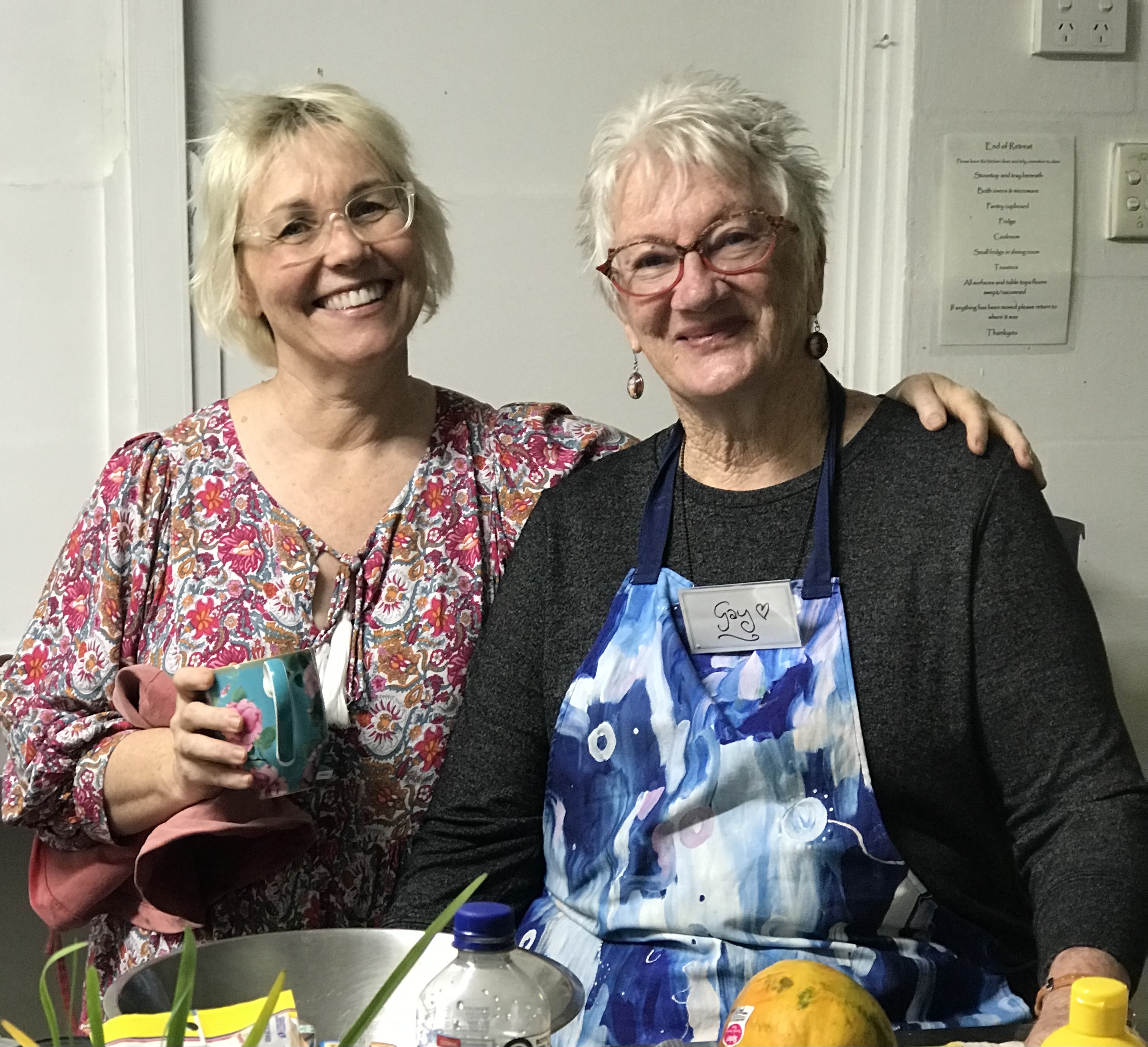
Gay and I have been writing buddies for a while now (as well as retreat buddies).
Friends and Family?
We can show our writing to friends and family and they may say nice things… Marion’s partner famously said, “Jolly good,” about everything she wrote. Or they can say not so helpful things like, “Who’d want to read that?” like my ex once did. If your family member or friend is an avid reader or a writer themselves, then their feedback is useful and of course we want to keep them as our cheering squad, BUT if we want useful, applicable advice, it needs to come from someone on the same path – a fellow writer.
Enter the Writing Buddy
If you’re lucky you already belong to a writing group where members read and critique each other’s work. Keep these groups small, no more than five, or the feedback can become overwhelming. But really you just need one good writing friend who you can show work to when you’ve gone cross-eyed reviewing it on your own. That fresh pair of eyes to see what you’ve become blind to is invaluable, a treasure in fact.
For many years my writing buddy Helena and I exchanged manuscripts and helped each other polish them to publishable standard. My friend Marion was also invaluable. Now I belong to a writing group of five authors whose help is incredibly useful, even just doing short pieces. And I have wonderful feedback buddies in my international retreat cohost Kerstin Pilz and my other retreat friends. Every reader willing to give feedback is a valued gem, even if all they do is fix typos. But the very best writing buddies can see the big picture of what you’re trying to achieve and help you get there.


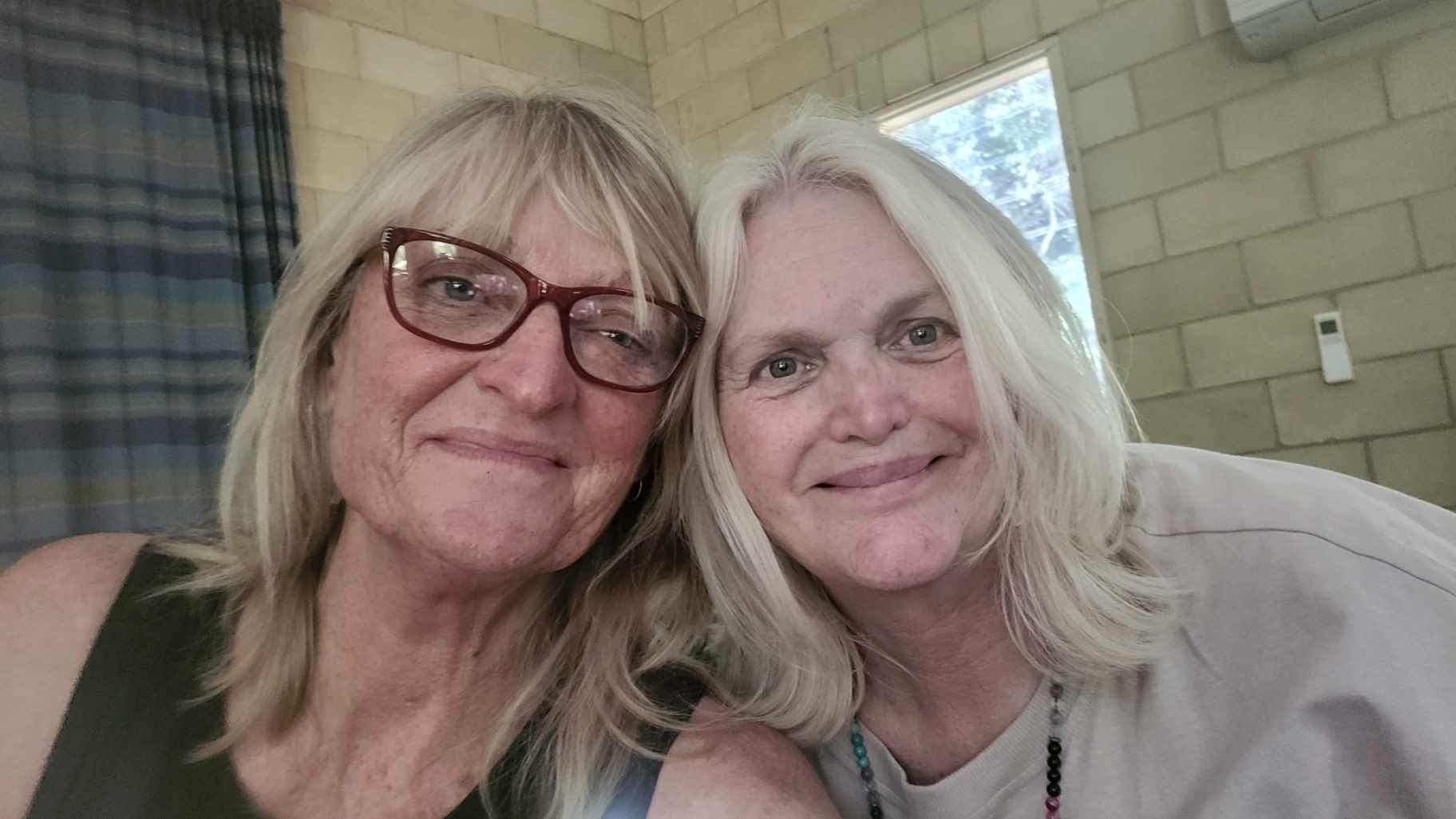

How do you find a writing buddy?
I met my first writing buddy, Marion, at a QLD Writer’s Centre Workshop – we caught the bus together and started a writing group as we chatted on the way home. Helena and I met as students doing the Mphil in Creative Writing at UQ. I met Vahida my lovely new writing buddy on a retreat at Varuna House. And now I have my writers group made up primarily of fellow writing tutors at UQ and my treasured retreaters, including the beautiful Gay whose new book is coming soon! Can’t wait!
So to find your writing buddy I recommend you go places you’ll meet other writers in real life. Online buddies are okay, you can get critiques from people on GoodReads and other online places like fan fiction sites, or through Facebook groups. Attend writing workshops, treat yourself to a retreat, connect with like-minded writers who have a trick or two up their sleeves and arrange to meet regularly to exchange work for feedback. Don’t be afraid to ask, “Hey, would you like to swap work for feedback sometime?”

Why feedback matters
Of course you can continue blithely on your merry way alone, but feedback from a fellow writer will only improve your work and increase your chances of publication, or a wider readership. Feedback points out problems we may not have seen, but deep in our guts knew were there. Feedback shows us what our strong points are and where we may need a bit more practice. Feedback shows us that someone has read our work with attention to detail and cares enough to help us improve it. Feedback matters.
Have you got a writing buddy? Or a writing group? Do you swap work and compare notes on your writing? If not, why not? Start now!
If you’re still looking, then sign up for a few workshops or come along on a retreat and find your people, ask one or two of them if they’d like to share work for feedback, or make a writing group.
Writing buddies make writing more fun!
We all need friends in this crazy business full of rejection and criticism from strangers. Our books are our precious creations and beginning to show our work to trusted fellow writers toughens up our writerly skins to prepare us to share our writing with the world. Writing buddies cheer us on when we get a lucky break and help us drown our sorrows when a rejection hits hard. They encourage us to brush ourselves off and get back on the horse that threw us, sit back at the desk and start writing again. Besides, writers’ meetings can include food and wine and lots of laughter.

Have fun! Life is short, find a writing buddy to share your love of words today!
Lots of love
Edwina 🙂 xx



 Edwina Shaw