WHO IS TELLING THIS STORY? Managing Point of View

But whose dream is it?

So, who IS telling your story? Whether you’re writing memoir, fiction or screenplay, you need to make important decisions about which characters you’re going to give a voice.

WHO IS YOUR PROTAGONIST?

Who is the main character in your story? 

If you’re writing memoir, even though many writers try to avoid it, YOU are the main character.  

If you’re writing fiction you need to decide whose story is propelling the overarching narrative – that character’s goals and battles to achieve them is what drives the story forward. They are your protagonist.

If you have multiple protagonists, one character must have slightly more say than the others – this is the character who begins and ends the story. Other voices can be almost as strong but the protagonist has the final say. In my book Thrill Seekers I have three protagonists, Brian, his younger brother Douggie, and Beck, their friend. Because it is Brian’s goal – to protect his brother – that propels the entire narrative, he is the protagonist. He has the first chapter and the last.  So think carefully if you’re dealing with multiple character voices and decide which one is the main driving force.

If you’re not sure about who your main character is, ask yourself “WHO HAS THE MOST TO LOSE?”

HOW WILL YOU GIVE VOICE TO THESE CHARACTERS?

If you’re writing memoir, mostly you will need to write in first person, and learn to embrace sentences starting with “I” or learn to cleverly avoid doing so. However, you will also need to include a reflective voice that I like to call, “Wise you now”, between the scenes bringing to life the past, staring “previous you”. You could write the scenes from the past in past tense first person and the reflective sections in first person present tense, or past tense too, depending on how you feel about present tense.

Fiction can also be written in first person, past or present tense, but managing multiple voices like this can be tricky. Thrill Seekers is written this way, each character is in first person present tense. My Cambodian novel, Child of Fortune has two main characters – an Australian traveller and a Khmer survivor of the Pol Pot regime. Both of these women are written in first person, past tense. These days however, due to the Own Voice movement, I would recommend writing characters from other cultures only in third person. I also advise against having only two main characters given voice. This is difficult to manage and becomes a tennis match with one character often overpowering the other. To remedy this, add a third character voice to bring more balance, a plait rather than a ping pong match back and forth.

Most popular in modern fiction is writing in closed third person, past tense. This is the simplest way to manage multiple protagonists. In closed third person, you write using he, she or they in separate chapters that alternate. This method allows for multiple viewpoints and clashing perspectives that has lots of scope for adding interest to your story. However, with closed third person, as with first person, you are confined to what that character has seen and heard and cannot stray outside this perspective.

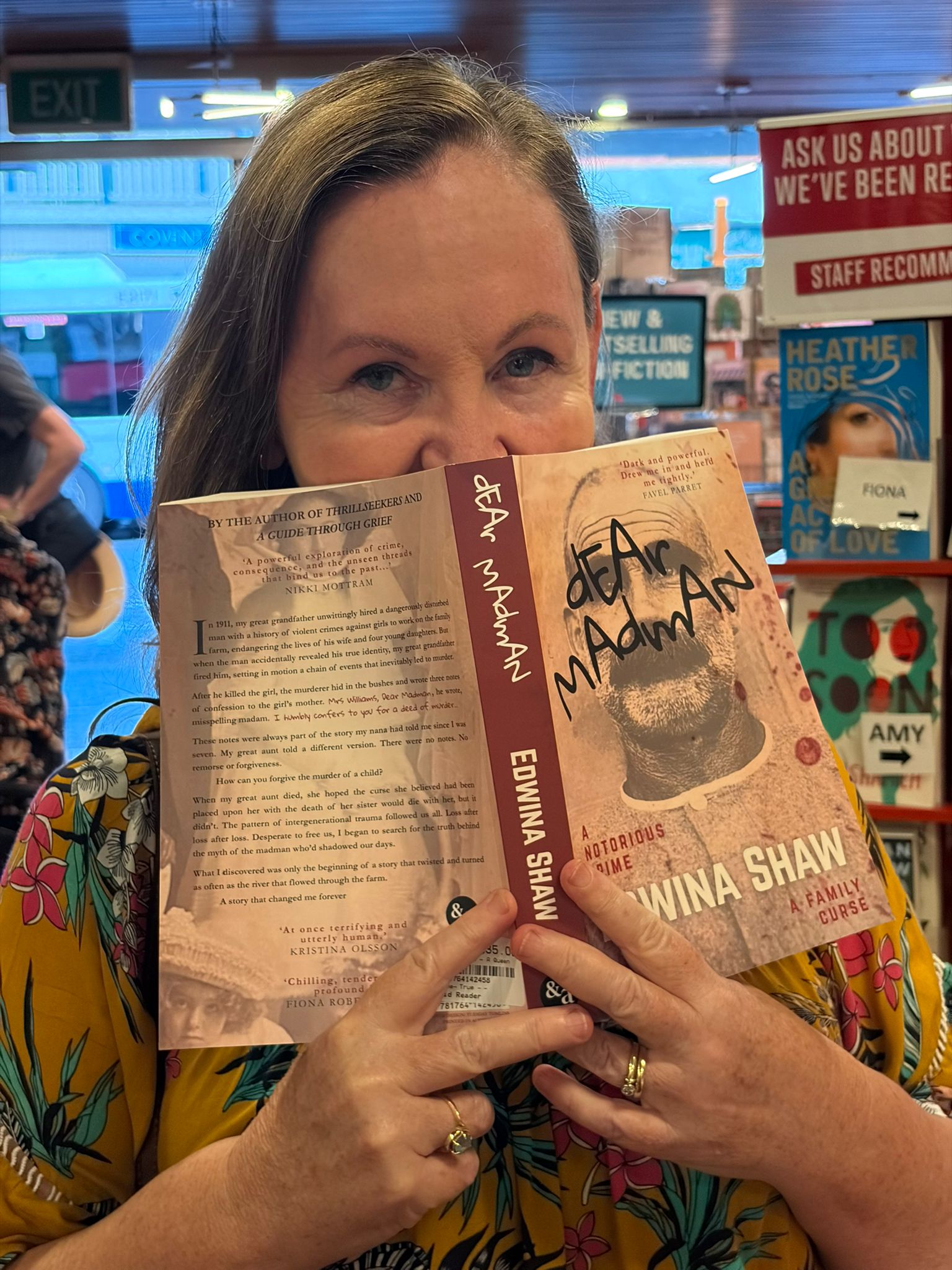
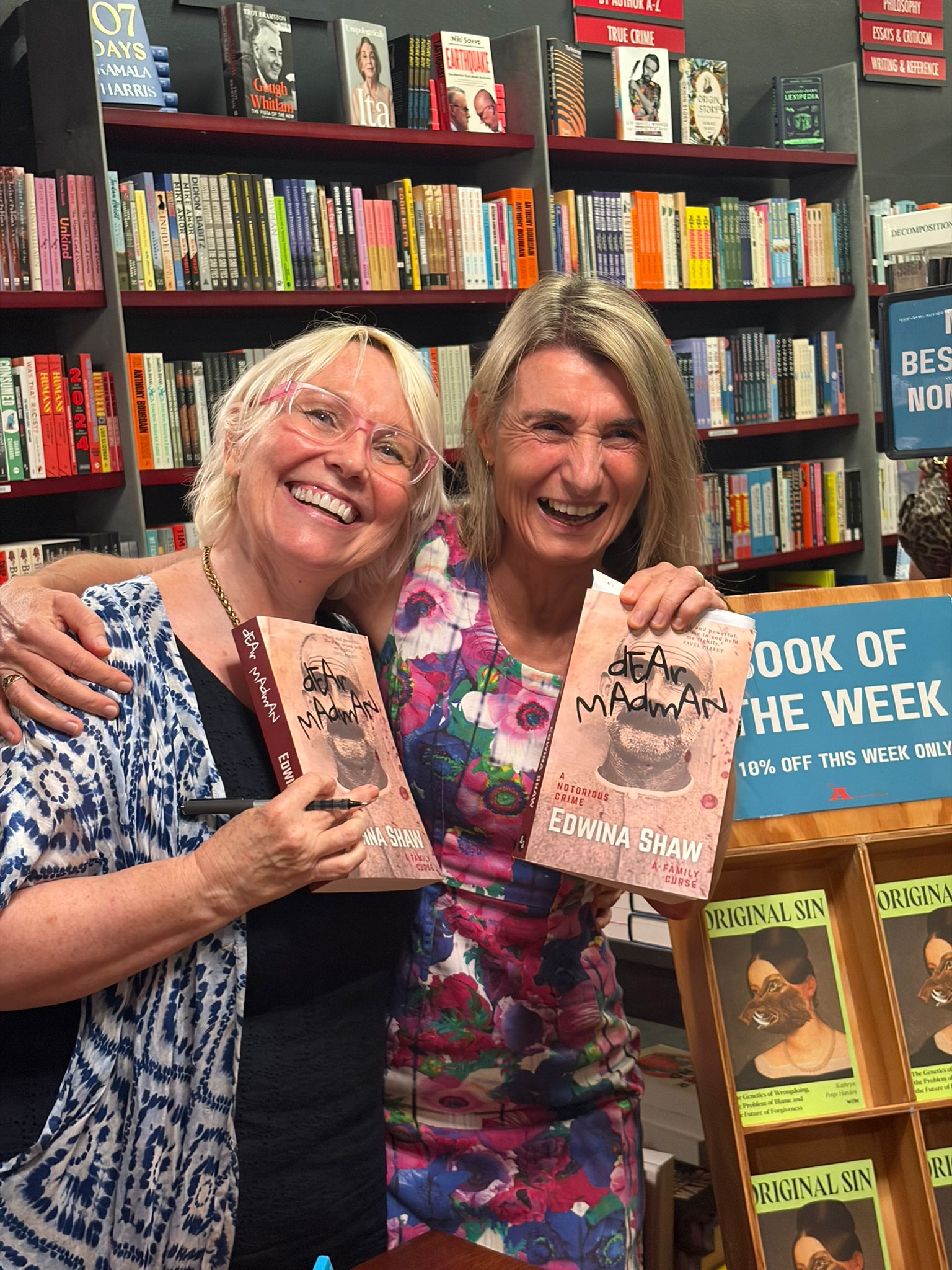
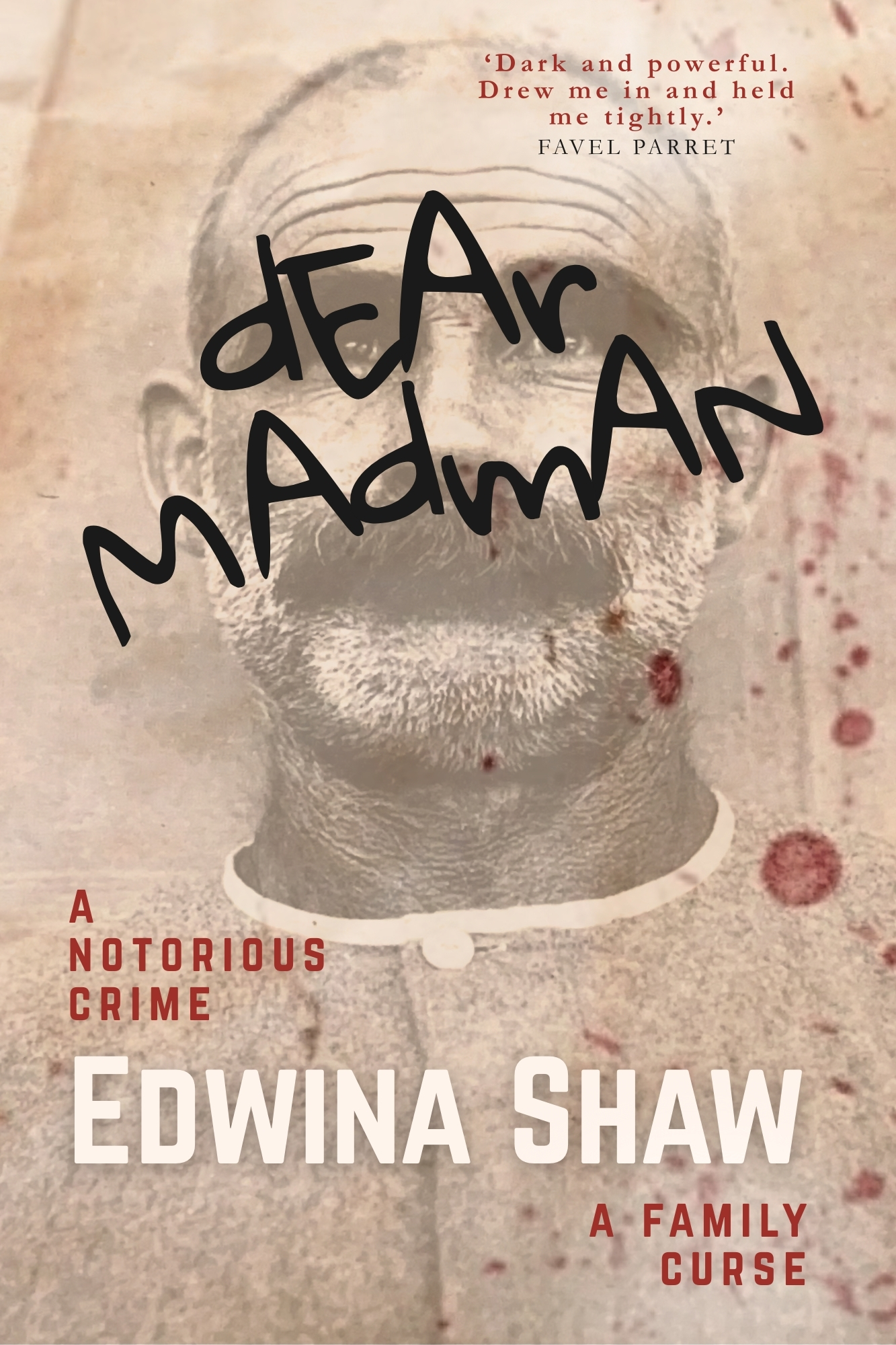
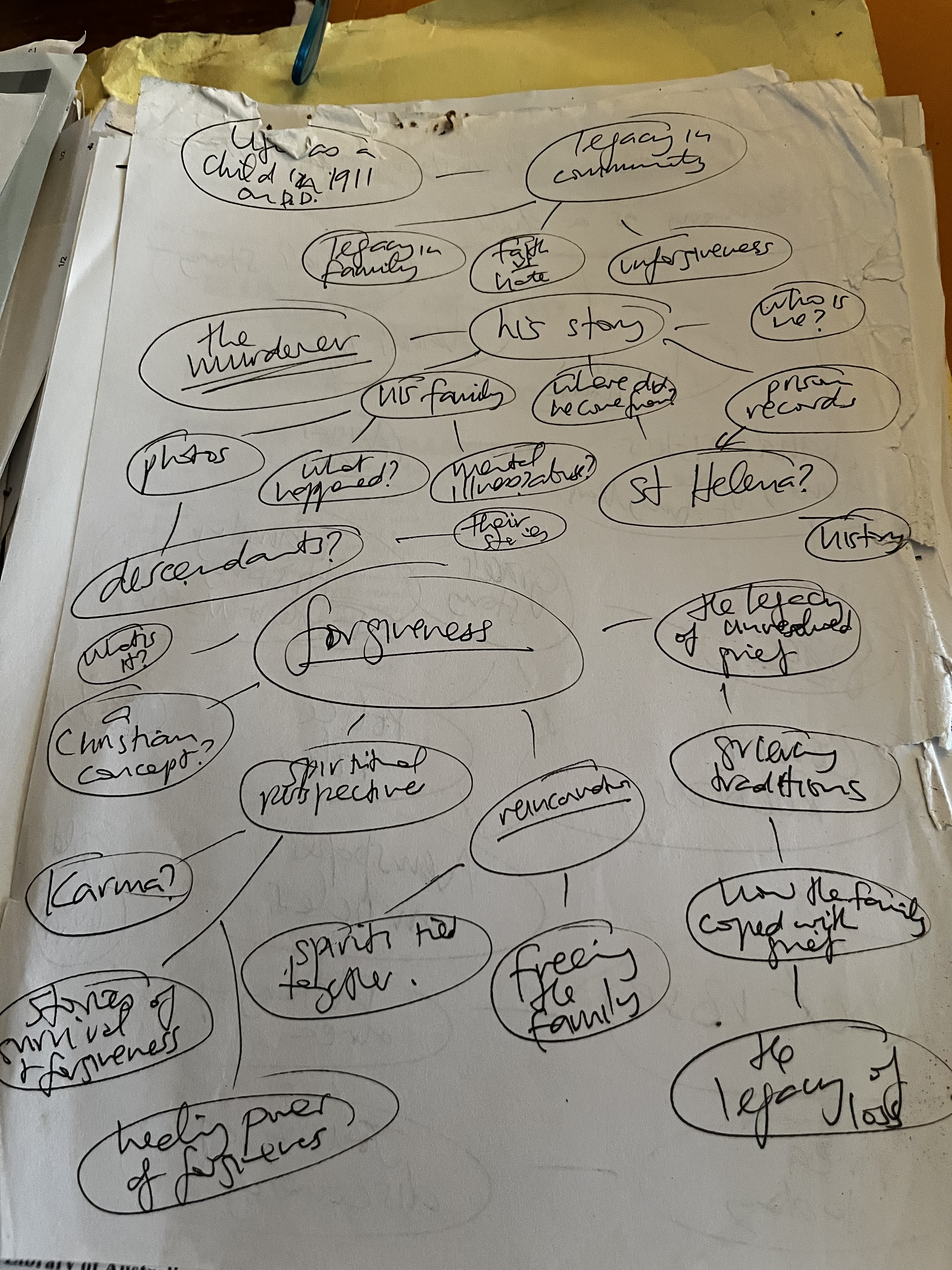
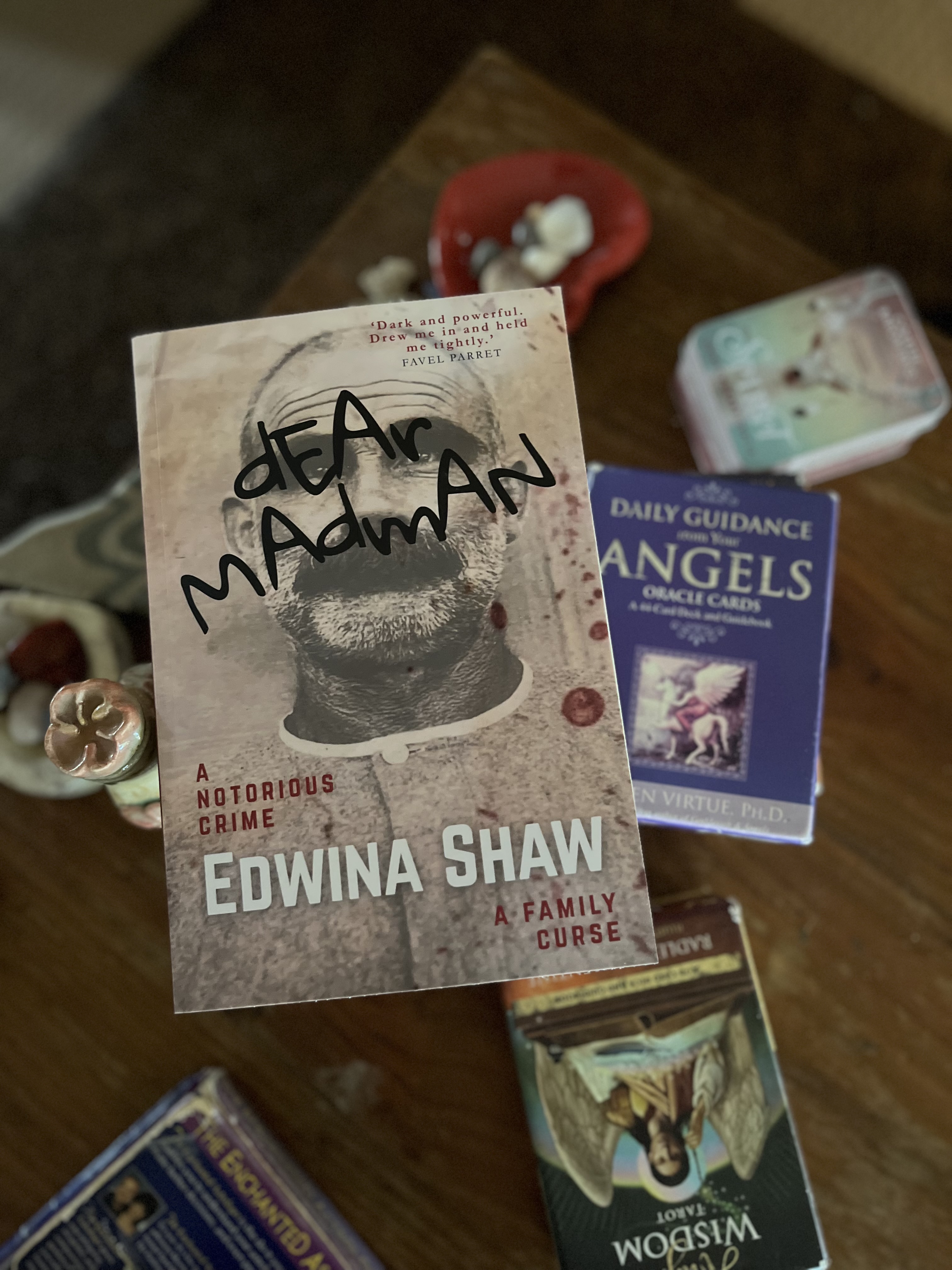
My latest story, “Shadowman” (Dear Madman in a different incarnation) a literary true crime memoir/novel hybrid, is told in three alternating sections in three different perspectives. The first section is the first-person voice of “the writer”, the second voice is the Shadowman – also in first person. The third section is told in omniscient third person, with the voices of multiple characters, members of the Williams family. Omniscient voice is the “God” voice, enabling the writer to move between character’s points of view within chapters, though I keep them in separate scenes. Modern audiences find this voice confusing, and I must say I found it difficult to manage as well, though I got there in the end.

You can choose to write a character in second person too – the “you” voice – but eventually it becomes synonymous with first person, so is best left to short stories or short sections within your longer piece. It can be used effectively in memoir to give another’s perspective, eg You didn’t say anything. You walked away.

MANAGING POINT OF VIEW

Now you have chosen your POV characters and the voices you will use and how you will animate them, you need to establish the structure and the voices you want within the first section of your book. If you have three POV characters, and you want these voices to interweave (not have separate sections of the whole book – eg Part 1 – Anne, Part 2 – Bob, Part 3 – Grace) you need to set this up right from the start.

For example, Shadowman starts with a chapter from the writer, which establishers her as the main protagonist. The second strand belongs to the Shadowman, and the third strand is the omniscient voices of the family. All three voices have a chapter within the first 10 pages. This lets the reader know what’s going on, who is telling the story, and the pattern to expect right from the start.

AVOID INTRODUCING NEW POV CHARACTERS AFTER THE FIRST ACT

All rules are made to be broken and you can find many examples of characters joining the fray in the second act, or even third, but it is best to avoid doing this. Set up your POV characters in those first 10 pages and then stick with these characters all the way to the end – well one or two may get knocked off!

Avoid introducing new POV characters after act one, this only confuses readers. If you want to bring in a twist that introduces this new POV character, then at least foreshadow this possibility in the first act. Give us a hint that this may happen, mention their name, make them a part of the story in some way, even if they aren’t yet in the action.

Point of view is important to establish early, so the reader knows which characters they are following. Introduce important characters first up so we know whose side we’re on. Keep the number of characters manageable or add a glossary. But who wants to be checking a glossary all the time – except maybe Tolkien fans!

And if you’re writing short stories keep the number of characters low. The lower the wordcount, the lower the character count.

Introduce all characters and the way you will be telling their side of the story early. If you’re a new writer, stick to one voice, at least to start with. If you want to include other voices, closed third person in alternating chapters is easiest to manage, but all this needs to be set up right from the start. Build trust with your reader by showing them your plan and sticking with that plan. 

No randoms! No slipping between points of view without intention. Flag all changes in point of view so we know they’re intentional. 

Image by Jana Shannon.

Managing POV can be tricky, so think about it before you rush in, and have a rough plan about how you think it will work. It can be lots of fun writing in a few different voices, but make sure they are balanced, that they are each different and that your one main character has first say and the final word.

Hope that’s useful! GOOD LUCK!

Let me know how you go managing POV.

Lots of love

Edwina xx

PERFECTING YOUR PITCH!

Recently I attended my third ASA Literary Speed Dating pitching event. This great initiative by the Australian Society of Authors brings writers face to face with publishers and agents to pitch their work. For $27 or so per pitch you get three minutes to sell your book to trade publishers or agents. YAY! These opportunities are the best way to get your work noticed by the publishers or agents you’re aiming for, and I highly recommend you give it a go once your MS is ready. Here’s more info on LITERARY SPEED DATING. Next sessions are in July.

But you don’t need to do the Speed Dating to pitch. You can still submit your pitch online to most trade publishers or agents through their slush piles, or directly to any publishing contacts you may have, if they’re happy for you to do so. 

Here are a few Australian publishers accepting direct submissions right now – no agent needed.

PAN MACMILLAN AUSTRALIA Open for submissions

HACHETTE AUSTRALIA – ONLY ACCEPTING Children’s, YA and non-fiction (As at end April 2023)

UQP looking for Literary fiction, non-fiction and Stories for the Future

ALLEN AND UNWIN – Friday Pitch! Submit your pitch on a Friday!

TEXT PUBLISHING – 6 months wait here

PENGUIN RANDOM HOUSE AUSTRALIA Currently closed for submissions but opening up for children’s books in August.

You don’t need to limit your pitching to Australian publishers either – my first two books were published by a small UK press – so do your research and find a publisher that feels like the right fit for your book. Follow their submission guidelines to a tee.

A general rule I follow when submitting is to AIM HIGH – GO FOR GOLD! Start with the big guns – those dream publishers or agents. If you don’t hear back or get a rejection (gird your loins – you’ll be facing a few of these. All badges of honour!!) then send out your next round of pitches to smaller trade presses, and so on, until you’re left with hybrid publishers or independent publishing. Independent publishing isn’t tricky and is very empowering. All you need is a good book designer to do the interior and cover for you and a printer to create the books. And now with the ASA DISTRIBUTION SERVICE for Independent Authors our books also make it to bookstores. Plus of course, make sure it’s been properly edited! Essential. There’s no use having the fanciest cover in the world if your story doesn’t make sense.

So onto – THE PITCH.

If you are pitching in person or in an email you only have a bare minimum of space and time, so it’s essential you cover all the most important elements quickly.  We want our pitches working perfectly to hook the interest of our targeted publishers. 

OPENING

Start with the TITLE of your book, the GENRE you’re writing, the WORD COUNT and the LOGLINE ( a sentence or two that gives the essence of your story in a nutshell – think of the movie descriptions on movie streaming apps) plus some COMPARATIVE TITLES (these are important as they automatically give the reader an idea of the flavour of your work). You can also include your target audience – Eg Women readers from 30 to 50 or in my case Readers of true crime searching for more depth and meaning.

Here are my opening paragraphs:

TITLE Shadowman is GENRE literary true crime (88 000 words WORD COUNT) based on a tragedy that has haunted my family for generations. Think Garner’s search for meaning This House of Grief meets Schmidt’s first person murderer narrator in See What I Have Done. COMPARATIVES

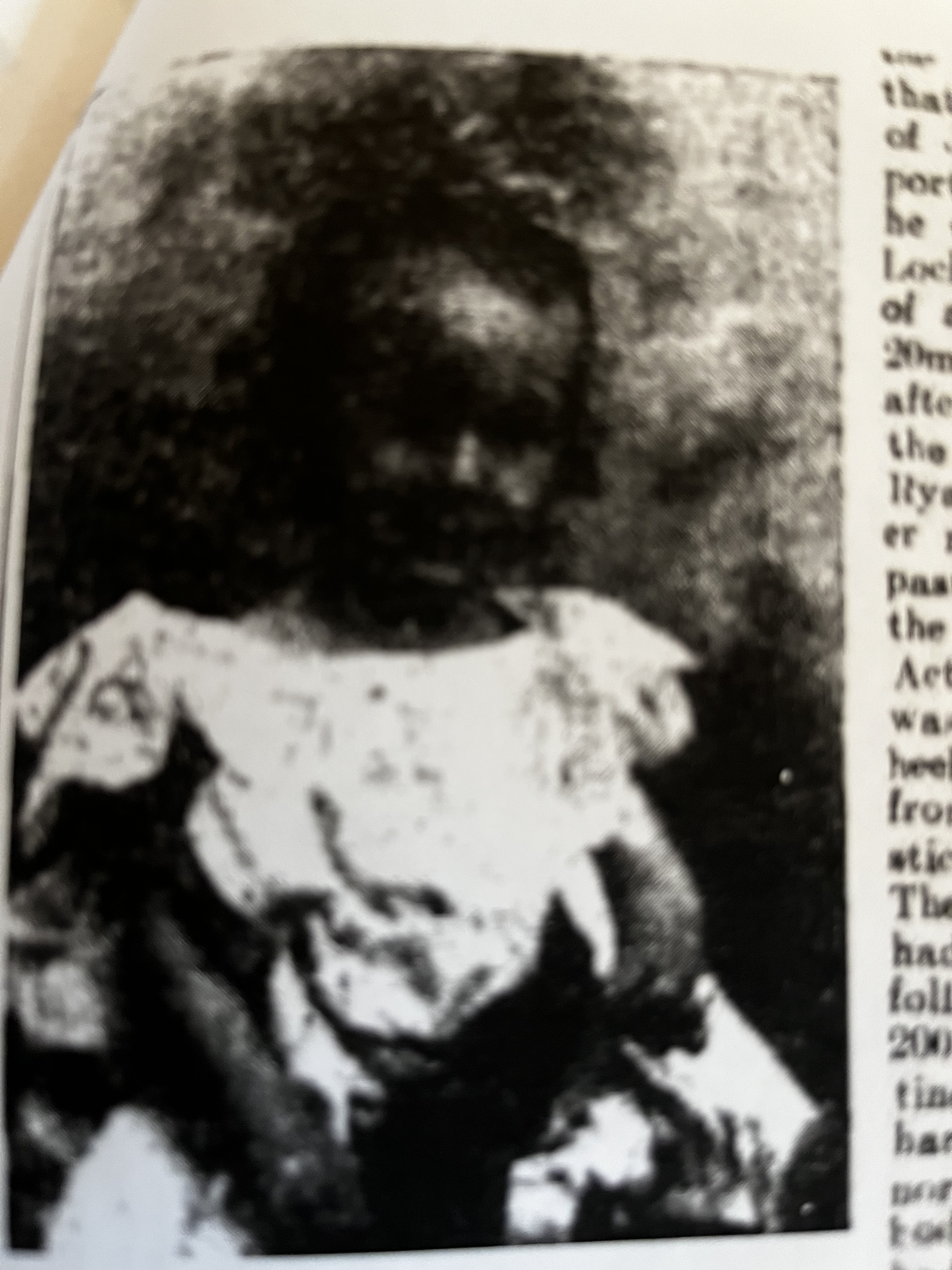
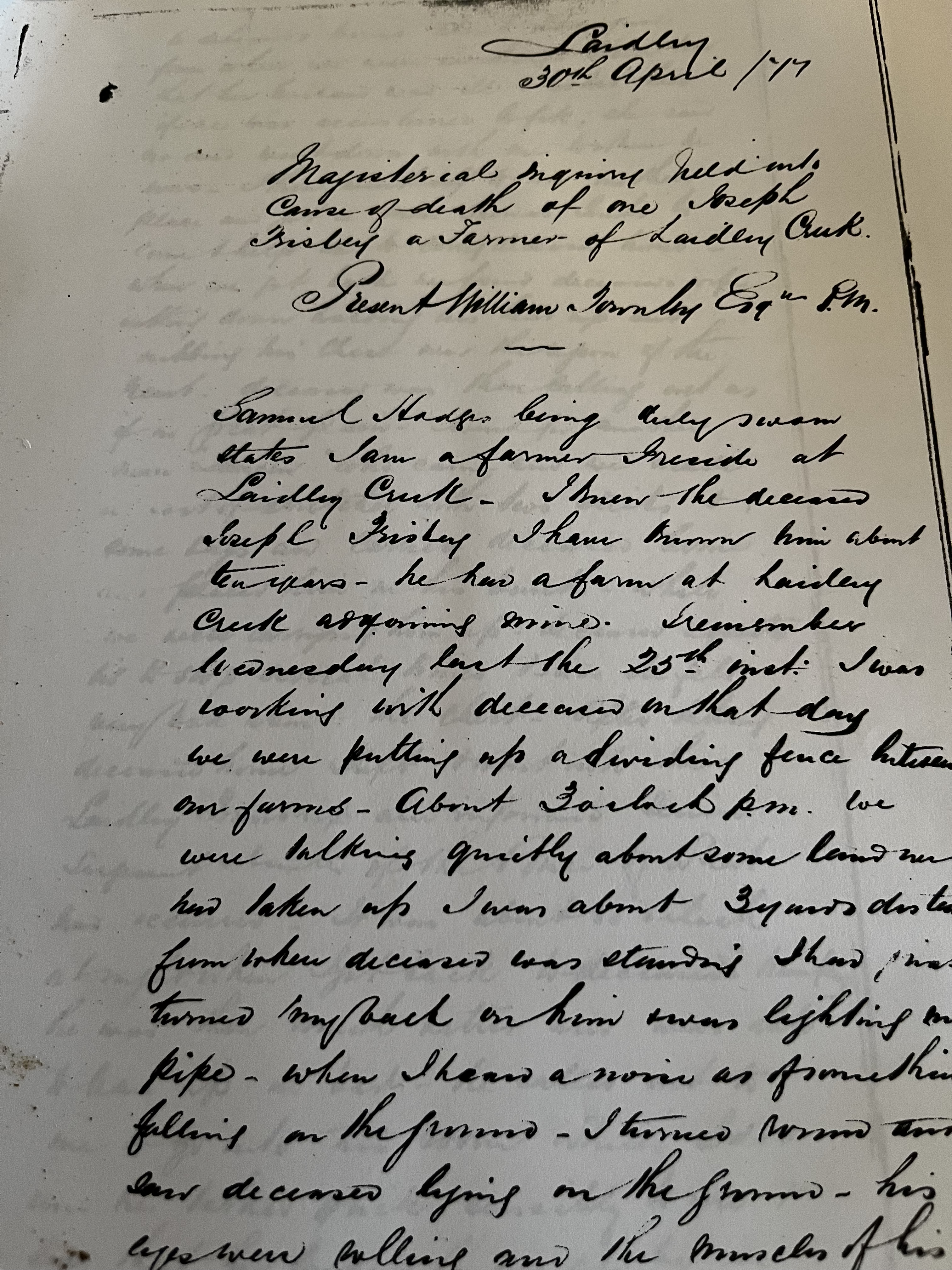
In 1911 my great grandfather, Bill Williams, unwittingly hired a dangerously disturbed man with a history of violent crimes against girls to work on the family farm, endangering the lives of his wife and four young daughters. LOGLINE

the not so jolly swagman

LOGLINES

The logline needs to identify the protagonist, why they are of interest, their main story goal, and what is at stake if they fail to achieve it.

Here’s a simple template to help you write your logline

An ADJECTIVE, CONTRASTING ADJECTIVE OCCUPATION (describe the character through contrasting traits and their job if relevant) must DO SOMETHING OR STRUGGLE AGAINST SOMETHING or else RISK – WHAT IS AT STAKE?

SYNOPSIS

After the logline you need a greater explanation of your plot in a paragraph long synopsis. This is tricky! How do you take 80 000 words and shrink it to one paragraph? For a pitch synopsis you don’t need to include the ending so you can leave the reader with a hook. You need to include at least a couple of actions that the protagonist takes in pursuit of their goal and show the tension and stakes rising. If you can, inject some of the tone or style of your book. Eg, if you’re writing a comedy make it funny, a thriller? – make it suspenseful.

Here’s my SYNOPSIS

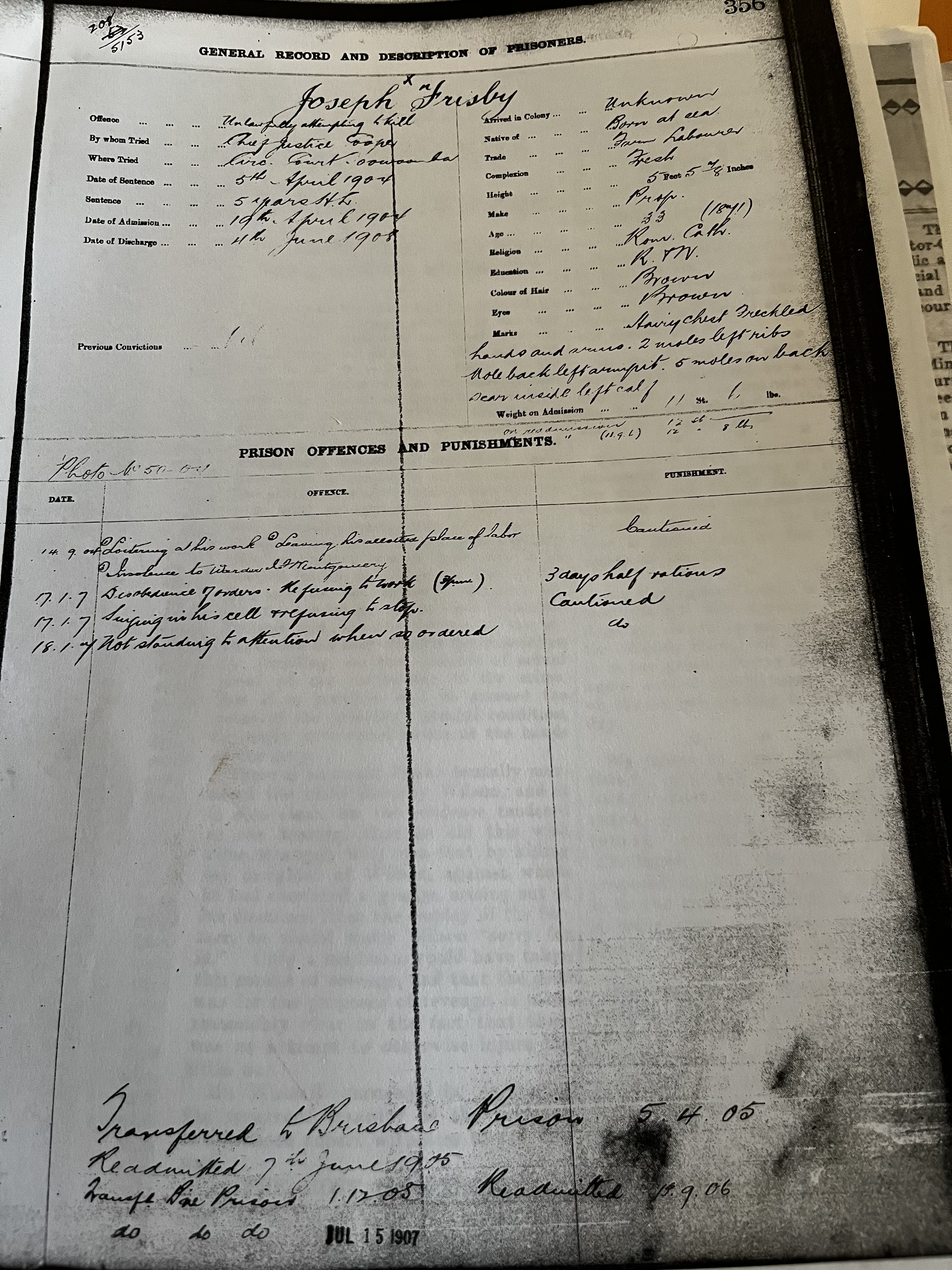
The farmhand, Joseph Throsby, suffered horrific ongoing abuse in an orphanage as a child and this combined with untreated epilepsy has resulted in a vulnerable but violent man who has only recently been released from jail. Rejected by his family and the community and desperate to create a new life for himself, he gives a false name to secure the job, but when he accidentally reveals his true identity, Williams fires him, setting in motion a chain of events that leads to murder. Not long afterwards, Throsby attacks the eldest Williams girl, Grace, in her bed. She bravely fights him off and Throsby is imprisoned, but only for six months. In court, he swears his vengeance. True to his word, as soon as he’s released, he returns to the farm and lies in wait where Grace always takes the cows out. That day however, she sends her younger sister in her place. 

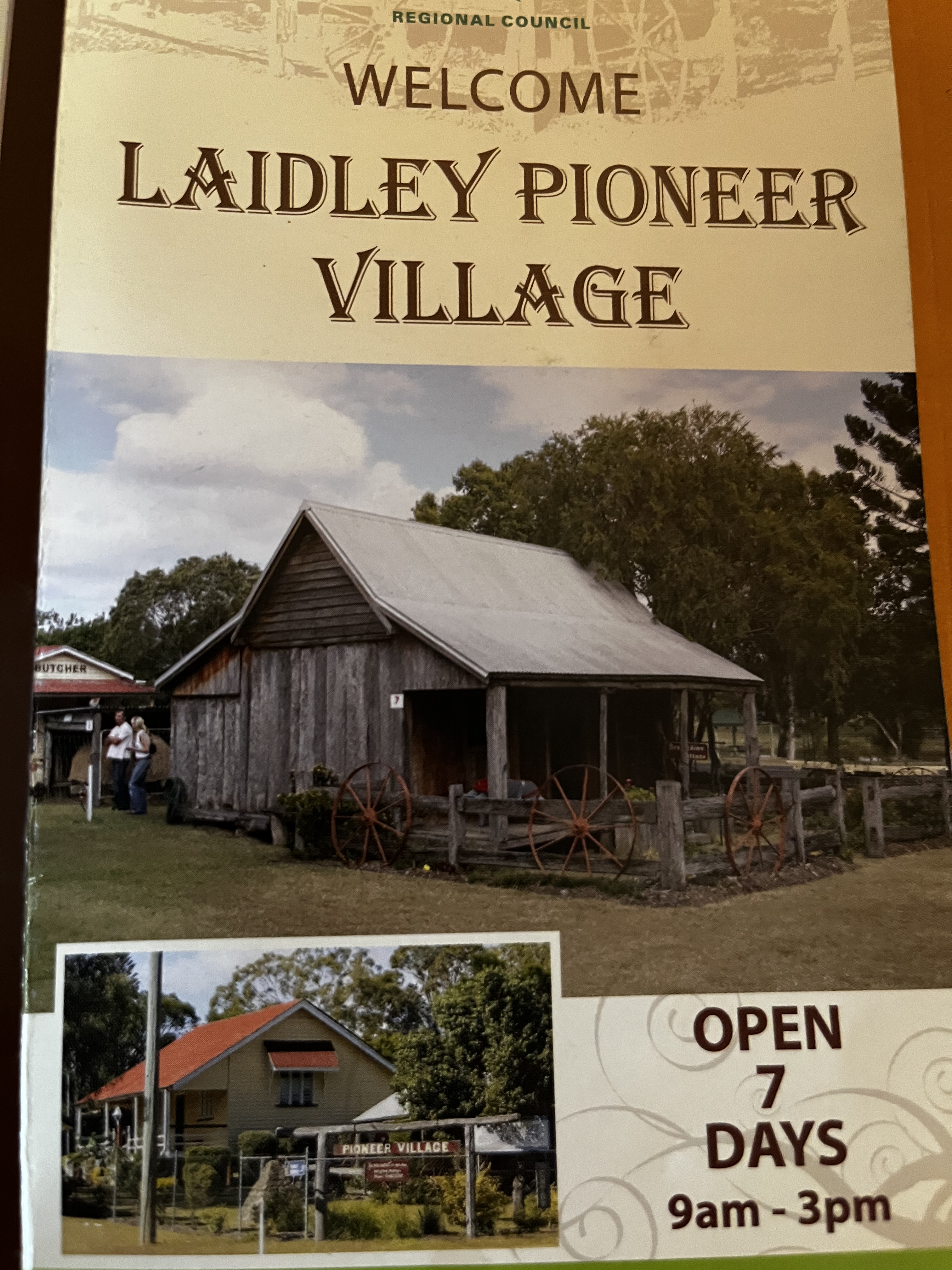
Laidley Corn Day
Laidley Corn Day

After we’ve got the main gist of the story across, we then need to add another paragraph about ourselves as writers. This can be the trickiest part! How to not sound like a wanker?!!

Here is where we show off about any previous publications or prizes or courses we’ve done, any manuscript development we’ve undertaken or professional edits of the work etc. MOST IMPORTANTLY though is to state why you are so passionate about this topic you had to write a whole book about it! You can also make a note about HOW you have written it, to give the publisher an idea of the style and tone of the book.

Here’s my WHY ME, WHY NOW or ABOUT THE AUTHOR section.

The story is told in 3 interwoven sections, the first-person colloquial voice of the murderer, the omniscient voice of the Williams family, and the contemporary voice of the writer herself, reflecting on the echoes of violent crime and her attempts to break the family curse. 

I’ve been writing and publishing for over 20 years. My first book Thrill Seekers was shortlisted for the 2012 NSW Premiers Awards and since then I’ve published another 4 titles as both author and editor. I teach Creative Writing at UQ and to adult survivors of institutional abuse whose experiences have informed Shadowman. This MS has undergone multiple drafts with support from a Varuna Residency award and an ASA mentorship award.

That’s it for your elevator pitch! Keep it as short as possible – under 300 words if you can. Remember to leave time for questions if the pitch is in person and to research where you submit your pitch. There’s no use submitting a rural romance to a military history publisher or vice versa.

So, what do you think of my pitch? I was very lucky to get requests for materials from both an agent and publisher. Now comes step 2 – THE WAIT! Please cross your fingers for me, a little luck can go a long, long way in this crazy business. And when we finally get our chance let’s all party by the light of the moon!

I hope you’ll find this article helpful when you write your pitch. If you’d like me to give it the once over just drop me a line!

GOOD LUCK PITCHING!

Lots of love

Edwina xx