WRITING FOR JUSTICE

Cover image of Some Justice by Cathy Byrne

The creative arts have been given to humanity to help us heal and express our emotions and for those more spiritually inclined can also help us connect to powers and energies greater than ourselves. To create is a natural urge that every teenager in the midst of teen angst knows. The relief of that maudlin poem or that furious painting or those piercings that express our anger and despair to the world or just for ourselves. 

A whole lot of that healing comes from telling our stories without interruption, without judgement. Writing out our feelings helps us understand them better. Sharing these feelings with others is empowering. Our voices are heard. Our side of the story, our experiences of the world are valuable and valid.

Often, I write to bear witness to the lives of lost loved ones, but there is another power of the written word – justice within a system not yet truly able to serve the needs of women, children or the Queer community.
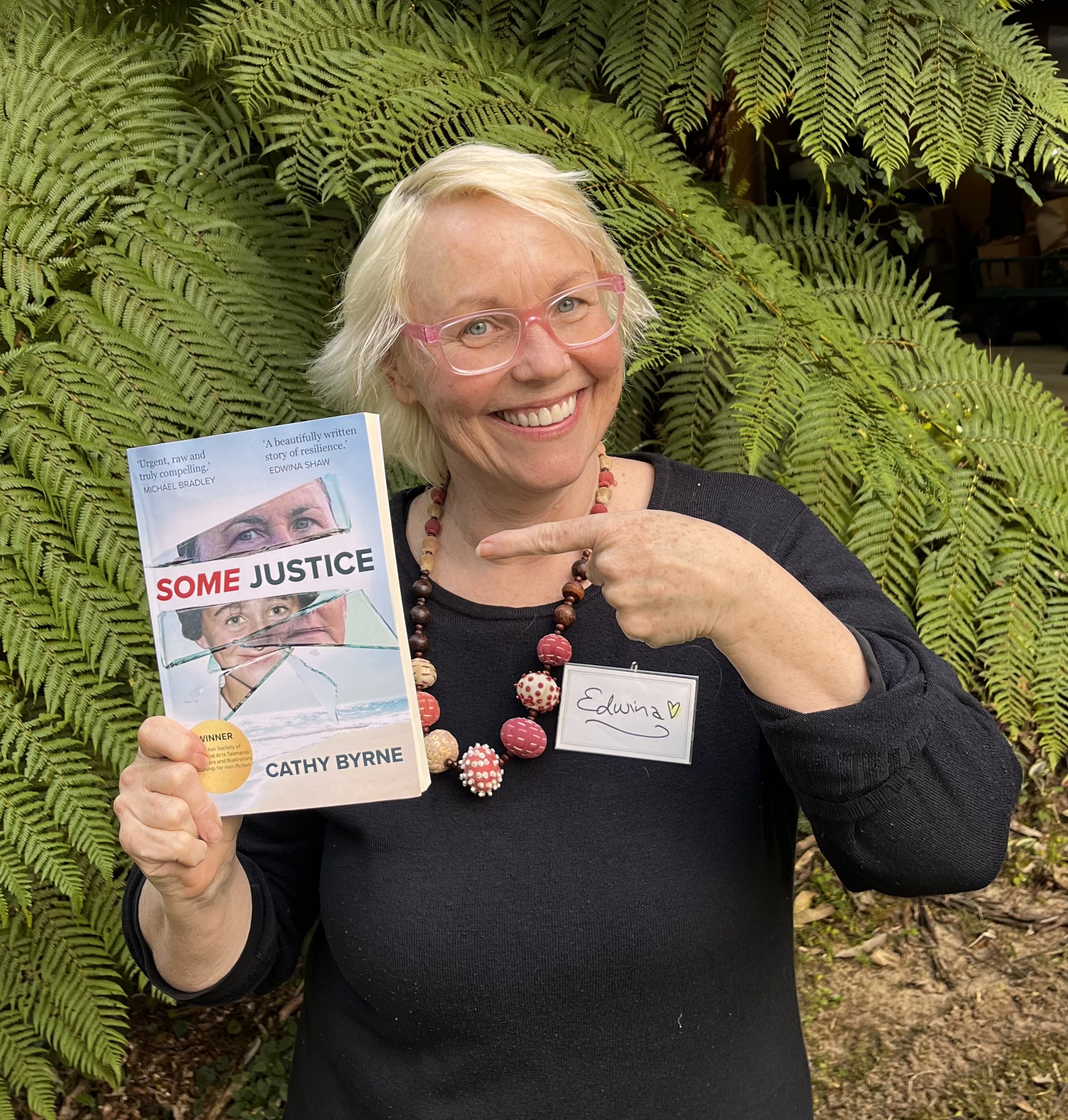
Cathy Byrne’s brave memoir Some Justice is her justice, the justice she was unable to find through the legal system which still does not hear the voices of children. Crimes against children often go unpunished because the voices of children are disbelieved, ignored or belittled. It takes a courageous adult to take that fight on for the child they once were. 

Victims of childhood sexual and other kinds of abuse and assault are still asked, “What were you wearing?” as if any type of clothing or appearance somehow causes the crime. Blame of the victim is still rife. She must have done something. As if the perpetrators of the assaults were somehow controlled by the actions of a child. 

They are not.

Cathy’s fight for justice for the abuse she suffered over many years at the hand of her teacher goes further than Grace Tame’s advocacy of child victims in that it shows the impact of childhood abuse, forty years later. 

Abuse is not forgotten, it is hidden within the nervous system, which humanity is only beginning to explore and understand. And, because it’s hidden, grows larger and more powerful until, often at menopause, the wounded child erupts from the grown woman, full of confusion, rage and fear. If she has the courage, she fights for the justice denied her as a child. Cathy’s search for justice was not served well by the legal system as it now stands. Systems like state education departments have much more money behind them, yet the victim must risk paying the costs and, worst of all, first prove their own innocence.

My daughter once worked as a judge’s associate and attended many rape and sexual abuse cases. After these experiences she swore that she if she ever suffered a sexual assault, she would NEVER take a sexual assault case to court because she saw how very damaging and accusative the process was – retraumatising the victim. But what was she wearing? The victim blamed for the assaults, her whole lifestyle and clothing choices under examination. I don’t care if they walk around naked, they’re not inviting assault. It takes a strong person to stand up against not only their abuser but also to withstand the police procedures and legal interrogations. 

I am reminded of “Lucky Lane” a brave story in Queersland by Robbie Phillips who writes powerfully about his assault outside a club in the Brisbane Valley and his treatment at the police station. Gay Liddington’s beautiful memoir, Will I Ever Be Who I Am? finds the justice she was never given as a child for the abuse that happened within her own family home.

Will I Ever Be Who I Am? by Gay Liddington
Will I Ever Be Who I Am? by Gay Liddington – you can grab a copy HERE

The fight for justice isn’t only through the courts. As Gay knows, and Cathy’s book Some Justice relates, the fight is often also with the family of the victim who refuse to acknowledge the abuse or its incomprehensible impact, because of the part they often unwittingly played in it. All those mothers and fathers and brothers and sisters who looked the other way become angry with the victim and refuse to accept their truth because anything else is too painful. Writing for justice means your voice is heard even beyond family denials or minimisation.

It takes great courage to speak your truth and force others to see the crimes you experienced through your eyes. But you can! 

In writing and publishing your story, your truth is finally heard. The length of the skirt you wore isn’t called into question. Your natural energy and attractiveness aren’t a cause of the assaults. Not screaming for help is understood because of the power imbalances and terror perpetrators take great pains to instil in their child victims.

In many ways, for victims of childhood sexual crimes, until the legal system is reshaped from its original patriarchal model, Writing for Justice is the only way to have the voices of victims truly heard. The only way they can find Some Justice.
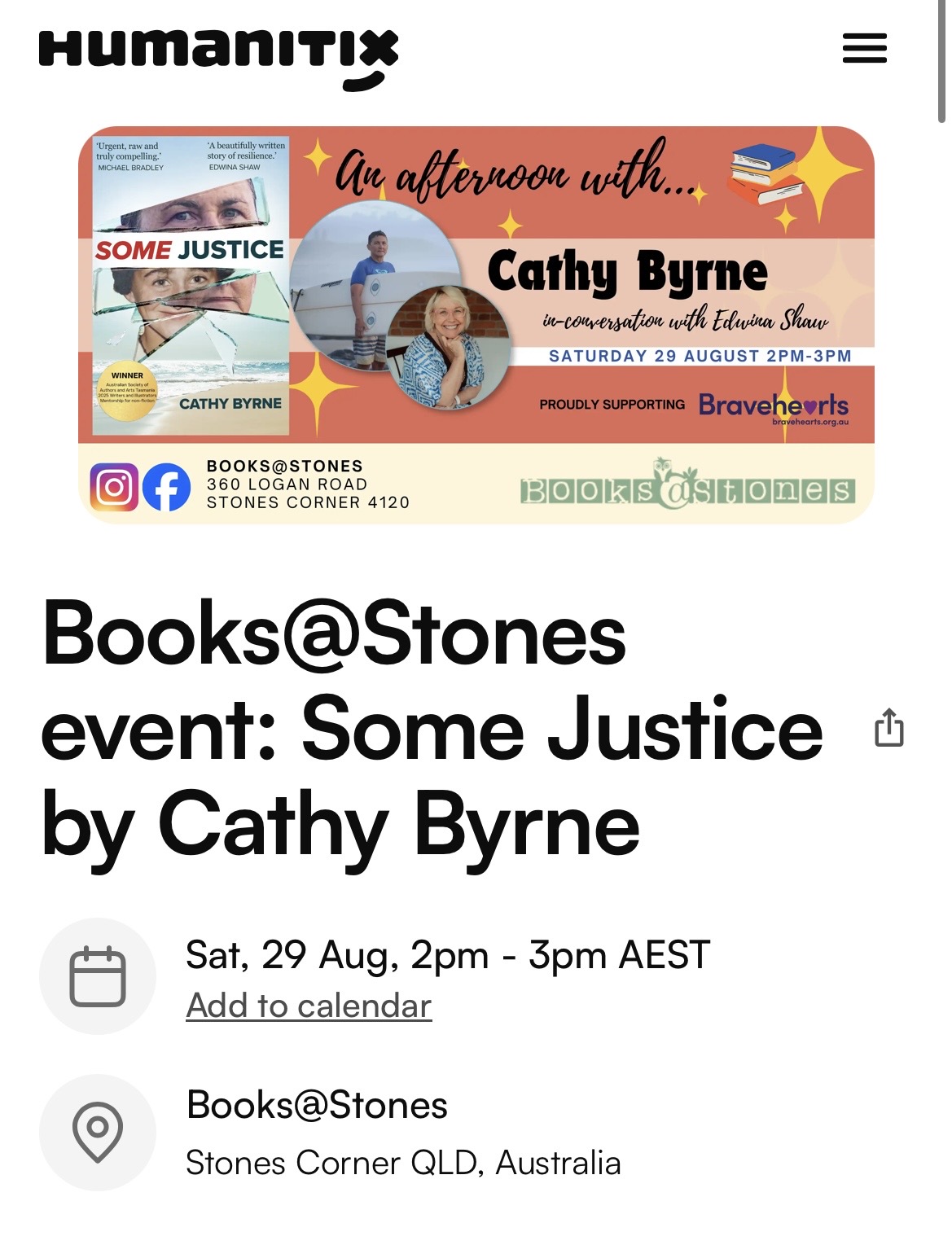
I’ll be launching Cathy’s brave and uniquely written memoir about her fight for Some Justice this coming Saturday 29 August at 2 pm at the warm and welcoming Books@Stones. The launch includes an opening address from Carol Ronken, Director of BraveheartsBravehearts is a leading Australian child protection organisation, dedicated to the prevention and treatment of child sexual abuse. 

The event is free but BOOK HERE! You can grab a copy there or BUY ONLINE HERE.

See you there!

Lots of love

Edwina 🙂 xx

I’ll be at Indooroopilly Library from 10am on the same Saturday 29/8 for a Lord Mayor’s Writer in Residence Author Talk about Dear Madman. FREE but BOOK HERE

BOOK HERE

MARKETING TOOLKIT FOR WRITERS

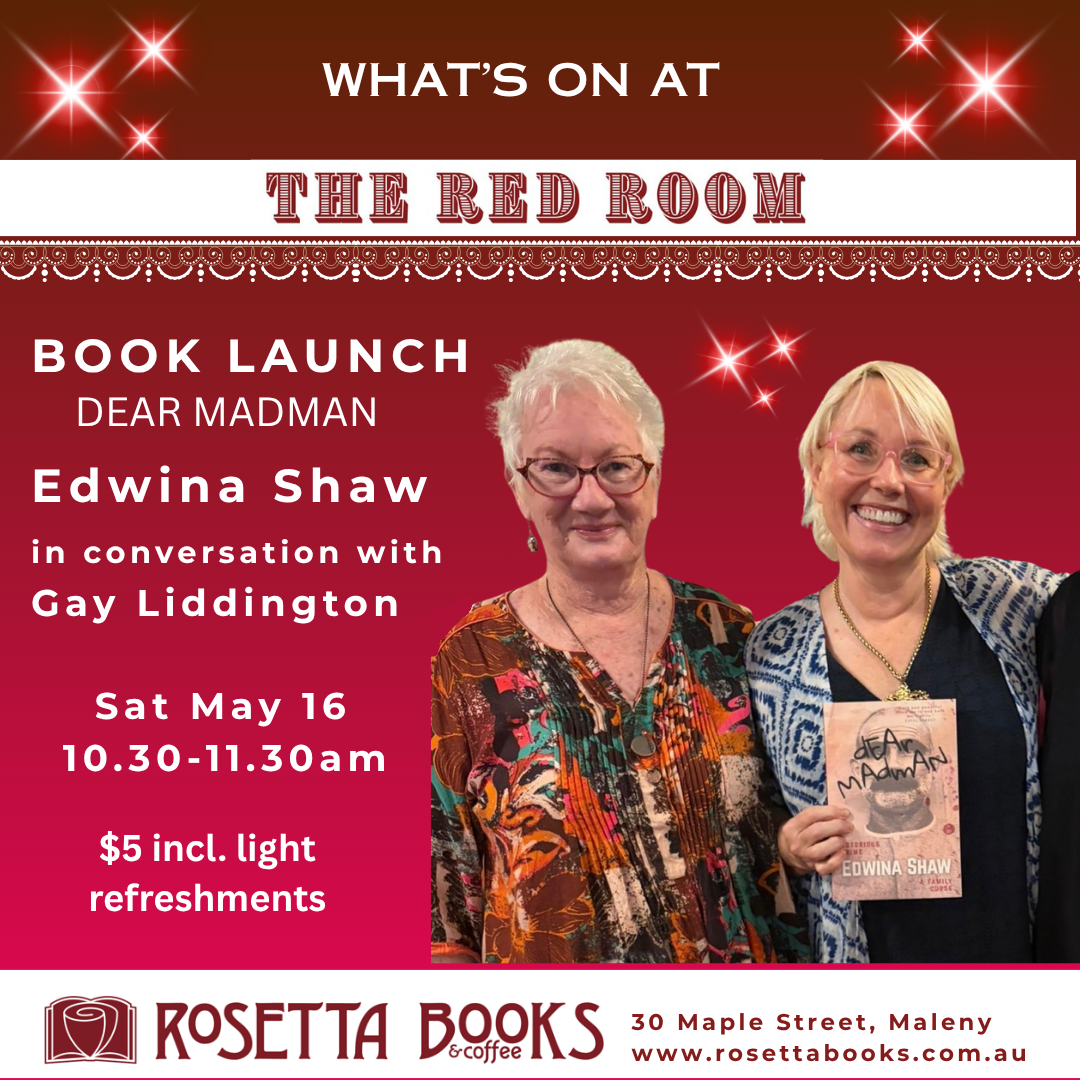
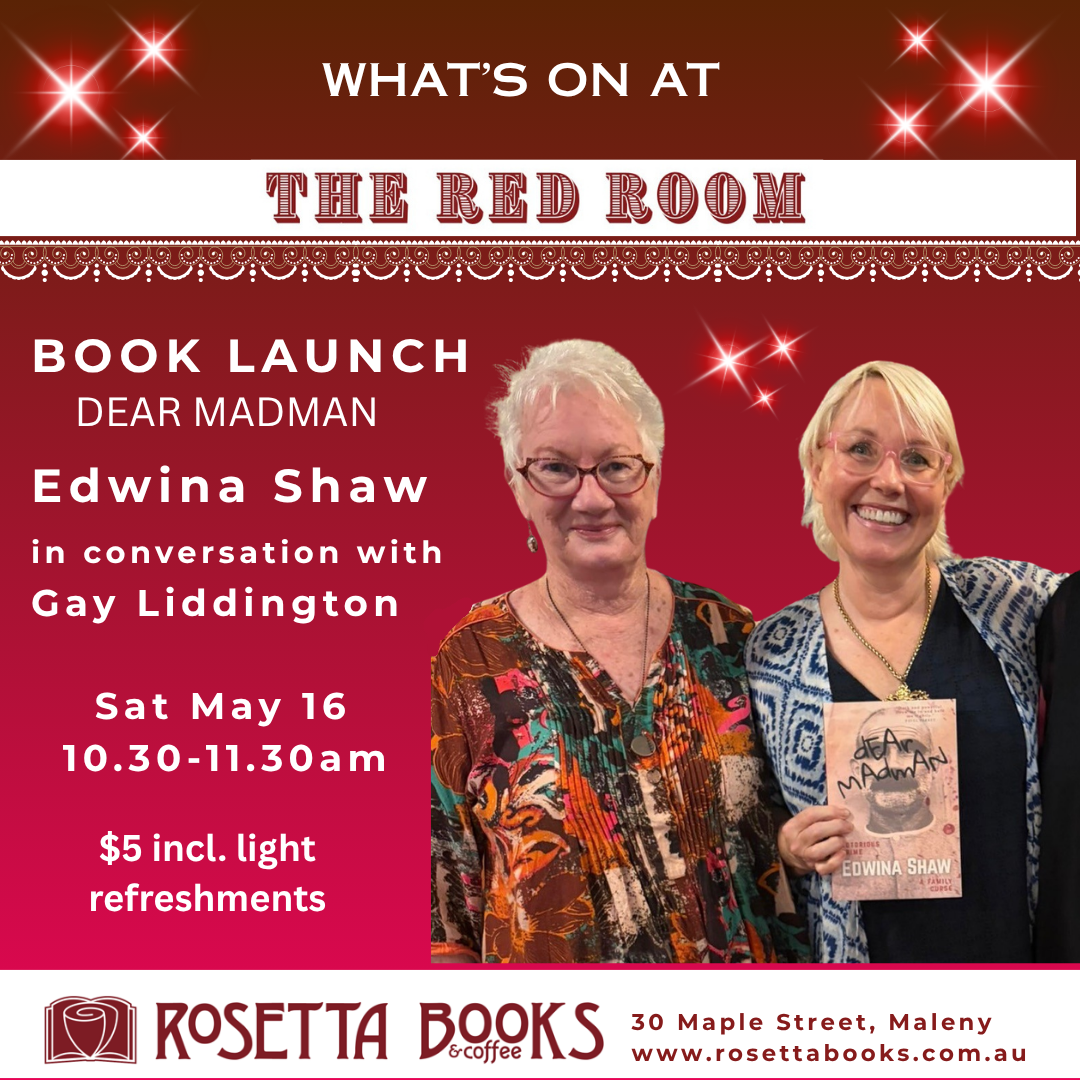
Advertising poster for Dear Madman book launch in Maleny at Rosetta Books

Whether you publish with one of the big trade publishers, a boutique publishing house or yourself, the writer still has to do the thing we all fear most – MARKETING!

Now, before you run screaming for the hills, take a deep breath. Yes, it’s horrible having to toot our own horns. (Yes, it does make you feel like a wanker in Australian vernacular). BUT you’ve spent all this time creating your beautiful book. In order to help it shine, you need to find readers.

Think of marketing less as selling, but as connecting your book with those people who’ll really love it. How will they find it if you don’t tell them about it? 

See? You’re doing good, helping people find something that will benefit them?

Feeling better about marketing yet?

See my post The Mystic, The Businesswoman and Me for more tips.

Just think of it as calling a lot of friends to tell them about your book – all at the same time!

Here’s my rough guide to marketing developed over 24 years of trial and error.

NOTE: You don’t have to do everything. If you find Instagram nauseating or would rather die than join TikTok, you don’t have to. Find what works for you, what you find easiest and work that room J

  1. AUTHOR PLATFORM 
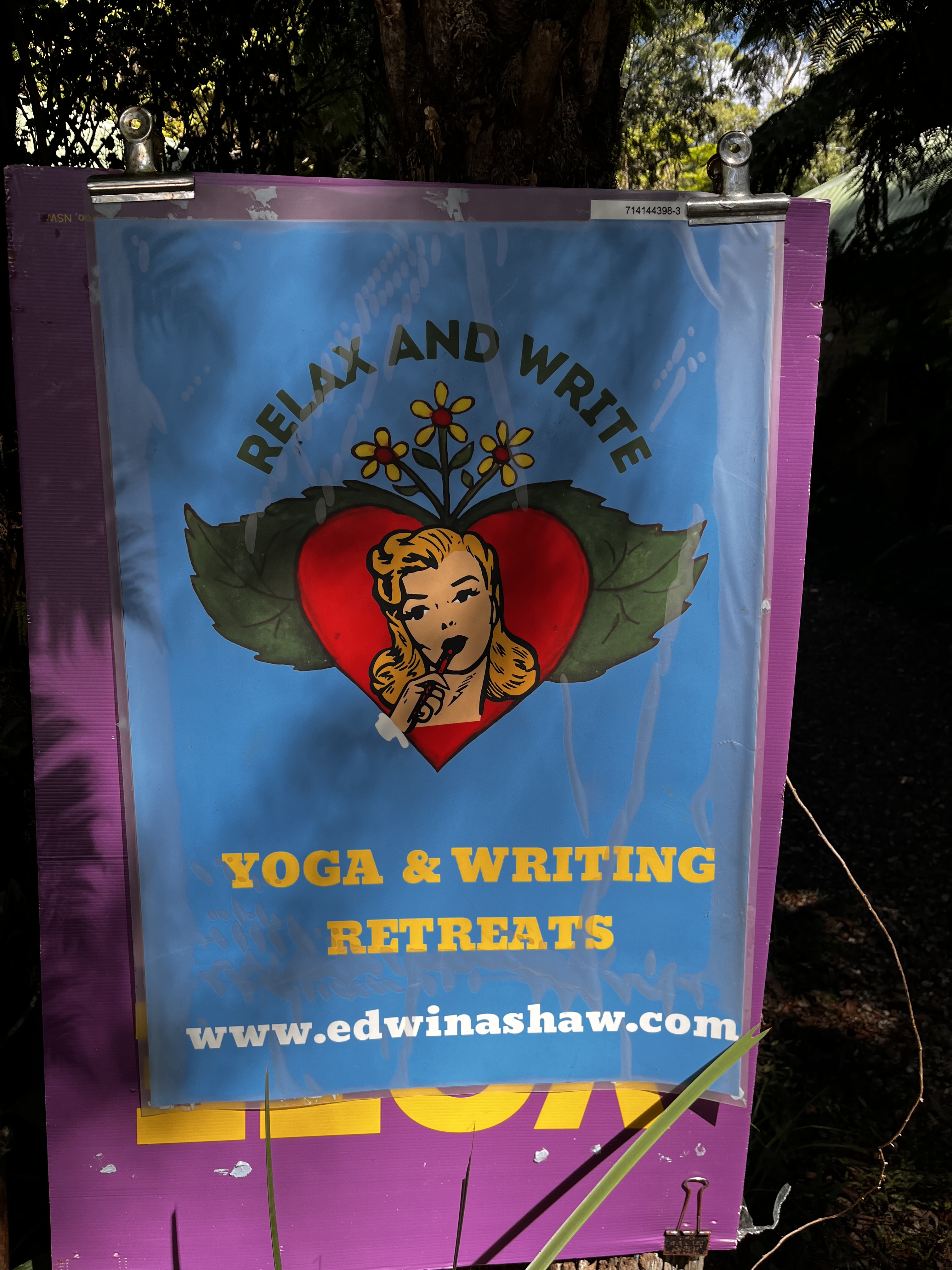
Relax and Write Retreats poster

I love my new logo and my bright blue colour scheme. Keeping this kind of branding in mind is important. Relax and Write is my business.

What the hell is it? These days whenever we pitch a book to potential publishers, they want to see that we have a ready audience. If you, for example, have a million followers on social media, you’re in like Flynn. If you have a professional reputation connected to your book subject, like my friend, writer and psychiatrist, Warren Ward who runs an eating disorder clinic and co-authored ReNourish a book about overcoming these illnesses, then you have a headstart too. Been on telly? Have a large community network? All these will help. 

You can create a website, or a Facebook Author page – somewhere that people can find you easily. You need some online presence to start building that “platform” as a writer.

If you’re just an average Joanne like me, then your platform may come from the work you’ve already published, any writing prizes you’ve won, even a favourable manuscript assessment. Keep a record of all publishing wins, writing courses you’ve attended, any praise of your writing. This is your WRITING CV. Keep going long enough like I have, and it all adds up.

  • NETWORKING

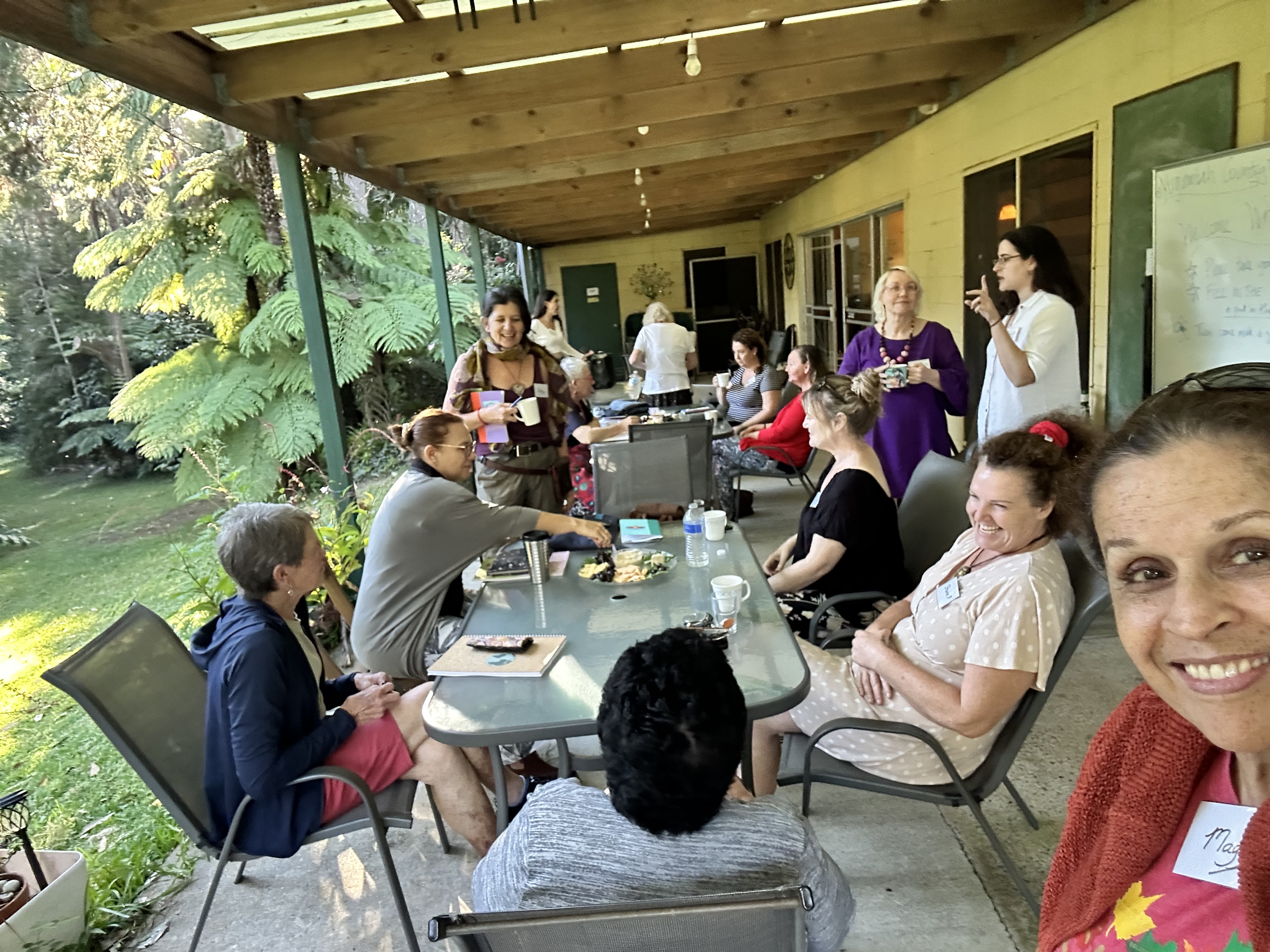
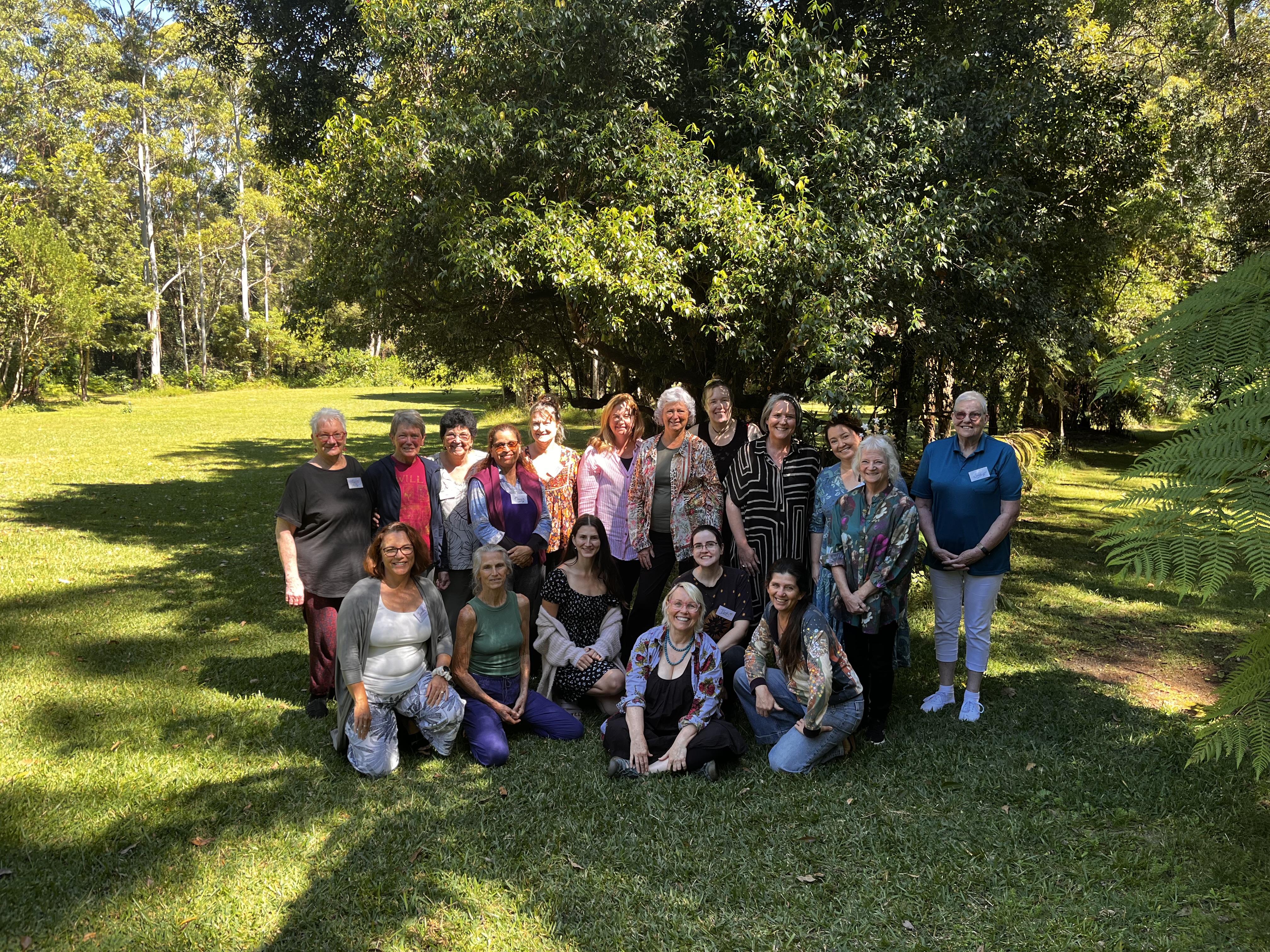
Who knew that hanging out with fellow writers was actually “networking”? Photo of retreat guests in April by Maggie Cardona

The very thought of “networking” used to give me the heebeegeebees! But again, there are ways to work around the fear. Don’t force yourself to do an event where you have to speed date 20 new people and sell yourself/book, that will have even the most extroverted writer shivering in her boots.

But, how about attending a writers’ festival and chatting to the people next to you? How about joining a QWC Writing Friday to write in company and meet other writers? How about joining a writers’ group to share feedback, or coming along on a retreat? Meeting people more organically around our shared interest in writing isn’t so scary. Think Bookclubs, Women’s groups, Sip and Write events. Let’s face it most writers are dags at heart, and not scary at all. 

You can join other clubs or groups around the topic of your book as well. Get to know people and just be your usual lovely self. That’s networking! That’s not so scary now, is it?

  • SOCIAL MEDIA

A couple of my recent Instagram posts. You can follow me at https://www.instagram.com/edwinashawauthor/

Love it or hate it, social media is here to stay and is your most powerful marketing tool.

Here are some great tips from Gay Liddington – author of Will I Ever Be Who I Am and chief cookie at my local retreats. Long before her book was published, or even finished, Gay joined and engaged with lots of Facebook groups related to her memoir. She joined writers’ groups and pages that spoke to her topics – family violence, military and historical sites, taking every opportunity to mention her memoir title or to post an excerpt, thereby gaining interest. She was also mindful to comment on other posts to keep her name out there. ‘It’s important to read group rules before joining as some don’t allow for self-promotion, or you may only promote on certain days,’ says Gay.  

Often Gay will post in a group about a topic and include a photo or some text from her book. No link. Just the title. And people start asking, “Where can I buy it?”

Find some related groups and start interacting – not just promoting. Give and receive.

Instagram is my social media of choice these days after multiple scammer episodes on Facebook saw me lose all my followers. I like Instagram because it’s mainly images and videos. I’ve recently bitten the bullet and have done some face to camera reels. Surprisingly they had a greater reach than other posts! So don’t be scared. If we go on warts, wrinkles and all they know we’re real, and not AI. Reels have the best reach.

Booktokkers can go far. I haven’t come at TikTok yet though. But it might be just right for you. 

My main message is, park your sensitive sausage self, and start posting on whatever platform feels least threatening. Post short excerpts, not too much! Post related images. Connect with others. And if you get a yucky comment – delete and block them. Just post, keep posting and don’t look back!

Help other writers by commenting on their posts and sharing them. They may do the same for you one day.

  • NEWSLETTERS

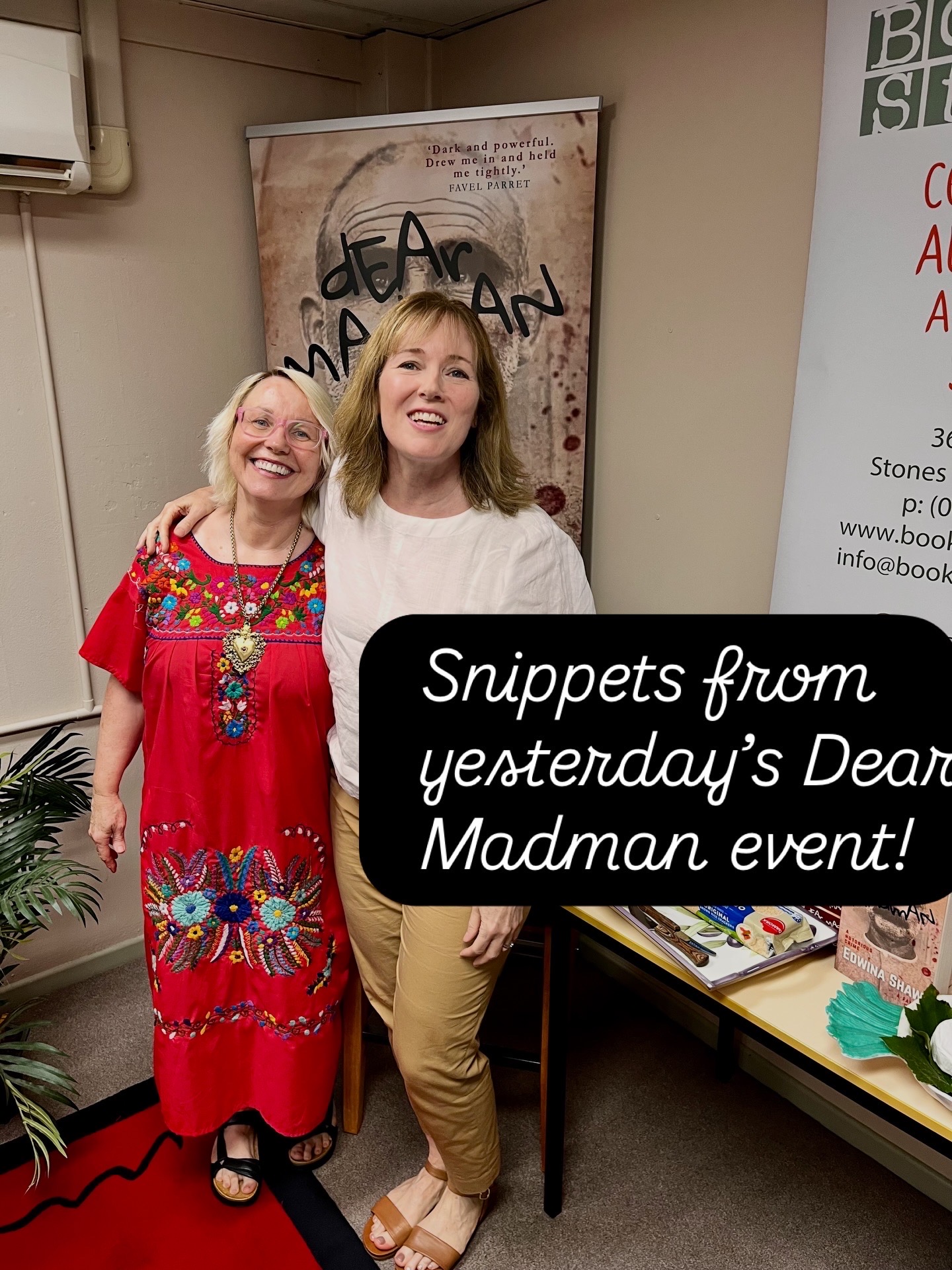
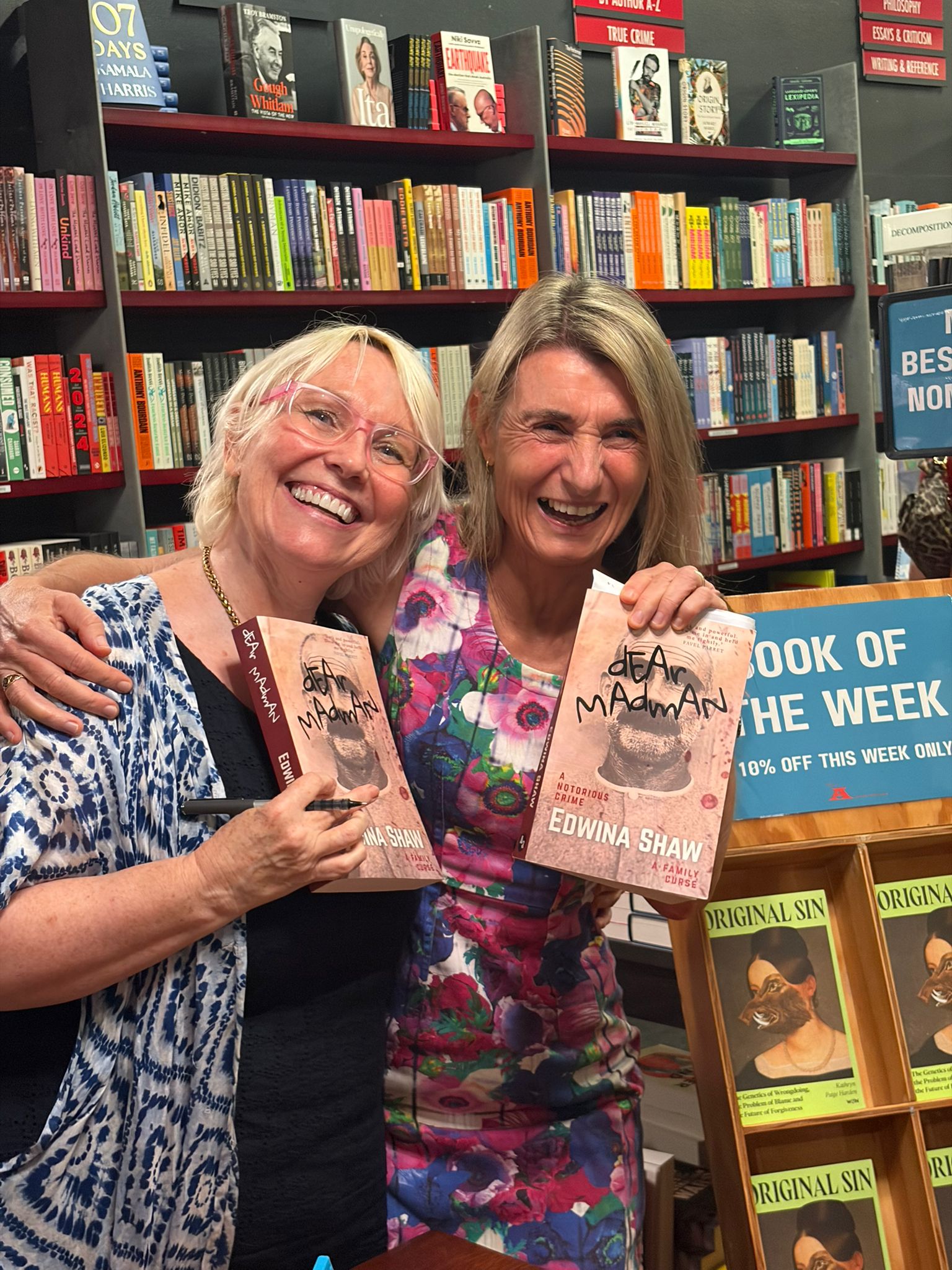
Jo Skinner and I at my Avid Reader launch of Dear Madman

Are newsletters worth it? I’ve been writing a monthly newsletter now for about nine years. For me it has been my very best marketing tool. I collected email addresses from workshop and retreat participants, so I’d met most people on my list, and they knew I had information they would be interested in. You can join my newsletter HERE.

I subscribe to a few newsletters, but I confess I don’t read most of them. Only if there’s useful information or opportunities included. This is why I pack my newsletters full of writing advice and publishing opportunities. I’ve always enjoyed my dear friend and retreat co-host, Kerstin Pilz’s newsletters for their mix of writing advice, prompts and spirituality.

Before you start a newsletter think about what you can offer. Snippets of your stories? Or like the unstoppable Jo Skinner author of The Truth About My Daughter and A World of Silence – a montage of writing life, running tips and Western medicine insights. Like Jo, I create my newsletter over the preceding month, but it still takes me most of a day to get the final version to subscribers. This is valuable time, so it must have a return. I’m reaching my people for editing or mentoring or retreats, so it’s worth it.

I started on Mailchimp which was free, until I hit 500 subscribers and then I had to pay. I found Mailchimp mostly okay to use – I’m still learning about technology and often find tech challenging – and I liked the way I could store images and use people’s first names in the “to” fields.

Last year Kerstin convinced me to move onto Substack which is FREE! You know I like free things, but still I was hesitant to lose the personalised greeting and my catalogue of images built up over almost a decade. I got some help to export and then import my contact list and from there, it’s been easy. In its favour Substack has a large writerly community so we can all cross-pollinate.

There are a number of different platforms available to try. But do we all need a newsletter?

  • EVENTS

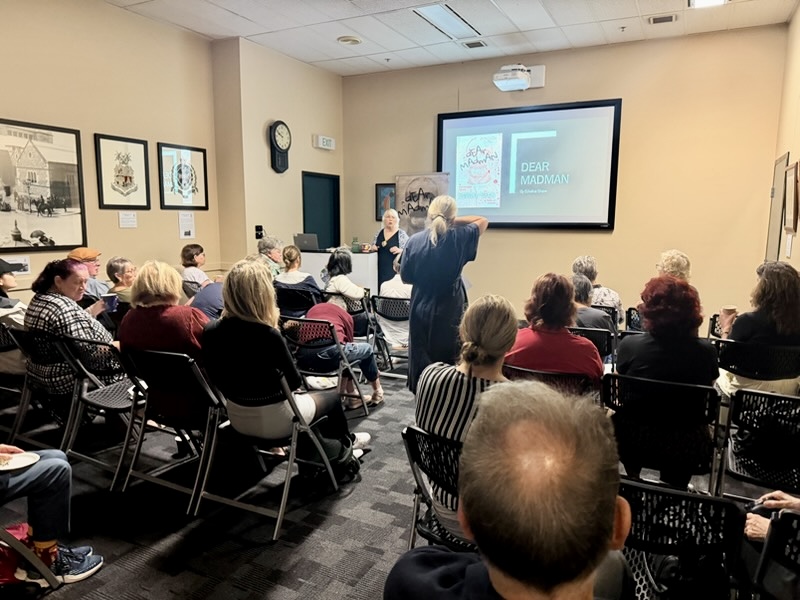
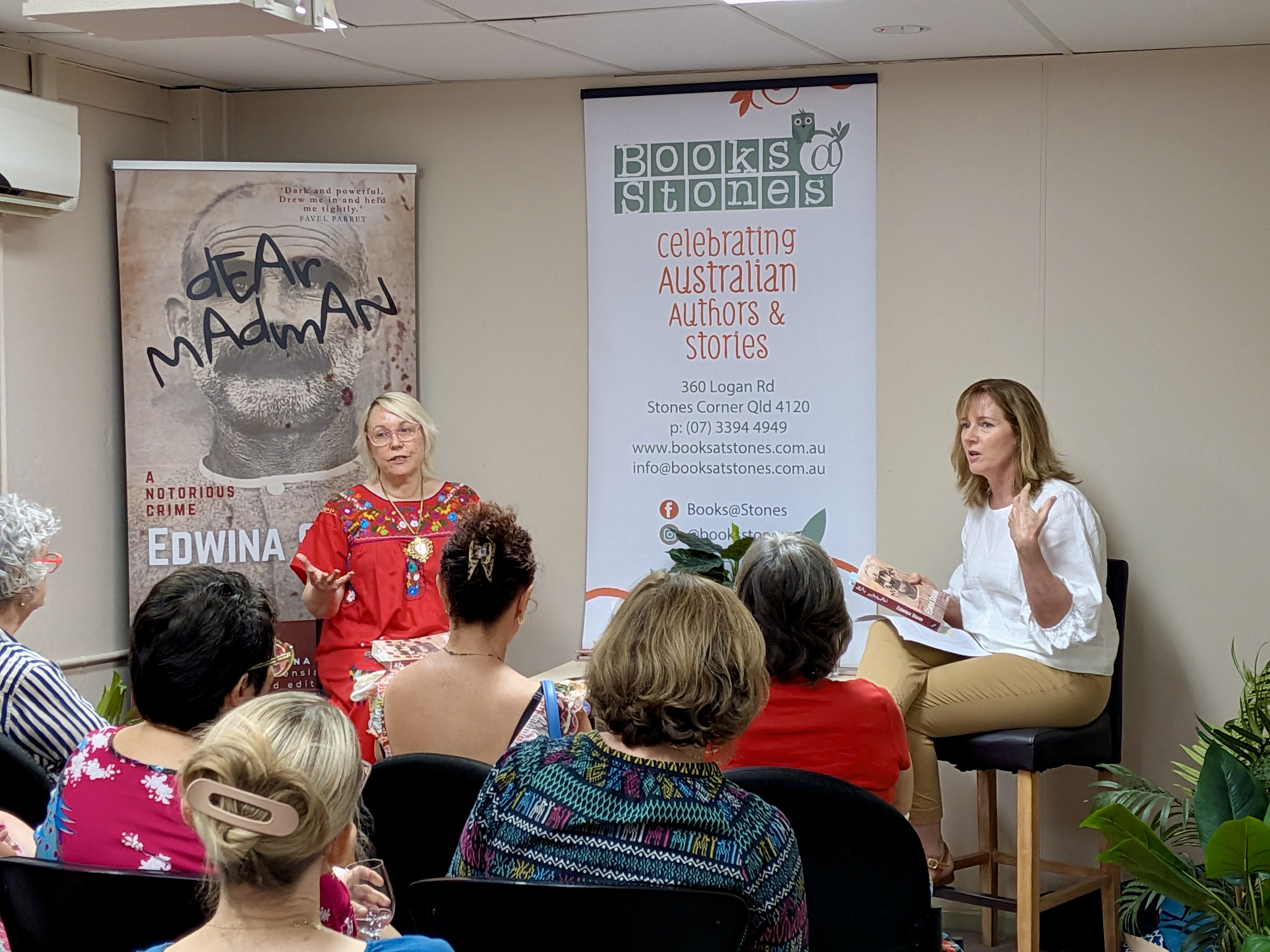
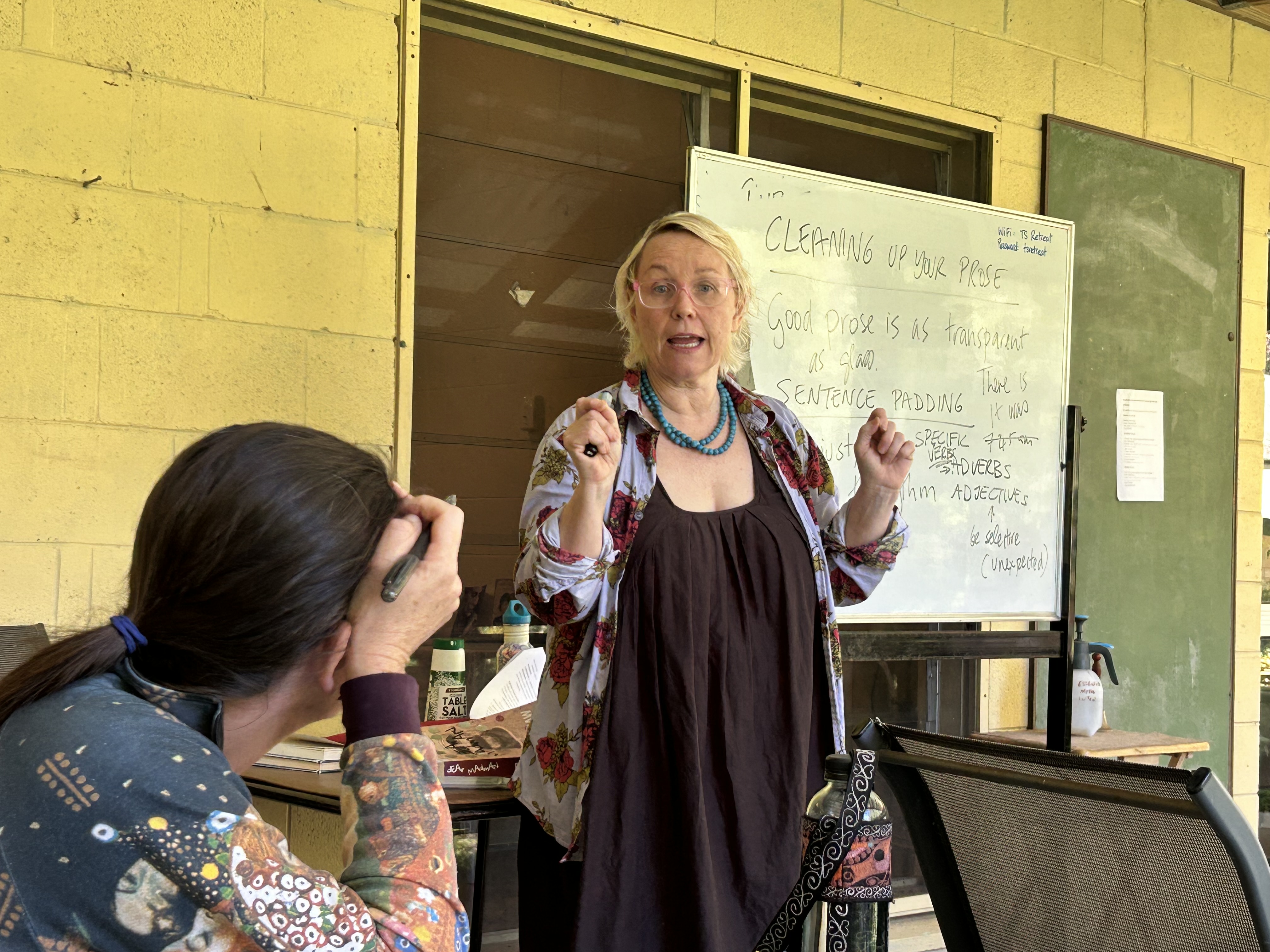
Of all these marketing tools, I like events best. I love people and teaching has made me unafraid of public speaking, so I enjoy traveling around hosting book events or workshops or retreats. I love to share my hard-won knowledge of the publishing industry and the craft of writing, so events work well for me.

You don’t have to do big events – a small gathering at your local bookshop will do the trick. See if you can visit a friend’s book club or writing group to lead a short session. If public speaking terrifies you, join a speakers’ organisation like Toast Masters to get practice. You can speak at Rotary Clubs, Probus or do a tour of the RSLs as Gay is doing (she was in the army as a young woman).

If you have teaching or speaking skills, you can sign up for a speakers agency like Speakers Ink.

Events can be fun, but I’ve learned that while I enjoy doing them, they also take a toll on nerves. Remember to pace yourself between events, so you can always give your best.

  • WRITE RELATED ARTICLES

A good way to bring attention to your book is by writing articles on related topics and selling them to magazines or journals. Find your favourite magazines and link your story to a topic of their interest, and pitch an article.

  • MERCHANDISE

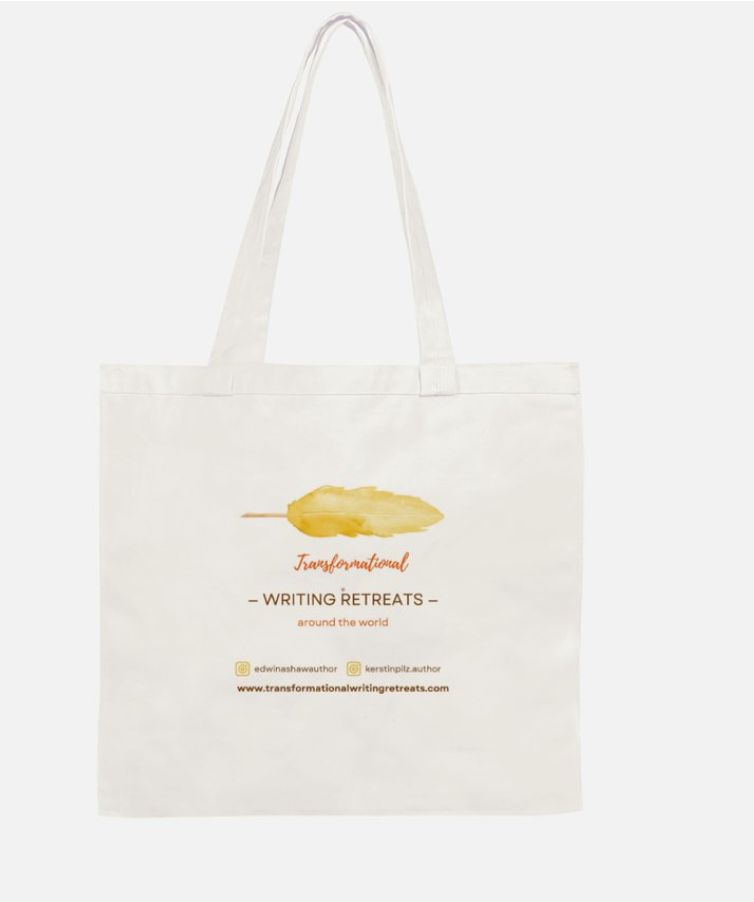
Our fancy new tote bags 🙂

Merchandise is fun! But I’m not sure if it sells books. Still, I like my retreat fridge magnets and our Transformational Writing Retreat tote bags. Maybe they spark interest or conversation with a friend when they see them. 

But don’t spend a fortune! Connecting with others organically is your best bet.

Other Marketing Suggestions

Check out: Readers favourite; 

Reedsy; 

Draft2 Digital; 

Best Seller World; 

Read A Lot magazine: readalot.com.au 

Goodreads ( do me a review for Dear Madman while you’re there:) )

Good Reading magazine https://goodreadingmagazine.com.au

Book Bub

Book Monkey

Team Dango

Kindle Nation

Written Word

Fussy Librarian

Book Raid

ENT

Podcasters

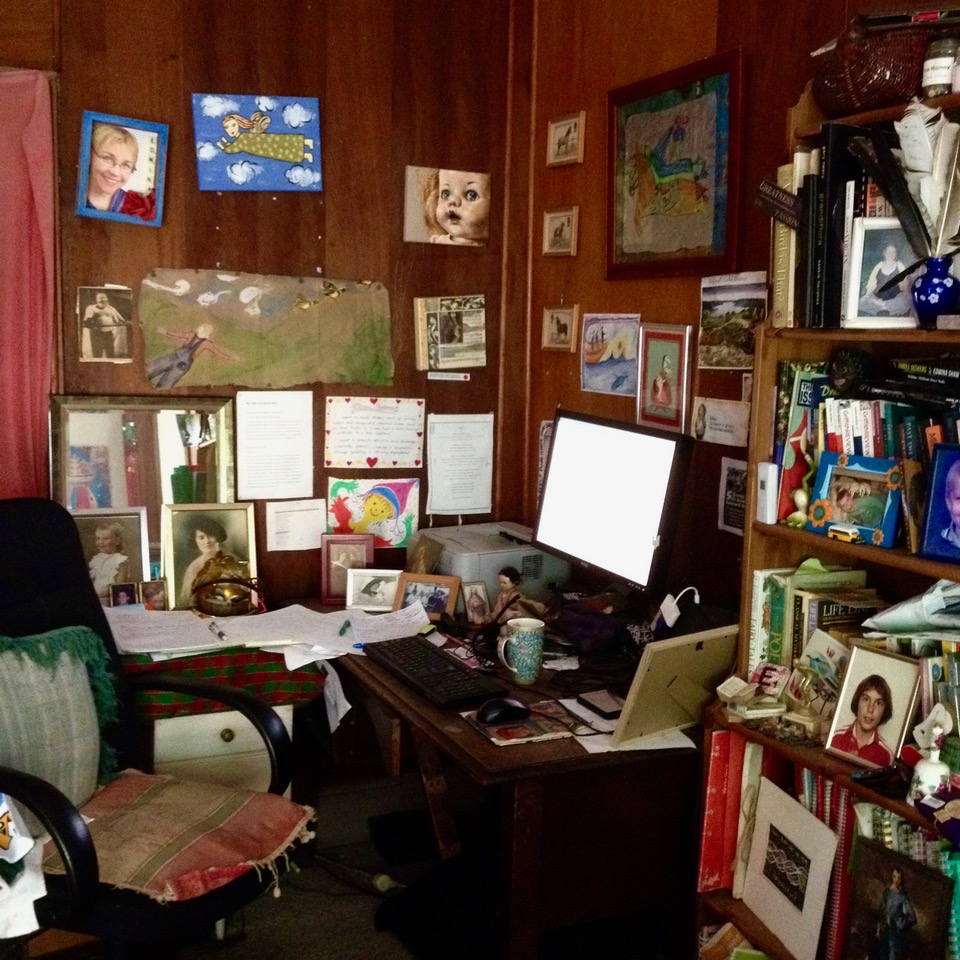
From my writing desk to yours.

I hope these tips are useful. Which marketing tool will you use today? Every little bit helps.

GOOD LUCK! Go forth and prosper fellow writer!

Lots of love

Edwina 🙂 xx

PS. Ipswich book event this Saturday 2/5/2026 at The Book Bouquet at 10:30 am Book HERE

PPS. Maleny book event Saturday 16/5/2026 at Rosetta Books at 10:30 am BOOK HERE